
The celebration of end of Ramadan can feel confusing to Muslims all over the world. One friend calls it “Eid,” another says “don’t do too much,” and social media adds extra pressure. People worry: What’s Sunnah? What’s culture? What’s actually allowed?
After finishing the fast, many readers enjoy a simple guide that keeps things grounded: Search “Eid al-Fitr guide book” on Amazon.
Problem → Insight → Solution
In the West, the biggest issue is mixed messages. Some families keep Eid quiet. Others go full wedding-level event. New Muslims can feel lost. Even born Muslims sometimes wonder if their celebration is “too much” or “not enough.”
The good news is that Islam gives a balanced path. You can celebrate with joy, gratitude, and community—without turning Eid into waste, showing off, or stress.
What We’re Really Celebrating
Eid al-Fitr is the day Muslims celebrate after completing ramadan, a sacred Month of fasting, prayer, and self-control. It’s not just “a party after hunger.” It’s a thank-you moment. You finished a month of discipline, and you’re stepping into the next chapter with hope.
For a simple overview of Eid’s meaning and timing, see this Wikipedia page on Eid al-Fitr.
The Key Insight: Eid Has Sunnah, Space, and Limits
Eid is joyful, but it’s not random. There are Sunnah acts that give Eid its Islamic shape. There are also clear limits: avoid sinful entertainment, avoid arrogance, and avoid wasting money.
A helpful way to think about it is this:
- Sunnah gives the direction
- Culture adds color
- Shariah sets the boundaries
That keeps your home happy and your heart steady.
Qur’an References
1) Surah Al-Baqarah, Ayah 185
Meaning: Ramadan is guidance; complete the days and glorify Allah for what He guided you to.
Link: Read Surah Al-Baqarah 2:185 with simple translation on Alim.org
2) Surah Al-A‘raf, Ayah 31
Meaning: Dress well for prayer, eat and drink, but don’t be excessive or wasteful.
Link: See Surah Al-A‘raf 7:31 translation comparison on Alim.org
Hadith References
1) Sunan Abu Dawood, Hadith 1149
Meaning: The Prophet ﷺ taught extra takbirs in the Eid prayer, showing Eid is a special act of worship, not only a social day.
Link: Read the Eid prayer takbir guidance in Sunan Abu Dawood
2) Jami` at-Tirmidhi, Hadith 673
Meaning: Companions gave Zakat al-Fitr as staple food, highlighting charity before the Eid prayer so everyone can celebrate with dignity.
Link: See the Zakat al-Fitr practice in Jami` at-Tirmidhi
A Practical Hanafi-Friendly Rule Set
If you follow Hanafi fiqh (as many UK/USA Muslims do), these basics keep Eid clean and confident:
- Zakat al-Fitr is due before the Eid prayer so the needy can enjoy the day.
- Eid prayer is a key public Sunnah/communal symbol of Islam.
- Celebrating is allowed, but haram stays haram—no matter how “Eid mood” feels.
For a clear checklist of Sunnah acts many scholars mention, you can also read this AboutIslam guide on Sunnah acts of Eid al-Fitr.
Also Read: : 30 Days of Prayers At Ramadan: Daily Duas, Reflection & Blessings
Solution: A Simple Eid Checklist That Works in the UK/USA
Use this the night before and morning of Eid. It keeps things peaceful.
- Pay Zakat al-Fitr early (or arrange it in advance)
- Make ghusl, wear clean clothes, use light fragrance
- Eat something small before Eid prayer (Eid al-Fitr)
- Say takbir on the way to prayer
- Pray Eid, greet people, and keep the day kind
- Visit family, call elders, include the lonely
- Keep photos and spending modest
This is how the celebration stays worship-based, not ego-based.
Categories: PRAYER ,ALMS , SAWN HAJJ & DUA , Hadith and Tafseer, The Holy Quran, Quran Jaz 1- 114
Suitable Settings for Eid Celebrations
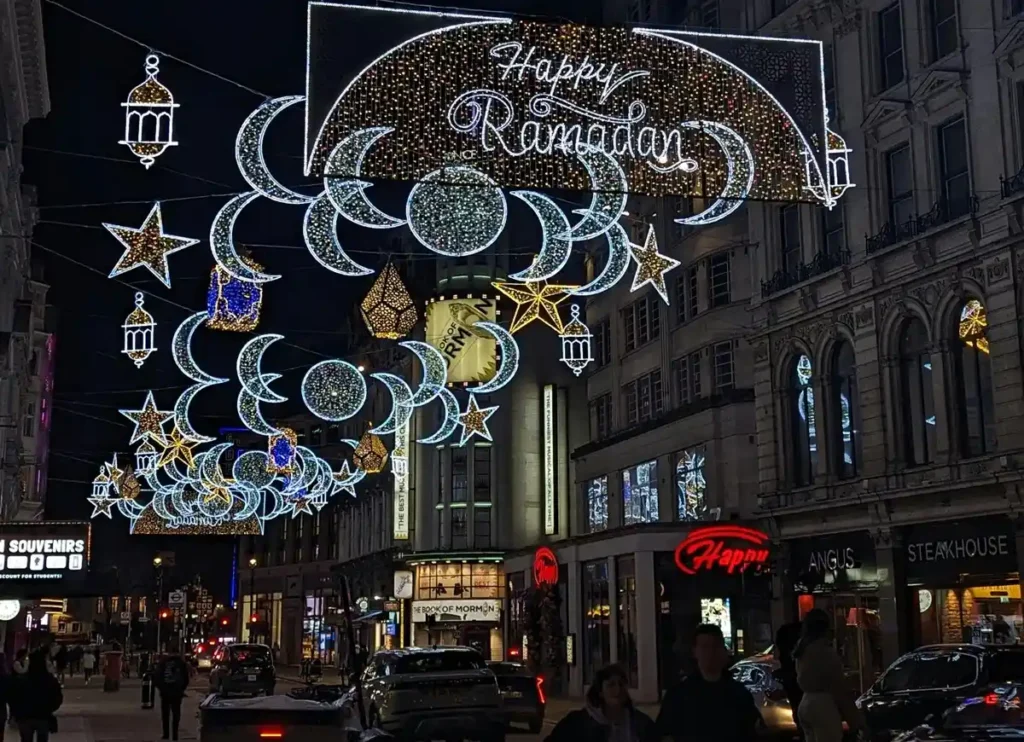
Below is a practical table for “where Eid works best” in Western life.
| Suitable setting (UK/USA) | Why it works well | Simple etiquette tip |
| Mosque or Eid prayer hall | Strong community feel and Sunnah atmosphere | Arrive early, park responsibly, greet warmly |
| Community center gathering | Good for converts and students far from family | Keep food simple, include new faces |
| Home brunch with close family | Calm, private, affordable | Avoid waste, keep conversation positive |
| Park picnic (weather-friendly) | Easy for kids, low-cost, relaxed | Choose modest music-free setup if possible |
| Charity or volunteer event | Turns joy into service | Bring kids so they learn giving |
Habit Tips to Keep Eid Joyful Without Burnout
A lot of people crash on Eid because they try to do everything in one day. Try these simple habits:
- Pick one “must do” worship goal: Eid prayer + gratitude du‘a
- Pick one “must do” family goal: parents, grandparents, or one close relative
- Pick one “must do” community goal: visit, call, or host one newcomer
- Set a spending cap before you open shopping apps
- Keep meals lighter so you don’t spend Eid sleepy
This keeps the spirit of the sacred Month alive instead of flipping into chaos.
3–5 Hanafi Fiqh Book Titles (Titles Only)
- Mukhtasar al-Quduri
- Nur al-Idah
- Maraqi al-Falah
- Al-Lubab fi Sharh al-Kitab
- Sharh Ma‘ani al-Athar
A Note on Learning Islam Online
Along with trusted scholars and local masajid, many people also benefit from beginner-friendly Islamic websites. One example you can explore is www.quranmualim.com for general reading and learning.
Also Read: How to Pray Salah: Step-by-Step Guide (Wudu + Fajr, Zuhr, Asr, Maghrib, Isha)
FAQ
1) Is Eid only a cultural party or an Islamic act too?
Eid is worship and joy together. The Eid prayer, takbir, and charity give it an Islamic core. Culture can be added within halal limits.
2) When does Eid actually start in the UK/USA?
It begins when Shawwal is confirmed. Some communities follow local moon sighting, others follow reliable calculations. Check your mosque announcement early.
3) Do we have to give gifts and wear new clothes?
Gifts are optional, not required. Wearing clean, best-available clothing is encouraged. The goal is gratitude and dignity, not showing off.
4) What should we do if family celebrations include things we’re uncomfortable with?
Be polite and firm. Attend for family ties, avoid haram activities, and suggest a halal alternative. Keep your tone gentle, not judgmental.
5) How can converts or students celebrate if they’re alone?
Join the mosque Eid prayer, accept invitations, or attend a community meal. Even one good conversation can make Eid feel warm and meaningful.
Conclusion
The celebration of end of ramadan is meant to feel like relief, not pressure. Keep it anchored in prayer, charity, and gratitude. Add culture where it helps, and drop habits that bring waste or sin. When you celebrate with balance, you don’t just “finish Ramadan”—you carry its light forward.
And that’s the real win of the celebration of end of ramadan: a joyful day that still sounds like faith, mercy, and purpose—exactly what ramadan was teaching all along.
Related Posts:
- Dua First 10 Days of Ramadan – Learn Islam
- Roza Rakhny Ki Dua in Arabic – learn Islam
- Read Our Daily Dua Month of Ramadan 2026
- Roza Rakhne Ki Dua | Sehri Ki Niyyat in Arabic
- Roza ki Dua (Roza Rakhne Ki Dua + Iftar Ki Dua)
- Welcoming Ramadan: Sighting of Ramadan Moon
- Do You Know The Roza Rakhne Ki Dua in English?
- Sehri Ki Dua For Fasting | Authentic Islamic Guide
- Arabic Dua For Palestine – A Powerful Call For Help!
- Dua Entering The House– Keep Evil Away Instantly!
- After Meal Dua – A Secret to Endless Barakah in Food!
- Car Dua – A Powerful Protection Most People Forget!
- What Should We Do on the First Night of Ramadan?
- Are You Ready For Every Roza? Ramzan Time Table
- Are You Missing The Powerful 2nd Ashra Dua of Ramadan?
- Dua After Completion of Quran – A Moment of Acceptance!
- Dua Before Intercourse – The Key To A Blessed Relationship!
- Roza Band Karne Ki Dua With Urdu, Arabic & English Translation