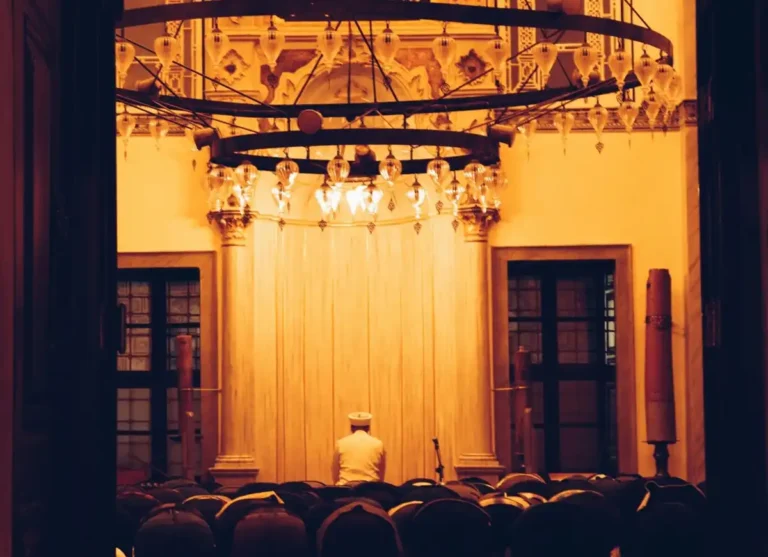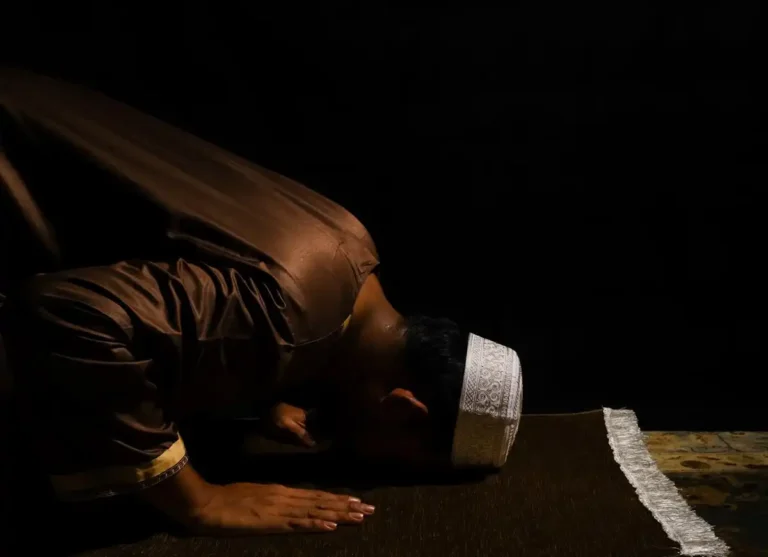


Dua before Namaz: A Clear Beginner Guide to What to Read and When. dua before namaz is a common topic because many Muslims are unsure what to recite before starting salah and what can be read before salam. This confusion is normal. The good news is simple: Islam gives a clear, practical path through Qur’an guidance, authentic hadith, and a steady daily routine.
After the first paragraph, here is one useful beginner-friendly book for daily supplications: Fortress of the Muslim (Hisnul Muslim) on Amazon.
Understanding the common confusion
Many people mix three different moments in prayer. One is before starting salah, one is during the final sitting before salam, and one is after the prayer ends. When these get mixed, people feel stressed and think they are “doing it wrong.”
Wikipedia’s page on salah helps explain the structure of formal prayer, while Britannica summarizes its central place in Islam. That basic background makes it easier to understand where short supplications fit naturally in the prayer routine. Wikipedia on Salah and Britannica on Salat.
The simple fiqh insight
A helpful rule for beginners is this: some supplications are read before recitation begins (opening dua), and some are read after tashahhud and durood, before salam. Both are valid parts of a complete prayer habit, but they happen at different points.
This is why people search for phrases like dua before salam in namaz and dua to recite before salam in namaz. They are asking about the final sitting, not the opening. Once you separate the two moments, learning becomes much easier.
Also Read: How Many Rakat Zuhr Namaz? Are You Doing It Right?
Importance and benefits of learning these duas
Learning a few authentic supplications changes the quality of your salah. It slows you down, improves focus, and makes prayer feel personal rather than rushed.
Key benefits
- Brings calm before recitation starts
- Improves focus in the final sitting
- Helps you ask Allah with presence
- Builds confidence for new learners
- Makes your salah more meaningful daily
Even one short dua, repeated consistently, can create a strong spiritual habit. Small and regular is better than long and forgotten.
What to read before starting salah
Before salah, you begin with takbir and then read an opening supplication (dua al-istiftah). There are different authentic wordings. Beginners can start with one short version and stay consistent.
Easy beginner checklist before recitation
- Make wudu properly
- Face the qiblah with focus
- Say Allahu Akbar
- Read a short opening dua
- Continue with Surah Al-Fatihah
This is the “problem to solution” path many learners need: less confusion, more clarity, and a repeatable routine.
What to read before salam in the final sitting
In the last rak‘ah, after tashahhud and durood, you can make dua before ending the prayer. This is the moment many people mean when they ask for dua before salam in namaz in english.
A famous and very important dua is asking Allah’s protection from four trials:
اللَّهُمَّ إِنِّي أَعُوذُ بِكَ مِنْ عَذَابِ جَهَنَّمَ، وَمِنْ عَذَابِ الْقَبْرِ، وَمِنْ فِتْنَةِ الْمَحْيَا وَالْمَمَاتِ، وَمِنْ شَرِّ فِتْنَةِ الْمَسِيحِ الدَّجَّالِ
Transliteration: Allahumma inni a‘udhu bika min ‘adhabi jahannam, wa min ‘adhabil-qabr, wa min fitnatil-mahya wal-mamat, wa min sharri fitnatil-masihid-dajjal.
English meaning: O Allah, I seek Your protection from Hell, the grave, the trials of life and death, and the trial of Dajjal.
Also Read: How to Pray Salah: Step-by-Step Guide (Wudu + Fajr, Zuhr, Asr, Maghrib, Isha)

Quick reference table
| Prayer moment | What to read | Why it helps | Time needed |
| After takbir (start of salah) | Opening supplication (dua al-istiftah) | Settles the heart before recitation | 10–20 sec |
| Final sitting after tashahhud | Protective dua before salam | Follows Sunnah and increases focus | 15–25 sec |
| End of obligatory prayer | Short dhikr and dua | Builds consistency after salah | 20–40 sec |
This table helps beginners remember the right dua at the right stage.
Qur’an references for dua and prayer
Because your last article used Quran.com links, this article follows your rotation and uses Alim.org links.
1) Surah Al-Baqarah (2:186)
Transliteration: Wa idhā sa’alaka ‘ibādī ‘annī fa innī qarīb…
Short meaning: Allah says He is near and answers the call of the one who calls on Him. This verse gives confidence in every sincere dua. Read on Alim.org: Surah Al-Baqarah 2:186
2) Surah Ta-Ha (20:14)
Transliteration: …fa‘budnī wa aqimiṣ-ṣalāta lidhikrī
Short meaning: Allah commands worship and establishing prayer for His remembrance. This verse connects salah directly with dhikr and heartfelt supplication. Read on Alim.org: Surah Ta-Ha 20:14
Also Read: How Many Rakat Zuhr Namaz?
Hadith references from Sunnah.com
Following your rotation, this article uses Sunan Abu Dawood and Jami` at-Tirmidhi.
1) Sunan Abi Dawud 1522
The Prophet ﷺ taught Mu‘adh a beautiful supplication: asking Allah for help in remembrance, gratitude, and good worship. It is a powerful daily dua tied to prayer and perfect for memorizing early.
Read the hadith: Sunan Abi Dawud 1522 on asking Allah for help in dhikr and worship
2) Jami` at-Tirmidhi 3499
The Prophet ﷺ was asked which dua is most likely to be answered. He mentioned the last part of the night and the end of obligatory prayers, showing the value of dua around salah times.
Read the hadith Jami` at-Tirmidhi 3499 on the best times for accepted supplication
Practical habit tips for beginners
If you are just starting, keep your routine small. You do not need ten duas in one week. Learn one, use it daily, then add the next.
Simple habit plan
- Week 1: Learn one opening dua
- Week 2: Learn one dua before salam
- Week 3: Add a post-prayer dua
- Week 4: Review pronunciation and meaning
You can also keep a personal note or a small printable sheet, like a simple dua after namaz pdf style format, but for pre-prayer and pre-salam duas.
Helpful Islamic learning sites
For practical fiqh questions, many learners use IslamQA English for reading-based study and clarification on prayer issues. The IslamicTeachings forum (islamicteachings.org/forum) is also often mentioned by readers who like community-style discussion and Urdu-friendly explanations.
Hanafi fiqh books to look for (titles only)
Here are Hanafi fiqh titles different from the previous article, commonly found in libraries and archives:
- Kanz al-Daqa’iq
- Al-Ikhtiyar li Ta‘lil al-Mukhtar
- Bada’i al-Sana’i
- Durr al-Mukhtar
- Maraqi al-Falah
Also Read: How To Pray Complete Namaz With Urdu translation Step by Step
FAQ
What is the best dua to read before starting namaz?
A short opening supplication after takbir is best for beginners. Learn one authentic version first, understand its meaning, and read it regularly in every prayer.
Can I make dua before salam in my own language?
Inside salah, it is better to use authentic Arabic duas you can memorize. Outside salah, you may ask Allah in your own language freely.
Is dua before salam necessary in every prayer?
It is strongly beneficial and Sunnah, but many people begin with one short dua. Build the habit gradually so your prayer stays focused.
What if I forget the dua before salam?
Your salah is still valid. Just continue and give salam. Keep practicing, and the words will become easy with repetition.
How can I learn pronunciation correctly?
Use slow audio recitations, repeat line by line, and read transliteration with meaning. Learning the meaning also makes memorization much faster.
Conclusion
Prayer becomes stronger when you know what to say and when to say it. Start with one opening supplication, then learn one short dua before salam, and repeat them daily. With steady practice, dua before namaz will stop feeling confusing and start feeling natural, focused, and deeply comforting.
Categories: PRAYER ,ALMS , SAWN HAJJ & DUA , Hadith and Tafseer, The Holy Quran, Quran Jaz 1- 114
Similar Posts For You:
- How Many Rakats For Fajr Prayer?
- How Many Rakats For Zuhr Prayer?
- How Many Rakats For Asr Prayer?
- How Many Rakats For Maghrib Prayer?
- How Many Rakats For Isha Prayer?
- Dua After Fard Namaz – Is This Your Powerful Moment?