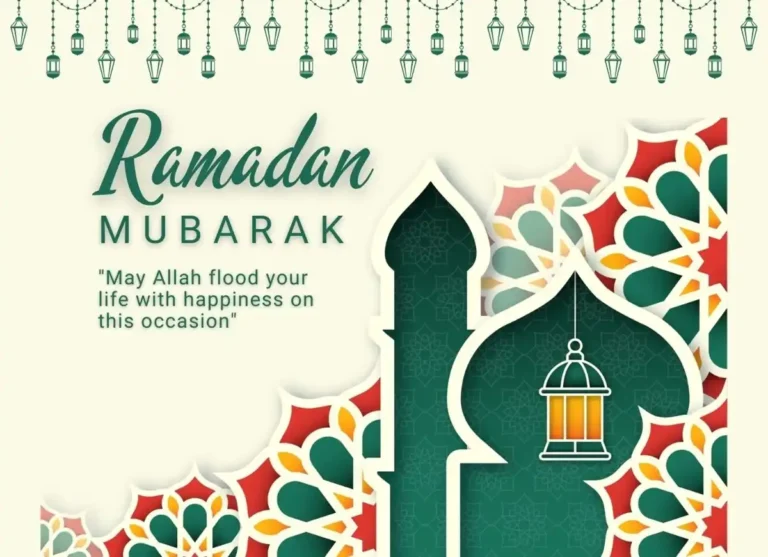

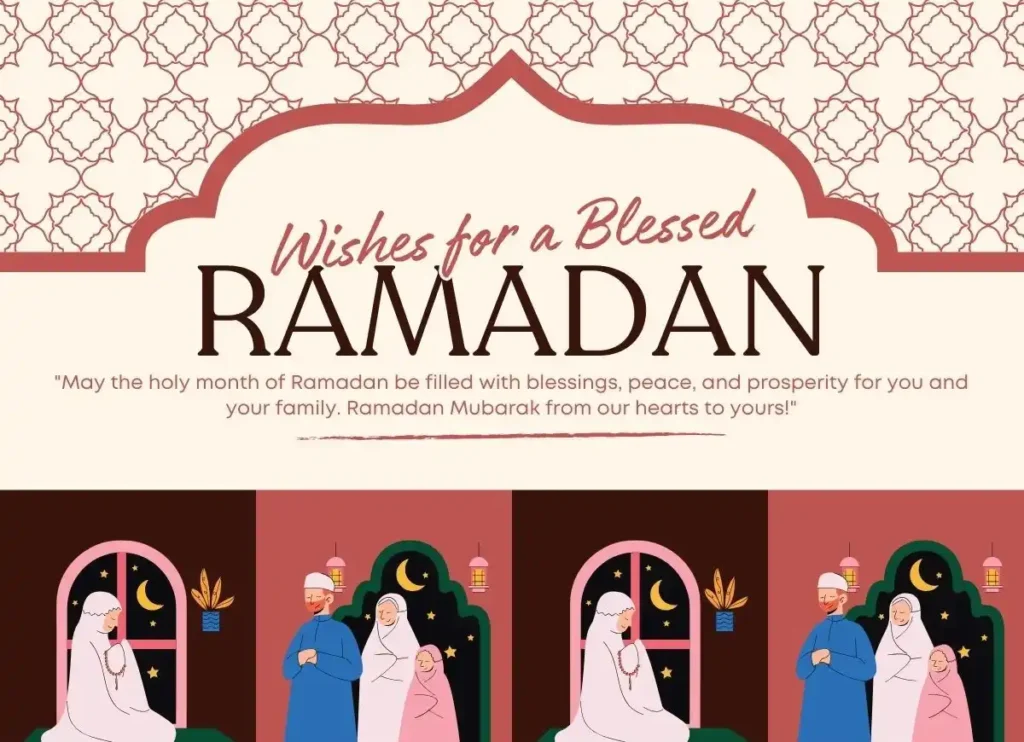
“What does ‘Ramadan Mubarak’ mean?” is a common question, especially for people who hear the phrase every year but never stop to unpack it. Muslims say it warmly, write it in messages, and use it at the start of the holy month. In simple English, it means “Blessed Ramadan” or “May Ramadan be blessed for you.” The phrase is a greeting of goodwill, joy, and prayerful hope during the fasting month.
Recommended on Amazon: The Etiquette of Seeking Knowledge & Other Essential Manners
A broad background helps here. Wikipedia’s Ramadan overview explains Ramadan as the ninth month of the Islamic calendar and a month of fasting, prayer, charity, and reflection. Britannica’s Ramadan entry adds that Muslims commonly greet one another with phrases such as “Ramadan mubarak,” meaning “Blessed Ramadan.” Guidance from IslamQA on Ramadan greetings and AboutIslam’s note on saying “Ramadan Mubarak” shows that such greetings are widely used as permissible custom.
What the phrase means in plain English
The key word is mubarak. In Arabic, it carries the sense of something blessed, full of goodness, or filled with barakah. So when someone says “Ramadan Mubarak,” they are not just naming the month. They are making a kind, hopeful expression that this Ramadan will be blessed for you.
This is why people asking what does mubarak ramadan mean or what does ramadan mubarak mean in english are usually looking for more than a literal translation. They want the feeling behind the phrase. It is part greeting, part prayer, and part reminder that Ramadan is a special season of mercy, worship, and renewal.
Why understanding it matters
Many Islamic phrases become clearer once their purpose is understood. “Ramadan Mubarak” matters because it sets the tone for the month. It turns an ordinary hello into a reminder of fasting, Qur’an, dua, and spiritual growth. It also helps children, new Muslims, and non-Arabic speakers feel connected to the language of Muslim life.
It also builds community. A short greeting can make someone feel seen and included. In practice, that is often how Islamic culture works best: small words, repeated with sincerity, carrying bigger meaning than they first appear to hold.
Benefits of using the phrase well
- It spreads kindness and good feeling
- It reminds people of the sacred month
- It keeps Ramadan conversations warm and respectful
- It teaches simple Arabic in a useful way
- It strengthens shared Muslim identity
Also Read: Juz Amma 30 For School Students PDF Download
Qur’anic background behind the greeting
Qur’an Reference 1
Surah Al-Baqarah 2:185
Transliteration: Shahru Ramadana alladhi unzila fihi al-Qur’an
Short meaning: Ramadan is the month in which the Qur’an was sent down as guidance for humanity.
Qur’an Reference 2
Surah Al-Qadr 97:1
Transliteration: Inna anzalnahu fi laylati al-qadr
Short meaning: Allah says He sent the Qur’an down on the Night of Decree.
These verses do not command the wording “Ramadan Mubarak,” but they explain why Muslims speak about Ramadan with such love and honor. It is the month of revelation, fasting, and Laylat al-Qadr. Once that is clear, the greeting feels natural rather than decorative.
Hadith references on Ramadan’s greatness
Hadith Reference 1
Sahih al-Bukhari 1899
Short meaning: The Prophet ﷺ said that when Ramadan begins, the gates of heaven are opened, the gates of Hell are closed, and the devils are chained.
Clickable link: Read the hadith about the opening of the gates in Ramadan
Hadith Reference 2
Sahih Muslim 1152
Short meaning: The Prophet ﷺ said there is a gate in Paradise called Rayyan for those who fast.
Clickable link: Read the hadith about the gate of Rayyan for fasting people
These hadiths show why Ramadan is greeted with joy. It is a month of special mercy, worship, and reward. So when people ask, “Ramadan Mubarak, what does it mean, the fuller answer is that it means wishing someone a blessed month filled with these very gifts.
Categories: Namaz ,Zakat , Roza , Prayer , Hadith & Supplications
A simple table of related Ramadan greetings
| Phrase | Simple meaning | Common use |
| Ramadan Mubarak | Blessed Ramadan | Most common general greeting |
| Ramadan Kareem | Generous Ramadan | Warm, poetic greeting |
| Khair Mubarak | Blessed goodness to you too | Common reply in many cultures |
| May Allah bless your Ramadan | A dua-style greeting | Formal or personal use |
Is it allowed to say?
Yes, scholars generally allow greeting one another at the start of Ramadan with kind customary phrases. IslamQA explains that greetings like “Ramadan Mubarak” or “Ramadan Kareem” fall under normal custom, and custom is permitted so long as it does not contain anything sinful. AboutIslam presents the same broad idea in practical language.
That matters because some people worry too much about exact wording. In reality, the greeting is simple. It is not a complicated ritual formula. It is a respectful expression of happiness for the arrival of a blessed month.
How to reply naturally
A good reply should be easy and sincere. Here are common options:
- Ramadan Mubarak
- Khair Mubarak
- Ramadan Kareem
- May Allah bless you in this month
- Same to you and your family
Most people do not expect a long answer. A short reply with a smile is usually enough.
Practical tips for using the phrase well
Use it naturally at the beginning of Ramadan, in messages, at the mosque, and with family or colleagues who observe the month. Keep the tone warm, not performative. A simple greeting often sounds better than an overly formal one.
For general reading, many people browse islamicteachings.org/forum and islamqa.info/en. After every few blogs, quranmualim.com may also be mentioned as a basic Islamic site for simple reminders, though detailed rulings should still be checked with qualified scholars.
Hanafi fiqh book titles
- Al-Ikhtiyar li Ta‘lil al-Mukhtar
- Multaqa al-Abhur
- Jami‘ al-Rumuz
- Hashiyat Ibn ‘Abidin
FAQ
Is “Ramadan Mubarak” the same as saying “Happy Ramadan”?
Almost. “Happy Ramadan” is understandable, but “Ramadan Mubarak” sounds more rooted in Islamic tradition because it carries the sense of blessing, not just happiness.
What does “mubarak” mean by itself?
“Mubarak” means blessed, full of blessing, or marked by goodness. In greetings, it usually carries a warm wish that something will be blessed.
Can non-Arabic speakers say “Ramadan Mubarak”?
Yes. Muslims around the world use Arabic greetings even when Arabic is not their first language. It is widely understood and warmly received.
Is there a fixed reply I must use?
No. There is no single mandatory reply. Simple responses like “Ramadan Mubarak,” “Khair Mubarak,” or “May Allah bless you too” are all common.
Is it wrong to say “Ramadan Kareem” instead?
No. Britannica lists both “Ramadan mubarak” and “Ramadan kareem” as common Ramadan greetings used by Muslims.
Conclusion
Once you understand what “Ramadan Mubarak” means, the phrase becomes much more meaningful. It is not only a translation exercise. It is a small prayer, a gesture of love, and a reminder that Ramadan is a month filled with blessing and opportunity. Say it with sincerity, hear it with gratitude, and let it deepen your connection to the spirit
Related Posts:
- How to Make Up Missed Fasts?
- What Are The Rules of Ramadan?
- How To Wish Someone Happy Ramadan?
- Dua First 10 Days of Ramadan – Learn Islam
- Did You Feel The Power of 3rd Ashra Dua?
- Roza Rakhny Ki Dua in Arabic – learn Islam
- Do You Really Know What Breaks Your Fast?
- Do Pregnant Women Fast During Ramadan?
- How Much Hasanat From Fasting Ramadan?
- Read Our Daily Dua Month of Ramadan 2026
- Roza Rakhne Ki Dua | Sehri Ki Niyyat in Arabic
- How Do You Wish Someone Happy Ramadan?
- Roza ki Dua (Roza Rakhne Ki Dua + Iftar Ki Dua)
- Welcoming Ramadan: Sighting of Ramadan Moon
- Do You Know The Roza Rakhne Ki Dua in English?
- Sehri Ki Dua For Fasting | Authentic Islamic Guide
- Arabic Dua For Palestine – A Powerful Call For Help!
- Dua Entering The House– Keep Evil Away Instantly!
- What Are The Best Gift Suggestions For Ramadan?
- Sleeping Schedule Ramadan: Are You Resting Right?
- Ramadan Mubarak Response: What’sThe Best Reply?