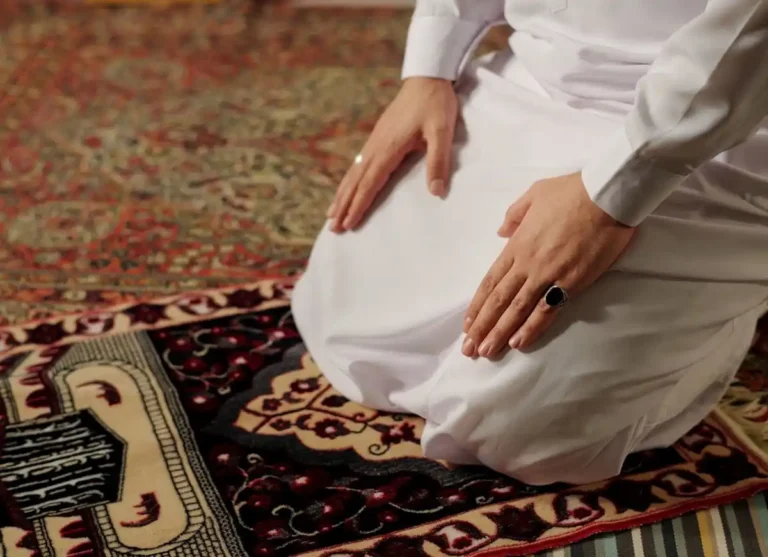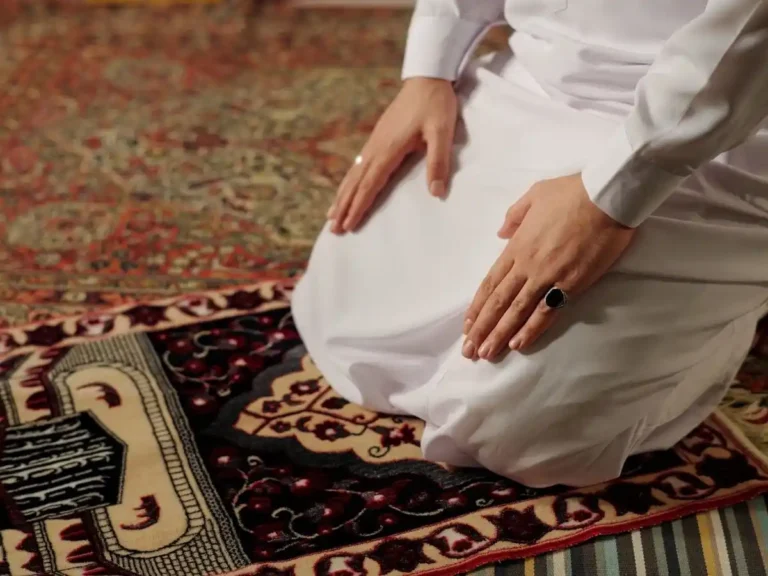


Can a girl lead Salah if Only Girls? It is a common question among Muslims, especially in homes, schools, hostels, and study circles. The confusion usually comes from hearing different answers from different scholars. Some say yes without detail. Others say no without explaining the school of law behind that answer.
In simple terms, the issue is not whether women can pray together. They can. The real question is whether one woman may act as imam for other women, and if yes, how that should be done properly and modestly. Classical fiqh discusses this in detail, and the answer depends partly on the madhhab.
As a background point, Salah or Namaz, is Islam’s formal ritual prayer and one of the central acts of worship in Muslim life. General references such as Wikipedia’s overview of Salah and Britannica’s entry on salat explain its place in Muslim practice.
Amazon book suggestion: The Reliance of the Traveller
The Short Answer
The majority of scholars say a woman may lead other women in prayer. They base this on reports about Umm Waraqah and the practice of early Muslim women. A well-known narration in Sunan Abi Dawud mentions that the Prophet ﷺ told Umm Waraqah to lead the people of her house in prayer.
At the same time, the Hanafi school is more cautious. Hanafi jurists generally say a women-only congregation is valid, but disliked unless there is a teaching need or special reason. In that view, the prayer counts, but arranging it regularly is not encouraged.
So the balanced answer is this: most scholars permit it, while the Hanafi madhhab usually discourages it. That is why Muslims often hear two answers and think one side must be wrong. In reality, both answers come from recognized fiqh reasoning.
Why This Question Matters
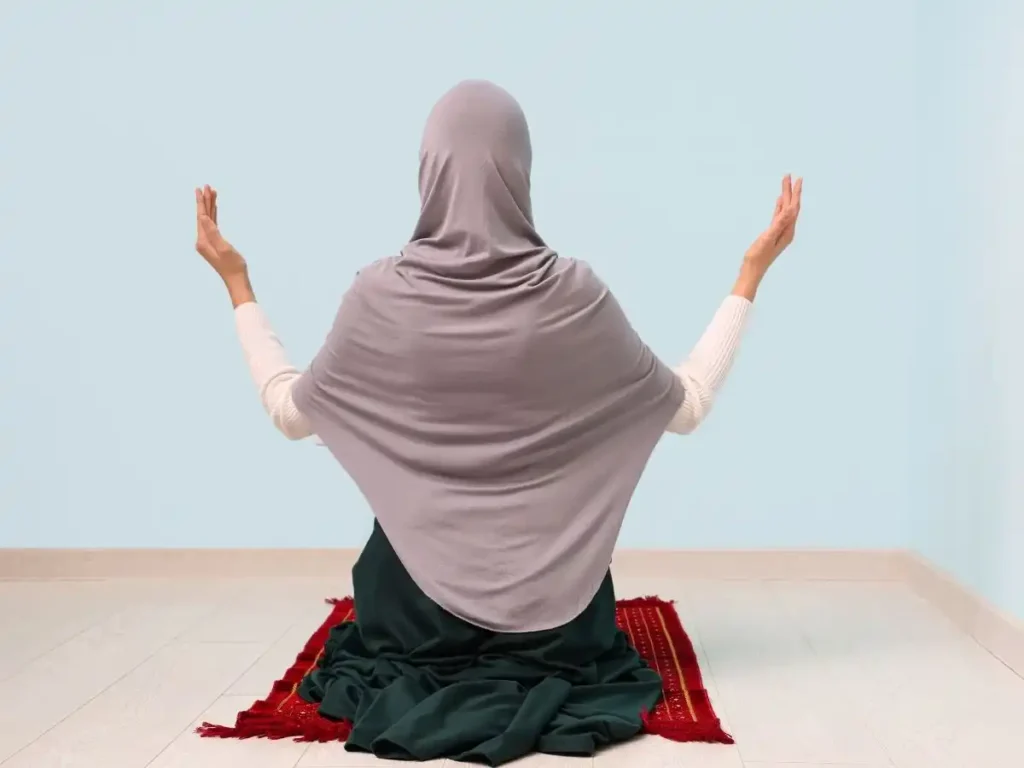
This issue matters because many Muslim girls and women pray together in private spaces. They may be in a house, dorm, madrasah, university room, or travel setting. In those moments, they want to know what is correct, respectful, and closest to the Sunnah.
It also matters because prayer should bring peace, not argument. When a matter has scholarly difference, knowing that difference helps people avoid judging each other too quickly. A Hanafi family may choose one practice, while a Shafi‘i family may choose another, and both may still be acting within the tradition.
Qur’anic Insight
The Qur’an does not give a step-by-step legal procedure for women leading women in congregational prayer. But it does clearly show that believing men and believing women share responsibility in faith, worship, obedience, and spiritual growth.
Qur’an Reference 1
Surah Al-Tawbah 9:71
Transliteration: Wa al-mu’minoona wal-mu’minaatu ba‘duhum awliyaa’u ba‘d…
Short meaning: Believing men and women support one another, establish prayer, and obey Allah and His Messenger.
Qur’an Reference 2
Surah Al-Ahzab 33:35
Transliteration: Innal muslimeena wal muslimaati wal mu’mineena wal mu’minaat…
Short meaning: Allah promises forgiveness and a great reward for faithful men and women alike.
These verses do not settle every fiqh detail, but they give an important insight. Women are fully addressed in worship, devotion, and accountability before Allah. That helps explain why scholars treated women’s congregational prayer as a real juristic issue, not an irrelevant one.
Categories: PRAYER ,ALMS , SAWN & The Holy Quran, Quran Jaz 1- 114
Hadith Evidence
Hadith Reference 1
Sunan Abi Dawud 592
Short meaning: The Prophet ﷺ appointed a mu’adhdhin for Umm Waraqah and instructed her to lead the people of her house in prayer.
Hadith Reference 2
Jami` at-Tirmidhi 224
Short meaning: The Prophet ﷺ taught that row arrangement has adab and order, including special guidance for women’s rows.
Reports gathered by later scholars also mention that ‘A’ishah and Umm Salamah led women in prayer and stood in the middle of the row, not in front like a male imam usually does. That detail became important in fiqh discussions about modesty and proper formation.
The Main Fiqh Positions
Majority View
The majority of jurists allow a woman to lead other women in obligatory and voluntary prayers. They usually say she should stand in the middle of the first row. This position is found in several non-Hanafi discussions and is treated as valid by many scholars.
Hanafi View
In the Hanafi school, women leading women is generally considered disliked, though the prayer is still valid. Hanafi scholars explain the earlier reports as showing limited permissibility, often for teaching or unusual circumstances, rather than a generally encouraged pattern.
What This Means in Practice
So can a girl lead salah if only girls? Yes, according to the majority view. In Hanafi fiqh, however, it is usually better for each woman to pray individually unless there is a reason such as instruction, learning, or practical need.
Similar Posts For You: 5 Time Namaz: Do We Perform Every Rakat Correctly?

Quick Ruling Table
| Situation | Majority scholarly view | Hanafi view | Practical note |
| Girls or women praying together only | Permissible | Valid but disliked | Avoid argument over a known fiqh difference |
| Imam position | Stand in middle of first row | If done, middle is discussed | Do not stand far ahead like a male imam |
| Fard prayer | Permissible | Valid but disliked | Teaching settings may be treated differently |
| Nafl or Tarawih | Permissible | Also generally discouraged | Follow your local scholar or family madhhab |
| Mixed congregation with men | Not allowed in the normal ruling | Not allowed | This article is only about women-only prayer |
The easiest habit is to stay simple, respectful, and informed. If your family follows Hanafi fiqh, follow that consistently. If you follow another school, do not treat the Hanafi caution as ignorance. Fiqh differences need adab.
Benefits of Knowing the Ruling
- It removes confusion in homes and study circles.
- It helps girls learn correct prayer formation.
- It teaches respect for madhhab differences.
- It prevents harsh judgment over secondary issues.
- It turns a debated topic into a calm, teachable matter.
For general learning, many readers also benefit from reputable Islamic educational sites such as IslamQA, AboutIslam, and trusted forums like IslamicTeachings. Some people also read articles on QuranMualim for introductory material, but fiqh questions should still be checked against qualified scholarship.
Simple Checklist
- Make sure the congregation is women only.
- Know your school’s ruling before organizing it regularly.
- If following the majority view, the imam stands in the middle of the row.
- Keep recitation calm and appropriate to the setting.
- Do not turn a difference of fiqh into a fight.
Hanafi Fiqh Books to Consult
- Al-Hidayah
- Maraqi al-Falah
- Radd al-Muhtar
- I‘la al-Sunan
Similar Posts For You: Are We Praying 2 Rakat The Right Way?
FAQ
Can a teenage girl lead adult women in prayer?
Yes, if she is able to pray correctly and the group accepts her. The main issue is sound recitation and correct prayer, not age alone.
Is the prayer invalid if women pray behind a female imam?
According to the majority, it is valid. In the Hanafi school, it is still valid, though usually considered disliked in ordinary situations.
Where should the female imam stand?
She should stand in the middle of the first row with the women, not clearly ahead like a male imam in a standard congregation.
Can women do this for Tarawih too?
Many scholars allow it in women-only settings. Hanafi scholars still tend to discourage making it a regular congregational pattern.
What should I do if my family follows a different opinion?
Follow your family’s reliable local scholar and keep good manners. This is a fiqh issue with recognized disagreement, so respect matters greatly.
Conclusion
The strongest takeaway is simple: can a girl lead salah if only girls has more than one recognized fiqh answer. The majority allow it. The Hanafi school usually discourages it, while still counting the prayer as valid. Once that is understood, the confusion becomes much smaller.
A good Muslim does not only look for a ruling. A good Muslim also learns balance, humility, and adab. When prayer is approached with knowledge and sincerity, it brings hearts together instead of pushing people apart.
Similar Posts For You:
- Wudu (Step-by-Step)
- Fajr Prayer (How to Perform)
- Zuhr Prayer (How to Perform)
- Asr Prayer (How to Perform)
- Maghrib Prayer (How to Perform)
- Isha Prayer (How to Perform)
- Sunnah Prayers in Islam (Types)
- How To offer Nafl Namaz The Right Way?
- Learn Dua For Namaz e Janaza Step by Step Guide