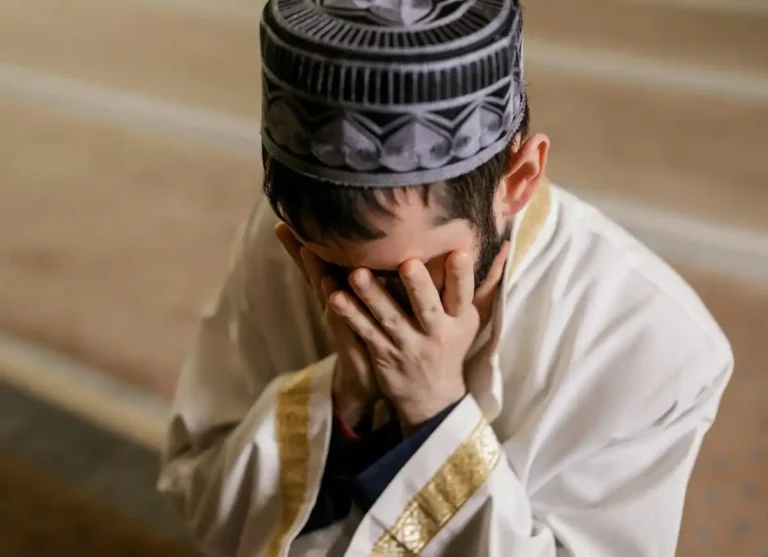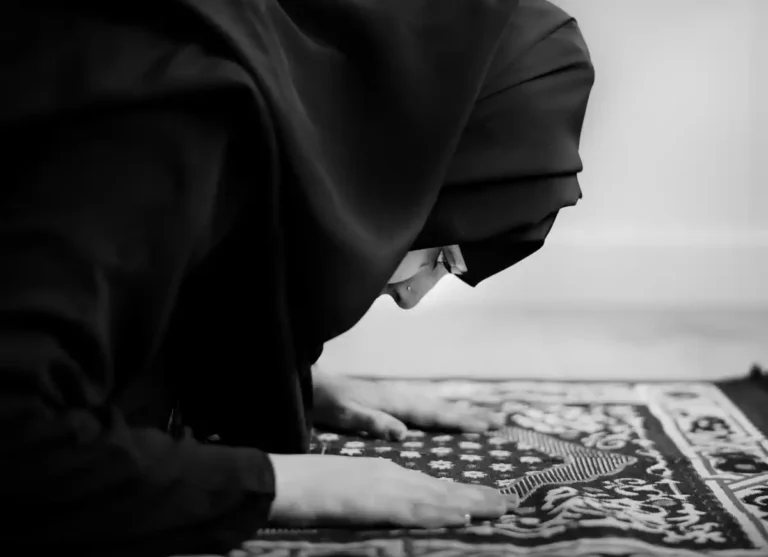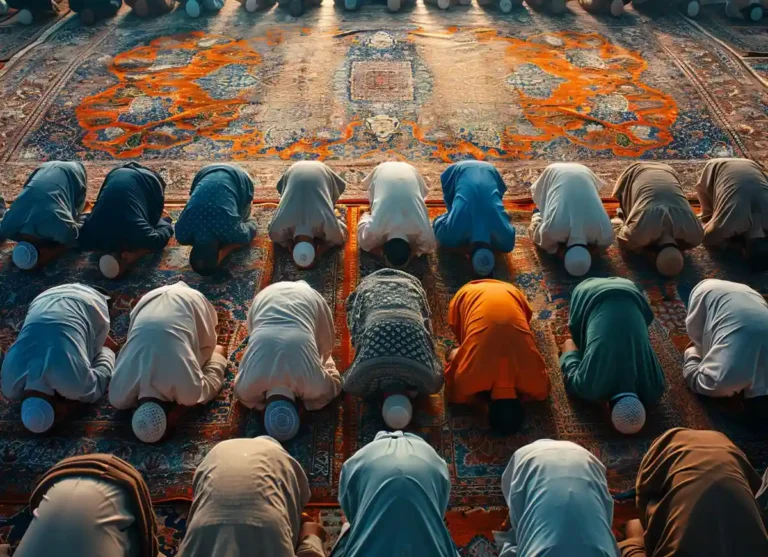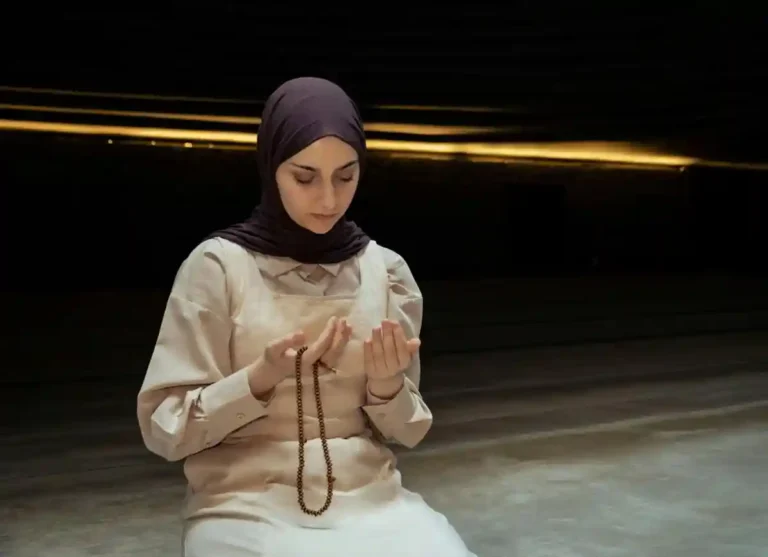
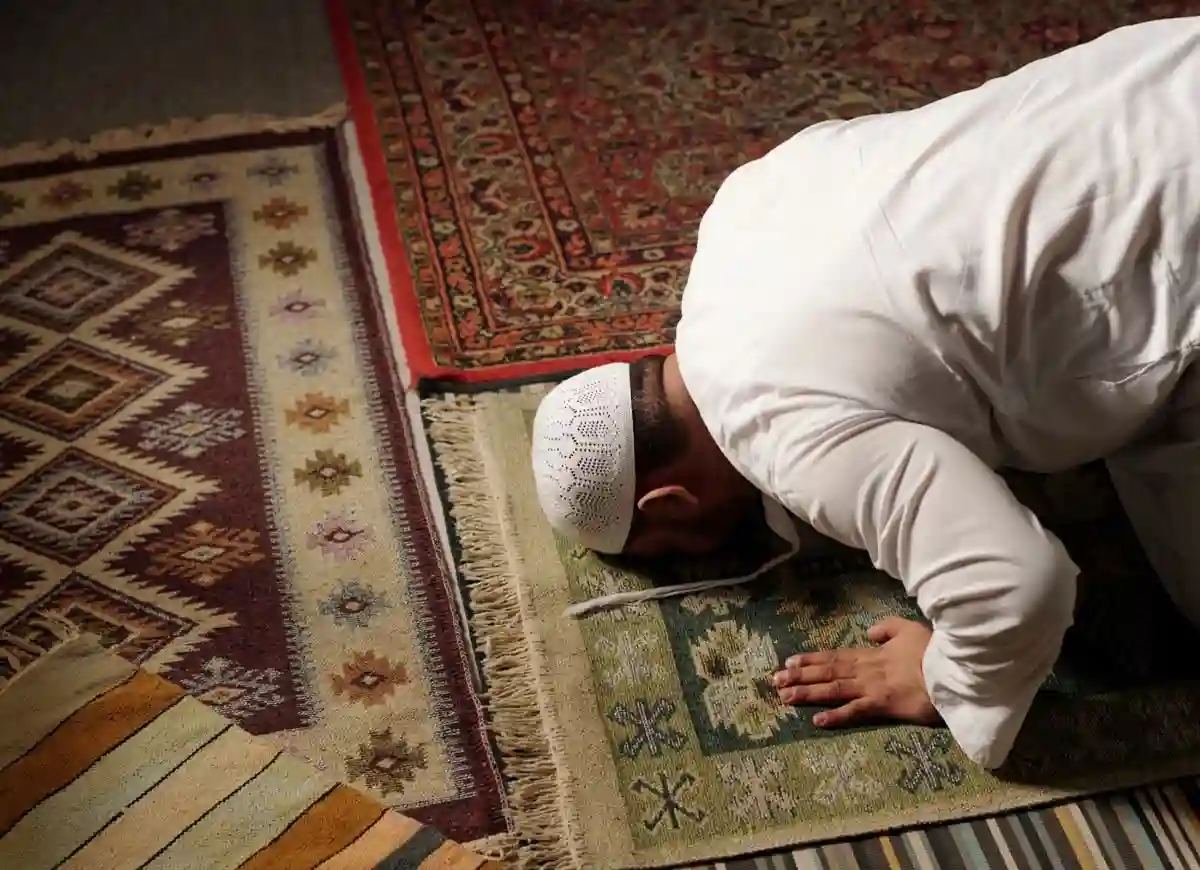

How do you pray namaz? is a question many Muslims ask when they feel unsure about the “right order” or worry they might be missing something important. The confusion is common, especially for beginners, busy people, or anyone returning after a gap. The good news is that the basics are clear, repeatable, and easy to learn with practice.
Problem → insight → solution
Many people want to pray namaz but get stuck on small details: where to start, what to say, and what breaks the prayer. The insight is simple: the Qur’an sets the importance and timing, and the Sunnah shows the method. The solution is a checklist, a table, and habit tips you can follow daily.
Why Namaz matters in everyday life
Namaz is not just a ritual. It is a daily meeting with Allah that keeps faith alive through real life pressure. People who guard their prayers often feel more discipline, more patience, and a stronger sense of direction. It becomes a calm anchor, even on stressful days.
Also Read: How Many Rakats Are in Zuhr? Your Quick Guide
Benefits you can actually feel
- A stable routine that improves self-control
- A calmer heart through regular remembrance
- Cleaner habits around time and discipline
- More focus and gratitude in daily life
- Stronger connection to Qur’an and dua
Two Qur’an references (short and motivating)
Qur’an Reference 1
Surah An-Nisa (4:103)
Transliteration: Inna as-salata kanat ‘ala al-mu’minina kitaban mawquta.
Meaning: Prayer is a duty on believers at appointed times.
Qur’an Reference 2
Surah Al-‘Ankabut (29:45)
Transliteration: Wa aqimi as-salata; inna as-salata tanha ‘anil-fahsha’i wal-munkar.
Meaning: Establish prayer; it helps keep a person away from shameful and wrong actions.
The core idea: what makes a prayer valid
Different schools explain details, but the main structure stays the same. A simple way to think is: you prepare, you stand, you recite, you bow, you prostrate, and you finish properly. If you keep this sequence, your prayer becomes consistent and confident.
Categories: PRAYER ,ALMS , SAWN & The Holy Quran, Quran Jaz 1- 114
Before you begin
- Make wudu with care
- Wear clean, modest clothes
- Pray in a clean place
- Face the Qiblah
- Make a clear intention in your heart
Step-by-step: the basic prayer cycle (one rak‘ah)
This is the beginner-friendly flow you repeat in every rak‘ah.
- Intention (niyyah) in the heart
- Takbir: Say “Allahu Akbar” and start standing
- Recitation while standing (including Al-Fatihah, then a short surah)
- Ruku‘ (bowing) with remembrance
- Stand up straight briefly
- Sujood (prostration) twice with remembrance
- Move into the next rak‘ah or sit at the end
This same skeleton works across all daily prayers.
What you say in the prayer (keep it practical)
Many learners get overwhelmed by long lists. Start with the essentials, then improve over time. If you can recite Al-Fatihah and one short surah, you can build a stable routine and grow gradually.
Simple recitation plan for beginners
- Learn Al-Fatihah well
- Add short surahs like Al-Ikhlas, Al-Falaq, An-Nas
- Keep your pace calm, not rushed
- Focus on meaning as you improve
Two Hadith references (Kutub al-Sittah rotation)
Hadith 1 (Sahih al-Bukhari)
Sahih al-Bukhari 631
Meaning: The Prophet ﷺ taught, “Pray in the way you have seen me pray, and follow the prayer method with order and leadership in congregation.”
Hadith 2 (Sahih Muslim)
Sahih Muslim 85e
Meaning: One of the best deeds is to pray at its proper time, showing that prayer is not meant to be delayed casually.
Also Read: How to Pray Salah: Step-by-Step Guide (Wudu + Fajr, Zuhr, Asr, Maghrib, Isha)

Suitable sites table (for learning and checking)
| Site | Best use | Notes |
| islamicteachings.org/forum | Community discussion | Helpful for practical questions and experiences |
| islamqa.info/en | Quick Q&A | Useful for direct answers (check context and madhhab) |
| islamic-relief.org.uk | Beginner guides | Clear learning articles reviewed by scholars |
| muslim.sg | Step-by-step learning | Friendly beginner format and reminders |
| quranmualim.com | General Islamic reading | Some learners mention it for basic topics |
A simple checklist you can follow today
Use this whenever you feel unsure.
- Wudu done
- Qiblah direction checked
- Intention in the heart
- Takbir to start
- Al-Fatihah recited
- Ruku‘ done calmly
- Two sujood completed
- Final sitting and salam done
If you keep this checklist, confidence comes fast. This is also the easiest way to learn without overthinking.
External links (exactly 3, placed naturally)
If you want background reading that explains the concept clearly, Wikipedia’s overview of Salah is a good start: For broader context on Islamic practice, Britannica’s entry on prayer in Islam is helpful.
For a beginner-friendly “how to pray” walkthrough, this Islamic Relief guide is clear and structured.
Hanafi fiqh book titles (titles only)
- Al-Bahr al-Ra’iq
- Majma‘ al-Anhur
- Al-Fatawa al-Tatarkhaniyya
- Al-Jami‘ al-Saghir (Muhammad al-Shaybani)
- Sharh al-Jami‘ al-Saghir
Also Read: How To Pray Complete Namaz With Urdu translation Step by Step

FAQ
What if I don’t know Arabic well yet?
Start with what you can, learn steadily, and don’t quit. Memorize Al-Fatihah first, then add short surahs step by step.
Do I have to pray in the masjid for it to count?
Praying in the masjid has a great reward, but prayer at home is valid. Try to join the congregation when it’s realistic and safe.
What breaks the prayer quickly?
Talking on purpose, laughing loudly, and big unnecessary movements can break it. If you’re unsure, learn the basic “do’s and don’ts” from trusted sources.
How many rak‘at are there in daily prayers?
Each prayer has its set rak‘at. A simple chart from your local masjid timetable or a trusted guide helps you memorize them easily.
How can I stop feeling distracted in prayer?
Pray a little slower, understand what you recite, and reduce noise around you. Consistency builds focus over time, not overnight.
Conclusion
how do you pray? Namaz becomes much easier once you stop chasing perfection and start following a simple, repeatable structure. Learn the core steps, use the checklist, and pray on time as often as you can. With steady practice, your prayer will feel natural, calm, and deeply meaningful—one day at a time.
- How Many Rakats For Fajr Prayer?
- How Many Rakats For Zuhr Prayer?
- How Many Rakats For Asr Prayer?
- How Many Rakats For Maghrib Prayer?
- How Many Rakats For Isha Prayer?
- Are We Praying 2 Rakat The Right Way?
- Are You Sure You Know The Chart of Namaz Rakat?
- How Do You Pray Fajr Namaz? Don’t Miss This Guide
- Are You Praying on Time? Hanafi Namaz Time Guide?
- 5 Time Namaz: Do We Perform Every Rakat Correctly?
- Do You Know the Right Way? Fajr Namaz Step by Step
- Dua After Fard Namaz – Is This Your Powerful Moment?
- Fajr Namaz Rakat – Are You Sure You’re Doing It Right?
- Dua Before Namaz – Are You Starting Salah The Right Way?