


Lower your gaze is a phrase every Muslim hears growing up, yet very few people can explain what it actually requires. Some think it means never looking at anyone. Others think it’s only about avoiding stares at strangers. This gap between the phrase and its real meaning causes a lot of unnecessary confusion, especially for young Muslims trying to live correctly in a world full of visual temptation.
The good news is that Islam doesn’t leave this vague. The Quran and Hadith both explain what does it mean to lower your gaze, why it matters, and how to actually practice it day to day. Once you understand the reasoning behind it, the instruction stops feeling restrictive and starts feeling protective.
Why Lowering the Gaze Matters
The eyes are often the very first step toward sin. A glance can turn into a thought, a thought into a desire, and a desire into an action nobody intended to take. Islam addresses the root of the problem instead of waiting for it to grow. That’s the real wisdom behind this command.
There are personal benefits too. People who guard their gaze often report calmer minds, stronger focus in worship, and healthier relationships. It removes a major source of guilt and distraction. It also protects marriages and friendships from the kind of comparison and temptation that unchecked looking tends to create.
See this book on Amazon: Don’t Be Sad by Aaidh ibn Abdullah al-Qarni
What Does It Mean to Lower Your Gaze in Islam
At its core, what does lower your gaze mean is simple: avoid staring at anyone in a way that involves desire, and don’t let your eyes linger on something they shouldn’t. It’s not about walking around with your head down. It’s about self-control and intention.
Islam recognizes that an accidental glance can happen to anyone. Walking through a crowded street, your eyes will land on people around you. The rule isn’t about that first unintended look. It’s about what happens next — whether you turn away or let your eyes stay.
Also Read: Modesty: A Fashion Paradox by Hafsa Lodi

The Quran on Lowering the Gaze
The Quran gives clear direction to both men and women on this matter, treating it as a shared responsibility rather than a rule for one gender alone.
Surah An-Nur, Ayah 30 Allah tells believing men to lower their gaze and guard their modesty, since this keeps them pure. Read on Quran.com
Surah An-Nur, Ayah 31 Allah gives the same instruction to believing women, telling them to lower their gaze and protect their modesty as well. Read on Quran.com
Notice that both verses appear back to back. Islam doesn’t single out one gender for blame — it asks everyone to take responsibility for their own eyes.
What Hadith Teaches About This Habit
Hadith literature adds practical depth to the Quranic instruction, showing how the Prophet ﷺ guided companions through real-life situations.
Sunan an-Nasa’i, Hadith 3209 The Prophet ﷺ told young men that marriage helps a person lower the gaze and protect their chastity, and recommended fasting for those unable to marry. Read on Sunnah.com
Sunan Ibn Majah, Hadith 4181 The Prophet ﷺ said every religion carries its own defining trait, and the defining trait of Islam is modesty. Read on Sunnah.com
Together, these hadiths show that lowering the gaze isn’t an isolated rule. It’s connected to marriage, chastity, and the broader Islamic value of modesty in everyday life.
Also Read: The Commandments of Islamic Hijab – Learn Islam
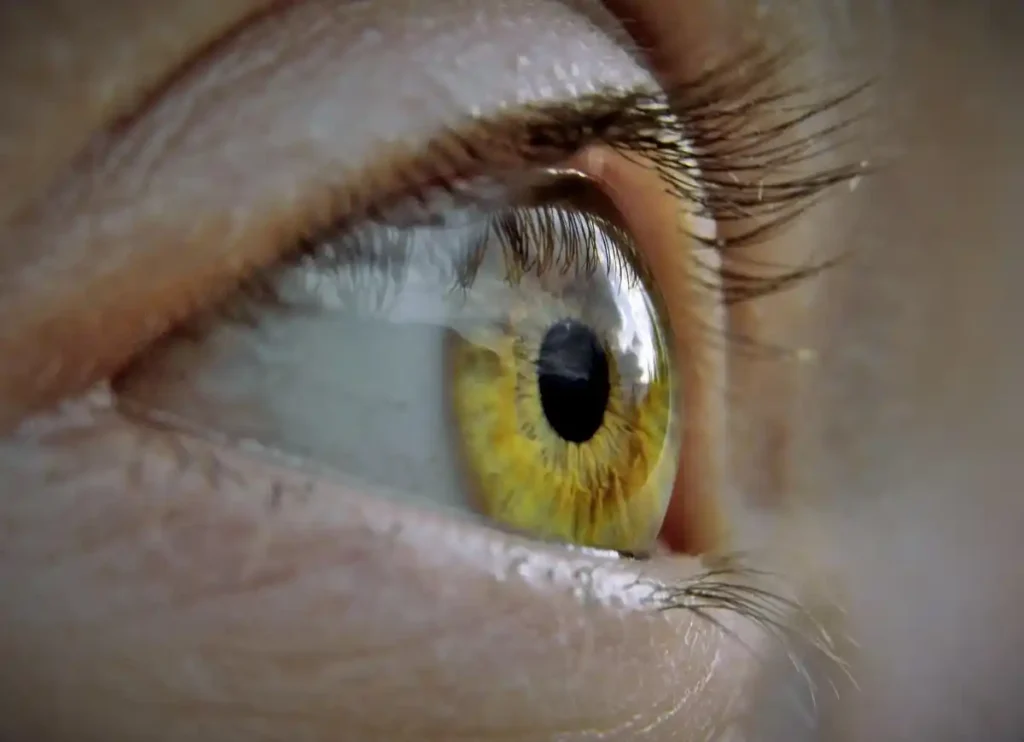
Prohibition to Look at Non-Mahram Women
Islamic scholars agree that men are not permitted to stare at non-mahram women — meaning women they could lawfully marry — beyond an accidental first glance. The same principle applies to women regarding non-mahram men. This isn’t about assuming the worst of people. It’s about closing a door before it becomes a problem.
Exceptions exist for necessary situations, such as medical treatment, testimony in court, or looking at a potential spouse before marriage with modesty and purpose. Outside of these cases, deliberate staring is considered a violation of this Quranic command.
How to Lower Your Gaze: A Practical Checklist
Turning this instruction into a daily habit takes practice. Here’s a simple approach that works for most people:
- Notice the moment your eyes linger and consciously look away
- Avoid environments designed to pull your attention toward temptation
- Keep your phone and browsing habits in check, since screens count too
- Busy your mind with dhikr or a task when tempted to look again
- Remember the second glance is the one that carries responsibility
Also Read: What is The Concept of Modesty and Honor in Islam?
A Quick Reference Table
| Situation | Islamic Guidance |
| Accidental first glance | Forgiven, but must not be repeated |
| Deliberate staring | Not permitted for men or women |
| Medical or legal necessity | Permitted within limits |
| Looking at a spouse candidate | Allowed with modesty and clear intent |
| Digital content (photos, videos) | Same rules apply as in-person glances |
For readers who want deeper scholarly detail on this topic, IslamQA and the Islamic Teachings Forum both offer thorough answers to common questions on modesty and gaze.
Recommended Hanafi Fiqh Books
For those wanting more structured fiqh reading on modesty and personal conduct, these titles are commonly found in Islamic libraries and archives:
- Bahishti Zewar by Maulana Ashraf Ali Thanvi
- Fiqh-us-Sunnah (Hanafi commentary editions)
- Nur al-Idah by Hasan ibn Ammar al-Shurunbulali
- Maraqi al-Falah Sharh Nur al-Idah
Historical and General Background
According to Wikipedia, modesty codes across Islamic scholarship generally address both physical covering and the discipline of the gaze as connected concepts. Britannica also describes modesty practices in Islam as extending beyond clothing into broader standards of behavior between men and women.
If you’re interested in more everyday guidance rooted in Quran and Sunnah, articles on www.quranmualim.com cover similar personal conduct topics in detail.
Categories: PRAYER ,ALMS , SAWN & The Holy Quran, Quran Jaz 1- 114

Frequently Asked Questions
What does it mean to lower your gaze in Islam?
It means avoiding deliberate staring at someone in a way involving desire, and looking away after an accidental first glance instead of continuing to look.
Is an accidental glance considered a sin?
No. Scholars agree the first unintended glance is forgiven. The sin begins if a person deliberately looks again after realizing what they saw.
Does lowering the gaze apply to women too?
Yes. The Quran instructs both men and women separately in Surah An-Nur, making this a shared responsibility rather than a rule for one gender.
Can you look at someone before marriage?
Yes, within limits. Islam permits a modest, purposeful look at a potential spouse to help both parties make an informed decision about marriage.
Does this rule apply to phones and screens?
Yes. Scholars generally treat images and videos the same as real-life glances, since the same temptation and consequences apply either way.
Final Thoughts
Lowering the gaze isn’t about restriction for its own sake. It’s a small daily discipline that protects the heart, strengthens self-control, and keeps relationships built on respect rather than temptation. Once practiced consistently, it becomes less of a rule and more of a quiet strength that stays with you everywhere you go.