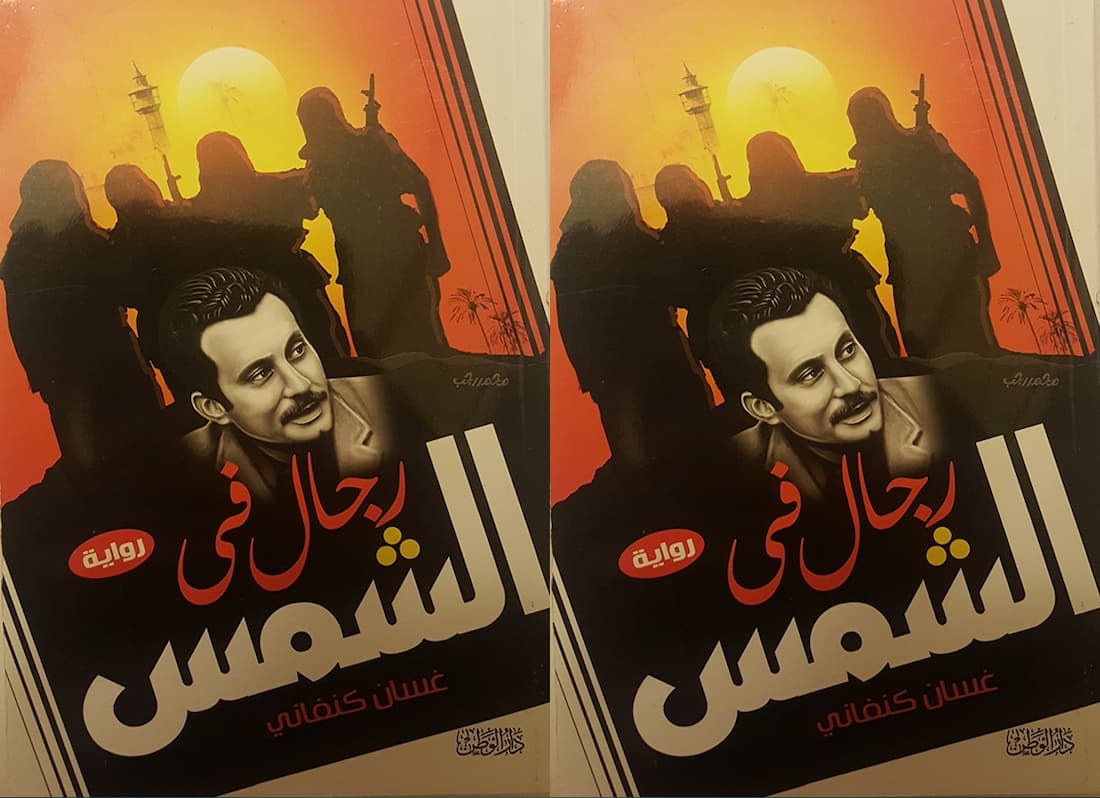

Men under the Sun: Ghassan Kanafani was a great writer, and he wrote some outstanding novels that won for him long-lasting popularity not only in the Arabian countries but also in the European countries wherever the good work of literature is read and appreciated.
“Men in the Sun” is one of the finest novels by Ghassan Kanafani. It won international fmae and popularity in the world of literature. “Men in the sun” summary is available in many forms on the internet and in printed form as well. Aware of the hardships of life and its requirements to go through the role each person is endowed with, the author has described the harh realities of life and the courage to face and overcome these hardships
غسان كنفاني كاتب هذه الرواية يمثل نموذجا خاصا للكاتب السياسي ،
Want to Read
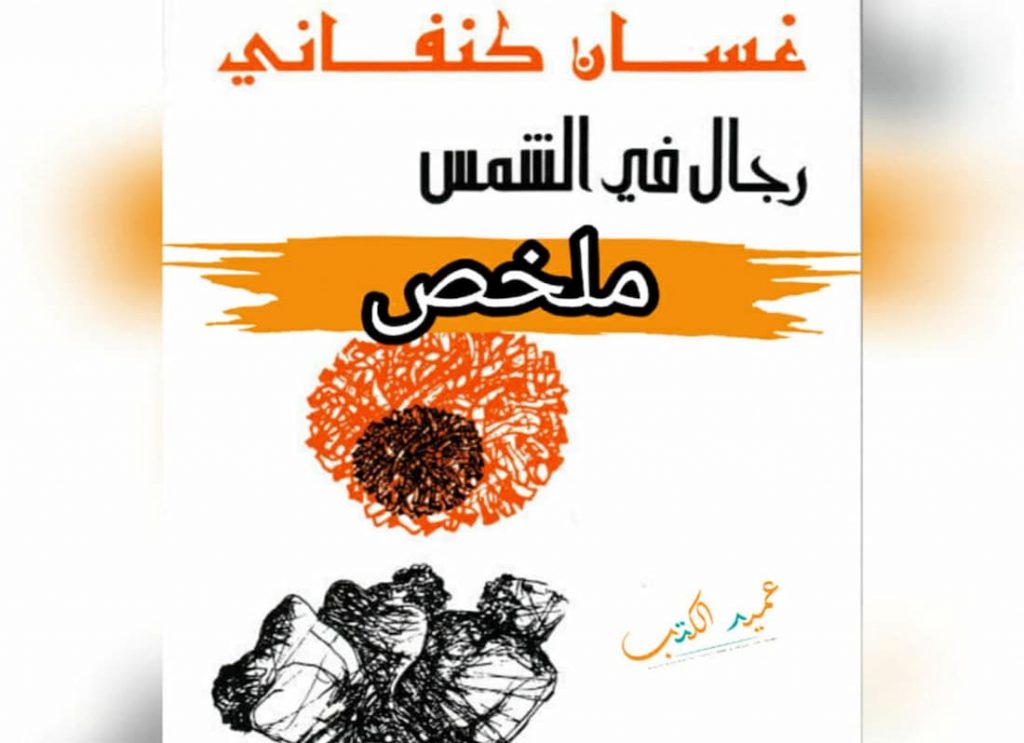
Share Men Under the Sun رجال في الشمس by غسان كنفاني
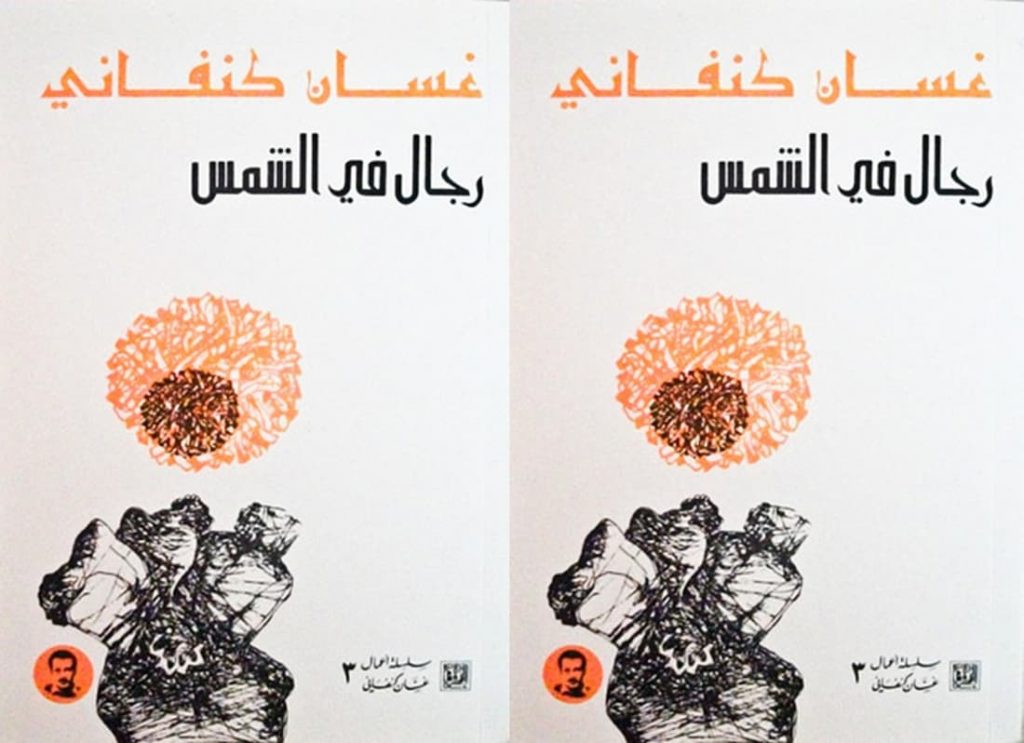
Men Under the Sun رجال في الشمس is a good Arabic language book for Arabic readers. The Men under The Sun paperback only. Top Seller Arabic Book
Want to Read
Ghassan Kanafani was born in Acre on the northern Mediterranean coast of Palestine in 1936. After his own circle of relatives moved to Jaffa, Kanafani attended a French Catholic faculty. His father, an attorney and anti-British Mandate activist, was expelled to Acre at the beginning of the 1936 Palestinian revolt. In 1948, when Kanafani turned 12 years old, his relatives fled empty-handed from Acre to a small village in southern Lebanon, which is close to the border. They hoped to go back to their own village after the prevention ended. Overnight lifestyles modified drastically, with his own relatives plummeting from the top to the below class. In 1952, Kanafani’s father, with his relatives, moved to Damascus, Syria, in which Kanafani labored at some point of the day and persevered his research at night. He earned his high-faculty certificate, and then enrolled in Damascus University
 樂威壯
樂威壯
afani men in the sun” loading=”lazy” srcset=”https://www.quranmualim.com/wp-content/uploads/2021/11/Men-Under-the-Sun-رجال-في-الشمس-by-غسان-كنفانيa-1024×743.jpg 1024w, https://www.quranmualim.com/wp-content/uploads/2021/11/Men-Under-the-Sun-رجال-في-الشمس-by-غسان-كنفانيa-300×218.jpg 300w, https://www.quranmualim.com/wp-content/uploads/2021/11/Men-Under-the-Sun-رجال-في-الشمس-by-غسان-كنفانيa-768×557.jpg 768w, https://www.quranmualim.com/wp-content/uploads/2021/11/Men-Under-the-Sun-رجال-في-الشمس-by-غسان-كنفانيa-324×235.jpg 324w, https://www.quranmualim.com/wp-content/uploads/2021/11/Men-Under-the-Sun-رجال-في-الشمس-by-غسان-كنفانيa-696×505.jpg 696w, https://www.quranmualim.com/wp-content/uploads/2021/11/Men-Under-the-Sun-رجال-في-الشمس-by-غسان-كنفانيa.jpg 1100w” sizes=”(max-width: 696px) 100vw, 696px” width=”696″ height=”505″>
Attracted to journalism, Kanafani contributed to some periodicals, which include al-Ra’y (The Opinion), the organ of the Arab Nationalist Movement (ANM). In 1955 Kanafani traveled to Kuwait to get education in artwork and sports activities in a central authority faculty for 6 years.
There he met devastation about research he had an extreme form of diabetes that entailed daily insulin injections, which he self-administered till the death of his lifestyle: “When I turned twelve, simply as I started out to understand the meaning of lifestyles and nature round me, I was hurled down and exiled from my very own country.
And now, simply as I actually have started to understand my path… alongside comes “Mr. Diabetes,” who wants, in all simplicity and arrogance, to kill me” (Kanafani, Palestine’s Children, p. 5). In 1960 George Habash, founding father of the Popular Front for the Liberation of Palestine (PFLP), convinced Kanafani to go from Kuwait for Beirut, Lebanon, to paint on al-Hurriyah (The Freedom).
Here the author met and married the Danish instructor Ann Hoover, and the couple had a son and daughter. Kanafani joined numerous greater newspapers, turning into editor-in-chief of the al-Muharrir (The Liberator), publishing the weekly Filastin (Palestine), and serving at the editorial board of the daily al-Anwar (The Lights) and as editor-in-leader of its weekly magazine.
In 1969 Kanafani left the safety of his task at al-Anwar to post the weekly al-Hadaf (The Goal), the organ of the PFLP. He stepped into the task of legit spokesman for the PFLP in 1970. Kanafani was killed with the help of using a automobile bomb on July 8, 1972. From his perspective, his political pursuits had been constantly tied to his literary career. “Insofar as I am concerned, politics and the radicals are indivisible cases” (Kanafani in Wild, p. 13). His novella stays a biting instance of this indivisibility and of the Palestinian author-activist’s point of view.
Ghassan Kanafani, the author of this novel, represents a special model for the political writer, novelist, storyteller, and critic. He was creative in his writings as he was in his life, struggle, and martyrdom. In 1966, he won the Book Friends Award in Lebanon for “the best novel about his novel” What’s Left for You, as well as the International Journalists Organization (IOJ) award in 1974 and the “Lotus” award granted by the Union of Asian and African Writers in 1975. His novels are men