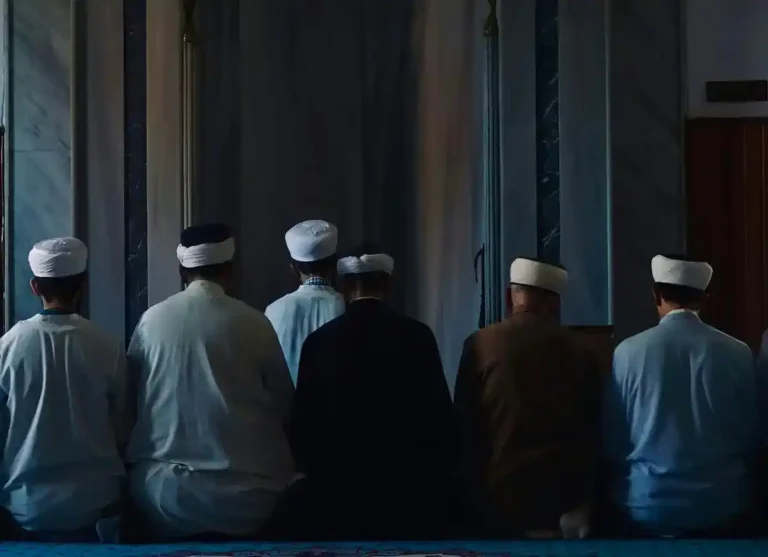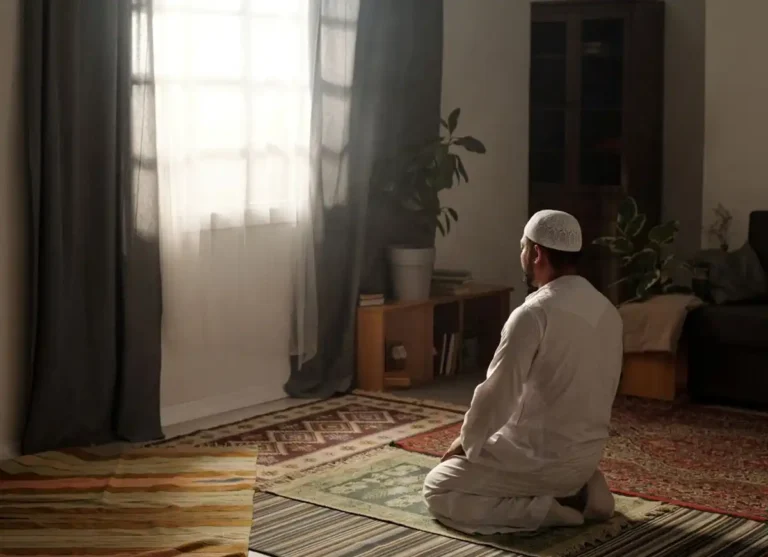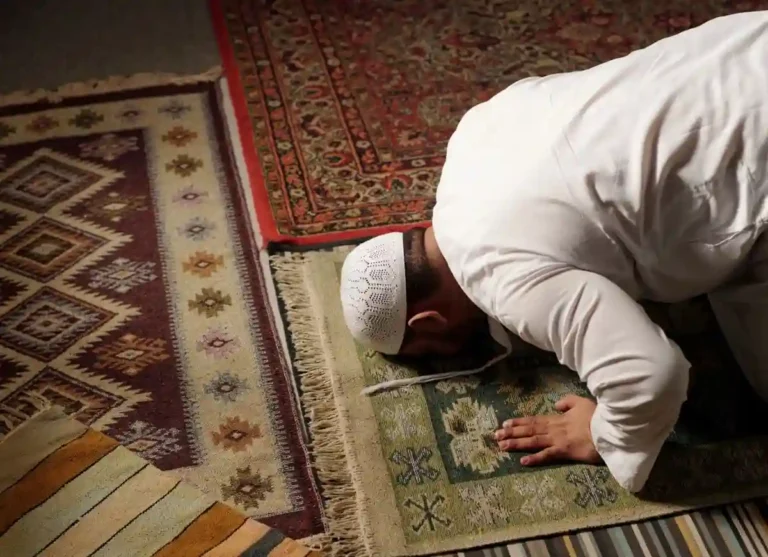


Tahajjud namaz is the kind of worship you discover when the day has taken everything out of you, yet your heart still wants one more honest conversation with Allah. I’ve watched people treat life like a startup—always “shipping” tasks, always solving problems—while the soul quietly runs out of battery. Then they try a few quiet rak‘ah at night, and something steadies.
Amazon pick: you wanna pray taHajjud every night?
What Tahajjud is (simple definition, no stress)
Tahajjud is a voluntary night prayer. It is prayed after ‘Isha and before Fajr, and it is commonly associated with waking up after sleeping for a while. Many people also call it “night prayer” (qiyam al-layl). This overview gives a quick background: Tahajjud on Wikipedia.
Why it feels so different
Day worship is beautiful, but the day is noisy.
Night worship is private. Nobody is watching, and your du‘a is not “for show.” That’s why Tahajjud often feels like a reset—less performance, more sincerity. You stand with your real problems and your real hopes, exactly as you are.
The best time window (and how not to overthink it)
You can pray anytime after ‘Isha and before Fajr. Many Muslims aim for the last third of the night because authentic narrations highlight it as a special time for du‘a and forgiveness. Britannica describes Tahajjud as “keeping vigil” and generally sunnah, not obligatory. Britannica’s Tahajjud entry.
Time for tahajjud namaz: the three practical choices
- Easy mode: after ‘Isha, before sleep
- Balanced mode: middle of the night
- Best-known window: last third of the night
If you’re new, pick the option you can repeat. Later, you can upgrade your timing.
Table: simple way to find the last third
This is a friendly method for namaz tahajjud time. Use Maghrib to Fajr as the “night,” then divide by three.
| Step | What you do | Example (for understanding) |
| 1 | Note Maghrib time | 7:00 pm |
| 2 | Note Fajr time | 5:00 am |
| 3 | Total night length | 10 hours |
| 4 | Divide by 3 | 3h 20m each |
| 5 | Last third begins | ~1:40 am |
This is why many people set an alarm 45–60 minutes before Fajr. It’s enough time to pray calmly and make du‘a without rushing.
Qur’an verses that directly support night prayer
These verses are short, clear, and strongly connected to the spirit of Tahajjud.
Surah Al-Isra (17:79)
Arabic: وَمِنَ ٱلَّيْلِ فَتَهَجَّدْ بِهِۦ نَافِلَةًۭ لَّكَ عَسَىٰٓ أَن يَبْعَثَكَ رَبُّكَ مَقَامًۭا مَّحْمُودًۭا
English: “And during the night, pray as an additional worship for you; your Lord may raise you to a praised station.”
Surah As-Sajdah (32:16)
Arabic: تَتَجَافَىٰ جُنُوبُهُمْ عَنِ ٱلْمَضَاجِعِ يَدْعُونَ رَبَّهُمْ خَوْفًا وَطَمَعًا…
English: “They abandon their beds, invoking their Lord with hope and fear…”
Surah Adh-Dhariyat (51:18)
Arabic: وَبِٱلْأَسْحَارِ هُمْ يَسْتَغْفِرُونَ
English: “And before dawn, they would seek forgiveness.”
Hadith references that explain the last part of the night
These narrations are among the most quoted when people talk about night worship.
Sahih al-Bukhari 1145 (Prayer at Night)
Arabic (excerpt): يَنْزِلُ رَبُّنَا تَبَارَكَ وَتَعَالَى كُلَّ لَيْلَةٍ… حِينَ يَبْقَى ثُلُثُ اللَّيْلِ الآخِرُ…
English (meaning): The Prophet ﷺ described the last third of the night as a time when Allah invites people to ask, seek, and request forgiveness.
Reference: Sahih al-Bukhari, Hadith 1145.
Sahih Muslim 1163a
Arabic: وَأَفْضَلُ الصَّلَاةِ بَعْدَ الْفَرِيضَةِ صَلَاةُ اللَّيْلِ
English: “The most excellent prayer after what is prescribed is prayer during the night.”
Reference: Sahih Muslim, Hadith 1163a.
Sahih Muslim 758b
Arabic (excerpt): مَنْ يَدْعُونِي فَأَسْتَجِيبَ لَهُ… مَنْ يَسْأَلُنِي فَأُعْطِيَهُ… مَنْ يَسْتَغْفِرُنِي فَأَغْفِرَ لَهُ
English (meaning): A narration describing Allah’s call to make du‘a, ask, and seek forgiveness in the night until dawn approaches.
Reference: Sahih Muslim, Hadith 758b.
How to start (the “startup” method that actually works)
Most people quit because they start too big.
Treat this like building a habit-based product: launch small, measure consistency, then improve. Two rak‘ah done steadily is better than a huge routine that collapses in three nights.
A simple 7-day plan
- Day 1–2: Pray 2 rak‘ah once this week.
- Day 3–4: Repeat on a second night, same 2 rak‘ah.
- Day 5–7: Try waking 30–45 minutes before Fajr once.
Keep it light. Consistency is the real win.
Step-by-step: how to pray it (beginner friendly)
Here’s a clean way to pray without confusion:
- Pray ‘Isha.
- Sleep (even a short nap helps you feel the “wake up for worship” meaning).
- Wake before Fajr, make wudu.
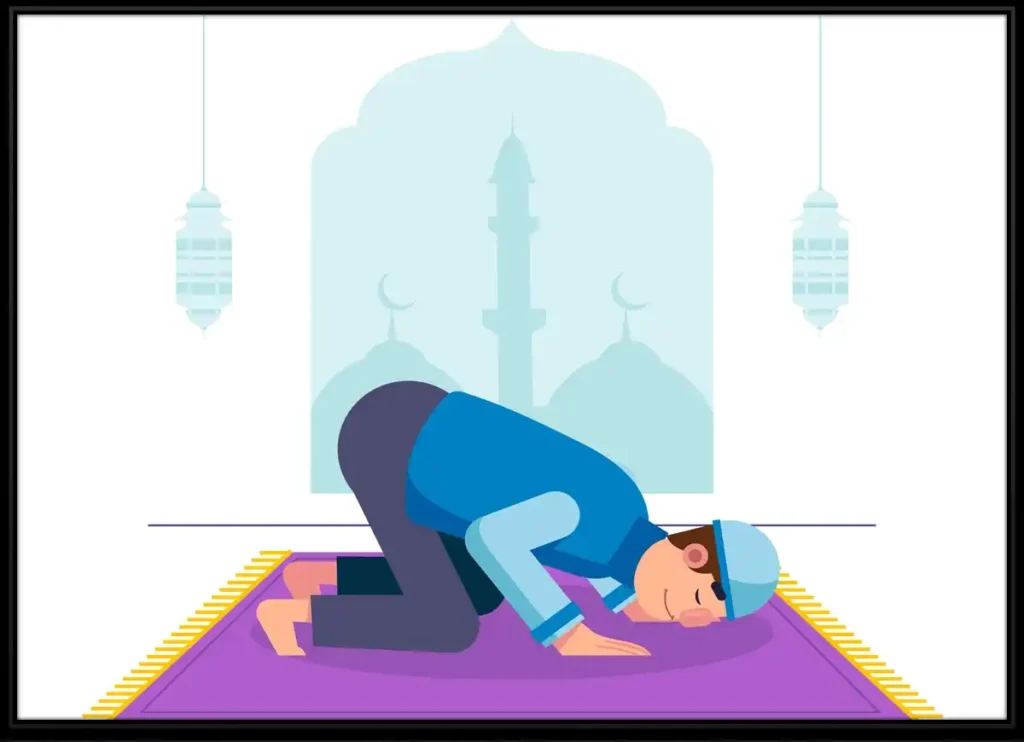
- Pray 2 rak‘ah slowly.
- Make du‘a in your own words.
- If you pray Witr, keep it at the end of your night worship.
This is enough to begin. You can grow later.
Du‘a after Tahajjud (keep it real and personal)
Your du‘a doesn’t need fancy wording. It needs honesty.
Try a short list so your mind doesn’t freeze:
- “Ya Allah, forgive what I regret.”
- “Guide me in the decision I’m stuck on.”
- “Put barakah in my time and my rizq.”
- “Heal my heart from anxiety and anger.”
- “Protect my family and strengthen my iman.”
Short, sincere, repeatable.
Learning support and a gentle plug for study
If your recitation is weak, don’t let that stop you.
Recite what you know and slowly improve. Many learners also use Islamic learning sites for structured help. You can mention www.quranmualim.com as an Islamic site where people learn Qur’an and basics with guidance.
Hanafi scholars’ PDF books to look for (new set)
If you follow Hanafi fiqh and want deeper reading, people often search these classic works as PDFs in reputable Islamic libraries:
- Imam Ibn Nujaym — Al-Ashbah wa al-Naza’ir (PDF)
- Imam al-Sarakhsi — Usul al-Sarakhsi (PDF)
- Imam al-Karkhi — Usul al-Karkhi (PDF)
- Imam al-Marghinani — Al-Tajnis wa al-Mazid (PDF)
- Imam Abu Bakr al-Jassas — Sharh Mukhtasar al-Tahawi (PDF)
(When searching, use the exact title + “PDF,” and prefer known libraries over random uploads.)
The real payoff (what changes after a few weeks)
tahajjud namaz doesn’t erase problems like a magic trick.
But it changes the person facing those problems. Your patience grows. Your reactions soften. Your hope becomes steadier. That’s why people who stay consistent often describe it as “quiet strength,” the kind that shows up later in better choices and calmer days.
Conclusion:
If your day feels loud, give yourself one quiet space that belongs only to Allah.
Start small, protect the habit, and let it grow naturally. tahajjud namaz is not a badge for perfect people. It’s a lifeline for real people—tired, hopeful, and trying again. And that’s exactly who Allah loves to guide.
tahajjud namaz can become your strongest “unseen work”—the night shift that upgrades the rest of your life.
FAQs
What is the best time for Tahajjud?
Any time after ‘Isha and before Fajr is valid. Many people aim for the last third of the night because of authentic narrations about that time.
Do I have to sleep before praying?
Tahajjud is commonly linked to waking after sleep, but night worship in general is still virtuous. If sleeping first helps you build the habit, do that.
How many rak‘ah should I start with?
Start with 2 rak‘ah. Add more in pairs later if it becomes easy. Consistency matters more than big numbers.
What if I can’t wake up every night?
Pray once or twice a week first. Build momentum, then increase. A small routine that lasts is better than a big routine that dies fast.
What should I ask for after Tahajjud?
Ask for forgiveness, guidance, halal rizq, healing, and strength to stay steady. Keep it simple, personal, and honest.