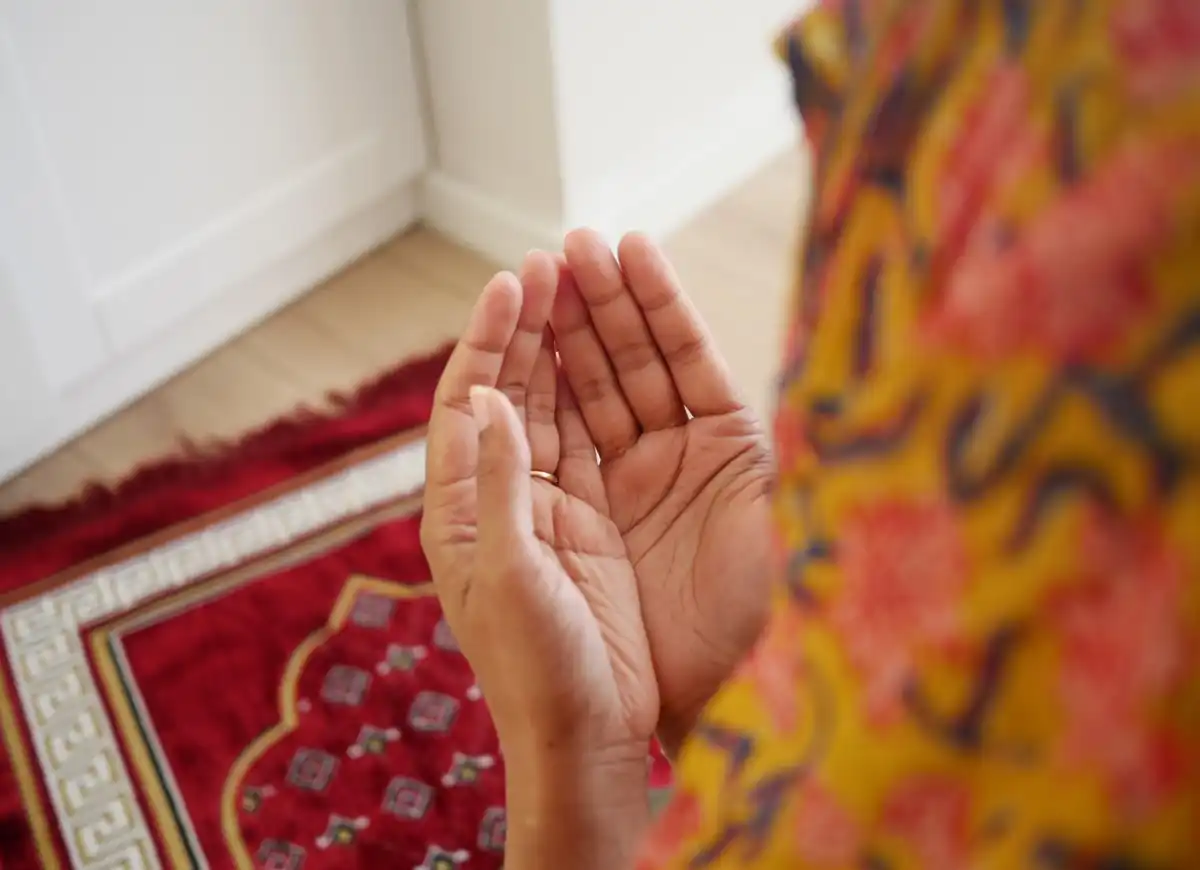

How to do tahajjud namaz becomes a real question when Muslims feel stuck between “I want to wake up” and “I don’t know the exact way.” The night is quiet, the mind is softer, and the heart wants dua—but confusion about timing, rak‘ahs, and intention often stops people from starting. This guide makes it simple.
Problem → insight → solution
The problem is usually practical: sleep schedule, tiredness, and “Am I doing it right?” The insight is that Tahajjud is a voluntary night prayer, loved for its sincerity and privacy. The solution is a clear routine: time window, intention, two-by-two rak‘ahs, and a small habit plan you can repeat.
Why Tahajjud is so powerful
Tahajjud is not one of the five daily fard prayers, but it is a special door of closeness to Allah. Many people feel it gives emotional strength, a cleaner conscience, and hope during difficult times. Even two rak‘ahs can change the tone of your entire day.
Real benefits people often notice
- A calmer heart and fewer anxious thoughts
- Stronger connection with Qur’an and dua
- Better self-discipline and sleep routine
- More sincerity because it’s done quietly
- A feeling of “Allah is with me” in hard times
Two Qur’an references (Quran.com)
Qur’an Reference 1
Surah Al-Isra (17:79)
Transliteration: Wa mina al-layli fatahajjad bihi nafilatan laka…
Meaning: Pray at night as an extra act of worship; it is a special gift of closeness.
Qur’an Reference 2
Surah Al-Muzzammil (73:20)
Transliteration: …faqra’oo ma tayassara mina al-qur’an…
Meaning: Recite what is easy of the Qur’an and establish prayer with consistency.
What Tahajjud is Namaz
Tahajjud is a voluntary night prayer offered after ‘Isha and before Fajr. Many scholars describe the best time as the last part of the night because it encourages sincerity and deep dua. Britannica describes tahajjud as night worship and vigil in Islamic practice.
A common definition also notes it is prayed after sleep, not just “late at night.” Wikipedia summarizes it as a voluntary night prayer done after ‘Isha and before Fajr.
The best time window (simple and realistic)
You can pray anytime after ‘Isha and before Fajr. The most rewarding time is often described as the last third of the night, but don’t let “perfect timing” block you. If you can only wake up 20–30 minutes before Fajr, you can still pray and make meaningful dua.
Easy timing options that work in real life
- Option A: Sleep early, wake up near the last third
- Option B: Wake up briefly before Fajr, pray 2–4 rak‘ahs
- Option C: If you truly fear missing Fajr, pray earlier in the night
How to do tahajjud namaz niyat (intention)
The intention is in the heart. You do not need long sentences. Keep it clear and honest.
Examples you can use:
- “I intend to pray two rak‘ahs of Tahajjud for Allah.”
- “I intend to pray nafl (voluntary) night prayer for Allah.”
This is enough for namaz tahajjud. The goal is sincerity, not complicated wording.
Step-by-step: how Tahajjud is prayed
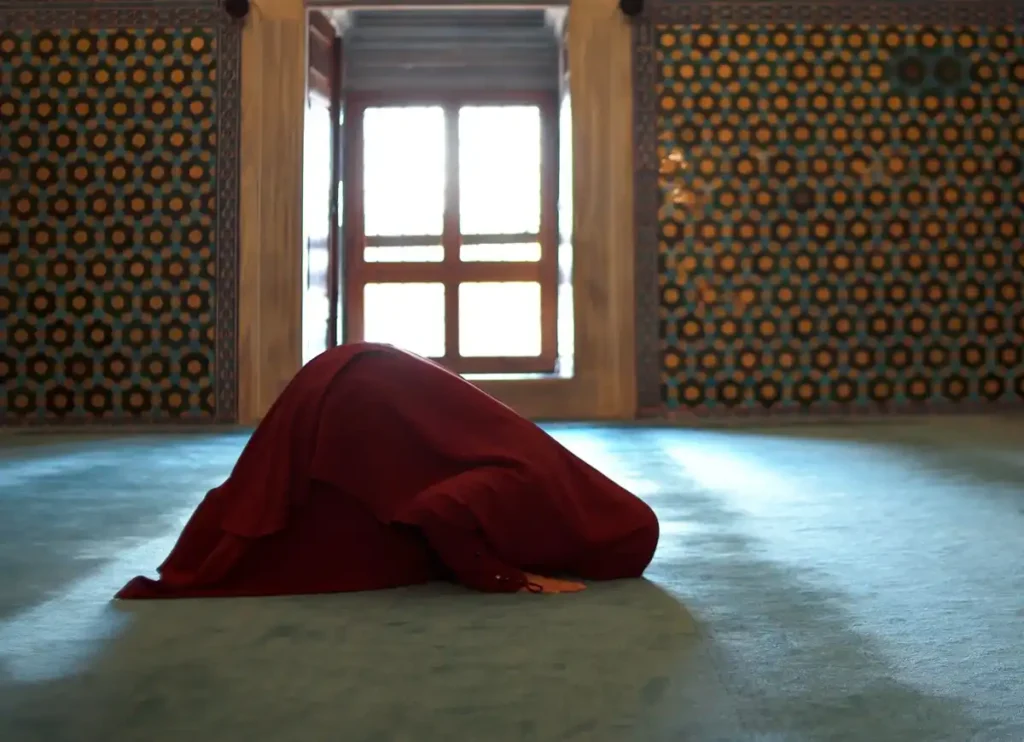
Tahajjud is prayed like other nafl prayers. Many people pray it in sets of two rak‘ahs, then end with salam, then repeat if they want more. The key is calm standing, clear recitation, and unhurried sujood.
One simple 2-rak‘ah Namaz Guide Step by Step
- Make wudu and face the Qiblah
- Intend Tahajjud in your heart
- Say Allahu Akbar to begin
- Recite Al-Fatihah, then a short surah
- Go to ruku‘, then stand up calmly
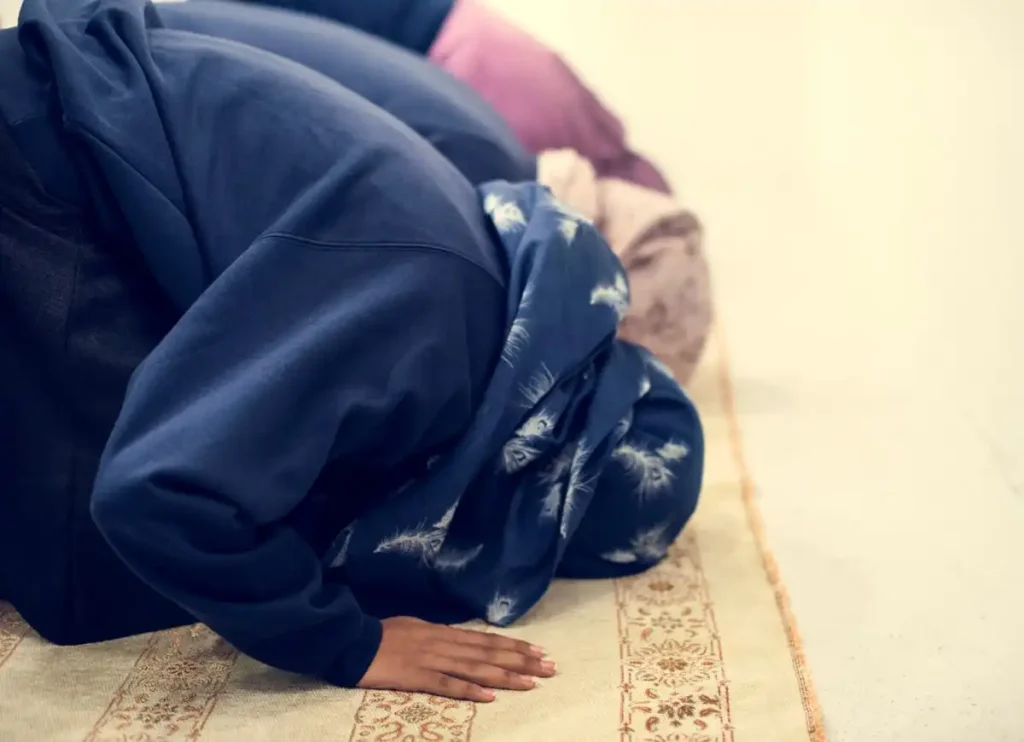
- Do two sujood with steady tasbih
- Second rak‘ah: same flow
- Sit for Tashahhud, durood, and a short dua
- End with salam right and left
If you want to add more, pray another 2-rak‘ah set. Keep it gentle and consistent.
How many rak‘ahs should you pray?
There is no single “must” number like fard prayers. Many people start with 2 and slowly increase. If you are tired, 2 is enough. If you are fresh, pray 4, 6, or more in sets of two. The most important thing is not the count—it’s keeping it regular.
Here is a helpful mindset: “Start small, stay steady, and grow naturally.”
Two Hadith references (rotation: Bukhari + Muslim)
Hadith 1 (Sahih al-Bukhari)
Sahih al-Bukhari 1145
Meaning: In the last third of the night, Allah’s mercy is described in a way that encourages dua, asking, and seeking forgiveness.
Hadith 2 (Sahih Muslim)
Sahih Muslim 1163a
Meaning: The Prophet ﷺ described the most excellent prayer after the obligatory prayers as prayer during the night.
Categories: PRAYER ,ALMS , SAWN & The Holy Quran, Quran Jaz 1- 114
A quick table of suitable sites for learning
| Site | Best for | Simple tip |
| islamicteachings.org/forum | Community questions | Compare answers, then confirm with a scholar |
| islamqa.info/en | Short Q&A | Read carefully and note the context |
| quranmualim.com | Basic Islamic reading | Use for learning, not final rulings |
| Local masjid timetable | Timing support | Helps plan wake-up and Fajr safety |
| A trusted teacher | Correction | Best for fixing repeated mistakes |
Practical habit tips (so you actually wake up)
Most people fail Tahajjud because they try to do too much too fast. Make it easy on yourself.
- Sleep 20–30 minutes earlier
- Set one alarm and place it away from your bed
- Make wudu quickly with warm water if it’s cold
- Pray just 2 rak‘ahs first, then build slowly
- Keep your dua list short and sincere
At least once a week, try a “light Tahajjud night” with only two rak‘ahs and a simple dua. That habit grows.
Hanafi fiqh book
- Umdah al-Fiqh (Hanafi selections in some curricula)
- Al-Fatawa al-Rahimiyyah
- Imdad al-Fattah Sharh Nur al-Idah
- Hashiyah al-Tahtawi ‘ala Maraqi al-Falah
- Al-Lubab fi Sharh al-Kitab
External links (exactly 3)
- Wikipedia overview of Tahajjud: https://en.wikipedia.org/wiki/Tahajjud
- Britannica reference on Tahajjud: https://www.britannica.com/topic/tahajjud
- Muslim.Sg step guide for Tahajjud: https://muslim.sg/articles/how-to-pray-tahajjud-and-perform-qiyamullail
Similar Posts For You: 5 Time Namaz: Do We Perform Every Rakat Correctly?
FAQ
Do I have to sleep first for Tahajjud?
Many scholars describe Tahajjud as prayer after sleeping. If you pray at night without sleeping, it still counts as night prayer and is rewarded.
Can I pray Tahajjud without knowing long surahs?
Yes. Recite Al-Fatihah and any short surah you know. Consistency matters more than length, and you can learn gradually.
How many rak‘ahs are best for beginners?
Start with 2 rak‘ahs. If it becomes easy, increase to 4. The best plan is small, steady progress that you can keep weekly.
Should I pray Witr before or after Tahajjud?
Many people prefer making Witr the last prayer of the night. If you fear you won’t wake up, pray Witr after ‘Isha.
What if I wake up very close to Fajr time?
Pray 2 quick rak‘ahs, make short dua, and get ready for Fajr. Don’t risk missing Fajr while aiming for extra worship.
Conclusion
If you want a clean, workable routine, start tonight with wudu, two rak‘ahs, and honest dua—then build from there. The secret of this prayer is not complexity; it is sincerity in the quiet hours. With a small plan, how to do tahajjud namaz becomes a habit you can actually keep, not just an idea you admire.
Similar Posts For You:
- Wudu (Step-by-Step)
- Fajr Prayer (How to Perform)
- Zuhr Prayer (How to Perform)
- Asr Prayer (How to Perform)
- Maghrib Prayer (How to Perform)
- Isha Prayer (How to Perform)
- Sunnah Prayers in Islam (Types)
- How To offer Nafl Namaz The Right Way?
- Full Namaz in English Translation Learn by Heart
- Step-by-Step Method To Pray Eid-ul-Adha Namaz
- Learn Dua For Namaz e Janaza Step by Step Guide
- Do You Know The Meaning of Dua namaz e janaza?
- Can A Girl Lead Salah if Only Girls? Step by Step Guide