

Anyone considering this life-saving act naturally asks: does bone marrow donation hurt? It’s a fair question, and the honest answer combines real medical facts with the Islamic emphasis on saving lives.
If you’d like to learn Namaz, Quran, Quran with Tajweed, Qaida, or Arabic properly, personalized guidance helps. The author brings 15 Years Teaching Experience in Islamic studies and fiqh-related medical ethics.
For deeper reading on Islamic medical ethics, Islamic Bioethics: Current Issues and Challenges by Mohammed Ghaly offers valuable scholarly context. Find it on Amazon.
Understanding the Procedure First
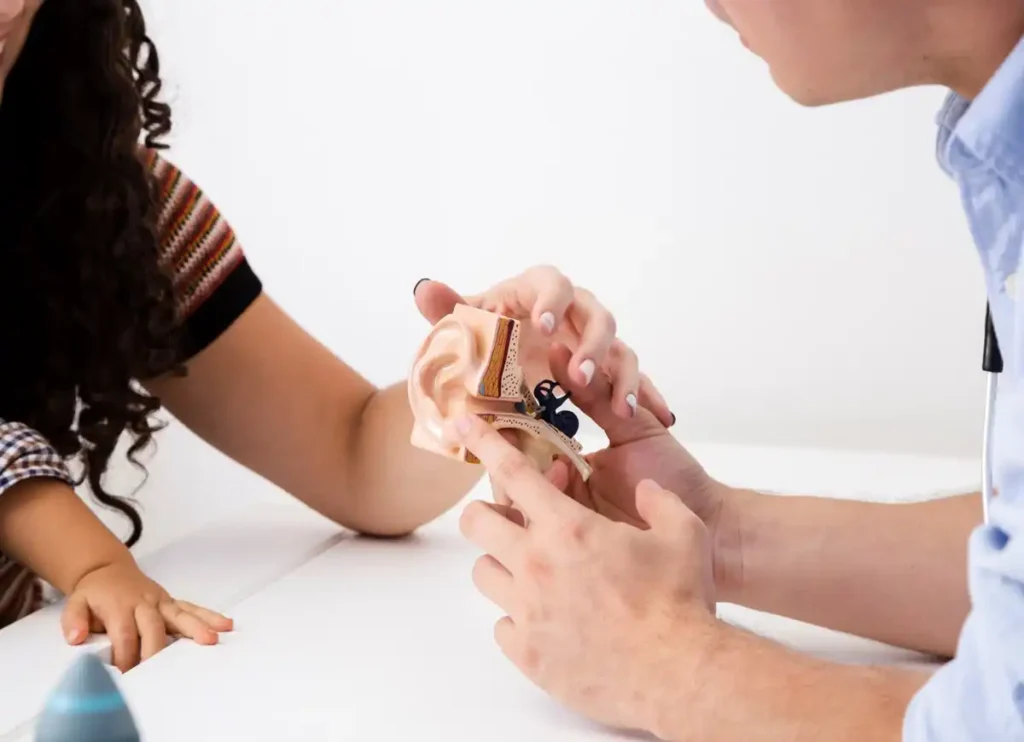
Does donating bone marrow hurt? During the actual collection, no. Donors receive general or local anesthesia, so they feel no pain while marrow is collected from the pelvic bone using a hollow needle. The real discomfort comes afterward, not during.
What Happens After the Procedure
Once anesthesia wears off, donors commonly feel pain or discomfort in the lower back and hips, sometimes resembling a strained muscle or a fall on the buttocks. This is temporary and expected, not a sign of something wrong.
These effects usually ease within a few days to a few weeks, and serious complications are rare, occurring in only around 2.4% of donors, most linked to general anesthesia itself rather than the marrow collection.
Bone Marrow Donation Does It Hurt More Than People Expect?
Not usually. Discomfort is generally mild to moderate, and most donors return to normal activities within a day or two. Full recovery, including any lingering soreness, may take two to three weeks.
Also Read: Should You Shave Your Chest? Learn Islam,
Two Donation Methods, Two Different Experiences
| Method | What It Involves | Pain Profile |
| Bone marrow harvest | Needle extraction from pelvic bone under anesthesia | No pain during; soreness after |
| Peripheral blood stem cell (PBSC) | Injections plus blood filtering (apheresis) | Discomfort mainly from injections beforehand |
Islamic Perspective on Saving Lives Through Donation
Saving a life holds enormous weight in Islamic teaching. Many scholars consider bone marrow donation permissible, since it involves regenerating tissue rather than a vital, non-renewable organ, and it directly fulfills the Quranic principle of preserving human life.
Checklist Before Donating
- Consult a doctor — confirm eligibility and overall health first.
- Ask about anesthesia type — general or local, depending on the method.
- Plan recovery time — expect a few days of rest afterward.
- Prepare pain relief — over-the-counter medication typically suffices.
- Stay hydrated — supports faster healing post-procedure.
What the Quran Teaches
Surah Al-Ma’idah (5:32)
This verse states that saving one life is like saving all of humanity, forming a strong foundation for donation-based acts of mercy.
Read on Quran.com
Surah Al-Baqarah (2:195)
Allah instructs believers to spend and give in ways that benefit others, encouraging generosity that extends beyond wealth alone.
Read on Quran.com
What the Hadith Teaches
Sunan an-Nasa’i, Hadith 3527
The Prophet ﷺ emphasized the severe reward tied to saving another person’s life, reinforcing donation as a deeply blessed act.
Read on Sunnah.com
Sunan Ibn Majah, Hadith 2199
This hadith highlights that helping relieve another Muslim’s hardship brings Allah’s help in return, a principle scholars extend to medical donation.
Read on Sunnah.com
Fiqh References
- Al-Hidayah by Burhan al-Din al-Marghinani
- Bahar-e-Shariat by Amjad Ali Azami
- Radd al-Muhtar by Ibn Abidin
- Fatawa Alamgiri (Compiled under Aurangzeb’s patronage)
According to Wikipedia’s overview of bone marrow transplants, marrow naturally regenerates within weeks after donation, which supports its permissibility in many Islamic rulings. Britannica similarly notes that bone marrow continuously produces new blood cells throughout a person’s life.
Covered Topics: Arabic Corner, Faith, Islamic History, Biography, Sirat ul Nabi PBUH, Islamic Studies
For further fiqh guidance on medical donation, visit IslamQA or the Islamic Teachings Forum.
If you’re interested in learning more about Islamic ethics and daily practice, exploring how to perform wudu correctly or new muslim guide what to learn first can strengthen your foundation.
To learn the Holy Quran, Tajweed, or Islamic studies with an experienced tutor, reach out to Alasad Online Quran Tutor. WhatsApp +923017363500, email [email protected], visit quranmualim.com, or follow on YouTube @quranmualim.
Must Read: How Should A Wife Treat Her Husband in Islam ?

FAQs
Does bone marrow donation hurt during the procedure?
No. Donors receive anesthesia, so they feel no pain while marrow is being collected from the pelvic bone.
Does donating bone marrow hurt afterward?
Yes, mild to moderate soreness in the back or hips is common, but it typically fades within days to weeks.
How long does recovery take?
Most donors resume normal activities within a few days, though full recovery can take two to three weeks.
Is bone marrow donation considered permissible in Islam?
Many scholars view it as permissible, since marrow regenerates and the act aligns with Islam’s emphasis on saving lives.
Are there serious risks involved in donating?
Serious complications are rare, affecting a small percentage of donors, mostly related to anesthesia rather than the marrow collection itself.
Final Thoughts
Bone marrow donation asks for temporary discomfort in exchange for a chance to save someone’s life. With proper preparation and the right medical guidance, this act of mercy becomes both manageable and deeply rewarding.
Blogs For You:
- How To Avoid Masturbation: An Islamic Guide To Self-Discipline
- Is Masturbating a Sin? Catholic, Christian & Islamic Perspectives
- Is It Haram To Play With Your Private Parts – Quran Mualim 2026
- What Does The Quran Say About Gay People? – Quran Mualim 2026