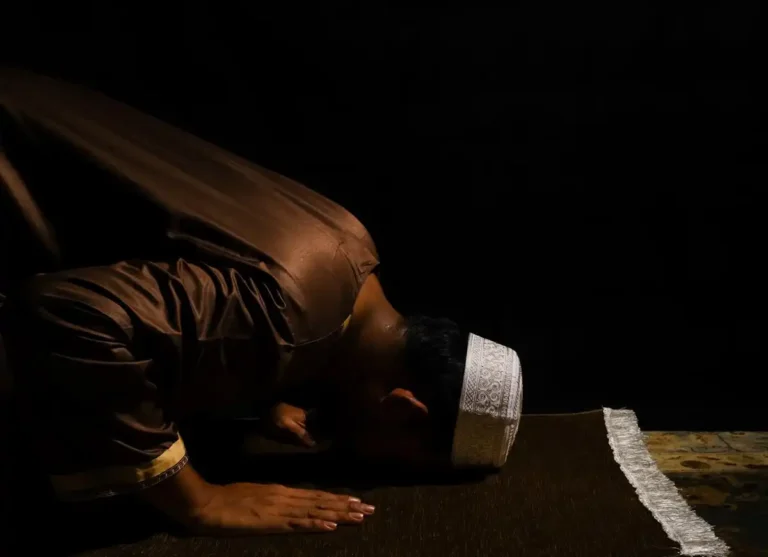


Complete namaz with Urdu translation is something many Muslims look for when they want to stop guessing in salah and start praying with confidence. The biggest challenge is not “how to stand and bow.” It’s remembering what to say—and understanding the meaning in simple Urdu so the heart stays present.
Amazon pick (1 book only): For a beginner-friendly guide, you can check Salah (Prayer)—A Step-by-Step Guide on Amazon
Problem → insight → solution (like a simple Wikipedia-style overview)
Problem: Many people learn by copying others, but they don’t know the Arabic phrases or the Urdu meaning. That creates confusion, especially when praying alone.
Insight: The Qur’an highlights prayer as a core act of worship, and the Prophet ﷺ taught people to pray by clear example.
Solution: Keep one reliable “script” of common recitations with Urdu meaning, use a table for quick revision, and build a steady habit with small daily practice.
Why Urdu meaning helps your prayer
When you understand even a few lines, your prayer feels different. You stop rushing. You stop feeling like you are “just finishing.” You start feeling that you are actually speaking to Allah with respect and hope.
Benefits you may notice:
- Better focus and fewer distractions
- Less fear of forgetting words
- More khushu‘ because you know what you’re saying
- Stronger routine for kids and family learning
- Faster improvement in pronunciation over time
For general background on salah, this page is helpful: Wikipedia’s article on Salah.
Categories: PRAYER ,ALMS , SAWN HAJJ & DUA , Hadith and Tafseer, The Holy Quran, Quran Jaz 1- 114
Also Read:
- How Many Rakats For Fajr Prayer?
- How Many Rakats For Zuhr Prayer?
- How Many Rakats For Asr Prayer?
- How Many Rakats For Maghrib Prayer?
- How Many Rakats For Isha Prayer?
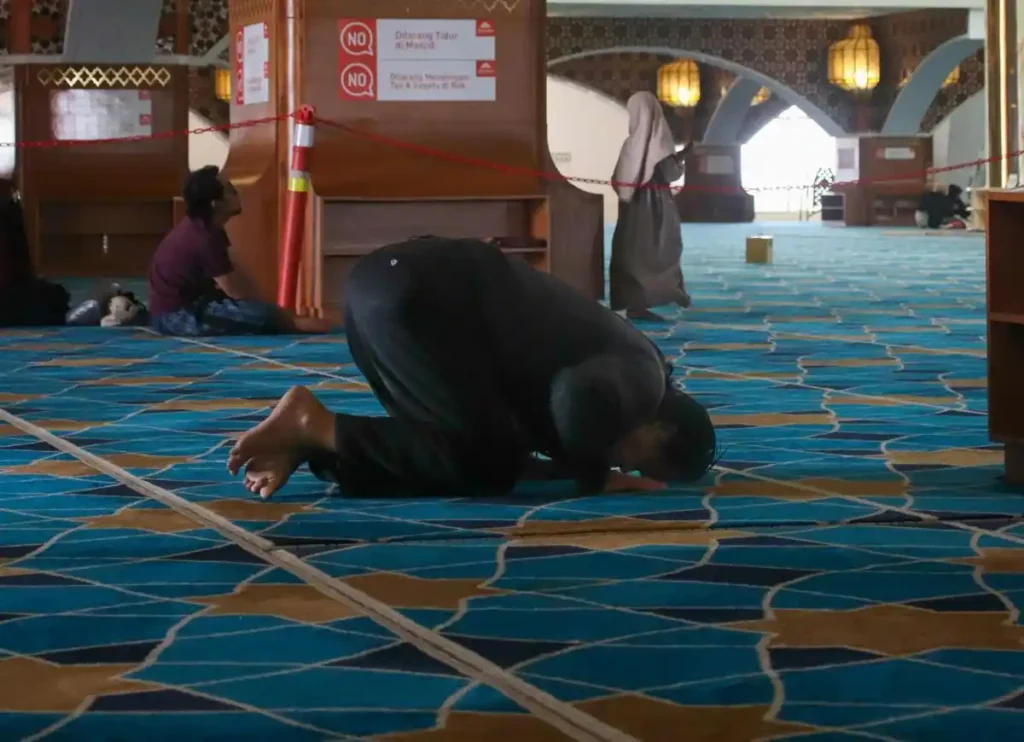
Two Qur’an references (Alim.org links)
- Surah Al-‘Ankabut (29:45)
Transliteration: Wa aqimiṣ-ṣalāh… innaṣ-ṣalāta tanhā ‘anil-faḥshā’i wal-munkar.
Meaning: Establish prayer—prayer helps hold you back from shameful and wrong actions. - Surah Al-Baqarah (2:238)
Transliteration: Ḥāfiẓū ‘alaṣ-ṣalawāt… wa qūmū lillāhi qānitīn.
Meaning: Guard the prayers and stand before Allah with true devotion.
Two Hadith references (rotated books)
- Sahih al-Bukhari 631
Meaning: The Prophet ﷺ said to follow his method: pray the way you have seen him pray.
Link: Learn from “Pray as you have seen me praying” (Bukhari 631) - Sahih Muslim 674c
Meaning: When prayer time comes, announce it and let the oldest lead—showing organized, calm community prayer.
The “complete” recitation set you can use daily
People often ask for namaz with urdu translation because they want one place where the commonly recited lines are clear. Below is a practical list that covers the phrases used in most daily prayers. Keep it simple: learn in small pieces, not all in one day.
How to use this list
- Start with Takbeer + Ruku + Sujood phrases first
- Add Tashahhud next
- Then add Durood and a short dua
- Keep a printed sheet for two weeks and review daily
Salatul Tasbih
- How To Perform Salatul Tasbih?
- Definition of Subhanallah and Its Meaning
- la ilaha illa anta subhanaka Inni Kuntu Minaz Zalimin
Table: Complete Namaz (Arabic + Urdu translation)
| Where in Salah | Arabic (common text) | Urdu translation (simple) |
| Niyyat (intention) | نِيَّتُ (دل میں) | نیت دل میں ہوتی ہے: میں اللہ کے لیے یہ نماز پڑھ رہا/رہی ہوں |
| Start (Takbeer-e-Tahreema) | اللّٰهُ أَكْبَرُ | اللہ سب سے بڑا ہے |
| Opening Praise (Thana) | سُبْحَانَكَ اللّٰهُمَّ وَبِحَمْدِكَ وَتَبَارَكَ اسْمُكَ وَتَعَالَىٰ جَدُّكَ وَلَا إِلٰهَ غَيْرُكَ | اے اللہ! تو پاک ہے اور تیری ہی تعریف ہے، تیرا نام بابرکت ہے، تیری شان بلند ہے، اور تیرے سوا کوئی معبود نہیں |
| Ta‘awwuz | أَعُوذُ بِاللّٰهِ مِنَ الشَّيْطَانِ الرَّجِيمِ | میں شیطان مردود سے اللہ کی پناہ مانگتا/مانگتی ہوں |
| Bismillah | بِسْمِ اللّٰهِ الرَّحْمٰنِ الرَّحِيمِ | اللہ کے نام سے شروع، جو بہت مہربان، نہایت رحم والا ہے |
| Surah Al-Fatihah | الْحَمْدُ لِلّٰهِ رَبِّ الْعَالَمِينَ الرَّحْمٰنِ الرَّحِيمِ مَالِكِ يَوْمِ الدِّينِ إِيَّاكَ نَعْبُدُ وَإِيَّاكَ نَسْتَعِينُ اهْدِنَا الصِّرَاطَ الْمُسْتَقِيمَ صِرَاطَ الَّذِينَ أَنْعَمْتَ عَلَيْهِمْ غَيْرِ الْمَغْضُوبِ عَلَيْهِمْ وَلَا الضَّالِّينَ | سب تعریف اللہ کے لیے ہے جو تمام جہانوں کا رب ہے… ہم تیری ہی عبادت کرتے ہیں اور تجھ ہی سے مدد مانگتے ہیں… ہمیں سیدھا راستہ دکھا |
| Ameen (after Fatihah) | آمِين | اے اللہ! قبول فرما |
| Short Surah (example: Al-Ikhlas) | قُلْ هُوَ اللّٰهُ أَحَدٌ اللّٰهُ الصَّمَدُ لَمْ يَلِدْ وَلَمْ يُولَدْ وَلَمْ يَكُنْ لَهُ كُفُوًا أَحَدٌ | کہہ دو: اللہ ایک ہے… نہ اس کی اولاد ہے نہ وہ کسی کی اولاد… اور کوئی اس کے برابر نہیں |
| Go to Ruku (Takbeer) | اللّٰهُ أَكْبَرُ | اللہ سب سے بڑا ہے |
| Ruku | سُبْحَانَ رَبِّيَ الْعَظِيمِ (3 times) | میرا رب عظمت والا پاک ہے |
| Rise from Ruku | سَمِعَ اللّٰهُ لِمَنْ حَمِدَهُ | اللہ نے اس کی سن لی جس نے اس کی حمد کی |
| Standing Response (Qaumah) | رَبَّنَا لَكَ الْحَمْدُ | اے ہمارے رب! سب تعریف تیرے لیے ہے |
| Go to Sujood (Takbeer) | اللّٰهُ أَكْبَرُ | اللہ سب سے بڑا ہے |
| Sujood | سُبْحَانَ رَبِّيَ الأَعْلَى (3 times) | میرا رب سب سے بلند پاک ہے |
| Sitting between Sajdah (Jalsa) | رَبِّ اغْفِرْ لِي | اے رب! مجھے بخش دے |
| Second Sujood | سُبْحَانَ رَبِّيَ الأَعْلَى (3 times) | میرا رب سب سے بلند پاک ہے |
| Stand for next rak‘ah | اللّٰهُ أَكْبَرُ | اللہ سب سے بڑا ہے |
| Tashahhud (At-tahiyyat) | التَّحِيَّاتُ لِلّٰهِ وَالصَّلَوَاتُ وَالطَّيِّبَاتُ، السَّلَامُ عَلَيْكَ أَيُّهَا النَّبِيُّ وَرَحْمَةُ اللّٰهِ وَبَرَكَاتُهُ، السَّلَامُ عَلَيْنَا وَعَلَىٰ عِبَادِ اللّٰهِ الصَّالِحِينَ، أَشْهَدُ أَنْ لَا إِلٰهَ إِلَّا اللّٰهُ وَأَشْهَدُ أَنَّ مُحَمَّدًا عَبْدُهُ وَرَسُولُهُ | تمام قولی، بدنی اور مالی عبادتیں اللہ کے لیے ہیں… اے نبی ﷺ! آپ پر سلامتی اور اللہ کی رحمت و برکت ہو… میں گواہی دیتا/دیتی ہوں کہ اللہ کے سوا کوئی معبود نہیں اور محمد ﷺ اللہ کے بندے اور رسول ہیں |
| Durood-e-Ibrahim | اللّٰهُمَّ صَلِّ عَلَىٰ مُحَمَّدٍ وَعَلَىٰ آلِ مُحَمَّدٍ كَمَا صَلَّيْتَ عَلَىٰ إِبْرَاهِيمَ وَعَلَىٰ آلِ إِبْرَاهِيمَ إِنَّكَ حَمِيدٌ مَجِيدٌ، اللّٰهُمَّ بَارِكْ عَلَىٰ مُحَمَّدٍ وَعَلَىٰ آلِ مُحَمَّدٍ كَمَا بَارَكْتَ عَلَىٰ إِبْرَاهِيمَ وَعَلَىٰ آلِ إِبْرَاهِيمَ إِنَّكَ حَمِيدٌ مَجِيدٌ | اے اللہ! محمد ﷺ اور آلِ محمد پر رحمت نازل فرما… جیسے تو نے ابراہیمؑ اور آلِ ابراہیم پر رحمت نازل فرمائی… اور برکت دے… بے شک تو تعریف والا، بزرگی والا ہے |
| Common Dua (Rabbana) | رَبَّنَا آتِنَا فِي الدُّنْيَا حَسَنَةً وَفِي الْآخِرَةِ حَسَنَةً وَقِنَا عَذَابَ النَّارِ | اے ہمارے رب! ہمیں دنیا میں بھلائی دے، آخرت میں بھلائی دے، اور ہمیں آگ کے عذاب سے بچا |
| Ending Salam (Right) | السَّلَامُ عَلَيْكُمْ وَرَحْمَةُ اللّٰهِ | آپ پر سلامتی اور اللہ کی رحمت ہو |
| Ending Salam (Left) | السَّلَامُ عَلَيْكُمْ وَرَحْمَةُ اللّٰهِ | آپ پر سلامتی اور اللہ کی رحمت ہو |
If you want to double-check small wording differences (because books vary slightly), it helps to read discussion threads on www.onlineislamicforum.com.
A gentle warning about “PDF hunting”
Many people search for complete namaz with urdu translation in pdf because they want a printable file. That’s fine—but be careful with random uploads. Some PDFs contain spelling errors, missing lines, or mixed madhhab notes without explanation.
What to look for instead:
- A known publisher or madrasa label
- Clear Arabic script (not blurry images)
- Urdu that is simple and not confusing
- A short section explaining Hanafi method, if that’s what you follow
Practical habit tips (so it sticks)
Most learners don’t fail because they’re lazy. They fail because they try to memorize everything at once. Use this steady method:
- Learn 2 lines per day only.
- Repeat them in every prayer for a week.
- Keep a small card in your prayer area.
- Teach one line to a child or friend—teaching locks it in.
- Make dua for ease. It really helps.
For a short and reliable overview of salat as a pillar and daily practice, you can also read Britannica’s article on salat.
Since this is your fourth related topic, it’s also fine to mention a basic learning site sometimes—* *www.quranmualim.com**—especially for learners who want Qur’an reading support alongside prayer practice.
Hanafi fiqh book titles
Here are Hanafi references commonly found in libraries/archives (often cataloged in PDF collections). Titles only, and different from your earlier articles:
- Majma‘ al-Anhur (Sharh Multaqa al-Abhur)
- Al-Jawharah al-Nayyirah
- Tabyin al-Haqa’iq
- Al-Fatawa al-Tatarkhaniyyah
- Sharh Ma‘ani al-Athar (al-Tahawi)
Also Read: How to Pray Salah: Step-by-Step Guide (Wudu + Fajr, Zuhr, Asr, Maghrib, Isha)
FAQ
Can I pray if my Arabic is not perfect yet?
Yes. Pray with what you know, and keep improving slowly. Allah rewards effort. Keep pronunciation practice gentle and consistent.
Do I need to recite everything in the table every prayer?
No. Some parts are essential, others are Sunnah. Start with the basics, then add extra pieces as your memory grows.
Is Urdu translation allowed inside salah?
In fard salah, recitation is in Arabic. Urdu meaning is for learning and focus before/after prayer, not as a replacement during prayer.
Which is better: learning from videos or from a book?
Both can help. A trusted book keeps things stable, while videos show movement. Use one reliable teacher/source to avoid confusion.
How do I help my kids learn quickly?
Teach one short phrase daily with meaning. Let them repeat it in salah. Praise consistency more than perfection.
Conclusion
When you learn the Arabic lines with simple Urdu meaning, prayer stops feeling like a memorization test. It becomes personal, calm, and steady. Keep your revision table close, learn small pieces, and stay consistent for two weeks. Soon, completing namaz with urdu translation will feel natural—like a skill you own, not a stress you carry.
Best Horizons Series Arabic Books for Kids:
- Buy Horizons in The Arabic Language Textbook: Level 1
- Buy Horizons in The Arabic Language Textbook: Level 2
- Buy Horizons in The Arabic Language Textbook: Level 3
- Buy Horizons in The Arabic Language Textbook: Level 4
- Buy Horizons in The Arabic Language Textbook: Level 5
- Buy Horizons in The Arabic Language Textbook: Level 6