

Dark brown menses blood confuses a lot of women, especially when it shows up right before or after their regular cycle. Many wonder if it counts as real menstruation or something else entirely, and whether they should still pray. This confusion is common, and Islam actually gives clear, practical answers.
Understanding your bleeding matters because it directly affects your prayer, fasting, and daily worship. Getting it wrong either way, praying when you shouldn’t or skipping prayer when you should be praying, can weigh heavily on the heart. Islamic scholars have addressed this exact concern in detail.
📖 For readers wanting deeper study on women’s fiqh, this guide to Islamic rulings on menstruation and purity is a helpful companion resource.
Why This Question Dark Brown Menses Blood?
Brown, yellow, or dark discharge can appear at different points in a woman’s cycle. Knowing whether it’s Hayd (menstruation) or something unrelated helps a woman fulfill her prayer obligations correctly, without unnecessary guilt or confusion.
The Islamic Perspective
Qur’an References
1. Surah Al-Baqarah (2:222)
Allah describes menstruation as a state requiring care and patience, instructing believers to treat this natural condition with wisdom rather than shame.
Read on Alim.org
2. Surah An-Nisa (4:43)
This verse discusses states of purity required before prayer, forming the foundation for rulings on when worship can and cannot be performed.
Read on Alim.org
Hadith References
1. Sunan Abu Dawood
A companion narrated that discharge occurring after the sign of purity was not counted as menstruation, showing scholars a clear boundary for these rulings.
🔗 Sunnah.com – Sunan Abu Dawood
**2. Jami at-Tirmidhi** The Prophet ﷺ taught that a woman knows her own cycle best, giving women confidence in recognizing their own bodily signs during these rulings. 🔗 [Sunnah.com – Jami at-Tirmidhi](https://sunnah.com/tirmidhi)
Can I Pray If I Have Brown Discharge Before My Period?
If brown discharge appears in the days leading up to your expected period, it generally counts as the start of Hayd. In this case, prayer and fasting pause, just as they would with regular red bleeding.
Also Read: Dua For Safety of Family (Protection & Happiness)

Brown Discharge After Period – Is Salah Valid?
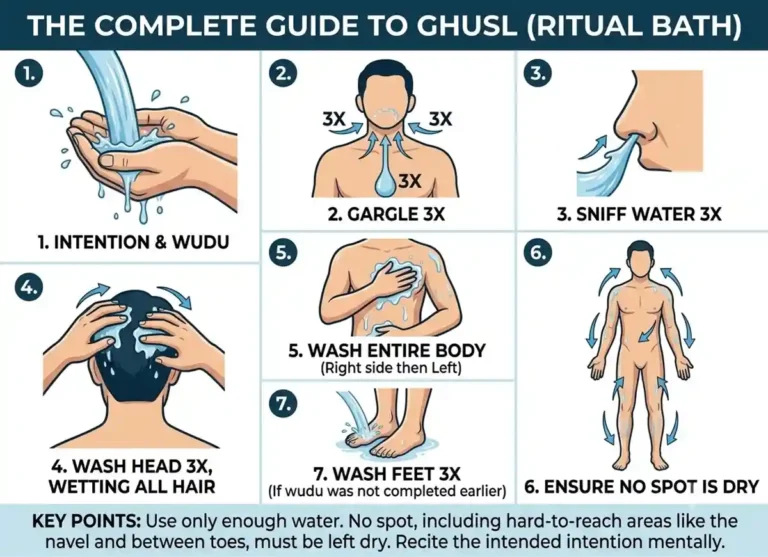
This depends entirely on timing. If the discharge appears before you’ve confirmed purity, it’s still Hayd. If it appears after confirmed purity and ghusl, it’s not menstruation, and Salah remains valid.
Confused About Menses and Prayer?
- Brown discharge during expected period days = Hayd, prayer pauses
- Brown discharge before confirmed purity = still Hayd
- Brown discharge after confirmed purity and ghusl = not Hayd, prayer continues
- Confirmed purity means complete dryness or a white discharge
She Passed Blood That Was Brown in Colour, Then a Black Thread
This scenario is mentioned in classical fiqh texts. Scholars explain that as menstruation ends, blood often changes color, moving from red to brown, and sometimes appearing as a thin black thread before purity fully sets in. This entire process still falls under Hayd.
The Fiqh Rulings on the Natural Blood of Women in Islam
Islamic scholars classify women’s natural blood into three categories: Hayd (menstruation), Nifas (postnatal bleeding), and Istihadha (irregular bleeding unrelated to a normal cycle). Each category carries different rulings for prayer, fasting, and intimacy.
Also Read: Best Dua For Safe Pregnancy And Delivery
Quick Reference Table
| Situation | Ruling |
| Dark brown menses blood during expected period | Counts as Hayd |
| Brown discharge before confirmed purity | Still Hayd |
| Brown discharge after confirmed purity | Not Hayd; resume prayer |
| Bleeding beyond normal cycle length | May be Istihadha; consult a scholar |
| Wudu after non-Hayd discharge | Required before each prayer |
Hanafi Fiqh Books for Deeper Study
- Bahishti Zewar by Maulana Ashraf Ali Thanvi
- Al-Hidayah by Burhan al-Din al-Marghinani
- Kitab al-Fiqh ala al-Madhahib al-Arba’ah
- Fiqh-us-Sunnah lin-Nisaa by Sayyid Sabiq
These texts are available in Islamic library archives and cover detailed rulings on Hayd, Nifas, and Istihadha.
Learning More From Trusted Sources
For general medical background, Wikipedia’s overview of menstruation offers useful context, while Britannica’s entry on the menstrual cycle explains the biological process in depth.
For Islamic rulings specific to women’s health, the community forum at IslamicTeachings.org and the scholarly Q&A archive at IslamQA remain reliable, trusted resources.
For more structured lessons on fiqh topics like this one, www.quranmualim.com offers simple, well-organized articles for everyday questions.
Categories: PRAYER ,ALMS , SAWN & The Holy Quran, Quran Jaz 1- 114

Frequently Asked Questions
Why is my menses dark brown instead of red?
Dark brown blood is usually older blood that took longer to leave the body, giving it time to oxidize and darken in color naturally.
Does dark brown discharge always mean my period has ended?
Not necessarily. It depends on timing. Discharge before confirmed purity still counts as menstruation, even if the color has changed.
Can I skip prayer during dark brown discharge before my period?
Yes, if it occurs within your expected period days, it generally counts as Hayd, meaning prayer and fasting pause.
Do I need a fresh wudu after non-Hayd brown discharge?
Yes. Even though it isn’t menstruation, this discharge breaks wudu, so fresh ablution is needed before each prayer.
What if my dark brown bleeding lasts longer than usual?
If it extends well beyond your normal cycle, it may be Istihadha. Consulting a knowledgeable scholar is strongly recommended.
Final Thoughts
Understanding dark brown menses blood brings real peace of mind to daily worship. Islam offers thoughtful, practical guidance that respects a woman’s body and her spiritual duties equally. With this knowledge, every woman can approach her prayers with clarity, confidence, and trust in her own understanding of her cycle.
Must Read:
- Can I Fast If I Make Ghusl After Fajr?
- Is Abortion Haram Islam? Learn Islam
- Heavenly Blessings Dua For Ghusl After Periods
- My period stopped then started again 4 days later
- Can I Read The Quran on My Period – Is It Allowed?
- Can You Have Menses and Be Pregnant? Learn Islam
- Define Menses During Hajj and Umrah | Mina in Makkah
Recommended For You:
- Is Abortion Haram Islam? Learn Islam
- What Does The Quran Say About Killing?
- Do Cats Bring Angels in The House in Islam?
- Al-Aqsa Mosque: Why It’s Islam’s First Qibla
- Clear Sticky Discharge Male After Urination?
- Is Abortion Haram? What Islamic Teachings Say
- Can You Read Quran on Your Period? Learn Islam
- Is It Permissible To Use Condom in Islam? Learn Islam
- How To Clean Private Parts After Urination? Learn Islam
- Bone Marrow Donation in Islam: Overview, Process & Side Effects