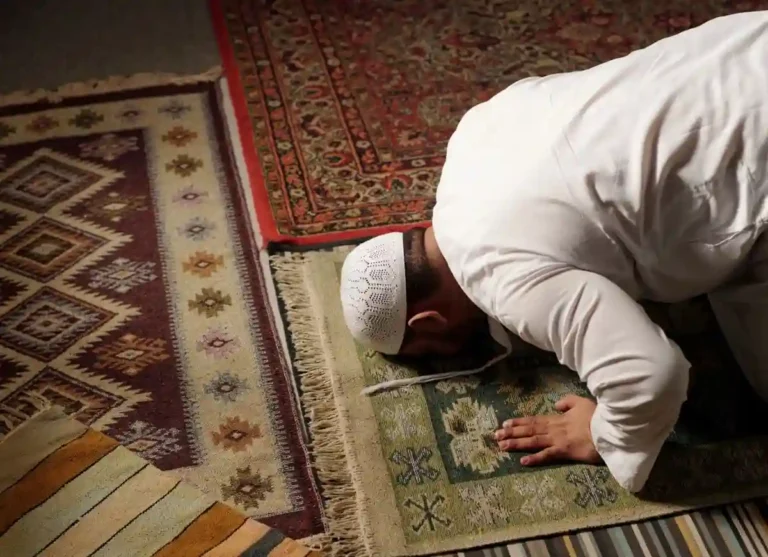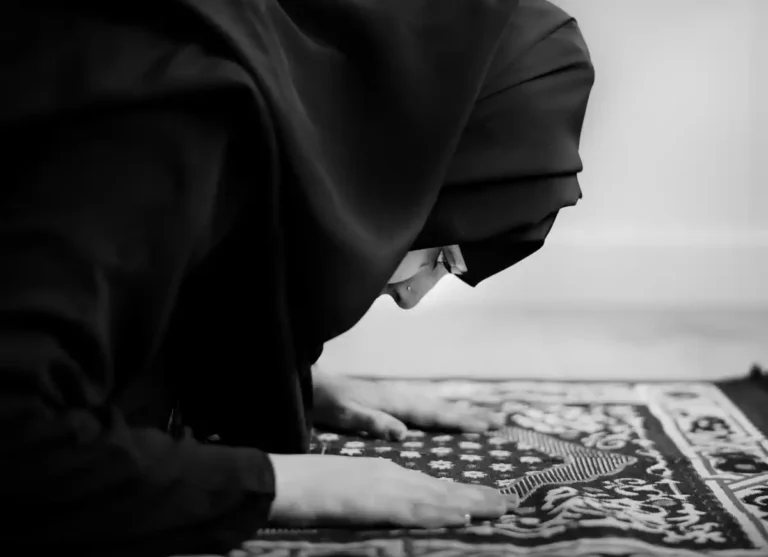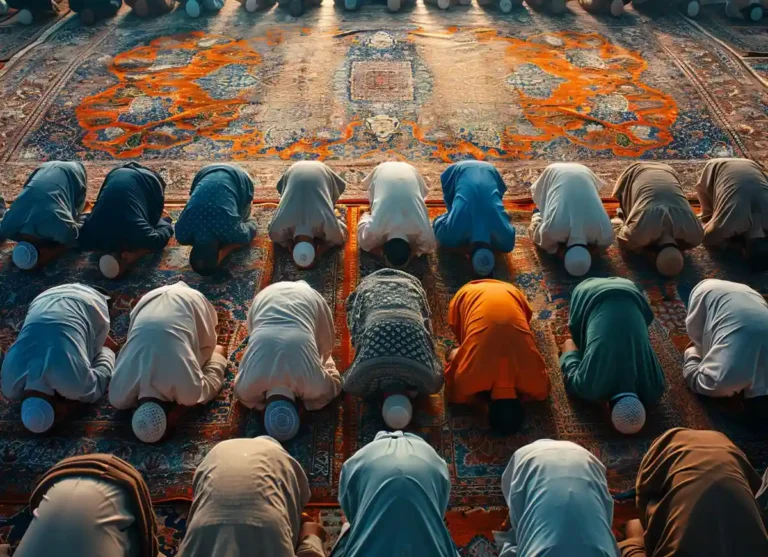
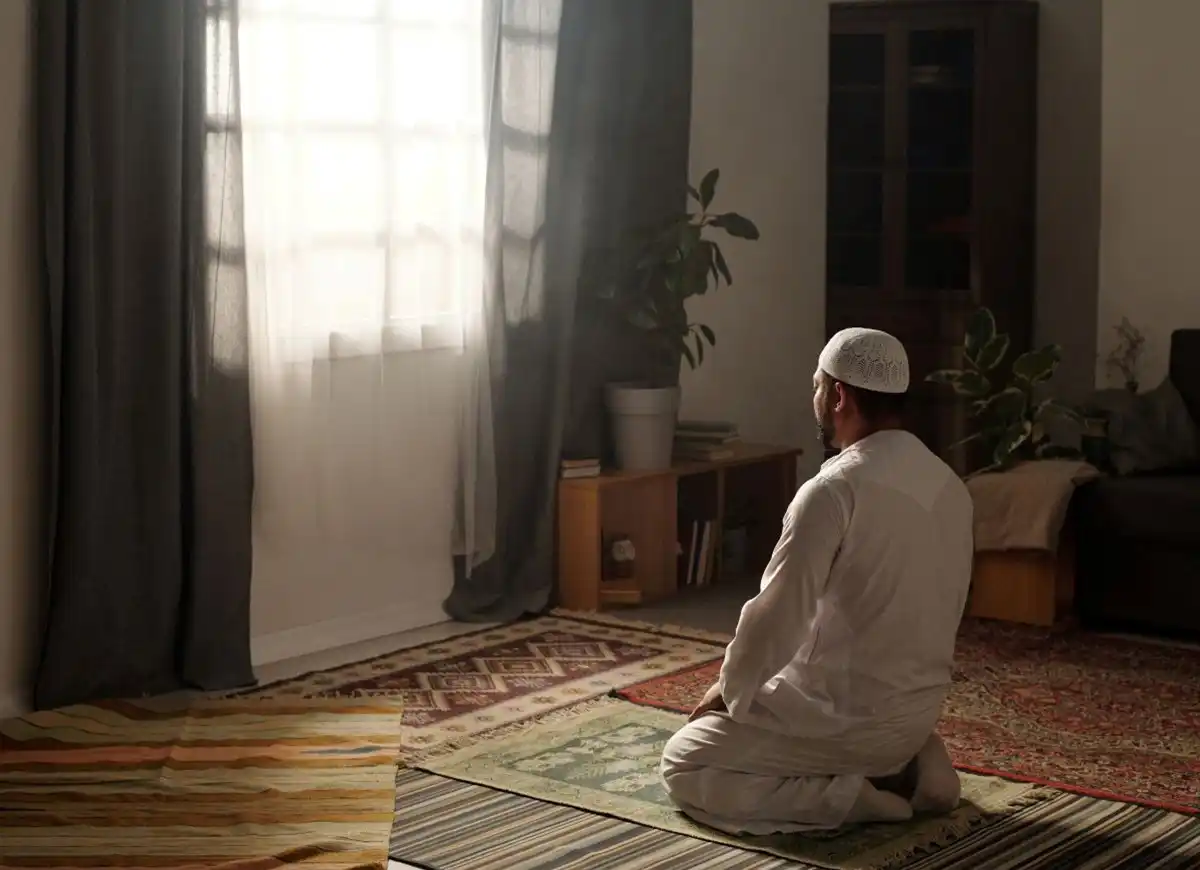

How do you read namaz is a common question among Muslims who want to pray correctly but feel unsure about the order, the rak‘ahs, and what to recite in each part. Most confusion happens at night prayers, especially when people ask about Maghrib and Isha. A simple, repeatable plan can remove that stress.
Problem → insight → solution
Problem: Many Muslims learn “bits and pieces” from different people, then worry they are doing something wrong.
Insight: The Qur’an reminds us to establish prayer, and the Sunnah shows the method and the time windows clearly.
Solution: Use a short checklist, a table for Maghrib and Isha, and a few habit tips.
Why learning Namaz properly matters
Namaz is not only a set of movements. It is a daily connection that builds discipline, humility, and peace. When you know the steps, you stop rushing and start praying with calm attention. Even small improvements, done consistently, can change your relationship with worship in a big way.
Real-life benefits people notice
- Less doubt and overthinking during prayer
- Better time management, especially at night
- More khushu‘ (focus) with steady recitation
- Stronger habit of making dua after prayer
- A cleaner daily routine around wudu and Salah
Two Qur’an references (short, friendly, and clear)
Qur’an Reference 1
Surah Hud (11:114)
Transliteration: Wa aqimi as-salata tarafayi an-nahari wa zulafan mina al-layl.
Meaning: Establish prayer at parts of the day and in the early hours of the night.
Qur’an Reference 2
Surah Al-‘Ankabut (29:45)
Transliteration: Wa aqimi as-salata; inna as-salata tanha ‘anil-fahsha’i wal-munkar.
Meaning: Establish prayer; it helps keep a person away from shameful and wrong actions.
Also Read: How To Pray Complete Namaz With Urdu translation Step by Step
What “read namaz” means (in everyday language)
In many communities, “read namaz” means performing the prayer correctly, including posture and recitation. So the goal is two things:
- Doing the movements in the right order
- Reciting the required parts with care
You don’t need to be perfect on day one. You need consistency and a clear method.
Step-by-step: the basic prayer cycle (one rak‘ah)
This is the “engine” of most prayers. Once you know it, Maghrib and Isha feel much easier.
- Make intention (niyyah) in the heart
- Takbir: say Allahu Akbar and stand
- Recite while standing: Al-Fatihah + a short surah
- Ruku‘ (bow): calm pause with tasbih
- Stand up straight: brief pause
- Sujood (prostration) twice: calm pause each time
- Move to the next rak‘ah or sit if it’s the end
How do you read maghrib namaz? (3 fard + sunnah)
Maghrib is the sunset prayer. It is shorter than Isha, but it should not be rushed.
Maghrib fard (3 rak‘ah) in simple order
- Rak‘ah 1: Al-Fatihah + short surah, then ruku‘ and sujood
- Rak‘ah 2: Al-Fatihah + short surah, then ruku‘ and sujood, then sit for Tashahhud
- Rak‘ah 3: Al-Fatihah (and in many Hanafi teachings, no extra surah here), then ruku‘ and sujood, then final sitting with Tashahhud, durood, and dua
After fard, many people pray 2 sunnah of Maghrib. Keep it steady and calm.
How do you read isha namaz? (4 fard + sunnah + witr)
Isha is the night prayer. People often ask it twice because it includes more parts and Witr follows it.
Isha fard (4 rak‘ah) in simple order
- Rak‘ah 1 and 2: Al-Fatihah + short surah in each
- After Rak‘ah 2: sit for Tashahhud
- Rak‘ah 3 and 4: Al-Fatihah (and in many Hanafi teachings, no extra surah), then complete ruku‘ and sujood
- After Rak‘ah 4: final sitting with Tashahhud, durood, and dua
After fard, many pray 2 sunnah. Then comes Witr (commonly 3 rak‘ah in Hanafi practice).
Also Read: 5 Time Namaz: Do We Perform Every Rakat Correctly??
A simple table you can save (Maghrib vs Isha)
| Prayer | Main required part | Common add-ons | Easy reminder |
| Maghrib | 3 fard | 2 sunnah after | Don’t delay too long |
| Isha | 4 fard | 2 sunnah + witr | Make it a nightly habit |
For checking time windows and rak‘ah counts in one place, Dawat-e-Islami’s prayer times guide is useful:
Two Hadith references (rotation: Abu Dawood + Tirmidhi)
Hadith 1 (Sunan Abu Dawood)
Sunan Abi Dawud 1266
Meaning: When the iqamah for congregational prayer begins, you should not start a separate non-obligatory prayer; join the obligatory prayer. Clickable link: Guidance on joining the obligatory prayer when iqamah starts
Hadith 2 (Jami` at-Tirmidhi)
Jami` at-Tirmidhi 149
Meaning: Jibril led the Prophet ﷺ and showed the time ranges for prayers, including Maghrib after sunset and Isha after twilight fades.
Quick checklist for clean, confident prayer
Use this when you’re learning and want fewer mistakes.
- Wudu done
- Qiblah checked
- Phone silent (no rushing)
- Al-Fatihah memorized and steady
- Calm pause in ruku‘ and sujood
- Final sitting completed before salam
If you want community-style discussion, many people read questions on the IslamicTeachings forum. For short Q&A answers, IslamQA.info is commonly referenced. And some learners also mention Quran Mualim (quranmualim dot com) for basic reading.
Hanafi fiqh book titles (titles only, different list)
- Al-Fatawa al-Sirajiyyah
- Al-Jawharah al-Nayyirah
- Al-Fatawa al-Bazzaziyyah
- Tuhfat al-Fuqaha
- Sharh al-Wiqayah
External links (exactly 3)
- Wikipedia overview of Salah: https://en.wikipedia.org/wiki/Salah
- Britannica reference on salat: https://www.britannica.com/topic/salat
- Dawat-e-Islami prayer times guide: https://www.dawateislami.net/prayer-times/
Categories: PRAYER ,ALMS , SAWN & The Holy Quran, Quran Jaz 1- 114

FAQ
What if I forget a step during the prayer?
Stay calm and continue. If you missed something major, learn the correction rules from a trusted scholar. Don’t quit praying بسبب doubt.
Do I recite aloud in Maghrib and Isha?
If you pray alone, many people recite quietly. In jama‘ah, the imam recites aloud in some rak‘ahs, and you follow respectfully.
Why is Maghrib only three rak‘ahs?
This is how the Prophet ﷺ taught the obligatory prayers. Keep it simple: three fard for Maghrib, then optional sunnah after.
Is Witr part of Isha?
Witr is prayed after Isha. Many Hanafi Muslims treat it as very important and keep it consistent, even when tired.
How can I stop rushing at night?
Start earlier, keep a fixed bedtime, and pray right after adhan or jama‘ah time. A steady routine beats late, rushed prayers every time.
Conclusion
When you learn the core cycle and then apply it to Maghrib and Isha, how do you read namaz becomes a straightforward routine, not a mystery. Focus on calm posture, clear Al-Fatihah, and the correct rak‘ah order. Keep practicing with patience, and your night prayers will become the strongest part of your day.
- How Many Rakats For Fajr Prayer?
- How Many Rakats For Zuhr Prayer?
- How Many Rakats For Asr Prayer?
- How Many Rakats For Maghrib Prayer?
- How Many Rakats For Isha Prayer?
- Are We Praying 2 Rakat The Right Way?
- Are You Sure You Know The Chart of Namaz Rakat?
- How Do You Pray Fajr Namaz? Don’t Miss This Guide
- Are You Praying on Time? Hanafi Namaz Time Guide?
- 5 Time Namaz: Do We Perform Every Rakat Correctly?
- Do You Know the Right Way? Fajr Namaz Step by Step
- Dua After Fard Namaz – Is This Your Powerful Moment?
- Fajr Namaz Rakat – Are You Sure You’re Doing It Right?
- How Do You Pray Namaz? A Simple Step-by-Step Guide
- Dua Before Namaz – Are You Starting Salah The Right Way?