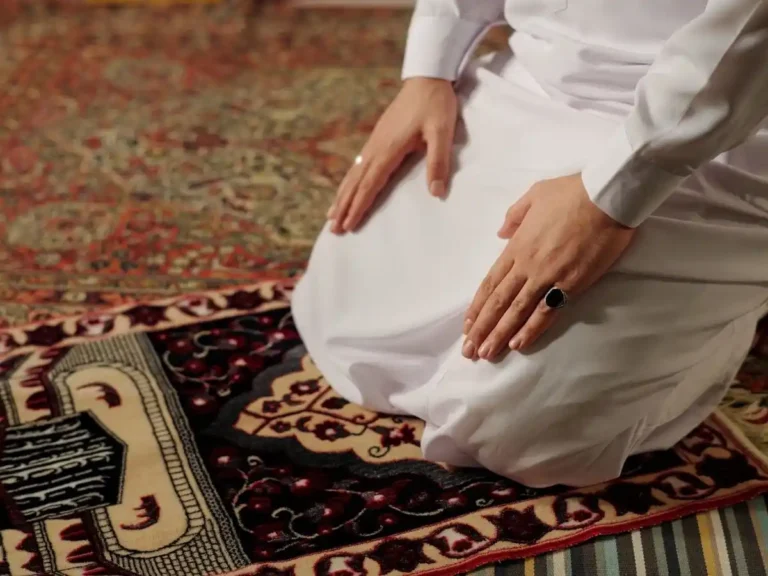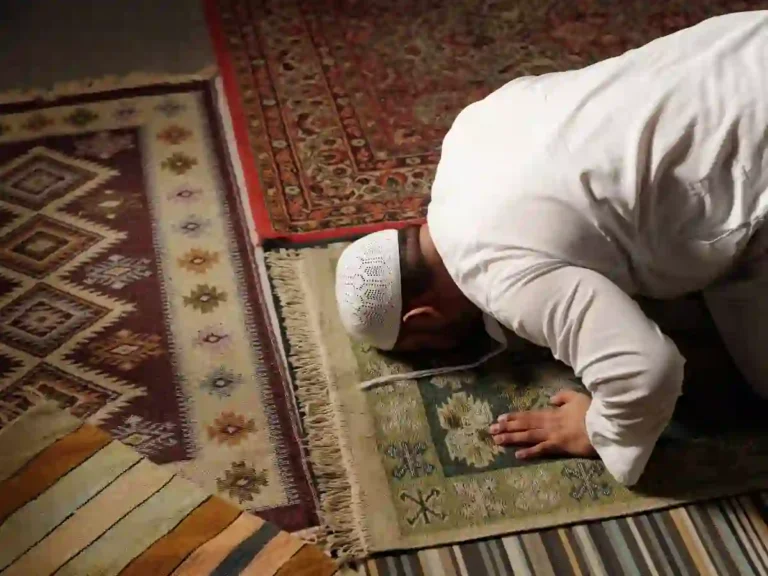


How to pray witr namaz is a common question for many Muslims, especially because Witr is prayed differently from the regular fard prayers. Some people are unsure about the third rak‘ah, some forget where Dua Qunoot comes from, and others mix it with nafl prayer. Once the method is understood, Witr becomes simple, peaceful, and easy to keep every night. A brief background on Witr can be seen on Wikipedia’s Witr page.
A helpful beginner-friendly read is The Humble Way: More than a Prayer, which explains devotion, humility, and daily worship in a simple style.
Witr is the closing prayer of the night. In the Hanafi school, it is treated as wajib and commonly prayed as three rak‘ahs after ‘Isha. General background on Islamic prayer can be read on Britannica’s article on salat, while a practical Sunni explanation of Witr and related rulings is available on IslamQA’s guidance on Witr prayer.
The main confusion usually comes from one point: the third rak‘ah includes Dua Qunoot before rukū‘ in the Hanafi method. That is why many people search for how to pray isha namaz 3 witr after finishing ‘Isha. The good news is that the pattern is easy to remember once you follow the order carefully.
Why Witr Namaz Matters
Witr is not a small extra prayer that should be ignored. It has a special place in the night prayers, and the Prophet ﷺ strongly encouraged Muslims to keep it regularly. He also taught that it should be the last prayer of the night for the one praying night worship.
Benefits of praying Witr
- It completes the night prayer beautifully
- It builds consistency in worship
- It keeps the heart connected to Allah before sleep
- It adds discipline after ‘Isha
- It strengthens the habit of dua and reflection
Many learners also discuss practical questions on islamicteachings.org/forum, but for rulings, method, and corrections, reliable scholarly sources are better. If you keep learning regularly, websites such as islamqa.info/en can help clarify common mistakes and doubts.
Qur’an Verses That Fit the Spirit of Witr
Witr is a night prayer, and the Qur’an often praises prayer, remembrance, and devotion in the night hours. These verses help a reader understand the spiritual meaning behind this prayer, even though the exact legal details come from Hadith and fiqh.
Transliteration: Wa dhakara isma rabbihi fa salla
Short meaning: The successful one remembers the name of his Lord and then prays.
Transliteration: Faqra’u ma tayassara minhu wa aqimus-salah
Short meaning: Recite what is easy from it and establish prayer.
These verses remind a Muslim that prayer at night is a source of success, steadiness, and closeness to Allah. That is why many scholars encourage keeping witr namaz even when a person is tired or busy.
Step-by-Step Method of Witr in Hanafi Fiqh
In the Hanafi school, namaz witr is usually prayed as three rak‘ahs with one salām at the end. It resembles Maghrib in overall form, but there is Qur’an recitation in all three rak‘ahs, and Dua Qunoot is recited in the third rak‘ah before rukū‘.
Simple method
- Make intention for three rak‘ahs of Witr.
- Pray the first two rak‘ahs normally.
- Sit for tashahhud after the second rak‘ah.
- Stand for the third rak‘ah.
- Recite Surah al-Fatihah and another surah.
- Say “Allahu Akbar,” raise your hands, and fold them again.
- Read Dua Qunoot.
- Go into rukū‘ and complete the prayer as usual.
Categories: PRAYER ,ALMS , SAWN & The Holy Quran, Quran Jaz 1- 114

Quick reference table
| Part | What to do | Easy reminder |
| Rak‘ah 1 | Al-Fatihah + surah | Pray normally |
| Rak‘ah 2 | Al-Fatihah + surah, then sit | Like Maghrib so far |
| Rak‘ah 3 | Al-Fatihah + surah | Then extra takbir |
| After takbir | Read Dua Qunoot | Before rukū‘ |
| Ending | Complete prayer with salām | One salām at the end |
Dua Qunoot
Below is the well-known Hanafi wording commonly taught for Witr:
Arabic:
اللّٰهُمَّ اِنَّا نَسْتَعِيْنُكَ وَنَسْتَغْفِرُكَ وَنُؤْمِنُ بِكَ وَنَتَوَكَّلُ عَلَيْكَ وَنُثْنِيْ عَلَيْكَ الْخَيْرَ وَنَشْكُرُكَ وَلَا نَكْفُرُكَ وَنَخْلَعُ وَنَتْرُكُ مَنْ يَّفْجُرُكَ، اَللّٰهُمَّ اِيَّاكَ نَعْبُدُ وَلَكَ نُصَلِّيْ وَنَسْجُدُ وَاِلَيْكَ نَسْعٰى وَنَحْفِدُ وَنَرْجُوْ رَحْمَتَكَ وَنَخْشٰى عَذَابَكَ اِنَّ عَذَابَكَ بِالْكُفَّارِ مُلْحِقٌ
Transliteration:
Allahumma inna nasta‘eenuka wa نستaghfiruka wa nu’minu bika wa natawakkalu ‘alayka wa nuthni ‘alaykal-khayr, wa nashkuruka wa la nakfuruk, wa nakhla‘u wa natruku man yafjuruk. Allahumma iyyaka na‘budu wa laka nusalli wa nasjudu wa ilayka nas‘a wa nahfid, wa narju rahmataka wa nakhsha ‘adhabaka, inna ‘adhabaka bil-kuffari mulhiq.
Simple meaning:
O Allah, we seek Your help and forgiveness. We believe in You and rely on You. We praise and thank You. We worship You alone, pray and bow to You, hope for Your mercy, and fear Your punishment.
If someone does not know Dua Qunoot yet, they should start memorizing it gradually. Scholars also discuss short substitutes until it is learned properly, but the goal should be to memorize the masnoon wording with care.
Two Helpful Hadith References
The Prophet ﷺ said that a person should make Witr the last prayer of the night. This shows the special place of Witr in nightly worship.
Link: Read the Sunnah.com narration about making Witr the final night prayer
‘A’ishah reported that the Messenger of Allah ﷺ observed Witr every night, and its time extended up to dawn. This shows its regular importance.
Link: See the Sunnah.com report on the Prophet’s regular Witr prayer
Together, these narrations show both the value and timing of Witr. They also explain why Muslims try to protect this prayer, whether they pray before sleep or later in the night.
Common Mistakes to Avoid
- Forgetting Dua Qunoot in the third rak‘ah
- Going into rukū‘ before the extra takbir
- Treating Witr exactly like Maghrib
- Rushing without calm recitation
- Leaving Witr regularly without reason
Hanafi Fiqh Books for Further Study
- Maraqi al-Falah
- Hashiyat al-Tahtawi
- Sharh Wiqayah
- Fatawa Mahmoodiyah
Similar Posts For You: 5 Time Namaz: Do We Perform Every Rakat Correctly?

FAQs
When should I pray Witr?
Witr is prayed after ‘Isha and before Fajr. If you expect to wake for tahajjud, pray it later. Otherwise, pray before sleeping.
Is Witr wajib in Hanafi fiqh?
Yes, in the Hanafi school Witr is treated as wajib, which gives it a stronger ruling than ordinary sunnah or nafl prayers.
What if I forget Dua Qunoot?
If you forget it in Witr, Hanafi fiqh discusses sajdah sahw for correction. Learn the dua slowly and keep practicing with consistency.
Can I read a short dua if I do not know Qunoot yet?
Yes, scholars mention temporary alternatives, but you should continue memorizing the proper Dua Qunoot as soon as possible.
Is Witr prayed with one salām or two?
In the Hanafi method, three rak‘ahs of Witr are prayed together and finished with one salām at the end.
Conclusion
By now, how to pray witr namaz should feel much easier and more familiar. Learn the order, memorize Dua Qunoot step by step, and keep Witr as a steady part of your night. A prayer kept daily becomes a source of peace, discipline, and closeness to Allah. When prayed with attention and sincerity, Witr closes the day in the most beautiful way.
Recommended For You:
- How Many Rakats for Fajr Prayer?
- How Many Rakats For Zuhr Prayer?
- How Many Rakats For Asr Prayer?
- How Many Rakats For Maghrib Prayer?
- How Many Rakats For Isha Prayer?
- What Time is The Jummah Prayer?
- 6 Types of Sunnah Prayers In Islam
- How to Perform Salah (Complete Namaz)
- What is The Sitting Between in Khutbah Called?
- Salat | Physical Benefits of Salat Prayer PDF Download
- Dua For Namaz: Simple Words That Steady The Heart, rayer