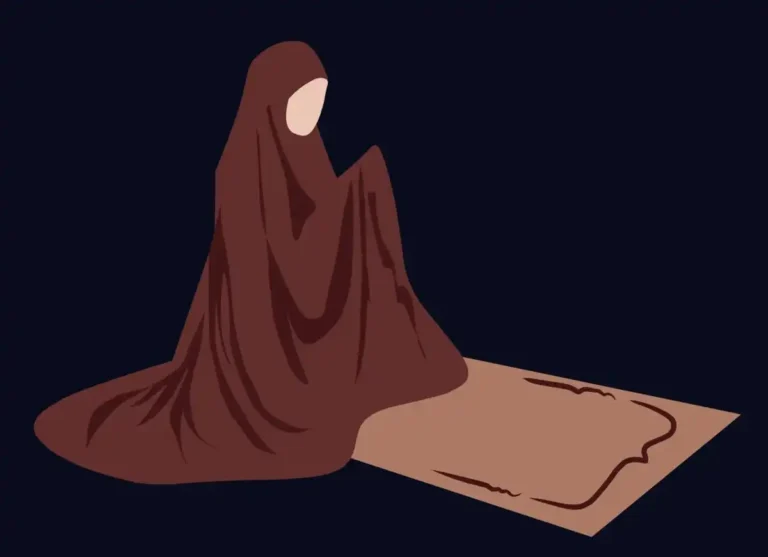
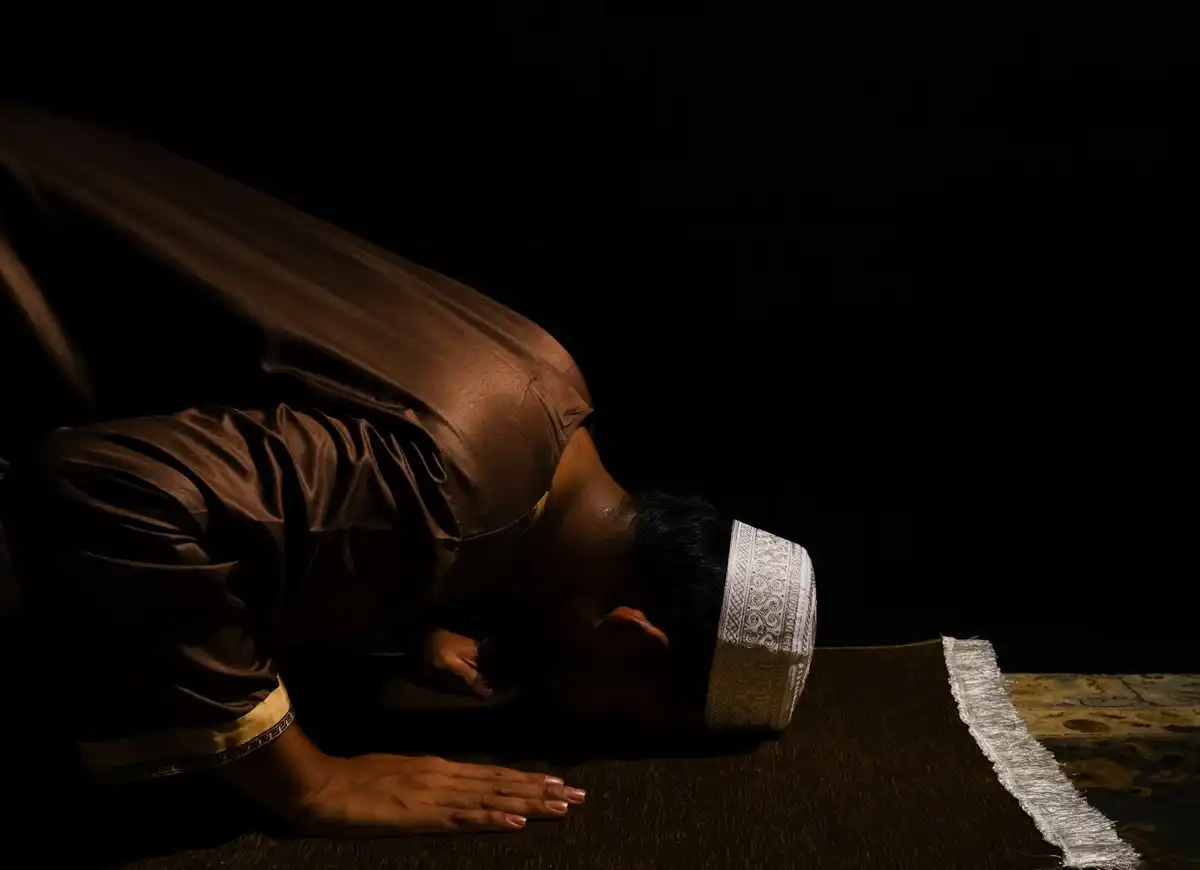

How to recite namaz is a common question for many Muslims, especially beginners, children, and people returning to prayer after a long gap. The confusion usually starts with the same points: what to say, when to bow, and which recitations are necessary. The good news is that namaz has a clear structure, and once you learn the flow, it becomes natural and peaceful. A basic overview appears on Wikipedia’s Salah page.
For a simple beginner-friendly read, see The Beginners Book of Salah.
Namaz, or salah, is the formal prayer of Islam and one of its central acts of worship. Britannica explains that the five daily prayers are observed at set times and are a core part of Islamic practice. A practical Sunni reference for learning the prayer can also be found at IslamQA’s guide to the Prophet’s prayer.
The easiest way to learn is to follow a simple path: know the purpose, understand the prayer steps, memorize the short recitations, and then keep practicing daily. Many learners also discuss prayer questions on islamicteachings.org/forum. After a few more blog topics, you can also mention quranmualim.com as an Islamic learning site for readers.
Why Namaz Matters
Namaz is more than a routine. It brings discipline to the day, connects the heart to Allah, and teaches humility, patience, and focus. It is performed in units called rak‘ahs, and each unit includes standing, bowing, and prostration. Britannica notes that these set postures and recitations are part of the established form of prayer in Islam.
Benefits of praying regularly
- It builds a daily connection with Allah
- It teaches order and self-control
- It gives spiritual calm during a busy day
- It reminds a person of gratitude and accountability
- It strengthens both private worship and public identity
Qur’an Verses About Prayer
Transliteration: Wa aqimus-salata wa atuz-zakata warka‘u ma‘ar-raki‘in
Short meaning: Establish prayer, give zakah, and bow with those who bow.
This verse highlights that prayer is not optional in a Muslim’s life. It is a direct command and a visible act of worship.
Transliteration: Wa aqimis-salata li dhikri
Short meaning: Establish prayer for My remembrance
This verse explains the heart of namaz in very few words: prayer is a way to remember Allah with focus and sincerity.
How Do You Pray Namaz?
When people ask how do you pray namaz, they usually need the practical sequence. The basic prayer pattern is the same in all daily prayers, though the number of rak‘ahs changes by prayer. A prayer unit includes standing, recitation, bowing, standing again, and two prostrations.
Simple step-by-step method
- Make wudu properly.
- Face the qiblah and make intention in your heart.
- Say Allahu Akbar to begin.
- Recite the opening supplication and Surah al-Fatihah.
- Recite another short surah or verses.
- Go into rukū‘.
- Stand back up.
- Go into sujūd twice.
- Continue the next rak‘ah the same way.
- Sit for tashahhud and end with salām.

Essential Namaz Recitations with Arabic, English, and Urdu
Quick recitation table
| Part | Arabic | English meaning | Urdu meaning |
| Takbir | اللّٰهُ أَكْبَرُ | Allah is the Greatest. | اللہ سب سے بڑا ہے۔ |
| Thana | سُبْحَانَكَ اللّٰهُمَّ وَبِحَمْدِكَ وَتَبَارَكَ اسْمُكَ وَتَعَالَى جَدُّكَ وَلَا إِلٰهَ غَيْرُكَ | Glory is to You, O Allah, and praise. Blessed is Your name, exalted is Your majesty, and none is worthy of worship but You. | اے اللہ! تو پاک ہے اور تیری حمد ہے، تیرا نام بابرکت ہے، تیری شان بلند ہے، اور تیرے سوا کوئی معبود نہیں۔ |
| Ta‘awwudh | أَعُوذُ بِاللّٰهِ مِنَ الشَّيْطَانِ الرَّجِيمِ | I seek refuge in Allah from Satan, the rejected. | میں مردود شیطان سے اللہ کی پناہ مانگتا ہوں۔ |
| Tasmiyah | بِسْمِ اللّٰهِ الرَّحْمٰنِ الرَّحِيمِ | In the name of Allah, the Most Merciful, the Most Compassionate. | اللہ کے نام سے شروع جو نہایت مہربان، رحم والا ہے۔ |
| Rukū‘ | سُبْحَانَ رَبِّيَ الْعَظِيمِ | Glory be to my Lord, the Most Great. | میرا رب عظمت والا پاک ہے۔ |
| Qaumah | سَمِعَ اللّٰهُ لِمَنْ حَمِدَهُ | Allah hears the one who praises Him. | اللہ اس کی سنتا ہے جو اس کی حمد کرے۔ |
| Qaumah reply | رَبَّنَا لَكَ الْحَمْدُ | Our Lord, for You is all praise. | اے ہمارے رب! تمام تعریف تیرے ہی لیے ہے۔ |
| Sujūd | سُبْحَانَ رَبِّيَ الْأَعْلَى | Glory be to my Lord, the Most High. | میرا رب سب سے بلند پاک ہے۔ |
| Tashahhud opening | التَّحِيَّاتُ لِلّٰهِ وَالصَّلَوَاتُ وَالطَّيِّبَاتُ | All greetings, prayers, and pure words are for Allah. | تمام قولی، بدنی اور مالی عبادتیں اللہ ہی کے لیے ہیں۔ |
| Taslim | السَّلَامُ عَلَيْكُمْ وَرَحْمَةُ اللّٰهِ | Peace and mercy of Allah be upon you. | تم پر اللہ کی سلامتی اور رحمت ہو۔ |
These are the core phrases a beginner usually learns first. IslamQA’s prayer guide discusses the opening recitations, the order of prayer, and the importance of calmness in every posture.
A Simple Rak‘ah Table
| Rak‘ah step | What you do | What you recite |
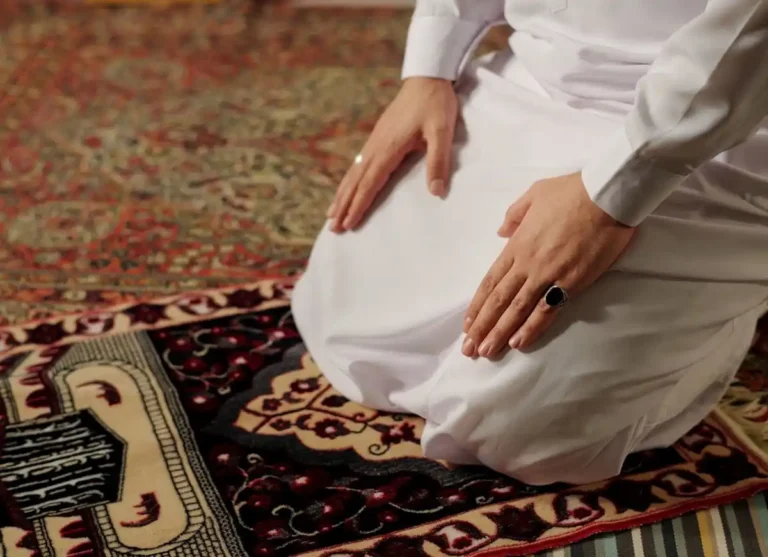
| Standing | Begin prayer | Takbir, thana, Al-Fatihah, another surah |
| Bowing | Go to rukū‘ | Subhana Rabbiyal-‘Azim |
| Standing | Rise from rukū‘ | Sami‘Allahu liman hamidah, Rabbana lakal-hamd |
| First prostration | Go to sujūd | Subhana Rabbiyal-A‘la |
| Sitting | Sit briefly | Silent pause or short supplication |
| Second prostration | Go to sujūd again | Subhana Rabbiyal-A‘la |
Important Hadith References
The Prophet ﷺ taught the man who prayed badly to begin with takbir, recite from the Qur’an, bow with calmness, stand straight, and prostrate with calmness.
Link: Read the Sunnah.com narration explaining the basic prayer steps
The Prophet ﷺ said that the key to prayer is purification, its opening is takbir, and its closing is taslim.
Link: See the Sunnah.com narration about entering and ending prayer
These two narrations make the prayer easy to understand. Purification comes first, then takbir begins the salah, and the prayer ends with salām. Calmness in each posture is part of praying properly.
Common Beginner Mistakes
- Rushing through rukū‘ and sujūd
- Forgetting Surah al-Fatihah
- Mixing up the prayer order
- Not sitting properly for tashahhud
- Treating recitation as memorization only, without attention
Helpful Habit Tips
- Start with one prayer and perfect it
- Use a printed or saved recitation sheet
- Memorize one line at a time
- Pray slowly, even if your recitation is short
- Review meanings in English and Urdu so the heart stays present
Hanafi Fiqh Books for Further Study
- Al-Asl
- Al-Mabsut
- Al-Bahr al-Ra’iq
- Fatawa Qadi Khan
Categories: PRAYER ,ALMS , SAWN & The Holy Quran, Quran Jaz 1- 114

FAQs
How many rak‘ahs are in namaz?
The number depends on the prayer. Fajr, Zuhr, Asr, Maghrib, and Isha each have their own rak‘ah structure, including fard, sunnah, and sometimes witr.
Do I need to know Arabic before I start praying?
No. Start learning step by step. Memorize the short recitations gradually, and learn their meanings in English and Urdu as you improve.
What is the most important recitation in prayer?
Surah al-Fatihah is the central recitation in each rak‘ah. A beginner should focus on learning it correctly and reading it calmly.
Can I keep a namaz guide with me while learning?
Yes, many beginners use a small guide or chart to learn the order. The goal is steady improvement until the prayer becomes natural.
How long does it take to learn namaz?
That depends on the person, but many people learn the basic flow quite quickly with daily practice, patience, and short repeated review.
Conclusion
By now, how to recite namaz should feel much clearer and far less overwhelming. Learn the prayer in small steps, understand the meanings, and keep practicing without fear. Over time, the words become familiar, the movements become easy, and the heart becomes more present. That is the beauty of salah. In the end, how to recite namaz is not just about words on the tongue, but about standing before Allah with sincerity, calmness, and hope.
Similar Posts For You:
- Wudu (Step-by-Step)
- Fajr Prayer (How to Perform)
- Zuhr Prayer (How to Perform)
- Asr Prayer (How to Perform)
- Maghrib Prayer (How to Perform)
- Isha Prayer (How to Perform)
- Sunnah Prayers in Islam (Types)
- How To offer Nafl Namaz The Right Way?
- How To Do Tahajjud Namaz Step by Step Guide?
- Full Namaz in English Translation Learn by Heart
- Step-by-Step Method To Pray Eid-ul-Adha Namaz
- Learn Dua For Namaz e Janaza Step by Step Guide
- Do You Know The Meaning of Dua namaz e janaza?
- How To Pray Istikhara Namaz Step by Step Guide?
- Can A Girl Lead Salah if Only Girls? Step by Step Guide