
Intention to fast dua is only half of the picture; the other half is knowing what the niyyah actually requires. Many people memorize a line of Arabic yet feel unsure whether they “did it right.” This guide separates what is essential from what is simply helpful, so you can start every fast with a clear mind.
For a handy collection of prayers to keep beside you, see Fortress of the Muslim on Amazon.
Arabic and Transliteration
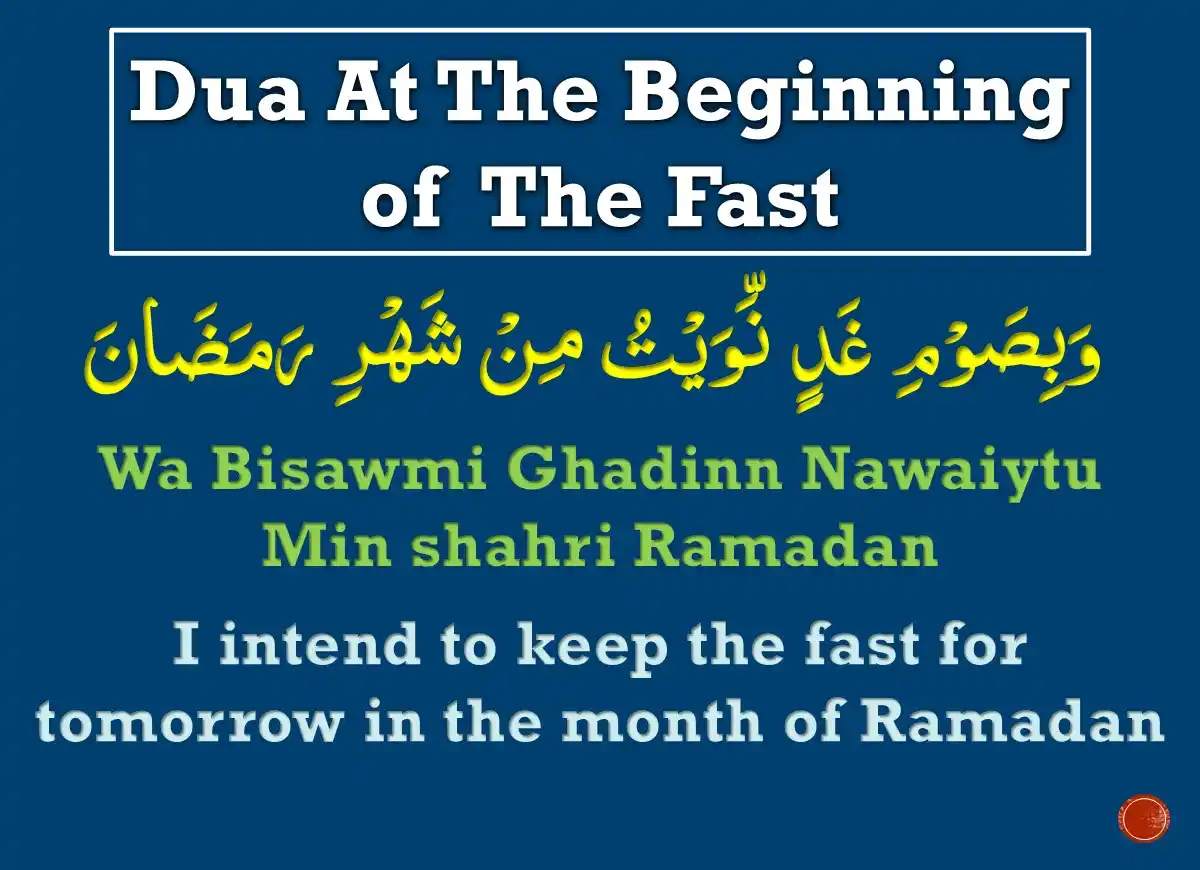
نَوَيْتُ أَنْ أَصُومَ صَوْمَ غَدٍ لِلَّهِ تَعَالَى مِنْ شَهْرِ رَمَضَانَ
Nawaytu an asuma sawma ghadin lillahi ta’ala min shahri Ramadan.
English Translation
“I intend to fast tomorrow, for Allah the Most High, in the month of Ramadan.”
Urdu Translation
میں نے اللہ تعالیٰ کے لیے ماہِ رمضان کے کل کے روزے کی نیت کی۔
How to Make Intention for Ramadan Fasting
Three things make a niyyah complete: you know you are fasting, you know why (for Allah), and you know which fast it is. That is all. Whether you say it in Arabic, Urdu or English, the language is secondary. Decide it before sleeping, or when you wake for suhoor.
Categories: Namaz ,Prayer , Hadith & Supplications
Why Niyyah Matters
Without intention, going hungry is just a diet. With it, the same hunger becomes worship. You can read about the fast itself in Wikipedia’s article on Ramadan or in Britannica’s overview of Ramadan.
Benefits of Setting It Clearly
- Calm start: you stop second-guessing your fast.
- Better focus: you remember your purpose when hunger hits.
- Family habit: children learn it by watching you.
- Sincerity: your day belongs to Allah, not to routine.
Qur’an References
- Surah Al-Baqarah 2:187 Transliteration: Wa kulu washrabu hatta yatabayyana lakumul-khaytul-abyadu minal-khaytil-aswadi minal-fajr, thumma atimmus-siyama ilal-layl. Meaning: Eat and drink until the white thread of dawn becomes clear from the black thread, then complete the fast until night.
- Surah Al-Baqarah 2:184 Transliteration: Wa an tasumu khayrun lakum in kuntum ta’lamun. Meaning: And that you fast is better for you, if only you knew.
Hadith References
- Sahih al-Bukhari 1: The Prophet ﷺ said that actions are judged by intentions, and everyone gets what they intended. Read the hadith in the opening chapter of Bukhari.
- Sahih Muslim 1154a: Aisha reported that the Prophet ﷺ asked if there was any food, and when there was none he said he would fast that day. See Muslim’s chapter on voluntary fasting.
The Insight: A Practical Fiqh Rule
In the Hanafi school, a Ramadan fast is valid if you form the niyyah at night or before midday, provided you have not eaten, drunk or done anything that breaks the fast. A voluntary fast works the same way. Renew the intention each day, and do not treat Arabic wording as a condition.
Two Hanafi titles often found in libraries and archives:
- Radd al-Muhtar (Hashiyat Ibn Abidin)
- Fatawa Hindiyya (al-Alamgiri)
The Solution: Your Daily Fasting Routine
Try this each day of Ramadan:
- Decide before bed that you will fast tomorrow.
- Set a suhoor alarm, even for a light meal.
- Say your niyyah in a language you understand.
- Make a quick dua for fasting: “O Allah, make this day easy and accept it.”
- At sunset, say the iftar dua taught in Sunan Abu Dawood.
Suitable Sites for Further Learning
| Site | Best For |
| Alim.org | Comparing Quran translations and tafsir |
| Sunnah.com | Checking hadith numbers and grading |
| IslamQA | Referenced answers on fasting rulings |
| Islamic Teachings Forum | Community discussion and learning |
Habit Tips
- Write your niyyah on a sticky note by your suhoor spot.
- Learn two fasting duas this Ramadan, one for the morning and one for iftar.
- Remind your family about niyyah the night before.
FAQs
Can I decide to fast after Fajr?
For a voluntary fast, yes, if you decide before midday and have not eaten or drunk. The Prophet ﷺ did this, as Aisha reported.
What dua do I say at iftar?
Many Muslims say the iftar dua taught in Sunan Abu Dawood. You can also say Bismillah and thank Allah for the food.
What if I am unsure I made niyyah?
If you woke for suhoor or planned to fast, that is niyyah. Do not spiral into doubt; you may also renew it before midday.
Conclusion
You now know what the intention to fast dua really does: it connects your tongue to a decision already in your heart. Keep your niyyah simple, sincere and daily. Add a few fasting duas, and each Ramadan morning begins with purpose. One small step tonight can change the whole month.
Learn Quran for Free
Want to learn Quran and daily duas with a teacher? Message us:
- WhatsApp: +923017363500
Email: [email protected]
Must Read:
- Dua For Forgiveness in Islam
- What Does Bismillah Mean?
- Allahumma Ajirni Minan Naar
- Explain Astaghfirullah Meaning in Urdu
- Bismillahirrahmanirrahim in Arabic Text
- Allahumma Rahmataka Arju: A Dua For Hope
- What Does Bismillah al Rahman al Rahim Mean?
- Allahumma Ajirni Minan Naar in Arabic & English
- Allahumma Ajirni Minan Naar Meaning in Urdu
- What is Hasbunallahu Wa Ni Mal Wakeel Meaning?
- Complete Guide To The Dua Allahummaghfirli Zambi
- Define Tabarakallah With Quran & Hadith References
- Allahummaghfirli Warhamni Dua Meaning & Daily Use
- Astaghfirullah Wa Atubu Ilaih – Powerful Astighfar Zikr
- Bismillahirrahmanirrahim Transliteration & Translation
- Dua After Praying – Do This For Rizq, Mercy & Blessings!
- Allahumma Ajirni Minan Naar (Dua For Protection From Fire)