
Isha namaz rakat is one of the most searched prayer topics because many Muslims, especially beginners, feel unsure about what is compulsory, what is sunnah, and what is optional. That confusion is common. The good news is that once the structure is understood, Isha becomes simple, peaceful, and easy to follow every day.
After learning the basics, many readers also like to keep a simple prayer guide at home. One useful option is The Muslim Prayer Book on Amazon.
Prayer in Islam is not only a ritual. It is a daily meeting with Allah, built around fixed times and clear units called rak‘ahs. If you want background on salah in general, Wikipedia’s overview of salah and Britannica’s page on Islamic prayer give a helpful starting point.
Why People Get Confused About the Night Prayer
Many Muslims hear different totals for Isha. One person says four, another says nine, and someone else says seventeen. The reason is simple: some people count only the obligatory part, while others count the full routine including sunnah, nafl, and witr. That is where most confusion begins.
In basic Hanafi practice, the full Isha routine is often described as 17 rak‘ahs: 4 sunnah ghair muakkadah, 4 fard, 2 sunnah muakkadah, 2 nafl, 3 witr, and 2 more nafl. Out of these, the 4 fard are the compulsory core, and witr is strongly emphasized in Hanafi fiqh. This matches the structure in your brief and aligns with mainstream fiqh discussions.
The Basic Breakdown
| Part of the prayer | Rakats | Status |
| Sunnah Ghair Muakkadah | 4 | Recommended |
| Fard | 4 | Obligatory |
| Sunnah Muakkadah | 2 | Strongly recommended |
| Nafl | 2 | Optional |
| Witr | 3 | Wajib in Hanafi fiqh |
| Nafl | 2 | Optional |
This table helps solve the main problem quickly. If someone asks, “how many rakat in isha namaz,” the shortest clear answer is this: 4 fard are compulsory, while the fuller prayed set may reach 17 depending on what a person includes.
What Matters Most First
A new learner should not panic about every optional part on day one. The first goal is to protect the 4 fard correctly and consistently. After that, a person can build the sunnah prayers, then witr, then extra nafl with confidence and calm. This step-by-step habit is practical and sustainable.
Qur’an Guidance About Prayer
The Qur’an repeatedly teaches Muslims to guard their prayers and establish them with care. That principle matters here because the night prayer closes the day. It is often the last act of worship before sleep, so it carries a special feeling of completion, discipline, and sincerity.
1) Surah Al-Baqarah 2:238
Transliteration: Hafizu ‘ala-s-salawati was-salatil-wusta wa qumu lillahi qaniteen
Short meaning: Guard all prayers carefully, and stand before Allah with devotion and obedience.
Read this verse on Quran.com
2) Surah Al-‘Ankabut 29:45
Transliteration: Watlu ma uhiya ilaika minal-kitabi wa aqimis-salah
Short meaning: Recite what has been revealed to you and establish prayer, because true prayer keeps a person away from shameful and wrong actions.
Read this verse on Quran.com
Hadith That Give Practical Insight
The Prophet Muhammad ﷺ taught Muslims not only to pray, but to value prayer as daily cleansing and protection. That makes Isha more than a checklist. It becomes a way to end the day clean in heart, humble in spirit, and connected to Allah before rest.
1) Sahih al-Bukhari 528
Short meaning: The five daily prayers wash away sins, just as frequent washing removes dirt from the body.
See the hadith on Sunnah.com
2) Sahih Muslim 754a
Short meaning: The Prophet ﷺ instructed believers to observe witr before morning begins, showing its importance in the night prayer routine.
Read the narration on Sunnah.com
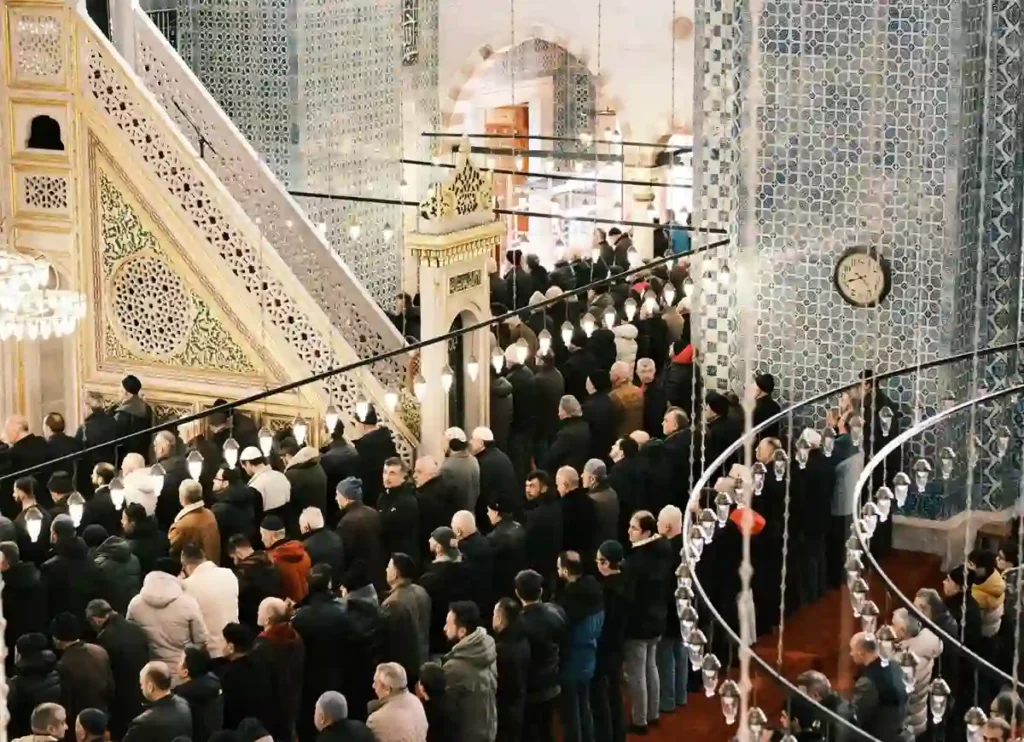
How to Pray the 4 Fard of Isha
The 4 fard are prayed in the same basic form Muslims know from other four-rakat obligatory prayers. Begin with intention in the heart. Say Allahu Akbar. In the first two rak‘ahs, recite Surah al-Fatihah and another surah. In the third and fourth, recite Surah al-Fatihah only, then complete ruku, sujood, tashahhud, durood, dua, and salam.
A very simple checklist looks like this:
- Make intention in the heart
- Start with takbir
- Recite al-Fatihah and another surah in the first two rak‘ahs
- Complete ruku and sujood properly
- In rak‘ahs three and four, read al-Fatihah
- Finish with tashahhud, durood, dua, and salam
Benefits of Understanding the Night Prayer Properly
When the structure is clear, prayer becomes easier to love. You stop guessing. You stop feeling embarrassed. You stop worrying whether you missed something small. Instead, you build a steady relationship with worship, and that steadiness often improves concentration, discipline, and peace of mind.
It also helps families teach children more clearly. Many mistakes in learning salah come from unclear explanations, not from lack of sincerity. A simple table, a short routine, and repeated practice can make a huge difference over time, especially for first-time learners.
Helpful Study Sources in Hanafi Fiqh
Here are some commonly known Hanafi fiqh titles that readers often consult in libraries, archives, or study circles:
- نور الإيضاح (Noor al-Idah)
- Mukhtasar al-Quduri
- Al-Hidayah
- Bihishti Zewar
For practical fatwa-style reading about related issues, many readers also check IslamQA.info’s discussion on prayer after Isha. Some people also browse IslamicTeachings.org/forum for general learning and discussion.
A Simple Habit Plan
A useful way to stay regular is to keep the order small in your mind. Remember the compulsory center first, then build around it. For many people, consistency grows when they pray on time, keep distractions away, and avoid overcomplicating details in the beginning.
A good habit formula is:
- Protect the 4 fard every day
- Add the 2 sunnah after fard regularly
- Keep witr consistent at night
- Add nafl when energy and time allow
- Review mistakes calmly, not harshly
FAQs
How many compulsory units are in the night prayer?
The compulsory part is 4 fard. That is the core minimum every Muslim must protect in the Isha prayer.
Why do some people say Isha has 17 rakats?
They are counting the full set, including sunnah, nafl, and witr, not only the obligatory four.
Is witr part of the night prayer routine?
Yes. In Hanafi fiqh, witr is treated as wajib and is strongly emphasized after Isha before Fajr.
Can a beginner start with only the compulsory part?
Yes. A beginner should first learn and protect the 4 fard correctly, then build the rest gradually.
When does Isha time end?
Its time continues through the night and ends when Fajr begins, so it should be completed before dawn starts.
Final Thought
Once you understand isha namaz rakat, the confusion becomes smaller and the confidence becomes stronger. Learn the structure, protect the 4 fard, stay regular with witr, and keep improving little by little. That is how isha namaz rakat turns from a confusing topic into a beautiful daily habit that closes your day with faith, order, and peace.
Recommended For You:
- 6 Types of Sunnah Prayers In Islam
- How to Perform Wudu Step by Step?
- How to Perform Fajr Prayer (صلاة الفجر)?
- How to Perform Zuhr Prayer – صَلَاة ٱلظُّهْر?
- How to Perform Asr Prayer- صلاة العصر)?
- How to Perform Maghrib Prayer- صلاة المغرب?
- How to Perform Isha Prayer-صلاة العشاء?