
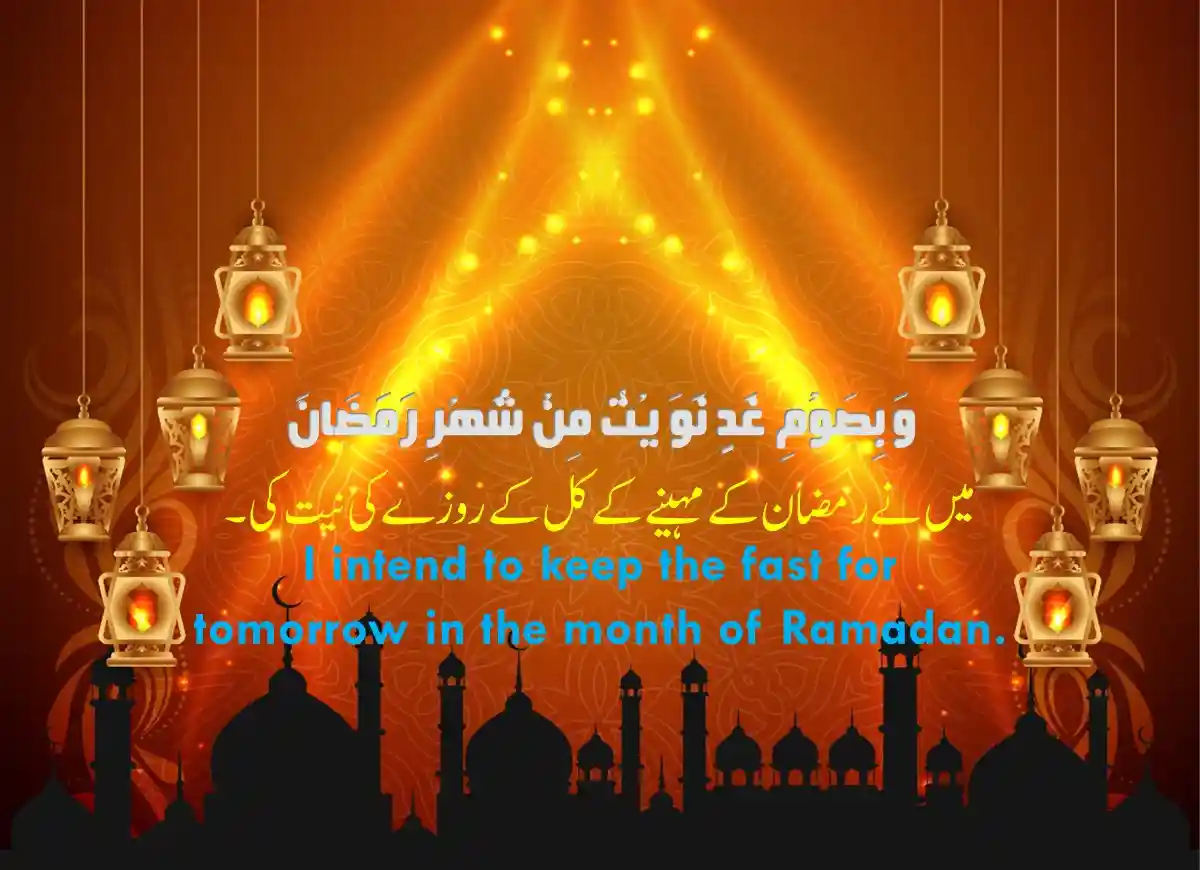

Roza rakhny ki dua is a small phrase with a big purpose: it helps you start fasting with intention, focus, and hope. Many Muslims want the exact words, but they also want to know what really matters—what is Sunnah, what is common practice, and what Allah accepts from a sincere heart.
Amazon book pick (1 link): A simple, trusted dua collection many families keep at home is Fortress of the Muslim (Hisnul Muslim)
Problem: A common confusion among Muslims
People often ask, “Is there one fixed dua for keeping a fast?” Some memorize one line and worry if they forget it. Others only know the iftar dua and don’t know what to say at suhoor. Many also wonder if intention must be spoken out loud, or if it’s enough to intend in the heart.
Insight: What the dua is really doing
Dua is not a password that “activates” fasting. It is a way to turn the heart toward Allah before the day begins. Roza is worship, but it is also training—training your patience, your tongue, and your self-control. A short dua helps you start the day with the right mindset.
For general background on fasting, you can read this Wikipedia page on fasting: https://en.wikipedia.org/wiki/Fasting
And for a short, reference-style overview, Britannica’s article on fasting is also helpful: https://www.britannica.com/topic/fasting
The simplest Hanafi-friendly rule of thumb
A helpful way many Hanafi teachers explain it is this:
- The niyyah (intention) is mainly in the heart.
- Saying words can help you focus, but it is not the only “valid” form.
- If you woke up for suhoor and planned to fast, that itself shows intention.
So don’t turn fasting into anxiety. Keep it sincere and simple.
Most relevant Qur’an references (2 only)
This article rotates to Alim.org Qur’an links. Translations are short and easy, with simple transliteration.
Short meaning: Fasting is prescribed so you may gain taqwa (self-restraint and awareness of Allah).
Transliteration (short): Kutiba ‘alaykumuṣ-ṣiyām… la‘allakum tattaqūn
Short meaning: Eat and drink until dawn becomes clear, then complete the fast until nightfall.
Transliteration (short): …wa kulū wa’shrabū ḥattā yatabayyana lakumu… thumma atimmuṣ-ṣiyāma ilā al-layl
Hadith references (2 only, rotation: Abu Dawood + Tirmidhi)
This article rotates to Sunan Abu Dawood and Jami` at-Tirmidhi. Hadith links are from Sunnah.com.
Short meaning: The Prophet ﷺ said at iftar: “Thirst is gone, veins are moistened, and reward is confirmed, if Allah wills.” Read it here: Dua to say when breaking the fast
Short meaning: The fasting person’s dua at the time of breaking the fast is not rejected (along with two other accepted duas).
Read it here: Hadith on accepted dua at iftar
What to say at suhoor: intention made easy
A lot of people search for roza ki dua and expect a single official sentence. In reality, you can intend in your heart and still say something short to focus yourself. If you prefer words, you can say a simple intention like
- “O Allah, I intend to fast today for Your sake. Accept it from me.”
This is clear, sincere, and easy for beginners. It also avoids turning worship into a memorization test.
What to say at iftar: a Sunnah dua you can keep
At iftar, many people say different duas. One strong, well-known Sunnah wording is the one reported in Sunan Abu Dawood (above). It is short, easy, and meaningful:
- Dhahaba al-ẓama’u wabtallatil-‘urūq wa thabatal-ajru in shā’ Allāh
Meaning: “Thirst is gone, veins are moistened, and reward is confirmed, if Allah wills.”
You can say it calmly, then make your personal dua. That is a powerful moment.
Why these duas matter (benefits you can feel)
When you add dua to fasting, you don’t just “skip food.” You build a relationship with Allah through the day. People often notice:
- Stronger patience in stressful moments
- Less anger and less harsh speech
- More gratitude for small blessings
- A softer heart at Qur’an time
- More hope that Allah is listening
Even when your day is messy, a few sincere duas can keep your worship alive.
Solution: A simple checklist + table + habit tips
Here is a realistic plan you can repeat daily without burning out.
Quick checklist for fasting days
- Before Fajr: intention in heart + one short dua
- During the day: one dua for protection from anger and gossip
- Before iftar: ask Allah for your biggest need
- At iftar: say the Sunnah dua, then eat
- After Maghrib: two minutes of istighfar
If you like sharing short reminders with others, you can discuss reflections sometimes on www.quranmualim.com
Categories: PRAYER ,ALMS , SAWN & The Holy Quran, Quran Jaz 1- 114

A simple table you can follow daily
| Moment | What to say | Goal | Time |
| Suhoor | “Allah, I intend to fast for You.” | Clear intention | 20 sec |
| Midday | “Allah, help me guard my tongue.” | Better character | 20 sec |
| Before iftar | “Allah, accept my fast and forgive me.” | Acceptance | 60 sec |
| At iftar | “Dhahaba al-ẓama’u…” | Sunnah + barakah | 15 sec |
| Before sleep | “Allah, let me improve tomorrow.” | Consistency | 30 sec |
Common mistakes (and quick fixes)
1) Treating dua like a magic formula
Fix: Keep it sincere. Allah responds to hearts, not performances.
2) Only making dua when life is easy
Fix: Make dua when you feel tested. That’s when it becomes real worship.
3) Getting stuck in “perfect words”
Fix: Use simple language. Allah already knows what you mean.
For additional dua collections and guidance, one useful Islamic resource is Duas. org’s dua library:
A gentle note about “popular wording” for intention
Some common Arabic lines for intention are widely shared in communities. If you use them, that’s fine as personal practice. But don’t judge others if they don’t say the same words. The heart’s intention is the foundation. That keeps Roza simple, welcoming, and easy to maintain.
3–5 Hanafi fiqh book titles (titles only)
Here are Hanafi fiqh titles commonly available in libraries/archives (titles only, different from your earlier lists):
- Al-Muhit al-Radwani
- Fatawa al-Bazzaziyyah
- Al-Fatawa al-Sughra
- Al-Kifayah Sharh al-Hidayah
- Al-Waqi‘at (Imam Abu Yusuf)

FAQ
Do I have to say a specific dua before fasting?
No. Intention in the heart is enough. You may say a short dua to focus yourself, but it’s not a required fixed sentence.
What is the best roza ki dua at iftar?
A strong Sunnah wording is “Dhahaba al-ẓama’u…” Then make your personal dua. Iftar time is a special moment for heartfelt requests.
If I forget the dua, is my fast invalid?
No. Forgetting the dua does not break your fast. Fasting is based on intention and avoiding things that invalidate it, not on memorizing lines.
Can I make dua in English?
Yes. Allah understands every language. English duas can be deeply sincere. Arabic duas are beautiful too, but sincerity and consistency matter most.
How can I stay consistent with duas daily?
Keep it short: one dua at suhoor and one before iftar. Tie it to the routine you already do, so you don’t depend on motivation.
Conclusion
When you keep your fasting simple and sincere, it becomes easier to continue for the whole month. roza rakhny ki dua is not about perfect words or pressure. It is about starting your fast with intention, ending it with gratitude, and turning to Allah again and again through the day. Keep it steady, and you’ll feel the change.
Recommended For You
- Best Dua For Safe Pregnancy And Delivery
- So Kar Uthne Ki Dua | Dua After Waking Up
- Dua For Rizq (How To Increase Your Money)
- la ilaha illa anta subhanaka inni kuntu arabic
- Allahumma Rahmataka Arju: A Dua For Hope
- What To Say When Someone Dies Islam Dua?
- Dua For Istikhara in Arabic & Urdu Translation
- Powerful Dua For Repentance and Forgiveness
- Praying For Death Anniversary And Forgiveness
- Arabic Prayer With Transliteration and Meaning
- Powerful Dua To Prayer For Forgiveness of Lust
- Prayer For Forgiveness of Others – Islamic Guide
- Dua For Safety of Family (Protection & Happiness)
- Powerful Dua For Repent and Seeking Forgiveness
- Safe Travel Prayer For A Friend With Transliteration
- Arabic Safe Trip Prayer Messages For Your Loved Ones