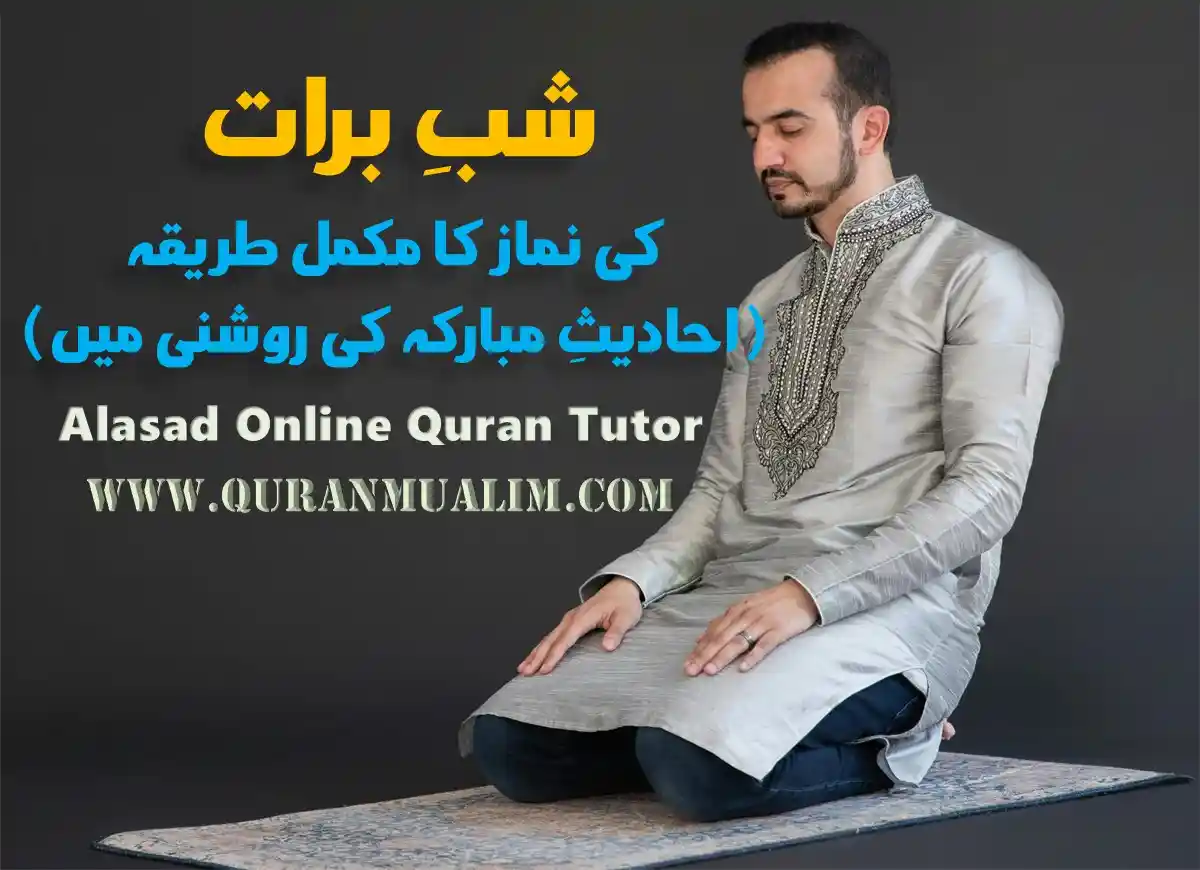

Shab e Barat Namaz ka Tarika often becomes a real question on a quiet Sha‘ban night, when your phone fills with reminders and your heart suddenly feels a little heavier. You want to do something meaningful. But you also don’t want to copy random “fixed formulas” without understanding. That’s a good place to start.
Think of this night like a startup launch for your soul. The problem is familiar: missed prayers, scattered focus, and regrets that follow you around. The solution is simple: return to Allah with sincere repentance, pray voluntary salah calmly, and end the night with a softer heart.
What Shab-e-Barat is (and what it isn’t)
In many South Asian communities, Shab-e-Barat refers to the middle night of Sha‘ban. People often call it the Night of Forgiveness and treat it as a time for extra worship, du‘a, and reflection. Some details are debated among scholars, so it helps to keep your worship on safe, clear ground.
It’s important to know what the night is not. It is not a night where Islam forces one “official” number of rak‘ahs for everyone. And it is not a night for showing off. The best worship is quiet, sincere, and consistent with the Qur’an and Sunnah.
Hope and sincere repentance
When people worry about sins, the Qur’an responds with hope. Surah Az-Zumar (39:53) is one of the strongest verses to carry into this night:
لَا تَقْنَطُوا مِن رَّحْمَةِ ٱللَّهِ
Translation: “Do not despair of the mercy of Allah.”
That verse isn’t about one night only. It’s Allah’s open invitation, again and again, to come back—no matter how far you feel.
Another verse keeps repentance practical. Surah At-Tahrim (66:8) says:
تُوبُوا۟ إِلَى ٱللَّهِ تَوْبَةًۭ نَّصُوحًا
Translation: “Turn to Allah in sincere repentance.”
Sincere repentance means regret, stopping the sin, and choosing a better path with Allah’s help.
The Relevant Hadith to remember
Many people mention a narration about the middle night of Sha‘ban from Sunan Ibn Majah (Hadith 1390):
“Allah looks down on the night of the middle of Sha‘ban and forgives…”
Arabic excerpt: يَطَّلِعُ… لَيْلَةِ النِّصْفِ مِنْ شَعْبَانَ
This report is often discussed by scholars, and some sources present it with a weak grading. So don’t build your faith on “strict rituals” tied only to that report. Instead, take the lesson that is always true: seek forgiveness and remove hatred from your heart.
For a crystal-clear hadith about repentance at night, use Sahih Muslim (Hadith 2759a):
إِنَّ اللَّهَ… يَبْسُطُ يَدَهُ بِاللَّيْلِ… وَبِالنَّهَارِ…
Translation: “Allah stretches out His Hand at night to accept repentance… and by day… until the sun rises from the west.”
Also Read: Third Kalima Tamjeed Arabic English Translation
That hadith fits the spirit of the night perfectly—Allah welcomes your return.
A calm, beginner-friendly plan for the night
If you want the cleanest approach, keep it simple. Start with the obligations, then add voluntary worship. Your goal is presence, not pressure. Even 30 focused minutes can be better than hours with a distracted mind.
Here’s a short plan that fits most schedules:
- Pray Maghrib and ‘Isha on time
- Sit for 5 minutes of quiet tawbah
- Pray 2 rak‘ahs nafl slowly
- Recite Qur’an (even one page)
- Make du‘a for forgiveness and guidance
- End by forgiving people in your heart
This is worship you can repeat, not just a one-night sprint.
Shab e barat ki namaz ka tarika (how to pray nawafil the safe way)
Voluntary prayers (nawafil) are prayed like normal nafl salah: two rak‘ahs at a time, calmly, without rushing. There is no single “required” number for everyone, so don’t panic if you can’t do long routines.
A simple pattern many people follow:
- 2 rak‘ahs nafl → short break
- 2 rak‘ahs nafl → du‘a
- Repeat as your energy allows
If your concentration drops, stop and make dhikr. Quality matters more than quantity.
What to Recite in nafl prayer
Recite what you know well. Short surahs are completely fine. The point is khushu‘ (focus), not showing your memory. If you like, you can add Qur’an recitation outside salah too, because it keeps the night grounded.
Many people also recite Ayat al-Kursi for protection and remembrance. It is Surah Al-Baqarah (2:255):
ٱللَّهُ لَآ إِلَٰهَ إِلَّا هُوَ ٱلْحَىُّ ٱلْقَيُّومُ
Translation (start of the verse): “Allah—there is no god ˹worthy of worship˺ except Him, the Ever-Living, the Sustainer of all.”
A gentle word about popular “fixed” Shab-e-Barat routines
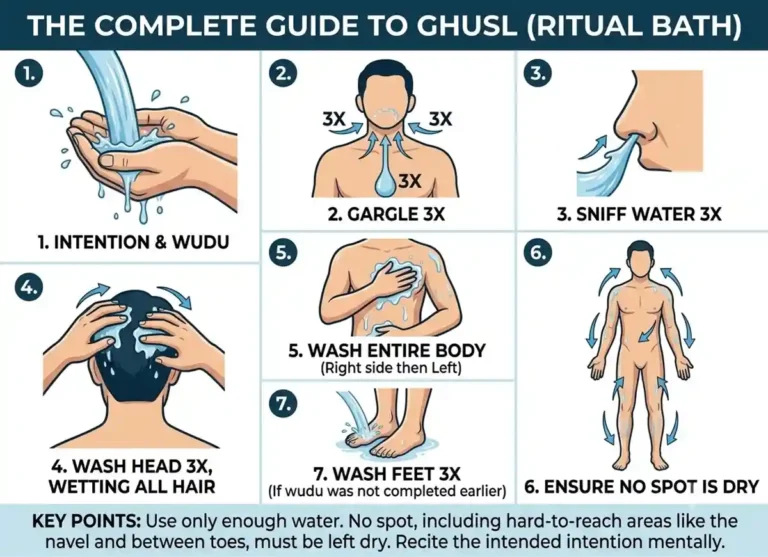
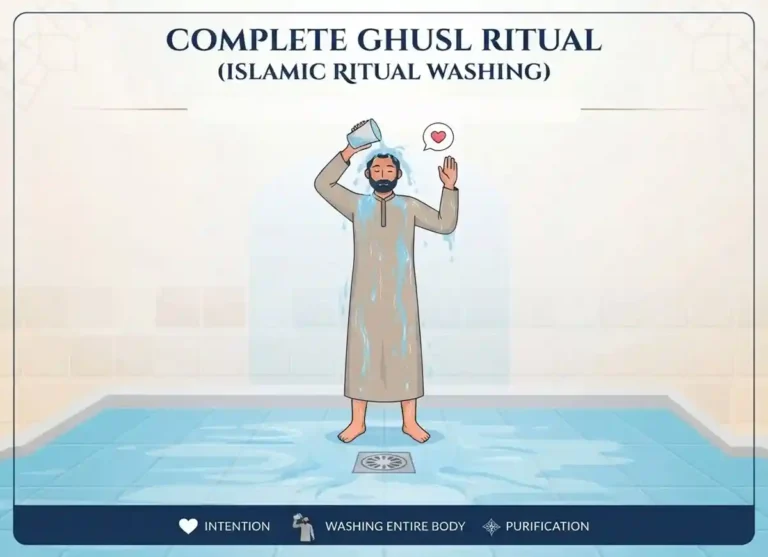
In Pakistan and India, you may hear specific routines like “six rak‘ahs after Maghrib with different intentions,” or special ghusl customs, or long lists of surah counts. Some of these are cultural traditions that families love. Others are debated because they aren’t established with strong, clear proof.
If your family follows a routine, keep respect. Join what is good. But don’t treat it like a religious law. The safest worship remains: nafl prayer, Qur’an, dhikr, du‘a, charity, and sincere repentance.
Shab e barat namaz ka tarika in english: the simplest “script”
If you want it in plain English, here’s the simplest “how-to” you can remember without stress:
- Pray your fard salah on time
- Add extra nafl in pairs of two
- Read Qur’an with meaning
- Ask Allah for forgiveness honestly
- Forgive others and repair ties
- Sleep with a clean intention for tomorrow
That’s it. No complicated formulas. Just a straight path back to Allah.
Du‘a that fits the night (simple and real)
You don’t need long paragraphs. Speak like someone who truly wants to change. Try these short lines:
- “O Allah, forgive my sins and guide me.”
- “O Allah, remove anger and jealousy from my heart.”
- “O Allah, bless my parents and my home.”
- “O Allah, write goodness for my future and my faith.”
If you want a short Arabic habit, repeat: أستغفرُ الله (Astaghfirullah).
What changes after the night
The best nights leave a mark. Not on your social media, but on your character. If you pray extra but keep grudges, you missed a major lesson. If you pray a little but sincerely repent, forgive someone, and fix one habit, you did something powerful.
This is how the “startup” becomes real. You don’t just launch a spiritual moment. You build a spiritual life—slowly, steadily, and honestly.
A confident ending to carry forward
Before you sleep, remember this: Shab-e-Barat Namaz ka tarika is not a magic shortcut. It’s a door. Walk through it with sincerity, and walk out with a plan. Keep your prayers calm. Keep your repentance real. Keep your heart clean enough to keep going tomorrow.
Start small. Stay consistent. And don’t look back like you’re trapped. Allah’s mercy is ahead.
FAQs
1) Is there a fixed number of rak‘ahs for Shab-e-Barat nafl?
The safest approach is to pray voluntary nafl in sets of two rak‘ahs, as much as you can with focus and sincerity.
2) Which Qur’an verses are best for forgiveness on this night?
Two powerful choices are Surah Az-Zumar 39:53 (“Do not despair of Allah’s mercy”) and Surah At-Tahrim 66:8 (“Turn to Allah in sincere repentance”).
3) What is the famous hadith about the middle night of Sha‘ban?
Sunan Ibn Majah, Hadith 1390, about Allah forgiving many on the middle night of Sha‘ban except certain people.
4) What is a strong hadith about repentance at night?
Sahih Muslim, Hadith 2759a, mentions Allah accepting repentance by night and by day until the sun rises from the west.
5) Can I do a simple version if I’m busy or tired?
Yes. Pray ‘Isha on time, pray two rak‘ahs nafl, recite a little Qur’an, and make sincere du‘a.
Recommended For You (Shabe Barat)
- Shab e Barat Mubarak (Lailatul Barat)
- What Should We Prayers of Shab e Barat?
- Best Shab e Barat Dua To Change Destiny
- Common Dua in Taraweeh Prayer To Recite
- So Kar Uthne Ki Dua | Dua After Waking Up
- Allahumma Rahmataka Arju: A Dua For Hope
- Why Do We Celebrate Shab-e-Barat in Islam?
- Arabic Prayer With Transliteration and Meaning
- Shab e Barat Ibadat And Prayers – Night of Forgiveness
- What is The Shab e Barat meaning? Night of Forgiveness
Salatul Tasbih
- How To Perform Salatul Tasbih?
- Definition of Subhanallah and Its Meaning
- la ilaha illa anta subhanaka Inni Kuntu Minaz Zalimin