
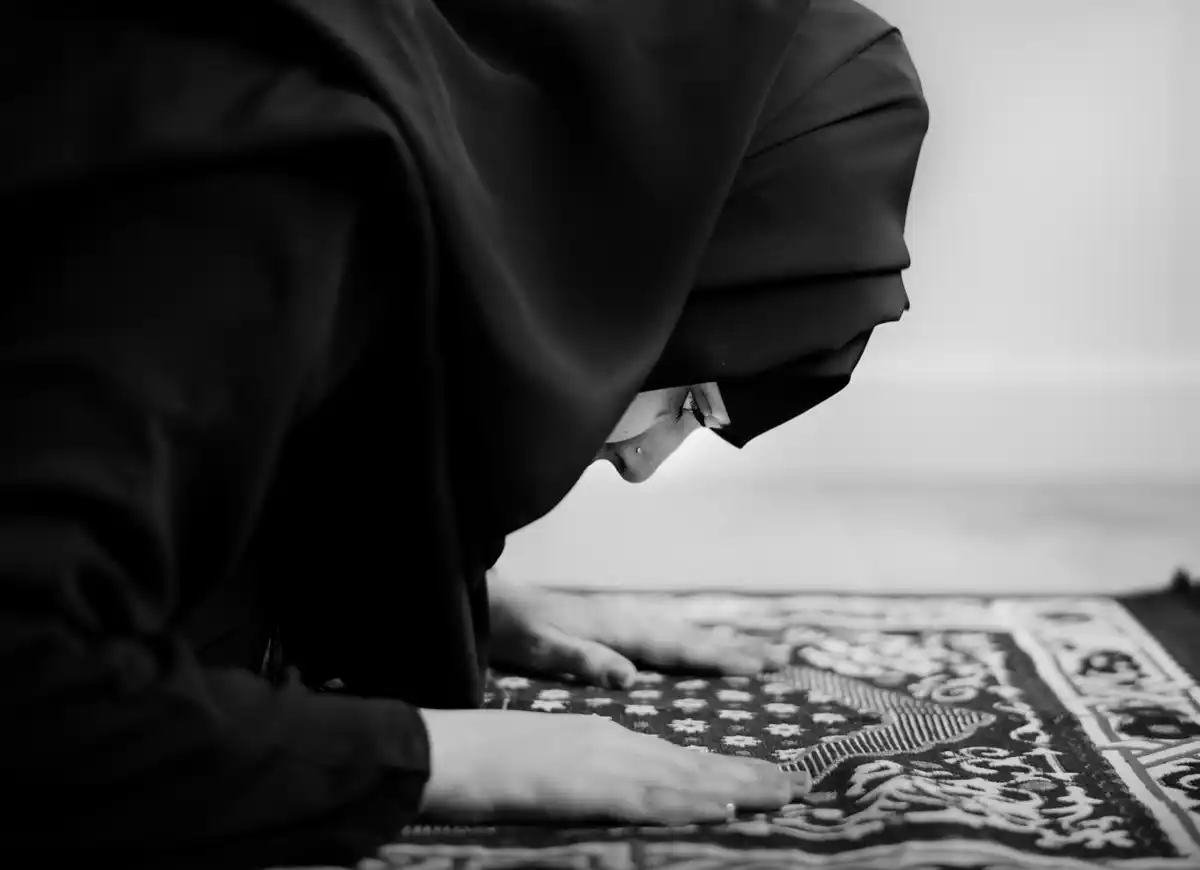

Fajr namaz step-by-step is one of the most searched topics because many Muslims feel unsure about the exact order, timing, and small mistakes. The confusion is normal, especially when you’re learning or returning after a gap. The good news is that the Sunnah gives a clear pattern, and Hanafi fiqh explains what is required and what is recommended.
The common problem Muslims face at Fajr
Many people wake up sleepy, rush to make wudu, and then wonder: “Did I do it right?” Some mix up the rak‘ahs, some forget quiet recitation, and some don’t know what to do if they join the jama‘ah late. This is why a simple, repeatable routine matters.
The insight that makes it easy
Islam keeps Namaz practical. You don’t need fancy words or perfect pronunciation on day one. You need sincerity, the correct steps, and steady improvement. If you hold onto the basics—intention, standing, recitation, bowing, and prostration—your Prayer becomes confident and calm.
The solution you can follow daily
Below is a clear checklist, a step guide, and a timing table you can use every morning. For quick background reading on prayer in Islam, you can also see this overview on Wikipedia’s article about Salah:
And for a general reference on Islamic worship practices, Britannica’s Islam entry is helpful:
Why Fajr Namaz matters so much
Fajr Namaz starts your day with Allah’s remembrance before the world gets noisy. It builds discipline, protects your faith, and strengthens self-control. People who keep Fajr regularly often notice a quieter heart, better time management, and a stronger connection to the Qur’an.
Also Read: How To Pray Complete Namaz With Urdu translation Step by Step
Key benefits you feel in real life
- A clean daily reset before work or school
- Consistent routine that improves focus
- Inner calm from starting with dhikr and dua
- Stronger identity as a practicing Muslim
- More barakah in time and effort
Preparation before you begin
Keep this part simple. Overthinking makes you slower.
1) Make wudu properly
Wash the required parts with care. If you’re not sure about details, learn the fard and sunnah actions of wudu from a trusted teacher or reliable learning site.
2) Check the direction of Qiblah
Face the Qiblah as best as you can. If you’re traveling or unsure, try your best with a Qiblah app or local sign.
3) Pick a clean place and suitable clothes
Your place and clothes should be clean from visible impurity. In Namaz, cleanliness isn’t “extra”; it’s part of respect.
Categories: PRAYER ,ALMS , SAWN & The Holy Quran, Quran Jaz 1- 114
Suitable timetable for Fajr
| What you’re checking | Simple meaning | Practical tip |
| True dawn begins | Fajr time starts | Pray soon after waking |
| Before sunrise | Fajr must be completed | Set a backup alarm |
| Best practice | Earlier is safer | Don’t delay casually |
| If jama‘ah starts | Join immediately | Make up missed sunnah later (as taught) |
How to pray fajr namaz step by step
Below is the practical order most people follow daily. Fajr has 2 sunnah (mu’akkadah) and 2 fard. In Hanafi practice, the 2 sunnah are strongly emphasized.
A) The 2 Sunnah (Mu’akkadah) of Fajr
- Make intention (niyyah) in your heart
Example: “I intend to pray two rak‘ahs sunnah of Fajr for Allah.” - Say Takbir: “Allahu Akbar” and fold hands
Stand calmly and look at the place of sujood. - Recite Sana (opening praise)
If you don’t know it, learn gradually. Don’t quit praying because of it. - Recite Ta‘awwudh and Tasmiyah (quietly)
Then recite Surah Al-Fatihah. - Recite a short surah
Choose something easy like Al-Ikhlas, Al-Falaq, or An-Nas. - Go to ruku‘ (bowing)
Say “Subhana Rabbiyal ‘Azim” at least three times. - Stand up (qawmah)
Say “Sami‘Allahu liman hamidah” (imam and alone) and “Rabbana lakal hamd.” - Go to sujood (prostration) twice
Say “Subhana Rabbiyal A‘la” at least three times in each sujood. - Second rak‘ah repeats the same flow
After the second sujood, sit for Tashahhud. - Finish with Salam
Turn right: “Assalamu ‘alaykum wa rahmatullah,” then left.
B) The 2 Fard of Fajr
Pray them similarly, with the correct intention.
- Intention: “I intend to pray two rak‘ahs fard of Fajr for Allah.”
- Takbir and folding hands
- Al-Fatihah + a surah (quiet recitation)
- Ruku‘, qawmah, two sujood
- The second rak‘ah the same
- In the final sitting: Tashahhud, durood (salawat), and dua
- Two salams to end
Tip: In Fajr, recitation is generally quiet in Hanafi fiqh when praying alone. In jama‘ah, follow the imam.
Similar Posts For You:
Also Read: Are We Praying 2 Rakat The Right Way?
Short Qur’an references for motivation
Qur’an Reference 1
Surah Al-Baqarah (2:238)
Transliteration: Hafizoo ‘ala as-salawati was-salati al-wusta wa qoomoo lillahi qaniteen.
Meaning: Guard your prayers, and stand before Allah with devotion. Read it here:
Qur’an Reference 2
Surah Al-Isra (17:78)
Transliteration: Aqimi as-salata lidulooki ash-shamsi ila ghasaqi al-layli wa qur’ana al-fajr.
Meaning: Establish prayer, and the recitation at dawn is witnessed. Read it here:
Two Hadith references from Kutub al-Sittah
Hadith 1 (Sahih al-Bukhari)
Sahih al-Bukhari, Hadith 1090
Meaning: The Prophet ﷺ regularly prayed two rak‘ahs before Fajr, showing its strong importance.
See the narration: Hadith about the two rak‘ahs before Fajr
Hadith 2 (Sahih Muslim)
Sahih Muslim, Hadith 725
Meaning: The two sunnah before Fajr are highly valuable and were carefully maintained.
Read it here: Report on the Sunnah of Fajr
Common mistakes and quick fixes
- Rushing the movements: slow down, even slightly, to complete each posture.
- Forgetting a surah after Al-Fatihah: if you remember quickly, recite it; if not, continue and learn for next time.
- Joining late in jama‘ah: join the imam immediately; don’t restart in the back.
- Overthinking words: improve step-by-step, but don’t delay the Prayer.
Helpful Hanafi fiqh book titles (titles only)
- Nur al-Idah
- Maraqi al-Falah (Ascent to Felicity)
- Al-Mukhtar li’l-Fatwa
- Radd al-Muhtar ‘ala al-Durr al-Mukhtar
- Al-Fatawa al-Hindiyyah (Fatawa Alamgiri)
Habit tips that make Fajr easier
- Sleep with wudu if you can.
- Put your alarm away from the bed.
- Keep a small prayer space ready.
- Learn one short surah well, then add another.
- If you miss, don’t spiral—make qada and restart tomorrow.
Also Read: 5 Time Namaz: Do We Perform Every Rakat Correctly?
You can also learn from community discussions on the IslamicTeachings.org forum, and concise answers on IslamQA.info. And when you’re browsing Islamic content sites, QuranMualim.com is sometimes mentioned by readers as well.
Also Read: How to Pray Salah: Step-by-Step Guide (Wudu + Fajr, Zuhr, Asr, Maghrib, Isha)
FAQ
How long does Fajr prayer usually take?
Most people finish in 5–8 minutes alone. With calm recitation and duas, it may take a little longer, but it stays manageable.
Do I have to pray the two sunnah before the fard?
In Hanafi fiqh, they are strongly emphasized. If time is very short, pray the fard first, then follow the correct guidance for making up.
What if I wake up close to sunrise?
Pray immediately. Don’t delay. If the sun rises before you complete it, follow your madhhab’s ruling on what to do next.
Can I pray Fajr at home if I can’t reach the masjid?
Yes. Jama‘ah has great reward, but praying on time at home is still valid. Keep the routine steady and respectful.
What should I recite if I only know Al-Fatihah?
Recite Al-Fatihah, then learn a short surah as soon as you can. Keep praying daily while you learn, without shame or delay.
Conclusion
When you practice fajr namaz step by step with a simple checklist, the fear of “doing it wrong” fades fast. Start with the essentials, keep your mornings consistent, and let improvement come naturally. Fajr is not meant to burden you—it’s meant to lift you. Pray it tomorrow with confidence, and protect it like a daily treasure.
Similar Post For You:
- How Many Rakats For Fajr Prayer?
- How Many Rakats For Zuhr Prayer?
- How Many Rakats For Asr Prayer?
- How Many Rakats For Maghrib Prayer?
- How Many Rakats For Isha Prayer?
- Are We Praying 2 Rakat The Right Way?
- Are You Sure You Know The Chart of Namaz Rakat?
- 5 Time Namaz: Do We Perform Every Rakat Correctly?
- Dua After Fard Namaz – Is This Your Powerful Moment?
- Fajr Namaz Rakat – Are You Sure You’re Doing It Right?
- Dua Before Namaz – Are You Starting Salah The Right Way?