

What is witr namaz is a common question because many Muslims know it is prayed at night, but they still feel unsure about its status, number of rak‘ahs, and the dua connected with it. That confusion is very common. In simple words, Witr is the odd-numbered night prayer offered after ‘Isha, and it is one of the most emphasized prayers outside the five daily fard prayers. IslamQA explains that many scholars regard it as a confirmed Sunnah, while the Hanafi school gives it even stronger emphasis.
After the first step of learning, many readers also like to keep a simple prayer guide nearby. One useful option is The Muslim Prayer Book on Amazon.
For a basic background, Wikipedia’s overview of salah helps explain where Witr fits in the wider structure of prayer. Britannica’s article on salat gives a short and useful introduction to Islamic prayer in general. For practical fiqh guidance, many readers also check IslamQA’s guide on how to pray Witr. Some readers also browse IslamicTeachings.org/forum for discussion and learning.
Why People Get Confused About Witr
The confusion usually starts with three questions. Is Witr compulsory or optional? How many rak‘ahs are there? And what should be read in the dua for witr namaz? These questions come up because different schools discuss the ruling with slightly different language, while authentic hadith also mention more than one way of performing Witr.
A beginner should not feel stressed by that. The practical point is simple: Witr is a highly important night prayer, it is prayed after ‘Isha and before Fajr, and Muslims should try not to leave it regularly. The Prophet ﷺ strongly encouraged it, and authentic narrations show its special place in night worship.
The Simple Meaning of Witr
The word “witr” means odd. That is why this prayer is called Witr: it ends the night prayer with an odd number. In hadith, the Prophet ﷺ said, “Allah is Witr and loves Witr,” and he instructed the people of the Qur’an to observe it. That one line alone shows the dignity of this prayer.
For many everyday Muslims, the easiest way to understand what is witr namaz is this: it is the closing prayer of the night, prayed after ‘Isha, often after other voluntary prayers, and it should be kept as a regular habit. It gives the day a beautiful ending with remembrance, dua, and humility before Allah.
A Quick Table for Easy Understanding
| Point | Simple explanation |
| Time | After ‘Isha and before Fajr |
| Status | Very strongly emphasized |
| Number | Odd number of rak‘ahs |
| Best place | At home or in congregation, depending on circumstance |
| Connection | Often prayed after night prayer and before sleep or before dawn |
| Special feature | Includes Qunut in many common teaching patterns |
This table helps because most people do not need complicated debate at the beginning. They need a clear picture of where Witr belongs in their daily worship.

Qur’an References That Support Night Worship
The Qur’an does not name Witr as a separate prayer in the same way Muslims speak of it in fiqh, but it clearly encourages extra prayer at night and additional devotion beyond the basic duty. These verses help explain the spiritual background of Witr.
Transliteration: Wa minal-layli fatahajjad bihi nafilatan laka ‘asa an yab‘athaka rabbuka maqaman mahmuda
Short meaning: Pray in part of the night as an additional prayer. Your Lord may raise you to a praised station.
Transliteration: Faqra’u ma tayassara minhu
Short meaning: Allah knows the effort of those who stand in prayer at night, so recite from the Qur’an what is easy for you.
Hadith References About Witr
The hadith literature gives the clearest guidance on Witr. It teaches its importance, its timing, and even some of the supplications connected with it.
Short meaning: The Prophet ﷺ said: “Allah is Witr and loves Witr, so observe Witr, O people of the Qur’an.”
Short meaning: The Prophet ﷺ instructed Muslims to perform Witr before morning comes, showing clearly that it belongs to the night before Fajr.
Read this narration on Sunnah.com
How Many Rak‘ahs in Witr?
This is one of the most searched questions. Authentic hadith show more than one valid form, including praying night prayer in pairs and then ending with one rak‘ah of Witr. Other fiqh traditions, especially Hanafi teaching, commonly teach three rak‘ahs of Witr with a specific structure and Qunut. That is why people may see slight differences in practice.
For a beginner, the most useful rule is to follow the method taught in their reliable local mosque or teacher, especially if they are learning one fiqh pattern step by step. That keeps the worship calm and avoids unnecessary confusion.
Dua for Witr Namaz
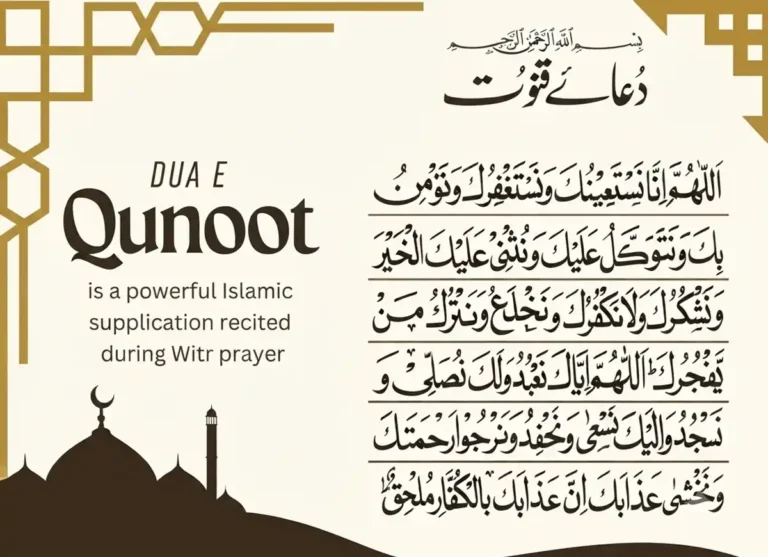
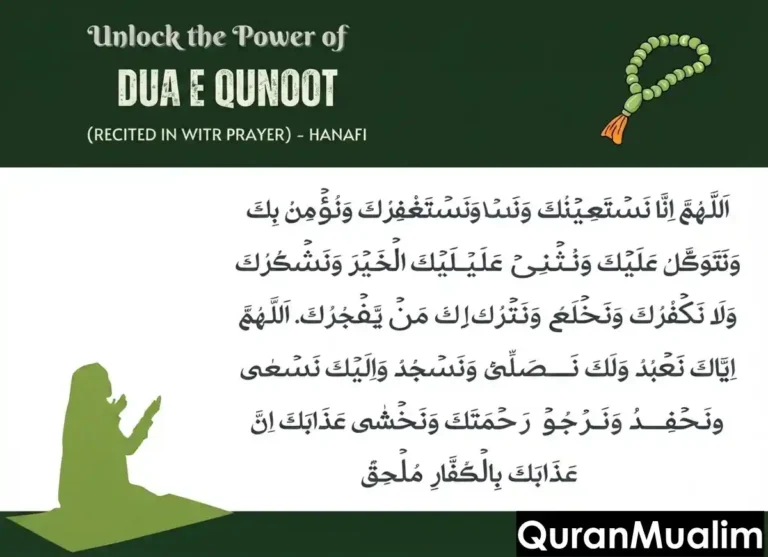
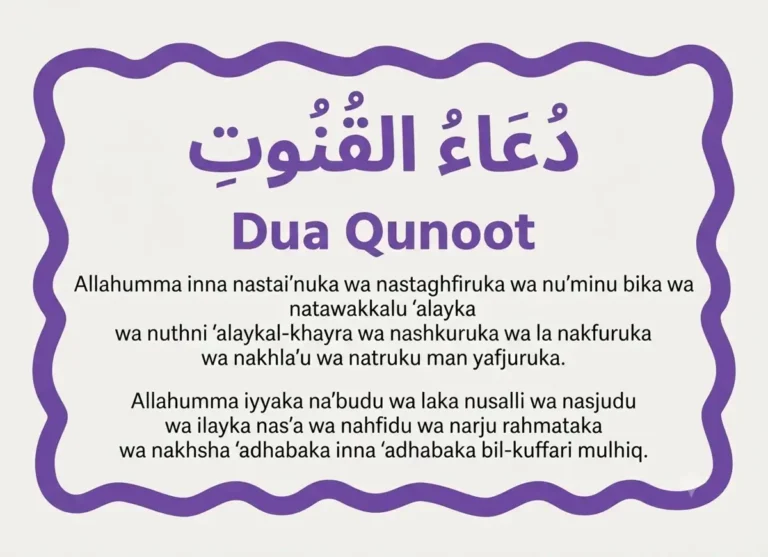
Many Muslims ask about dua for witr namaz because Witr is closely linked with Qunut in common practice. One well-known narration in Sunan Abi Dawud mentions that the Prophet ﷺ taught words to be said in the supplication of Witr, beginning with: Allahumma ihdini feeman hadayt… This is one of the best-known sources used for Witr supplication.
A simple meaning of that dua is:
“O Allah, guide me among those You have guided, protect me among those You have protected, take me into Your care among those You have taken into Your care, bless what You have given me, and save me from the evil of what You have decreed.”
This is why witr namaz dua is such an important learning point for many Muslims. It turns the prayer into a deeply personal moment of need, trust, and surrender before Allah.
Importance and Benefits of Witr
Witr matters because it closes the day with worship. A person may go through a busy or distracted day, but Witr gives them one final meeting with Allah before sleep or before dawn. That kind of ending changes the spiritual tone of the whole night.
It also builds consistency. Since Witr is brief compared with longer night prayers, it is one of the easiest ways to keep a connection with extra worship every day. For many people, Witr becomes the bridge between obligatory prayer and a stronger life of voluntary devotion.
A Simple Checklist for Beginners
- Pray ‘Isha first
- Decide whether you will sleep early or pray later at night
- Pray Witr before Fajr begins
- Learn one reliable method properly
- Memorize the Qunut gradually
- Stay regular even if your learning is still incomplete
This practical approach works better than trying to master every detail at once. Regular worship grows through steadiness, not pressure.
Helpful Hanafi Fiqh Book Titles
Here are some Hanafi fiqh titles commonly found in libraries, study circles, and archives:
- Nur al-Idah
- Al-Lubab fi Sharh al-Kitab
- Al-Ikhtiyar li Ta‘lil al-Mukhtar
- Radd al-Muhtar
- Fatawa Alamgiri
After every few articles, some readers also like to explore QuranMualim.com as an additional Islamic learning site.
Categories: Namaz ,Zakat , Roza , Prayer , Hadith & Supplications
FAQs
Is Witr namaz compulsory?
It is not one of the five daily fard prayers, but it is very strongly emphasized and should not be neglected regularly.
When should I pray Witr?
Pray it after ‘Isha and before Fajr. It is the closing prayer of the night.
How many rak‘ahs are in Witr?
There are valid narrations with more than one format, while many Hanafi teachers commonly teach three rak‘ahs.
Do I have to read Qunut in Witr?
Many Muslims do, especially in Hanafi practice. A well-known Witr supplication is reported in Sunan Abi Dawud.
Can I pray Witr before sleeping?
Yes. If you fear you may not wake later, pray Witr before sleeping.
Conclusion
Once the basics are clear, what is witr namaz stops feeling complicated. It is the beautiful odd-numbered prayer that closes the night, carries strong prophetic encouragement, and gives the believer one more chance to stand before Allah with sincerity. Learn it gently, keep it regular, and let what is witr namaz become not just a question, but a daily habit that brings peace, discipline, and closeness to Allah.
Similar Posts For You:
- Wudu (Step-by-Step)
- Fajr Prayer (How to Perform)
- Zuhr Prayer (How to Perform)
- Asr Prayer (How to Perform)
- Maghrib Prayer (How to Perform)
- Isha Prayer (How to Perform)
- Sunnah Prayers in Islam (Types)
- Tahajjud Namaz is Sunnah or Nafl?
- Do You Know the Isha Namaz Rakat?
- Why This Topic Confuses Many Muslims?
- Benefits and Importance of Tarabi Namaz
- How To offer Nafl Namaz The Right Way?
- What is Nafl Namaz & How to Pray Nafl Namaz?
- Namaz e janaza ki Dua (Arabic, English & Urdu)
- How To Do Tahajjud Namaz Step by Step Guide?
- Full Namaz in English Translation Learn by Heart
- Step-by-Step Method To Pray Eid-ul-Adha Namaz
- Learn Dua For Namaz e Janaza Step by Step Guide
- How To Pray Istikhara Namaz Step by Step Guide?
- Do You Know The Meaning of Dua namaz e janaza?
- Can A Girl Lead Salah if Only Girls? Step by Step Guide
- Sabah Namaz Vakitleri Practical Guide For Every Muslim
- How To Recite Namaz? (Arabic, Urdu & English Translation)