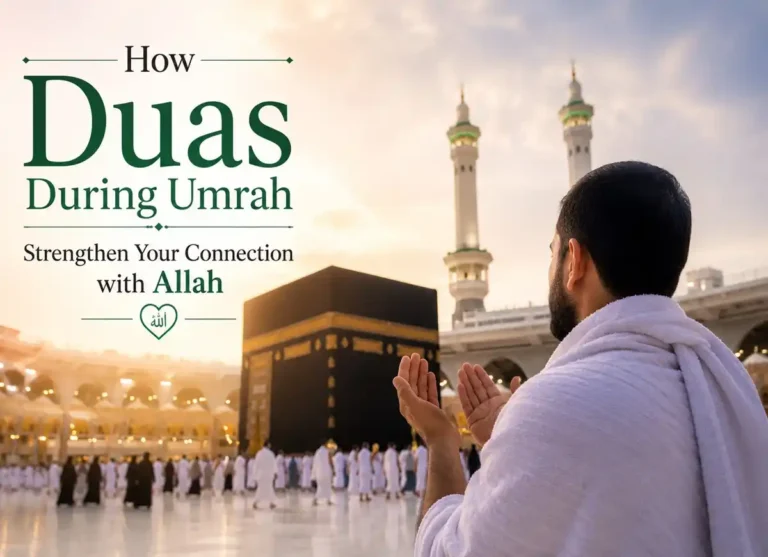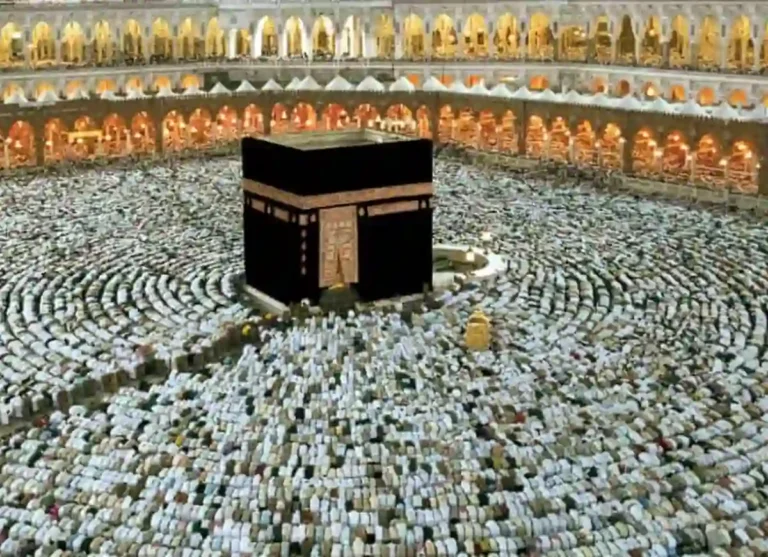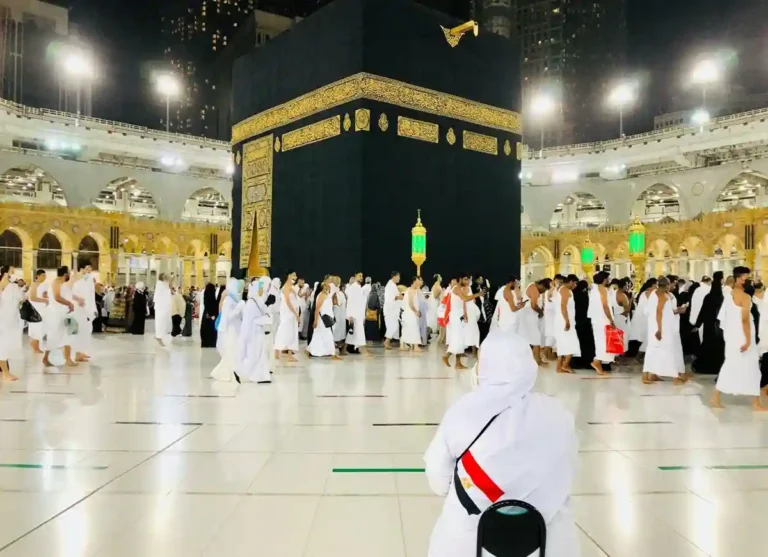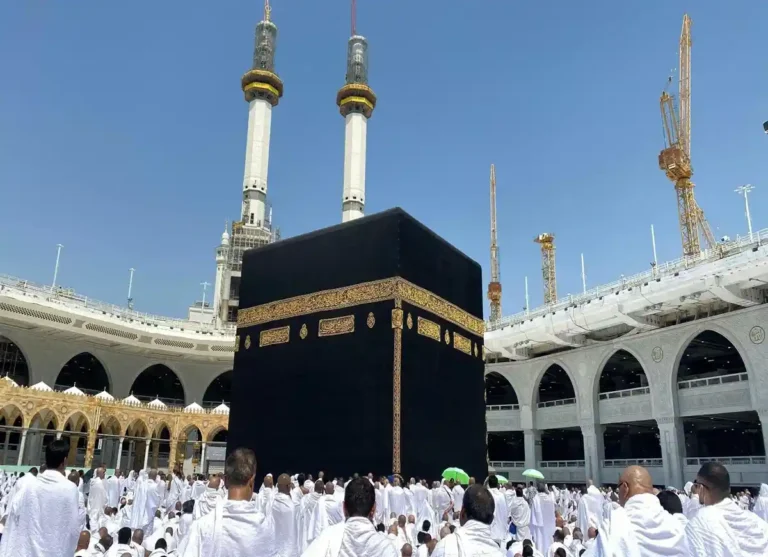
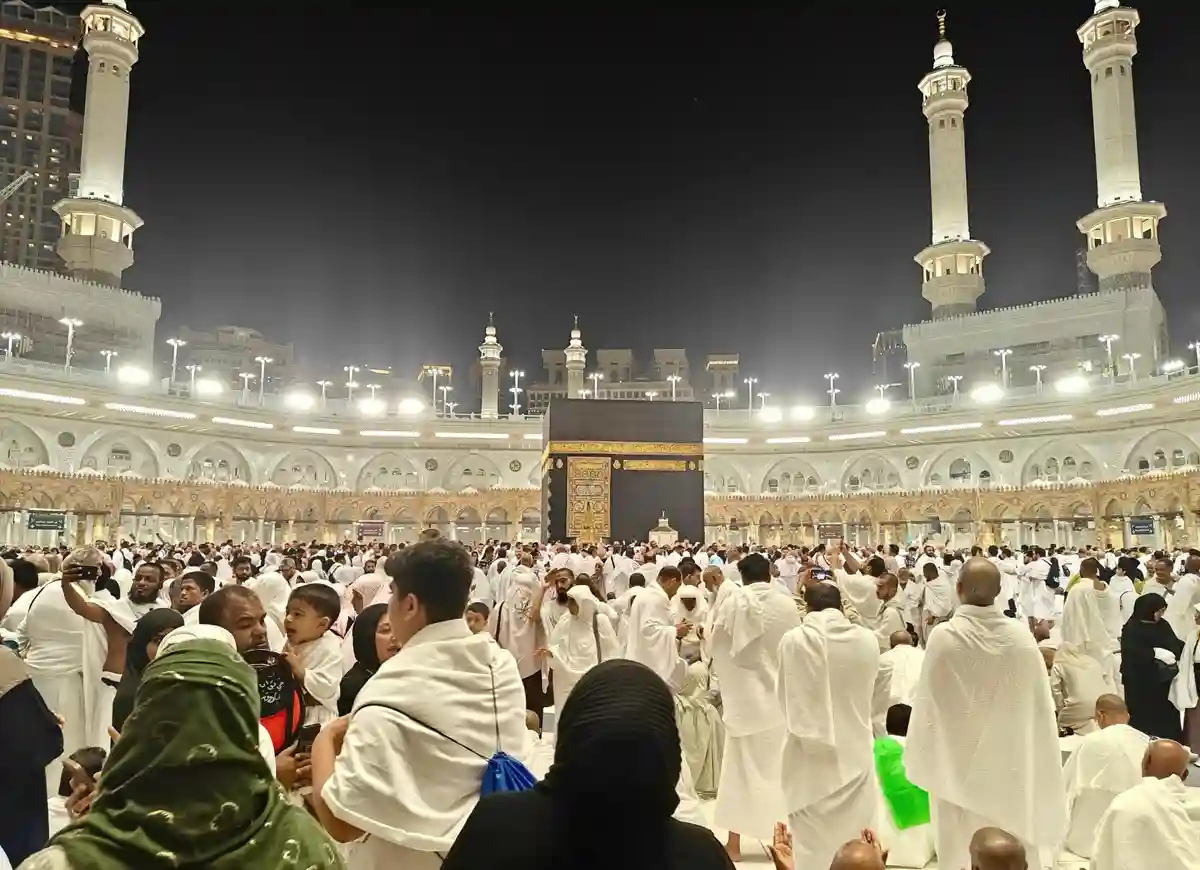

Umrah is a sacred pilgrimage to Masjid al-Haram in Makkah, Saudi Arabia, involving Tawaf around the Kaaba and Sa’i between Safa and Marwah. It can be performed anytime during the year, but doing Umrah in Ramadan holds special significance. Worship during this month carries multiplied rewards, making it ideal for devotion, reflection, and spiritual purification.
Pilgrims experience a unique atmosphere in Masjid al-Haram, with collective prayers, Quran recitation, and Tarawih enhancing the sacred environment. Ramadan also encourages patience, discipline, and sincere worship, enriching the Umrah experience. Planning Umrah in Ramadan requires careful consideration of daily timings, Ashrah-wise significance, essential preparations, and crowd patterns.
Understanding these factors helps pilgrims perform rituals efficiently, safely, and with complete spiritual focus. Umrah in Ramadan provides an opportunity to maximize spiritual benefits while experiencing the blessings of this holy month fully.
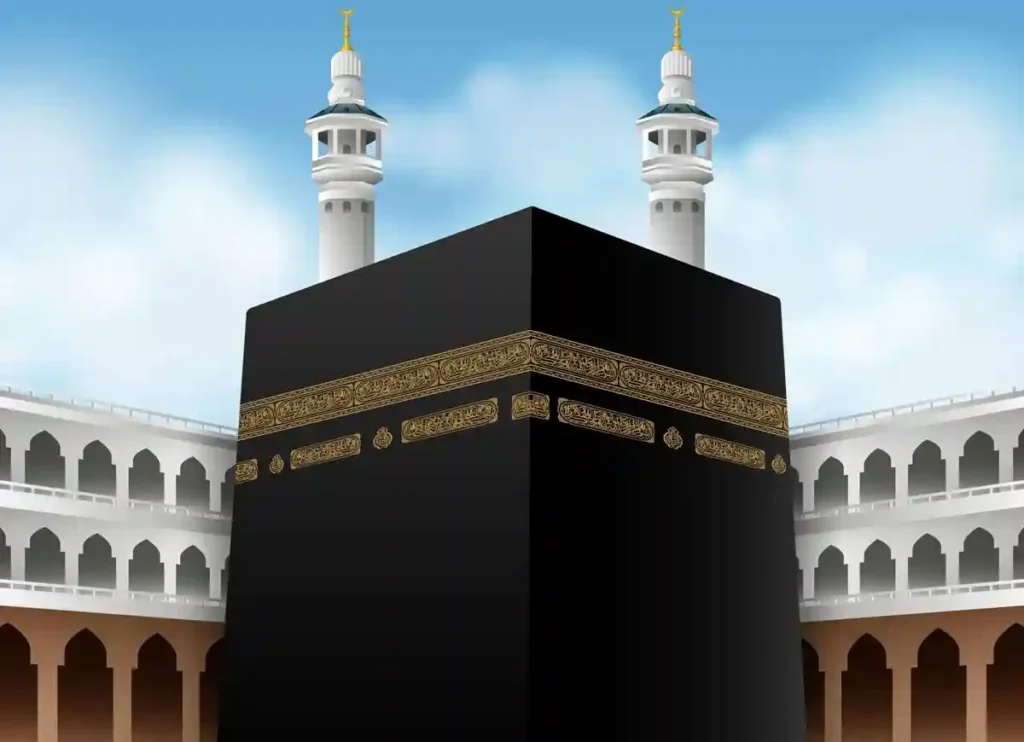
Importance of Performing Umrah in Ramadan
Performing Umrah in Ramadan holds exceptional significance in Islam. Worship during this holy month carries multiplied rewards, making every ritual more spiritually valuable.
Pilgrims visiting Masjid al-Haram in Makkah, Saudi Arabia, can perform Tawaf around the Kaaba and Sa’i between Safa and Marwah with increased devotion and focus. Ramadan emphasizes patience, self-discipline, and sincere worship, enhancing the spiritual experience of Umrah.
This period offers a unique opportunity for forgiveness, purification of sins, and strengthening one’s connection with Allah. The mosque atmosphere during Ramadan is especially uplifting, with collective prayers, Quran recitation, and Tarawih enriching the sacred environment.
Performing Umrah in this month allows pilgrims to maximize spiritual benefits, reflect on their intentions, and experience the blessings of one of the most important times in the Islamic calendar.
Benefits of Performing Umrah in Ramadan
Performing Umrah in Ramadan provides many spiritual and personal benefits, making the pilgrimage especially rewarding for pilgrims.
Expiation of Sins: Performing Umrah in Ramadan helps purify past sins and cleanse the heart fully.
Blessings of Laylat al-Qadr: Worship during the last ten nights grants multiplied rewards and spiritual elevation.
Multiplied Spiritual Rewards: Tawaf, Sa’i, and prayers carry far greater significance during Ramadan rituals.
Forgiveness and Mercy: Pilgrims earn Allah’s mercy and achieve forgiveness for past mistakes and shortcomings.
Patience and Discipline: Fasting and performing rituals develop self-control, resilience, and stronger personal discipline.
Enhanced Devotion: Encourages focus, reflection, and sincere connection with Allah throughout the pilgrimage.
Acceptance of Dua: Supplications made in Ramadan are more likely to be accepted by Allah.
Following the Sunnah: Performing Umrah aligns with Prophet Muhammad ﷺ’s practices, enhancing spiritual merit and reward.

Best Time to Perform Umrah in Ramadan
The best daily hours to perform Umrah during Ramadan are generally early morning after Fajr prayer and late night after Isha and Tarawih prayers.
These times provide cooler temperatures, fewer crowds, and a peaceful environment for Tawaf around the Kaaba and Sa’i between Safa and Marwah.
First Ashrah (1–10 Ramadan)
The first ten days emphasize seeking mercy from Allah and setting sincere intentions. Performing Umrah during this period is generally less crowded and more affordable.
Pilgrims can begin Ramadan with spiritual focus, devotion, and peaceful reflection in Masjid al-Haram in Makkah, Saudi Arabia.
Second Ashrah (11–20 Ramadan)
The second ten days focus on forgiveness and repentance. This period sees moderate crowds and slightly higher costs. Pilgrims performing Umrah can reflect on past deeds, strengthen faith, and purify their hearts while maintaining a meaningful spiritual experience.
Third Ashrah (21–30 Ramadan)
The final ten days highlight the blessings of Laylat al-Qadr, the night of immense reward. This period is most crowded and expensive, yet offers maximum spiritual merit. Performing Umrah now allows pilgrims to fully experience Ramadan’s sacred atmosphere and multiplied rewards.
The Blessings of Laylat al-Qadr
Laylat al-Qadr, the Night of Decree, occurs in the last ten nights of Ramadan. Worship performed on this night carries rewards greater than a thousand months. Most pilgrims prefer to perform Umrah during these nights due to the sacred atmosphere and multiplied rewards.
Performing Tawaf, Sa’i, and extra prayers during this period enhances spiritual benefits and strengthens closeness to Allah. These nights offer a unique opportunity for forgiveness, mercy, and acceptance of supplications.
To maximize blessings, pilgrims should engage in sincere dua, dhikr, Quran recitation, and reflection. Visiting Masjid al-Haram during these nights allows pilgrims to experience Laylat al-Qadr fully. It helps deepen worship and attain immense spiritual merit during Ramadan.
Essential Preparations for Umrah in Ramadan
Essential preparations for Umrah in Ramadan ensure pilgrims are spiritually, physically, financially, and logistically ready for a smooth pilgrimage.
Spiritual Preparation: Make sincere intentions, engage in dua, seek repentance, and prepare mentally for worship.
Physical Preparation: Ensure stamina, stay hydrated, get sufficient rest, observe fasting properly, and wear appropriate clothing.
Financial Preparation: Budget for flights, accommodation, meals, and transport during the pilgrimage.
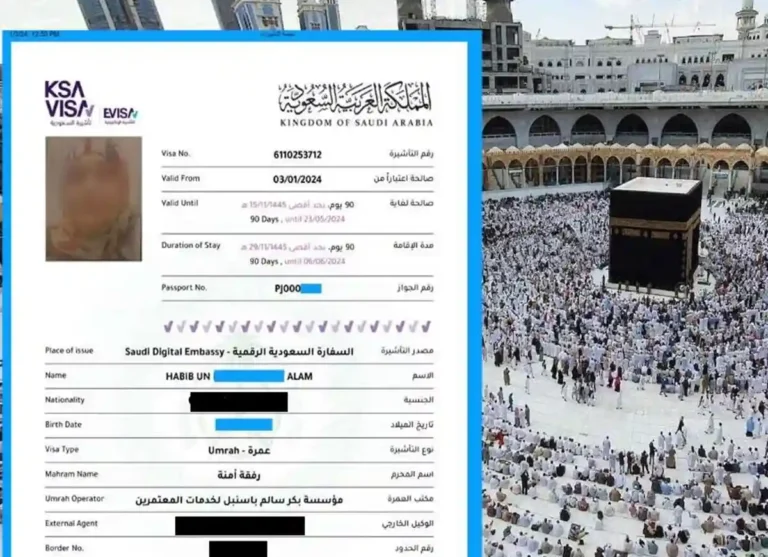
Documentation Preparation: Obtain a valid Umrah visa, proof of vaccinations, and other essential travel documents.
Logistical Preparation: Plan a hotel near Masjid al-Haram, organize transport, schedule rituals, and plan visits to nearby Ziyarats efficiently.
Timing Your Umrah
Timing your Umrah is essential for a smooth and spiritually focused pilgrimage. Performing rituals at optimal hours helps pilgrims avoid crowds and maintain focus. Early mornings after Fajr prayer and late nights after Isha or Tarawih prayers are generally the quietest periods.
These hours provide cooler temperatures and peaceful worship for Tawaf around the Kaaba and Sa’i between Safa and Marwah. Proper timing also allows alignment with daily prayers and comfortable observation of fasting during Ramadan.Planning Umrah timing helps pilgrims balance rituals, rest, and visits to nearby Ziyarats.
Correct timing ensures rituals are performed safely and efficiently. It also allows full concentration, making the Umrah experience more fulfilling and rewarding.
Practical Tips for Umrah in Ramadan
Plan your Umrah timing during early mornings after Fajr or late nights after Isha or Tarawih prayers. These hours are generally quieter and cooler. Stay hydrated, rest well, and manage energy during fasting hours.
Use Bakkah Transport private Umrah taxi services for easy, affordable, and comfortable transportation. Organize your travel essentials, visa, vaccination proof, and personal items in advance to save time.
Monitor crowd patterns daily and adjust your Umrah schedule when necessary. Perform Tawaf, Sa’i, and other rituals with focus and patience. Visit nearby Ziyarats efficiently, ensuring rituals are not rushed.
Follow proper hygiene and wear appropriate clothing to stay comfortable. These tips help maximize spiritual rewards, convenience, and safety during Ramadan Umrah.
Conclusion
Performing Umrah in Ramadan brings unique spiritual rewards and immense blessings. The first ten days focus on mercy, the second on forgiveness, and the last ten highlight Laylat al-Qadr. Pilgrims should prepare spiritually, physically, financially, and with necessary documents to ensure smooth rituals.
Timing Umrah during early mornings or late nights reduces crowds, enhances comfort, and allows focused worship. Organizing essentials and using reliable transport, such as Bakkah Transport, makes the pilgrimage convenient and stress-free.
Following these practices helps pilgrims maximize spiritual merit, devotion, and inner peace. Careful planning ensures that performing Umrah in Ramadan is fulfilling, safe, and meaningful, combining sacred rituals with ease and comfort throughout this blessed month.
Related Posts:
- Pilgrimage To Mecca PDF Download
- What is Ihram Haji? | Hajj and Umrah
- What is The Hajj Definition – Learn Islam
- 3 Types of Hajj | Tamattu | Ifrad | Hajj Qiran
- What is the importance of Safa Marwa History?
- Umrah Guide Book | Important point in The Mecca
- The Great Mosque of Mecca | Al-Masjid an-Nabawi