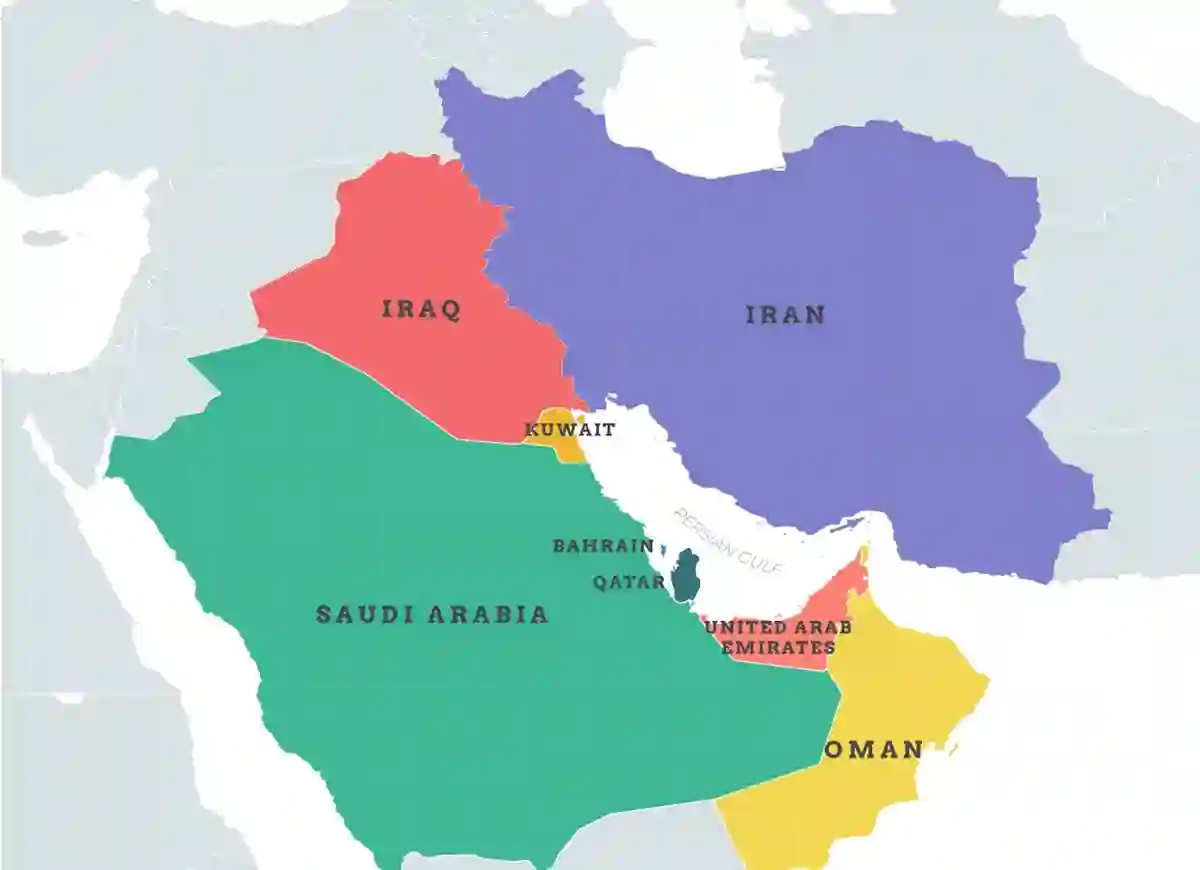

Hormuz Island holds a rich and layered past that stretches back over a thousand years. This small island transformed from a quiet fishing settlement into one of the greatest trading capitals of the Islamic world. Exploring hormuz island reveals how faith, commerce, and resilience shaped an entire region’s history.
Introduction to Hormuz Island
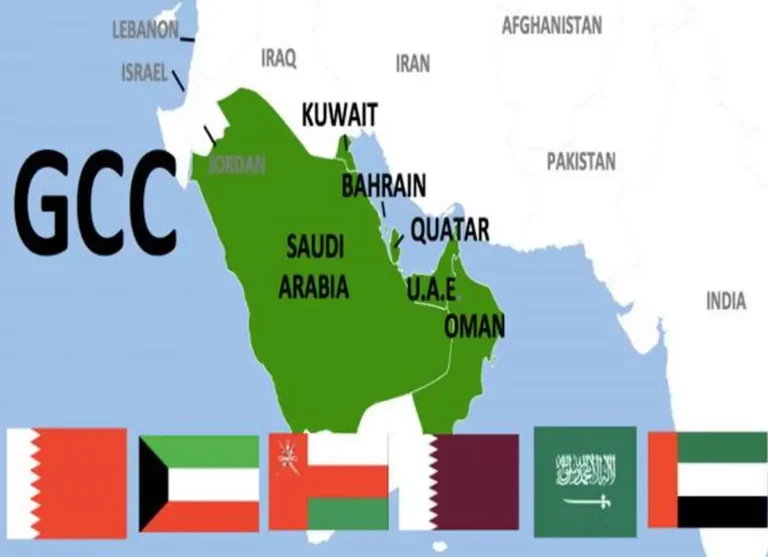
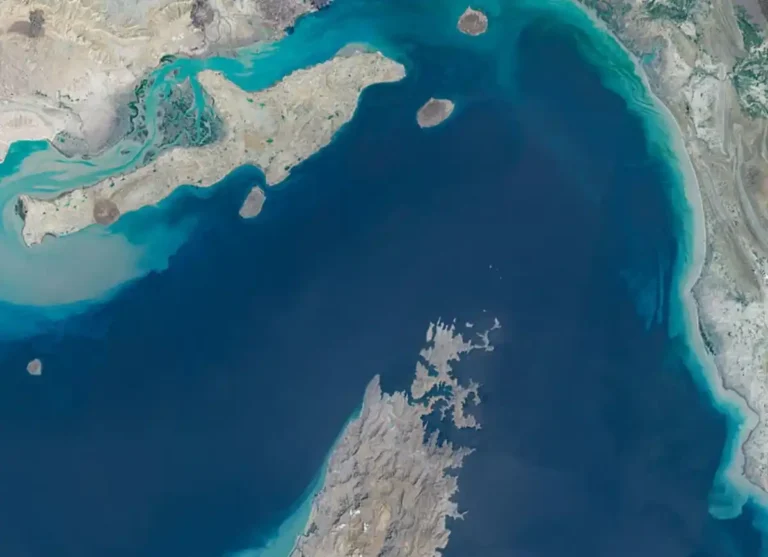
Long before modern maps existed, hormuz island iran already held strategic value for merchants and travelers. Its location at the mouth of the Persian Gulf made it a natural meeting point for ships arriving from Arabia, India, and beyond. This position shaped nearly every chapter of its long history.
Recommended reading: The Kingdom of Hormuz: A Forgotten Trading Empire explores the island’s rise as a medieval commercial powerhouse.
Early Islamic Era
Following the Arab conquests in the mid-7th century, the mainland port of Hormuz became an important agricultural and trading stop. Routes connecting inland Kerman to the sea passed directly through this town, making it a valuable link between farmers, merchants, and distant markets across the region.
By the 10th century, Hormuz had become the leading port for the wider Kerman region. Its warehouses stored goods like indigo, cumin, and dates, supplying much of Persia through carefully managed irrigation and trade systems built over generations.
The Rise of the Kingdom of Hormuz
Around 1300, facing repeated raids from Turco-Mongol forces, the ruler of Old Hormuz made a bold decision. He moved his entire population to the small island of Jarun, renaming the new settlement New Hormuz. This relocation gave the kingdom the safety it desperately needed.
Under Muslim amirs, the island of hormuz flourished into an international trading hub. Famous travelers like Ibn Battuta and Marco Polo both visited and documented its bustling markets, describing a city alive with merchants from across the known world.
A Global Trading Emporium
By the 15th century, Hormuz attracted traders from Egypt, China, Russia, and dozens of regions in between. Visitors described busy markets filled with goods from every corner of the medieval trading world, despite the island having no fresh water or natural vegetation of its own.
To survive these harsh conditions, engineers built an advanced system of cisterns and reservoirs. This impressive infrastructure allowed a thriving population to live comfortably on an island that otherwise offered nothing but sun, sea, and strategic location.
Hormuz Island Timeline
| Period | Key Development |
| 650–651 CE | Region comes under early Islamic rule |
| Around 1300 | Kingdom relocates to island, founding New Hormuz |
| 1300s–1400s | Peak era as international trading emporium |
| 1515–1622 | Period of European occupation |
| 1622 onward | Local control restored, island’s role gradually declines |
Major Trade Islands Around the World (Present Day)
| Island | Country Jurisdiction | Trade Role |
| Singapore Island | Singapore | World’s busiest transshipment hub |
| Hormuz Island | Iran | Guards entrance to Persian Gulf oil routes |
| Socotra | Yemen | Historic Indian Ocean trade stop |
| Zanzibar | Tanzania | Historic spice trade hub |
| Bahrain Island | Bahrain | Gulf pearl and modern trade hub |
| Hong Kong Island | China (SAR) | Major container shipping hub |
| Sri Lanka (Ceylon) | Sri Lanka | Indian Ocean shipping crossroads |
| Malta | Malta | Mediterranean shipping and logistics hub |
| Curaçao | Netherlands (autonomous) | Caribbean oil and trade hub |
| Sicily | Italy | Mediterranean trade route since antiquity |
Topics: Sirah, Faith, Hijab, Arabic Corner, Islamic History, Biography, Islamic Studies, Halal & Haram
Islands Important During the Islamic Golden Age
Yeh islands especially 8th–15th century mein Muslim traders aur scholars kay liye ahem thay:
- Jarun / Hormuz Island (present-day Iran) – Kingdom of Hormuz ka capital, Indian Ocean trade ka center
- Socotra (present-day Yemen) – Arabia aur East Africa kay darmiyan trade stop, ancient se Islamic dour tak
- Qais (Kish) Island (present-day Iran) – Hormuz se pehlay Gulf trade ka leading center tha, phir Hormuz nay replace kiya
- Bahrain Island – Pearl trade aur Gulf shipping ka purana center
- Sicily – Islamic rule kay dauran (9th–11th century) Mediterranean trade aur knowledge exchange ka hub
- Zanzibar – East Africa coast per Muslim traders ka established trading post, spices aur ivory kay liye mashoor
Lamu Island (present-day Kenya) – Swahili coast per Islamic trading settlement, 9th century se active
Reflection Through Quran and Hadith
The rise and eventual decline of Hormuz island reflects a timeless lesson found throughout Islamic teaching: worldly power and prosperity are temporary blessings from Allah, meant to be used with gratitude and humility.
Surah Al-An’am, Ayah 165 – Allah raised some of you above others in degrees, to test you in what He has given you. Read on Alim.org
Surah Ibrahim, Ayah 7 – If you are grateful, Allah will surely increase you in favor, but if you are ungrateful, His punishment is severe. Read on Alim.org
The Prophet Muhammad (peace be upon him) also taught that true success comes not from wealth or territory alone, but from how justly people use the blessings placed in their care.
Sunan Abu Dawood 2864 – The Prophet (PBUH) reminded believers that Allah tests people through both prosperity and hardship, and gratitude matters in both. Read on Sunnah.com
Jami` at-Tirmidhi 2465 – The Prophet (PBUH) said the world is a temporary provision, and the best provision is righteousness carried forward. Read on Sunnah.com
Hanafi Fiqh Books for Deeper Study
- Al-Mabsut by Shams al-Din al-Sarakhsi
- Tabyin al-Haqaiq by Uthman ibn Ali al-Zayla’i
- Al-Fatawa al-Hindiyya, compiled under royal patronage
- Sharh al-Wiqaya by Ubaidullah ibn Masud al-Mahbubi
Life on the Island Today
Today, the island retains deep historical roots, with a Sunni fishing community whose culture reflects centuries of Arab, Persian, and Indian influence. Though its role as a global trading capital faded long ago, its historical legacy remains visible in local traditions and architecture.
For readers interested in Islamic history and scholarship, Islamic Teachings Forum and IslamQA offer thoughtful resources worth exploring further.
You can also read detailed historical accounts on Wikipedia and Britannica.
Frequently Asked Questions
Why did the Kingdom of Hormuz move to an island?
Rulers relocated around 1300 to escape repeated raids from Turco-Mongol forces, seeking the natural protection that island geography provided.
What made island of hormuz such an important trading center?
Its location at the entrance to the Persian Gulf connected merchants from Asia, Africa, and Europe, making it a natural hub for global commerce.
Did the island have its own water supply?
No, it had no fresh water or vegetation. Everything, including drinking water, had to be imported from nearby mainland regions.
Who documented life in medieval Hormuz?
Famous travelers like Ibn Battuta and Marco Polo both visited and wrote detailed accounts describing the island’s busy, cosmopolitan markets.
What is Hormuz Island like today?
It remains home to a small Sunni fishing community, preserving centuries of Arab, Persian, and Indian cultural influence in daily life.
Final Thoughts
The story of hormuz island reminds us that even the greatest trading empires eventually give way to quieter times, leaving behind lessons about gratitude, resilience, and the temporary nature of worldly success. For more educational content, visit quranmualim.com.
Alasad Online Quran Tutor — Learn Quran with certified teachers online. WhatsApp: [your number] | Facebook: [your page] | YouTube: @quranmualim
Islamic News For You:
- Hormuz Island: Islamic History Explained
- 8 Countries Cut Funding to UN Agency in Gaza
- Hormuz: Impact on South Asia & The Subcontinent
- Gaza: US, Israel, Egypt, & Qatar Officials Engage in Gaza
- Is The Strait of Hormuz Closed? Global Impacts Explained