
The map of ottoman empire tells a story of one history’s largest and longest-lasting Islamic powers. At its height, this empire stretched across three continents, reaching deep into the Middle East and touching the edges of the Persian Gulf. Understanding this geography helps explain centuries of trade, politics, and religious influence in the region.
The Map of the Ottoman Empire
Looking at any historical map of the ottoman empire, you immediately notice its massive reach. The empire covered parts of Southeastern Europe, North Africa, and the Middle East, with Istanbul serving as its powerful capital. This vast territory connected diverse peoples under one central Islamic government for centuries.
Recommended reading: Atlas of the Ottoman Empire: A Visual History offers detailed maps tracing the empire’s growth across different eras.
Ottoman Empire at Its Territorial Peak
By the time of Suleiman the Magnificent, the ottoman empire had reached its greatest extent. Its borders stretched from the gates of Vienna to the shores of the Persian Gulf, covering modern-day Turkey, the Balkans, Egypt, and large parts of the Arabian Peninsula. This expansion made it one of history’s most influential Islamic states.
The empire’s control over key trade routes gave it enormous economic power. Cities along the Gulf coastline became valuable checkpoints for merchants moving goods between Europe, Asia, and Africa, strengthening Ottoman influence far beyond its core territories.
Map of the Ottoman Empire 1914
By 1914, the map of the ottoman empire 1914 looked very different from its earlier peak. Years of territorial losses had shrunk its borders significantly, though it still held influence over parts of the Middle East, including areas near the Persian Gulf, right before the outbreak of World War I.
This period marked the beginning of the empire’s final decline. Nationalist movements, European pressure, and internal struggles had already weakened Ottoman authority well before the war accelerated its eventual collapse in the years that followed.
Ottoman Presence in the Persian Gulf
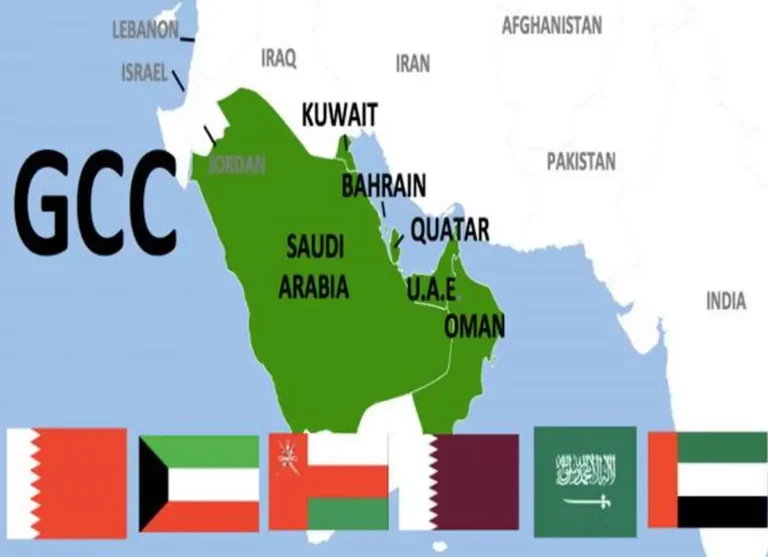
The Ottomans maintained a complicated relationship with the Persian Gulf region. While they held influence over parts of modern-day Iraq and coastal areas, direct control over the Gulf itself remained limited compared to their dominance elsewhere. Local rulers and tribal leaders often held real power along the coastline.
Trade still flourished under Ottoman oversight, connecting Basra and nearby ports to wider commercial networks. This made the Gulf region economically important, even when direct political control from Istanbul remained relatively light in daily local affairs.
Ottoman Empire Territory Overview
| Period | Territorial Extent | Persian Gulf Influence |
| 1520–1566 | Peak expansion | Moderate influence via Iraq |
| 1700s | Gradual decline | Reduced coastal control |
| 1914 | Significant shrinkage | Limited, mostly through Basra |
| 1922 | Empire dissolved | No remaining Gulf territory |
Topics: Sirah, Faith, Hijab, Arabic Corner, Islamic History, Biography, Islamic Studies, Halal & Haram
Lessons from the Quran and Hadith
The Quran often reminds believers that empires rise and fall according to Allah’s decree, a lesson clearly reflected in the long history of the Ottoman state.
Surah Al-Imran, Ayah 140 – Such days of victory and defeat, We alternate among people, so that Allah may test who among them truly believes. Read on Quran.com
Surah Yusuf, Ayah 111 – In their stories there is truly a lesson for people of understanding. Read on Quran.com
The Prophet Muhammad (peace be upon him) also spoke about leadership, justice, and the responsibilities that come with ruling over land and people.
Sunan an-Nasa’i 4145 – The Prophet (PBUH) warned that unjust rulers would face serious consequences for how they treated the people under their care. Read on Sunnah.com
Sunan Ibn Majah 2426 – The Prophet (PBUH) emphasized fairness and accountability as essential duties of any leader over land or people. Read on Sunnah.com
Hanafi Fiqh Books for Deeper Study
- Multaqa al-Abhur by Ibrahim al-Halabi
- Durar al-Hukkam by Molla Khusrev
- Al-Fatawa al-Bazzaziyya by Hafiz al-Din al-Bazzazi
- Sharh al-Wiqaya by Ubaidullah ibn Masud al-Mahbubi
Why This History Still Matters
Studying the map of ottoman empire helps modern readers understand how borders in the Middle East took shape. Many current national boundaries trace back to decisions made during and after Ottoman rule, making this history directly relevant to today’s political landscape.
For readers interested in Islamic governance and historical scholarship, Islamic Teachings Forum and IslamQA offer valuable perspectives worth exploring.
You can also find detailed maps and historical records on Wikipedia and Britannica.
Frequently Asked Questions
How large was the Ottoman Empire at its peak?
It stretched across three continents, covering Southeastern Europe, North Africa, and much of the Middle East during its strongest period.
Did the Ottoman Empire control the entire Persian Gulf?
No, their influence was moderate, mostly through Iraq and Basra, while local rulers held significant power along much of the coastline.
What changed by the map of the ottoman empire 1914?
The empire had shrunk considerably, losing many territories, though it still held some Middle Eastern regions before World War I began.
Why did the Ottoman Empire eventually collapse?
Military defeats, nationalist movements, and internal political struggles combined to weaken and eventually dissolve the empire by 1922.
How does Ottoman history affect the Middle East today?
Many current national borders and political tensions trace directly back to decisions and divisions made during the late Ottoman period.
Final Thoughts
The map of ottoman empire reveals a powerful story of rise, expansion, and eventual decline that still shapes the modern Middle East today. Studying this history gives us deeper insight into borders, culture, and governance across the region. For more educational content, visit quranmualim.com.
Alasad Online Quran Tutor — Learn Quran with certified teachers online. WhatsApp: [your number] | Facebook: [your page] | YouTube: @quranmualim
Islamic News For You:
- Gaza in the Light of Surah Ahzab
- Hormuz Island: Islamic History Explained
- Islamic Golden Age Maritime Trade in Islam
- 8 Countries Cut Funding to UN Agency in Gaza
- Hormuz: Impact on South Asia & The Subcontinent
- Houthi Red Sea Attacks Hit Car and Fashion Industry
- Islamic Studies Optional For Non-Muslims in Pakistan
- Gaza: US, Israel, Egypt, & Qatar Officials Engage in Gaza
- Jewish Morocco: From Pre-Islamic To Postcolonial Times
- Is The Strait of Hormuz Closed? Global Impacts Explained
- Brazilian Muslims Face Rising Islamophobia Over Gaza War
- Attacks on Indian Muslims Rise After Ram Temple Ceremony