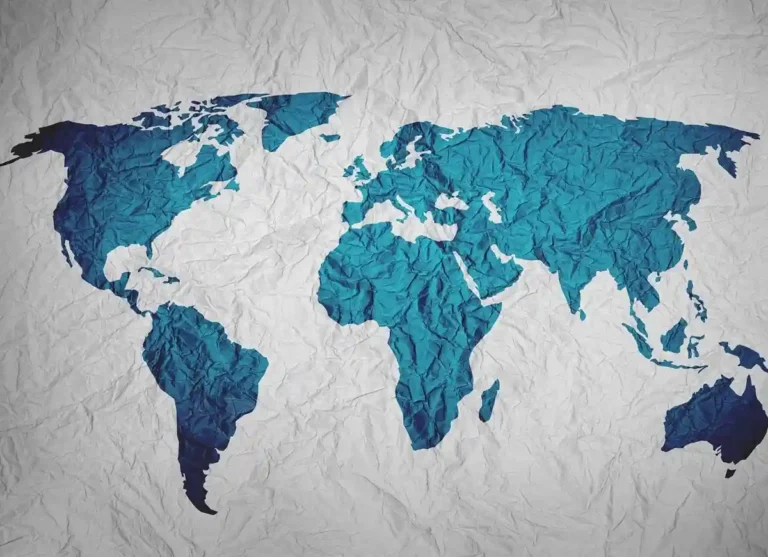
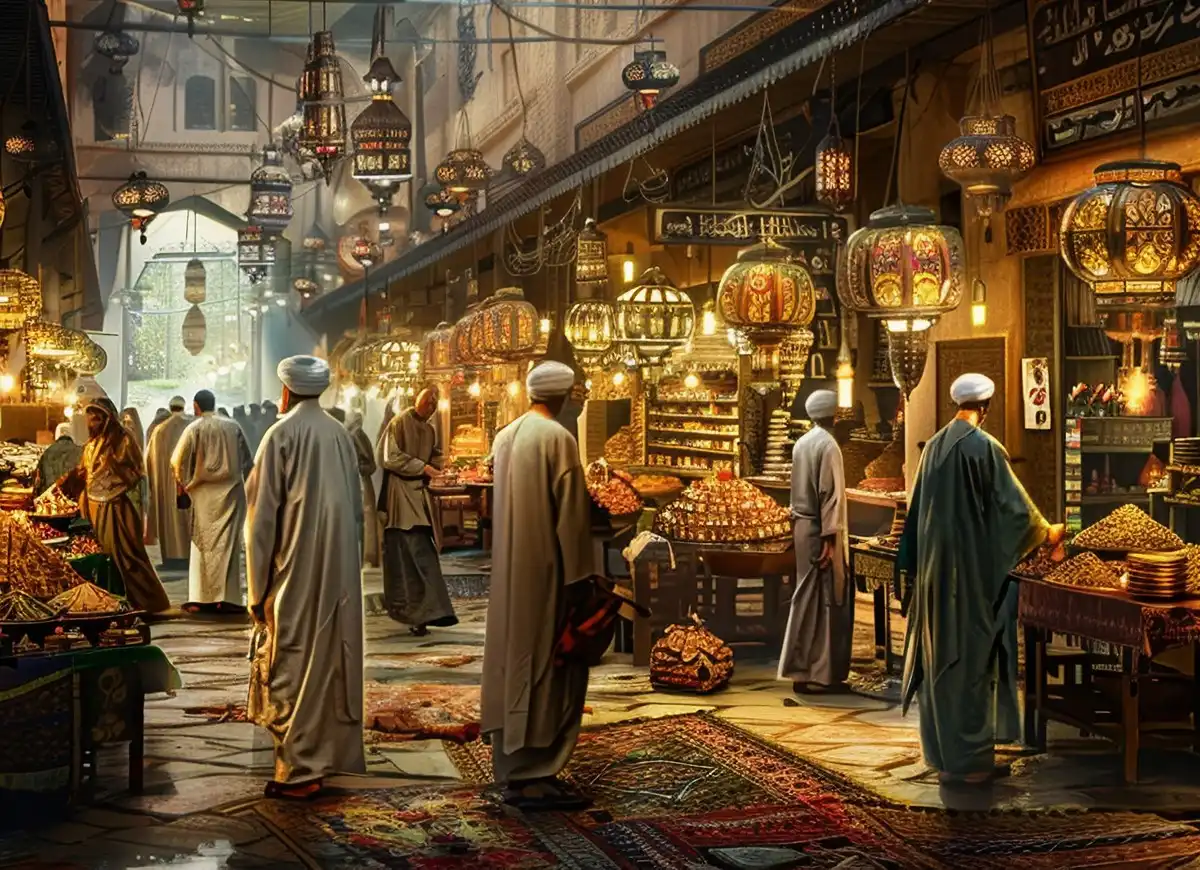

The Islamic Golden Age stands as one of history’s most remarkable periods of learning, innovation, and global connection. During this era, Muslim scholars, traders, and sailors built networks that stretched from Spain to China. Exploring the islamic golden age reveals just how much maritime trade shaped this incredible chapter of history.
What Is the Golden Age of Islam?
Many people ask what is golden age of islam when they first encounter this topic. It refers to a period, roughly from the 8th to the 13th century, when Islamic civilization led the world in science, medicine, philosophy, and trade. Cities like Baghdad and Cordoba became centers of knowledge and commerce.
Recommended reading: The Islamic Golden Age: Science, Trade, and Civilization explores how this era shaped global history through learning and commerce.
The Role of Maritime Trade
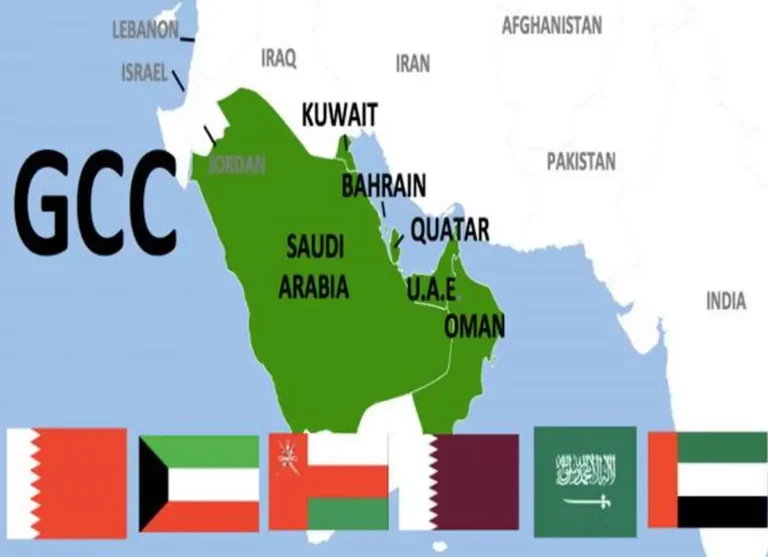
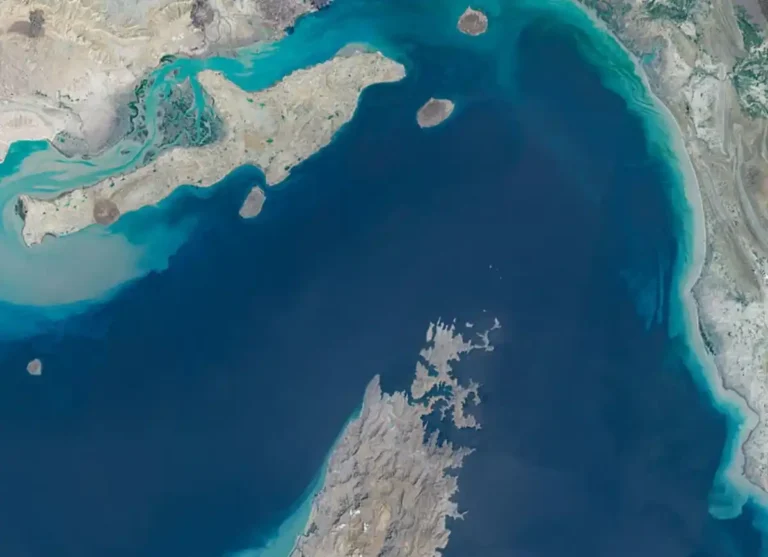
Ships were the lifeblood of this golden era. Muslim sailors mastered monsoon winds, connecting ports across the Indian Ocean, Persian Gulf, and Mediterranean Sea. This network allowed goods, ideas, and scholars to travel faster and farther than ever before in human history.
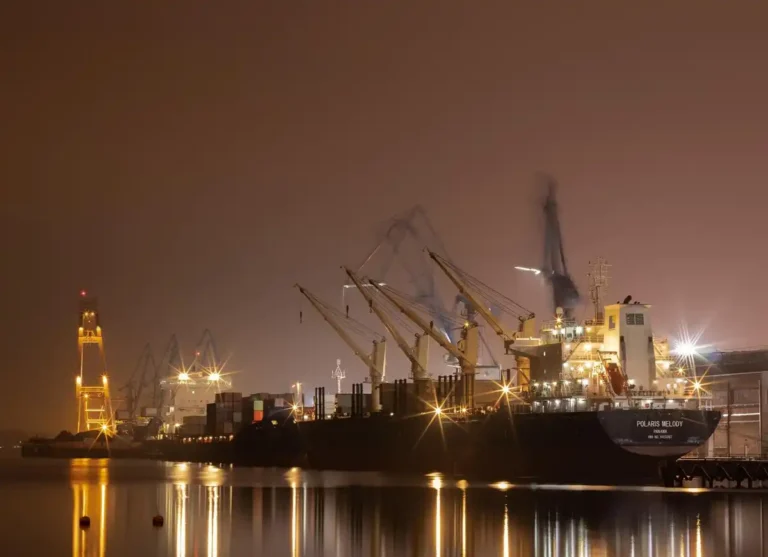
Merchants carried silk, spices, paper, and precious metals between continents, while also spreading Islamic teachings and scientific knowledge along the way. This constant exchange helped fuel the intellectual explosion that defined the islamic civilization golden age.
Why This Era Still Matters
Understanding this history helps us appreciate how interconnected the ancient world truly was. Trade routes were not just about profit; they carried medical knowledge, mathematics, and philosophy between distant civilizations, laying groundwork for advances that later influenced Europe during its own renaissance.
This legacy also reminds modern readers that trade, knowledge, and faith often traveled together. Muslim merchants were frequently scholars themselves, carrying books and ideas alongside cargo, strengthening intellectual bonds between distant Islamic communities across the known world.
Key Achievements During This Period
- Advanced navigation techniques using monsoon wind patterns for reliable sea travel
- Establishment of major trade hubs in Basra, Cairo, and Alexandria
- Translation and preservation of Greek, Persian, and Indian scientific texts
- Development of early hospitals, algebra, and advancements in astronomy
Topics: Sirah, Faith, Hijab, Arabic Corner, Islamic History, Biography, Islamic Studies, Halal & Haram
Islamic Golden Age Trade Overview
| Trade Route | Main Goods | Key Regions Connected |
| Indian Ocean Route | Spices, textiles | Arabia, India, East Africa |
| Silk Road | Silk, paper, ideas | China, Persia, Middle East |
| Mediterranean Route | Metals, books | Spain, North Africa, Levant |
Reflection Through Quran and Hadith
The Quran repeatedly highlights the value of seeking knowledge and using the resources Allah placed on earth and sea for the benefit of humanity.
Surah Al-Mujadila, Ayah 11 – Allah will raise those who believe and those given knowledge in status. Read on Alim.org
Surah Al-Nahl, Ayah 14 – He made the sea useful, so ships sail through it seeking His bounty, and you may be grateful. Read on Alim.org
The Prophet Muhammad (peace be upon him) placed enormous value on seeking knowledge, a teaching that inspired generations of scholars and traders during this golden era.
Sunan Abu Dawood 3641 – The Prophet (PBUH) said seeking knowledge is an obligation upon every Muslim, encouraging lifelong learning and curiosity. Read on Sunnah.com
Jami` at-Tirmidhi 2687 – The Prophet (PBUH) said whoever seeks a path of knowledge, Allah eases their path toward Paradise. Read on Sunnah.com
Hanafi Fiqh Books for Deeper Study
- Al-Mabsut by Shams al-Din al-Sarakhsi
- Sharh Ma’ani al-Athar by Abu Ja’far al-Tahawi
- Al-Fatawa al-Tatarkhaniyya, compiled during the medieval Hanafi era
- Bada’i al-Sana’i by Ala al-Din al-Kasani
Lasting Legacy of Golden Age Trade
The trade networks built during this era did more than move goods. They connected scholars, spread scientific discoveries, and strengthened Islamic civilization’s role as a bridge between East and West. This legacy influenced global history long after the golden age itself faded.
For readers interested in deeper Islamic scholarship and historical context, Islamic Teachings Forum and IslamQA offer valuable resources worth exploring.
You can also read more detailed historical accounts on Wikipedia and Britannica.
Frequently Asked Questions
What is golden age of islam known for?
It is known for major advances in science, medicine, philosophy, and trade, with Muslim scholars leading global knowledge during this period.
How did maritime trade support the golden age?
Ships connected distant regions, allowing goods, scholars, and ideas to travel quickly, fueling intellectual and economic growth across the Islamic world.
Which cities were most important during this era?
Baghdad, Cordoba, Cairo, and Basra stood out as major centers of trade, learning, and cultural exchange during this remarkable period.
Did trade routes spread more than just goods?
Yes, they also carried scientific knowledge, religious teachings, and philosophical ideas, connecting distant civilizations far beyond simple commerce.
Why did the Islamic Golden Age eventually decline?
Political instability, invasions, and shifting trade routes gradually weakened the centers of learning and commerce that defined this era.
Final Thoughts
The islamic civilization golden age proves that trade, knowledge, and faith can move together to build something truly extraordinary. This history continues to inspire curiosity about how far ideas and goods once traveled across the ancient world. For more educational content, visit quranmualim.com.
Alasad Online Quran Tutor — Learn Quran with certified teachers online. WhatsApp: [your number] | Facebook: [your page] | YouTube: @quranmualim
Islamic News For You:
- Gaza in the Light of Surah Ahzab
- Hormuz Island: Islamic History Explained
- 8 Countries Cut Funding to UN Agency in Gaza
- Hormuz: Impact on South Asia & The Subcontinent
- Houthi Red Sea Attacks Hit Car and Fashion Industry
- Islamic Studies Optional For Non-Muslims in Pakistan
- Gaza: US, Israel, Egypt, & Qatar Officials Engage in Gaza
- Jewish Morocco: From Pre-Islamic To Postcolonial Times
- Is The Strait of Hormuz Closed? Global Impacts Explained
- Brazilian Muslims Face Rising Islamophobia Over Gaza War
- Attacks on Indian Muslims Rise After Ram Temple Ceremony