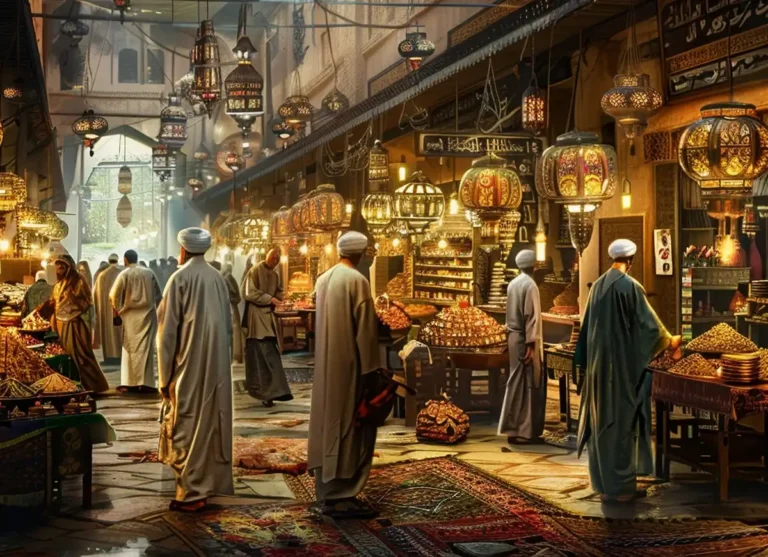
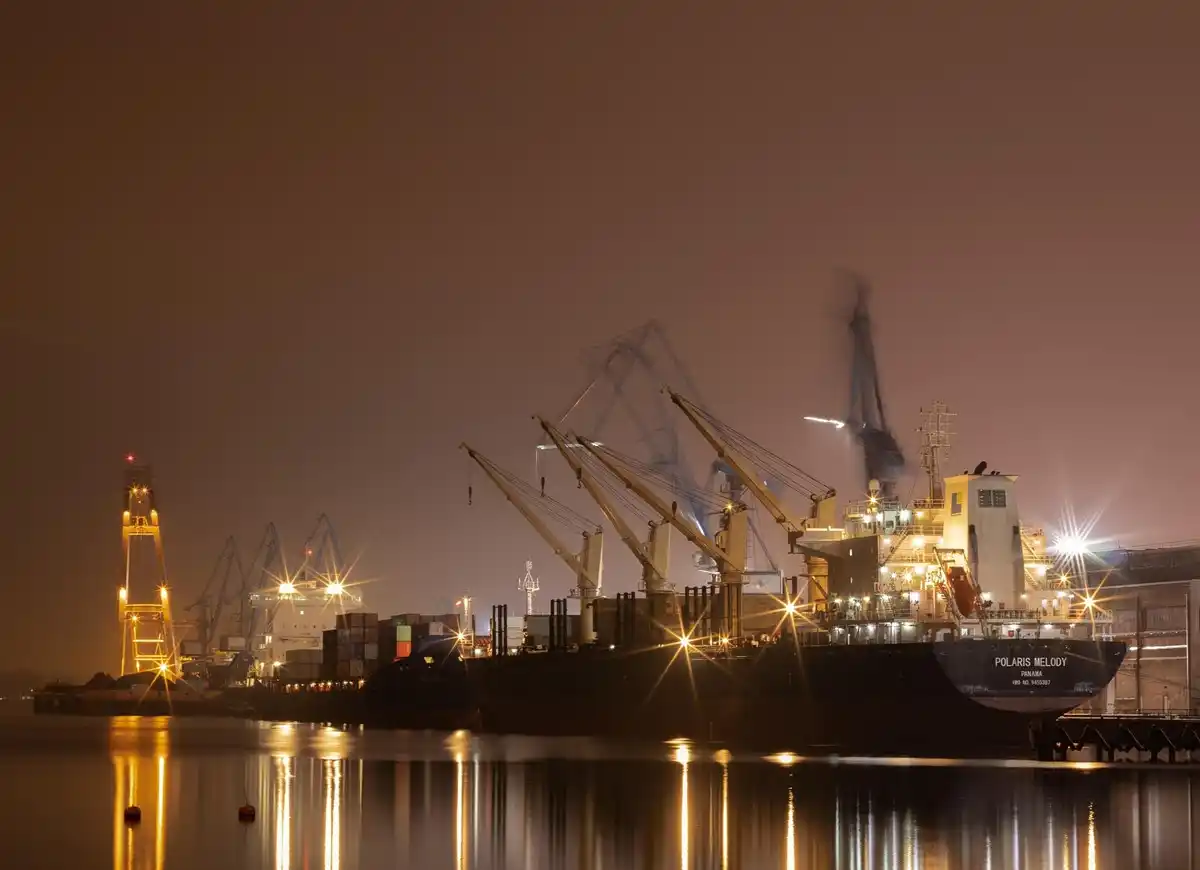

Maritime trade shaped the Persian Gulf region long before modern shipping lanes existed. Muslim merchants sailed these waters centuries ago, connecting Arabia, Persia, India, and East Africa through busy sea routes. Looking back at this history helps us understand how deeply trade and faith were woven together in early Islamic civilization.
What Is Maritime Trade?
In simple terms, what is maritime trade comes down to moving goods across water instead of over land. Ships carried spices, textiles, pearls, and precious metals between ports, connecting distant regions faster than camel caravans ever could. This method of trade maritime activity became the backbone of economic growth across the Islamic world.
Recommended reading: Islamic History of the Seas: Trade and Exploration explores how Muslim sailors shaped global commerce for centuries.
The Rise of Persian Gulf Trade
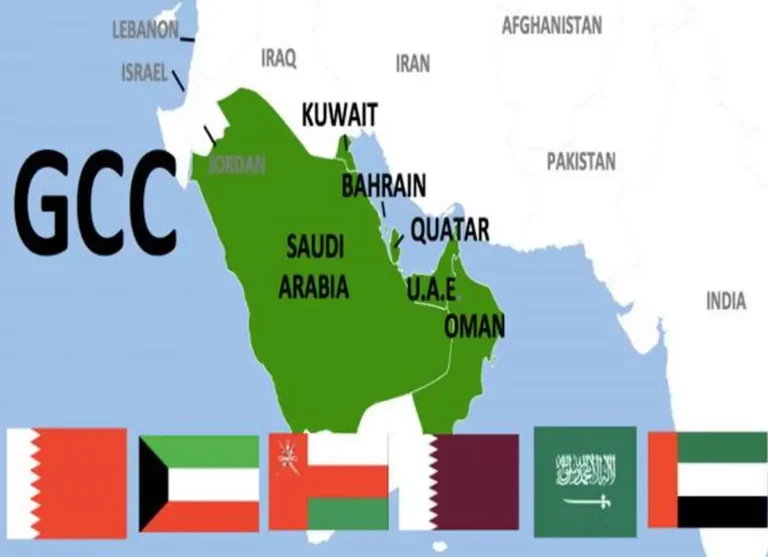
Ports like Basra, Siraf, and Hormuz became bustling centers of commerce during the early Islamic centuries. Merchants from Baghdad to Basra shipped goods toward India, China, and East Africa, creating one of history’s most active maritime trade routes. These ports thrived because of steady demand and skilled navigation.
Muslim traders developed detailed knowledge of monsoon winds, allowing them to sail confidently between the Gulf and distant coastlines. This expertise made Persian Gulf ports essential stops for anyone moving goods across the Indian Ocean during the medieval period.
Why This History Matters Today
Understanding these maritime trade routes gives us insight into how interconnected the Muslim world once was. Trade was never separate from faith; it carried scholars, ideas, and Islamic teachings alongside cargo. Ports became meeting points for cultures, languages, and knowledge exchange between distant lands.
This legacy still shapes the region today. Modern Gulf ports continue the same tradition of connecting East and West, proving that maritime trade remains just as vital now as it was over a thousand years ago.
Key Ports of the Islamic Maritime Era
- Siraf – A major hub for trade with China and Southeast Asia during the Abbasid era
- Basra – A gateway connecting Baghdad’s markets to the wider Indian Ocean world
- Hormuz – A strategic checkpoint controlling access between the Gulf and open seas
- Muscat – A key stop for ships traveling between Arabia and East Africa
Persian Gulf Trade at a Glance
| Port | Main Role | Trade Connections |
| Siraf | Regional trade hub | China, Southeast Asia |
| Basra | Inland gateway | Baghdad, Indian Ocean |
| Hormuz | Strategic passage | Persia, Arabia, India |
| Muscat | Coastal stop | East Africa, Arabia |
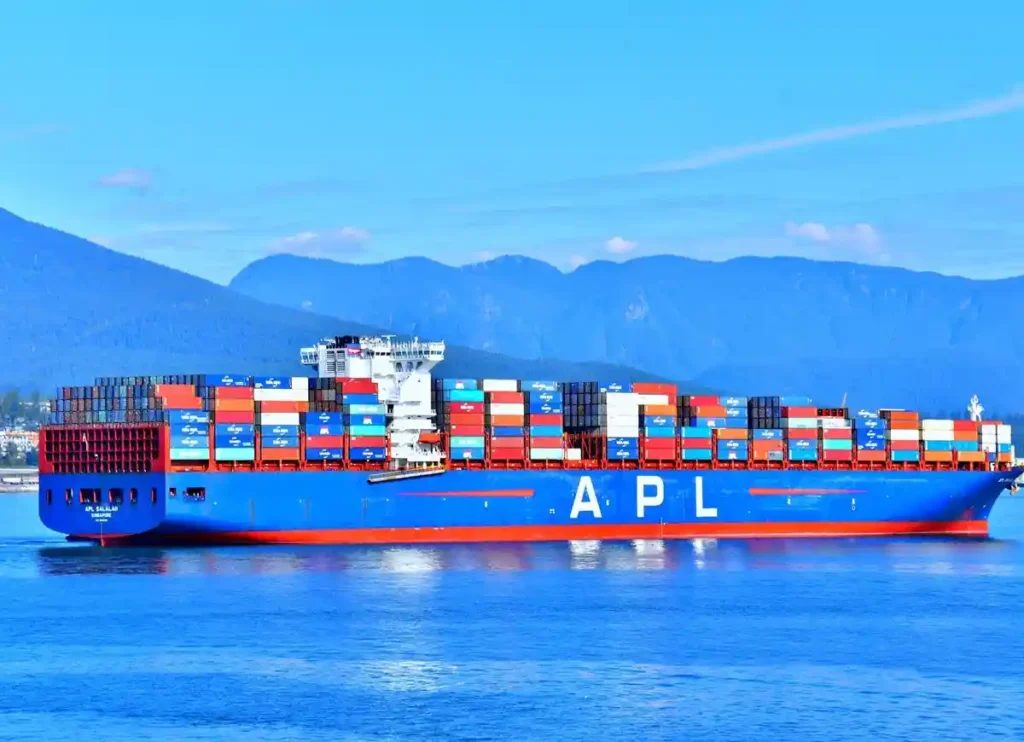
Trade and Faith in the Quran and Hadith
Islam encourages honest trade and views commerce as a respected livelihood, so long as it follows principles of fairness and trust between people.
Surah Al-Baqarah, Ayah 275 – Allah has permitted trade and forbidden usury, making honest commerce a lawful and respected path to earning. Read on Alim.org
Surah An-Nisa, Ayah 29 – Do not consume one another’s wealth unjustly, but only through trade based on mutual consent. Read on Alim.org
The Prophet Muhammad (peace be upon him) himself worked in trade before prophethood, and his teachings on honesty in business guided generations of Muslim merchants who followed him.
Sunan Abu Dawood 3326 – The Prophet (PBUH) praised the honest merchant, saying such a person would be raised among the trustworthy on the Day of Judgment. Read on Sunnah.com
Jami` at-Tirmidhi 1210 – The Prophet (PBUH) said truthful and clear dealings bring blessing, while dishonesty erases the benefit of a trade. Read on Sunnah.com
Hanafi Fiqh Books for Deeper Study
- Al-Hidayah fi Sharh Bidayat al-Mubtadi by Burhan al-Din al-Marghinani
- Multaqa al-Abhur by Ibrahim al-Halabi
- Al-Fatawa al-Hindiyya, compiled under Mughal-era scholars
- Kanz al-Daqaiq by Abu al-Barakat al-Nasafi
Lessons from Early Muslim Traders
Early Muslim merchants built reputations on honesty, which helped Persian Gulf ports flourish for centuries. Their success came from trust, not just navigation skill. This model of ethical trade still offers valuable lessons for modern business practices today.
For readers interested in Islamic principles of trade and commerce, Islamic Teachings Forum and IslamQA provide detailed scholarly discussions worth exploring further.
For historical background on these trade networks, you can also read more on Wikipedia and Britannica.
Topics: Sirah, Faith, Hijab, Arabic Corner, Islamic History, Biography, Islamic Studies, Halal & Haram
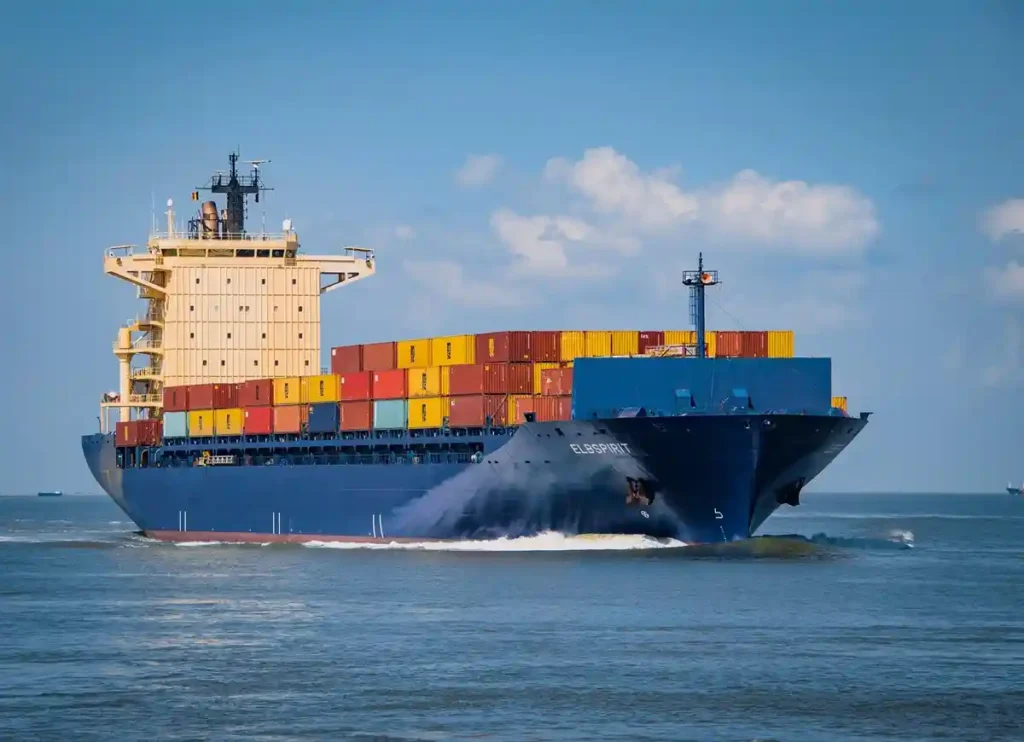
Frequently Asked Questions
What is maritime trade in Islamic history?
It refers to the exchange of goods by sea between Muslim regions and distant lands like India, China, and East Africa.
Which Persian Gulf ports were most important historically?
Siraf, Basra, Hormuz, and Muscat stood out as major hubs connecting Arabia and Persia to international trade networks.
How did Muslim traders navigate long sea routes?
They relied on detailed knowledge of monsoon winds and seasonal patterns, allowing safe and predictable travel across the Indian Ocean.
Did Islam encourage or discourage trade?
Islam strongly encouraged trade, viewing honest commerce as a respected and lawful way to earn a living and support families.
How did maritime trade spread Islamic teachings?
Merchants carried scholars and ideas alongside goods, helping Islamic knowledge and culture reach distant ports across Asia and Africa.
Final Thoughts
The story of maritime trade in the Persian Gulf reveals a legacy built on skill, faith, and honest commerce that shaped an entire region’s identity. This history reminds us that trust and fairness remain the true foundation of lasting success. For more educational content, visit quranmualim.com.
Alasad Online Quran Tutor — Learn Quran with certified teachers online. WhatsApp: [your number] | Facebook: [your page] | YouTube: @quranmualim
Islamic News For You:
- Gaza in the Light of Surah Ahzab
- Hormuz Island: Islamic History Explained
- The Map of Ottoman Empire & Persian Gulf
- Islamic Golden Age Maritime Trade in Islam
- 8 Countries Cut Funding to UN Agency in Gaza
- Hormuz: Impact on South Asia & The Subcontinent
- Houthi Red Sea Attacks Hit Car and Fashion Industry
- Islamic Studies Optional For Non-Muslims in Pakistan
- Gaza: US, Israel, Egypt, & Qatar Officials Engage in Gaza
- Jewish Morocco: From Pre-Islamic To Postcolonial Times
- Is The Strait of Hormuz Closed? Global Impacts Explained
- Brazilian Muslims Face Rising Islamophobia Over Gaza War
- Attacks on Indian Muslims Rise After Ram Temple Ceremony