
Hormuz is one of the most talked-about waterways on earth, and most people don’t fully understand why. Every few years, a headline appears asking if the strait of hormuz open or closed for shipping, and oil prices jump overnight. This confusion isn’t new. It has followed the region for centuries, long before oil tankers ever sailed through it.
Why People Get Confused About Hormuz
Many readers hear “strait of Hormuz” only in news reports about tension or war. They rarely learn the full picture: its geography, its history, or its deep connection to Islamic civilization. That gap in understanding is exactly what this article aims to close, using simple facts and real historical context.
For anyone wanting a broader historical companion piece, resources like The Story of the Muslim Conquest of Persia offer useful background on this era of expansion, diplomacy, and trade routes.
Where Is the Strait of Hormuz?
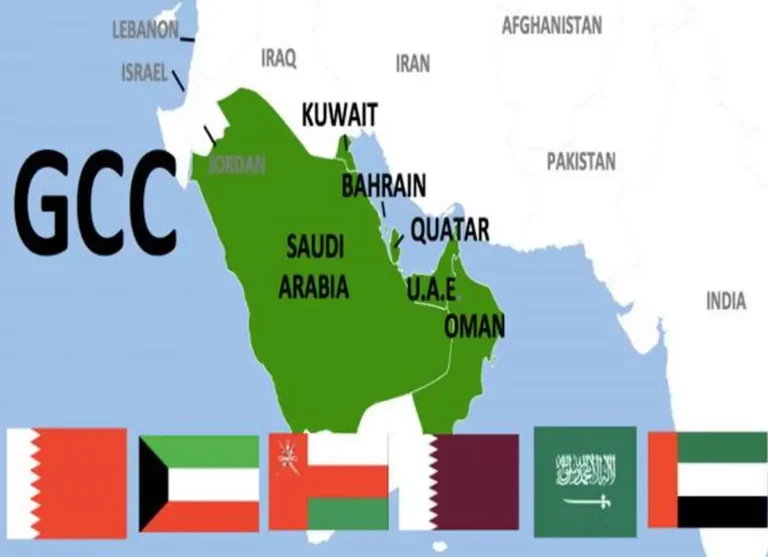
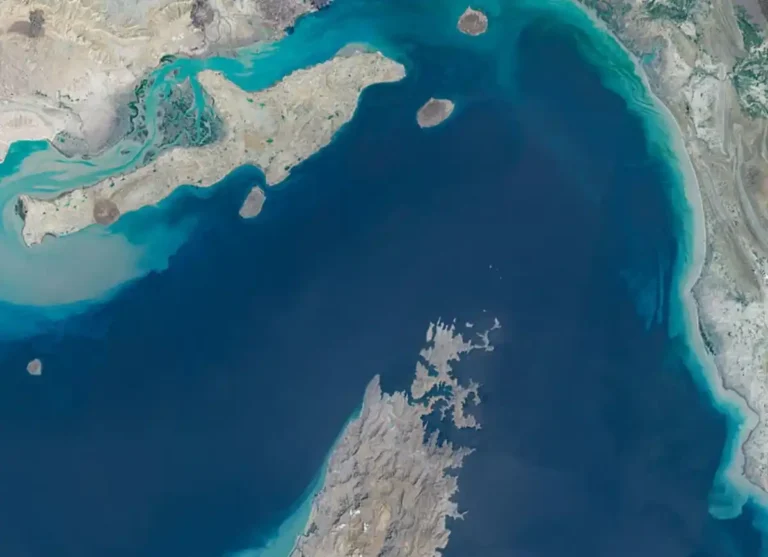
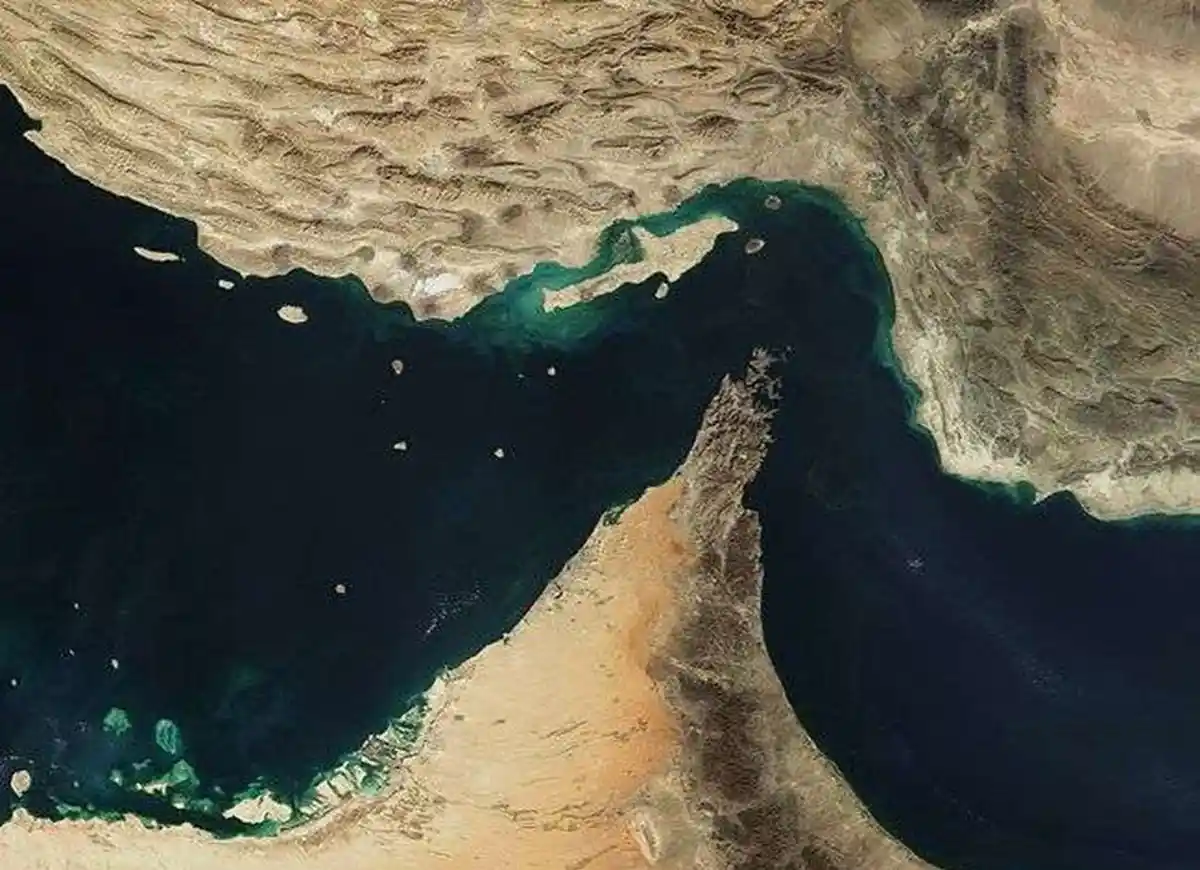
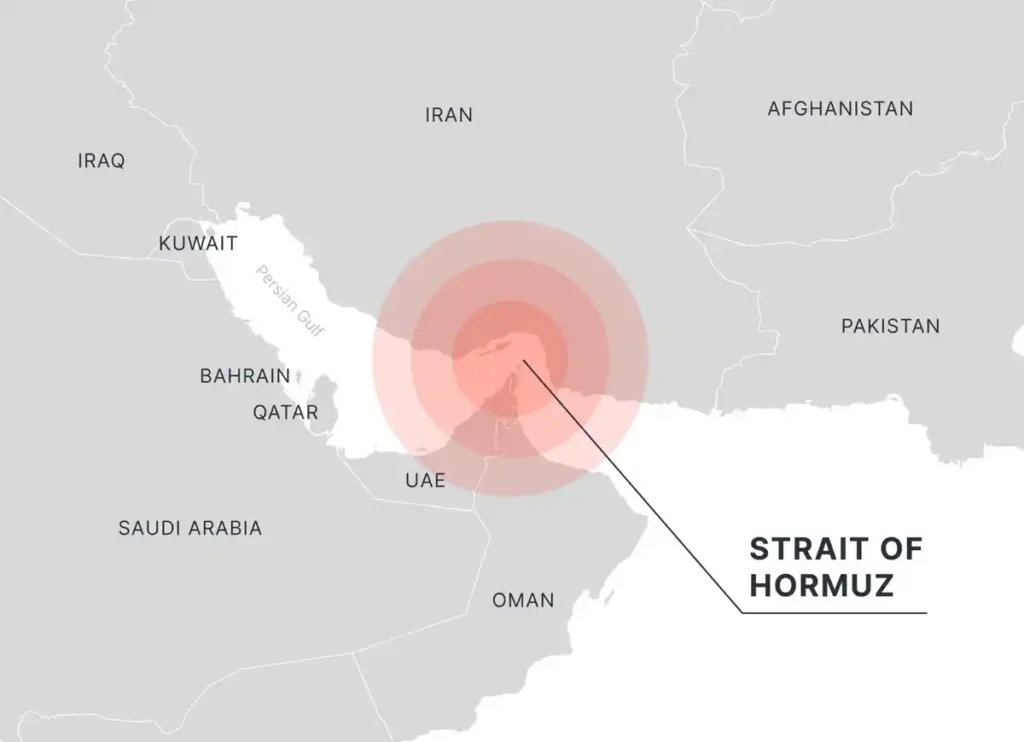
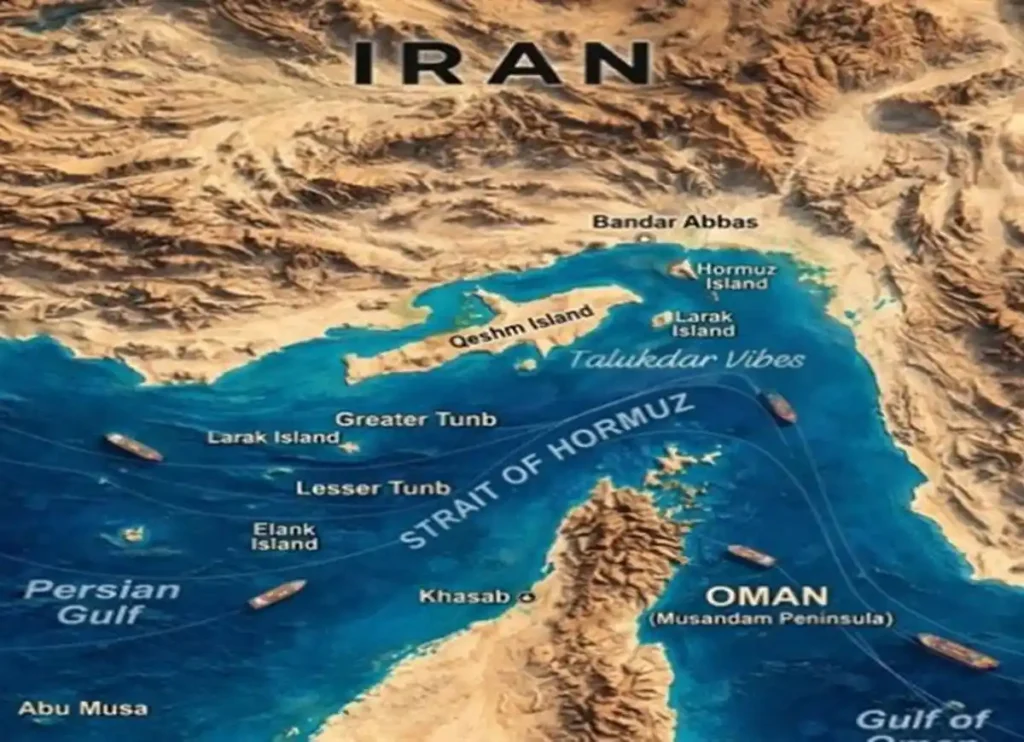
The Strait of Hormuz sits between Iran and Oman, connecting the Persian Gulf to the Gulf of Oman and, eventually, the open sea. It’s narrow, only about 21 miles wide at its tightest point, yet it carries a huge share of the world’s daily oil shipments. Its location makes it one of the most strategically important passages on the planet.
Why Hormuz Matters So Much Today
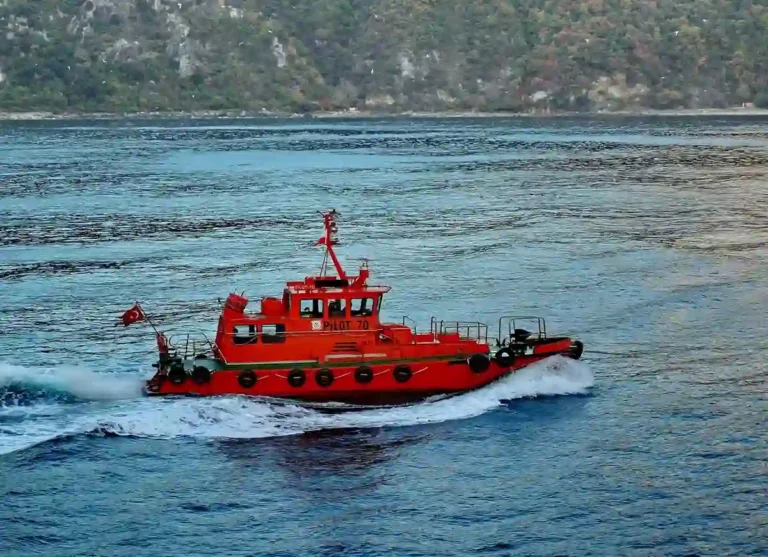
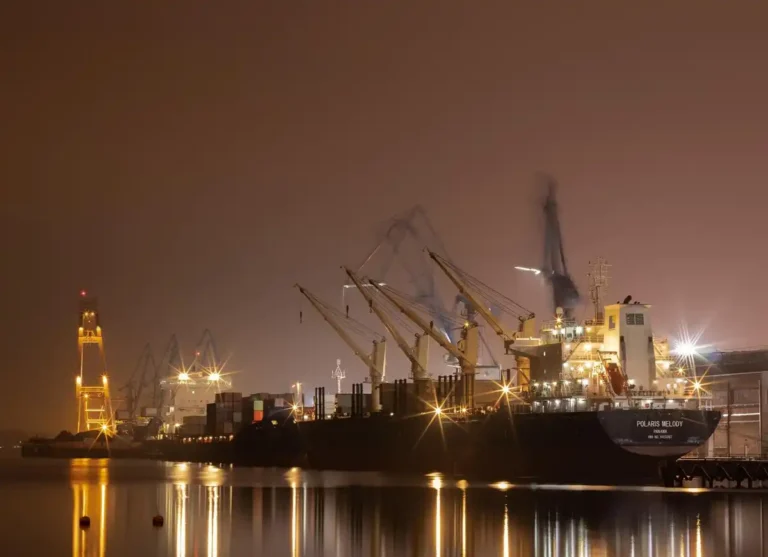
Roughly a fifth of the world’s oil supply passes through Hormuz every single day. If is the strait of hormuz open, trade flows smoothly, and energy prices stay relatively stable. If is the strait of hormuz closed, even briefly, prices spike and supply chains feel the shock almost immediately.
Benefits If the Strait Stays Open
- Stable fuel prices for households and industries
- Uninterrupted trade between Gulf nations and Asia
- Lower shipping insurance costs for tankers
- Predictable energy supply for manufacturing sectors
Impact on South Asia and the Subcontinent
Countries across the subcontinent of Asia depend heavily on Gulf energy imports. Pakistan, India, and Bangladesh import large volumes of oil that pass directly through Hormuz. When Hormuz stays open and stable, fuel costs remain manageable, which helps everyday transport, farming, and factory production stay affordable for millions of families.
Hormuz in the Quran:
Islam has always placed strong emphasis on fair trade, honest dealings, and safe passage for merchants. While the Quran doesn’t name the strait directly, its teachings on commerce and justice apply directly to waterways like Hormuz, which carry the livelihoods of entire nations.
Surah Al-Baqarah (2:275) teaches that Allah has permitted trade and forbidden interest (paraphrased meaning). This verse reminds traders that lawful commerce, including shipping through places like Hormuz, is blessed when conducted honestly.
Read on Alim.org
Surah An-Nisa (4:29) encourages believers to conduct trade only through mutual consent, never through deceit or force. This principle applies perfectly to modern shipping lanes, where fairness between nations keeps global trade running smoothly.
Read on Alim.org
Hormuz and the Islamic Period: The Story of ‘Umar (RA) and Hormuzan
One of history’s most fascinating connections between Islam and this region involves Hormuzan, a Persian commander who fought against the early Muslim armies during the caliphate of ‘Umar ibn al-Khattab (RA). After his capture, Hormuzan was brought before ‘Umar in Madinah.
Rather than facing harsh treatment, Hormuzan was treated with remarkable fairness. He eventually accepted Islam and became a trusted advisor on Persian affairs, helping guide decisions about the very regions surrounding the strait that today bears a name closely tied to his own. This story reflects the Islamic values of mercy, dialogue, and justice, even toward former enemies.
Benefits From Islamic Trade Principles
Islamic trade ethics shaped commerce across the Gulf for centuries. Merchants were taught to weigh goods honestly, avoid hoarding, and treat customers fairly. These principles helped build trust along trade routes, including waters near Hormuz, long before modern shipping regulations existed.
Hadith on Honest Trade
Sunan Abu Dawood (Hadith 3459) describes how the truthful and trustworthy merchant will be with the prophets, the truthful, and the martyrs on the Day of Judgment.
Read on Sunnah.com
Jami’ at-Tirmidhi (Hadith 1209) reminds traders that honesty and clear disclosure between buyer and seller bring blessing to their transaction, while concealment removes it.
Read on Sunnah.com
Open vs Closed: A Quick Comparison
| Situation | Global Oil Prices | Subcontinent Impact | Shipping Costs |
| Strait Open | Stable | Affordable fuel | Normal insurance rates |
| Strait Closed/Threatened | Sharp spikes | Higher transport costs | Insurance premiums rise |
Reading on Islamic Fiqh and History
For readers wanting deeper study of Islamic jurisprudence connected to trade and governance during this era, these Hanafi fiqh works are commonly referenced:
- Al-Hidayah – Burhan al-Din al-Marghinani
- Radd al-Muhtar – Ibn Abidin
- Fatawa Alamgiri
- Nur al-Idah – Hasan ibn Ammar al-Shurunbulali
For further discussion and community perspectives, visit the Islamic Teachings Forum or browse verified answers on IslamQA. You can also read more historical geography context on Wikipedia and Britannica.
Topics: Sirah, Faith, Hijab, Arabic Corner, Islamic History, Biography, Islamic Studies, Halal & Haram
Frequently Asked Questions
Is the Strait of Hormuz open right now?
Its status changes with regional tensions. Generally, it remains open for shipping, though occasional threats of closure cause short-term uncertainty in oil markets worldwide.
Why is Hormuz so important economically?
It’s the main passage for a large share of global oil exports, meaning any disruption directly affects fuel prices and transport costs everywhere.
Who was Hormuzan in Islamic history?
Hormuzan was a Persian military leader captured during early Muslim expansion, later becoming a trusted advisor under Caliph ‘Umar ibn al-Khattab (RA).
Does the Quran mention trade ethics relevant to places like Hormuz?
Yes, the Quran emphasizes honest trade and mutual consent, principles that apply directly to fair shipping and commerce through busy waterways.
How does Hormuz affect South Asian countries specifically?
Countries like Pakistan and India rely on oil imports through Hormuz, so stability there directly affects fuel prices and daily living costs at home.
Final Thoughts
Hormuz is more than a shipping lane. It’s a place where history, faith, and modern economics quietly intersect. Understanding its importance helps readers see why global stability, and simple lessons from Islamic trade ethics, still matter every single day.
For more Islamic educational content, visit Alasad Online Quran Tutor at quranmualim.com, or reach out via WhatsApp and YouTube (@quranmualim) for personalized Quran learning support.4
Islamic News For You:
- Hormuz Island: Islamic History Explained
- 8 Countries Cut Funding to UN Agency in Gaza
- Hormuz: Impact on South Asia & The Subcontinent
- Gaza: US, Israel, Egypt, & Qatar Officials Engage in Gaza
- Is The Strait of Hormuz Closed? Global Impacts Explained