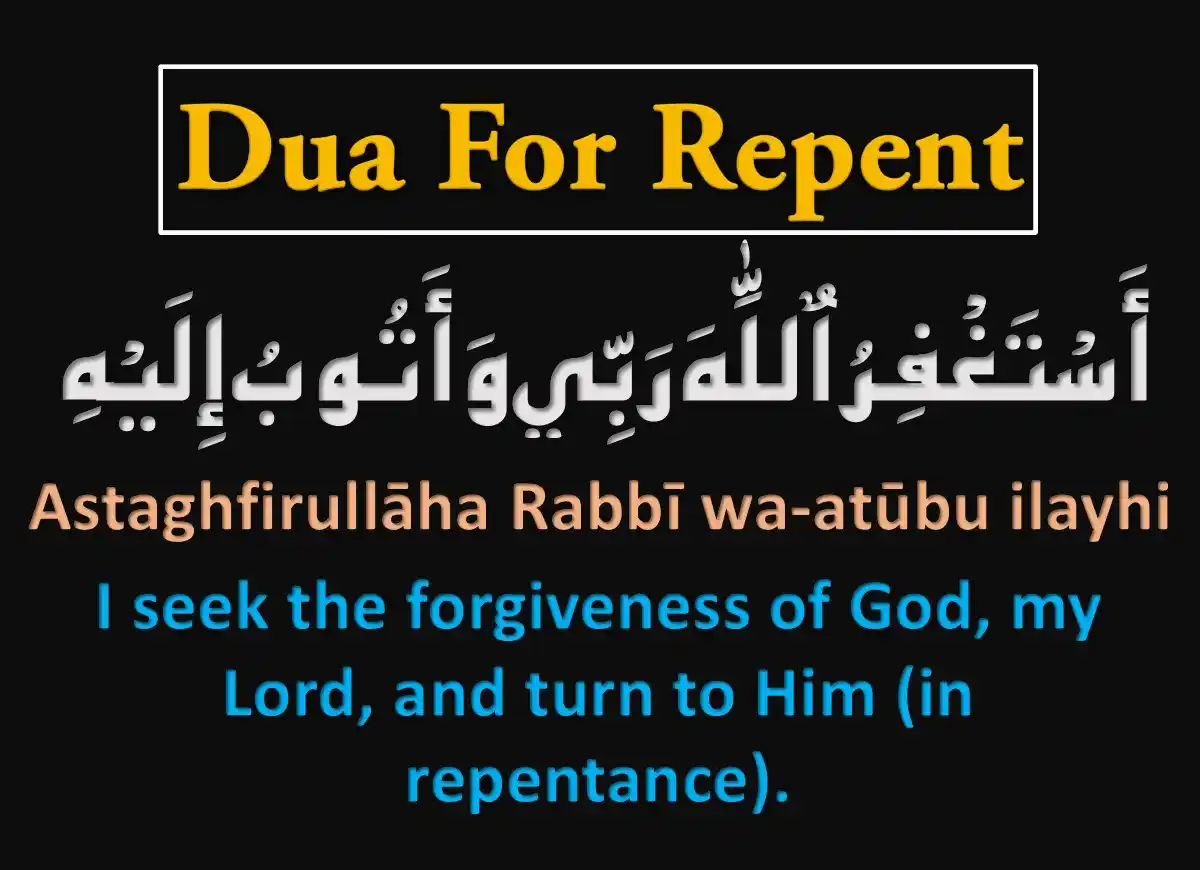

In this article we will learn about powerful dua for repentance and forgiveness. Have you ever felt a heavy weight on your heart—a burden from past mistakes, anxieties about your faith, or a feeling of being lost? In these moments, the door to Allah’s mercy is never closed. The act of repentance (Tawbah) is a profound gift, a direct line to our Creator for renewal and peace.
In this blog, we will explore the powerful Islamic prayer of repentance, Salatul Tawbah, and the timeless supplications that accompany it. This guide provides a clear, step-by-step manual for performing this spiritual cleansing. We’ll walk through each stage, from intention to completion, in a simple, easy-to-follow format designed for understanding and connection, not just ritual.
What Makes These Duas So Powerful?
This guide is more than just instructions. It includes Dua For Repentance with full English transliteration, Urdu translation, and detailed explanations to bridge understanding and touch your soul, easing feelings of anxiety and spiritual disconnection.
1. The Dua of Distress
Before even beginning your prayer, turn to this ultimate supplication of desperation and hope—the plea of Prophet Yunus (peace be upon him) from the darkness of the whale’s belly.
- Reference: Qur’an, Surah Al-Anbiya (21:87)
- Context: Recite this when you feel burdened by sins, mistakes, or overwhelming anxiety. It is a powerful, concise admission of fault and affirmation of Allah’s oneness.
اَلْعَرَبِيَّة (Arabic):
لَا إِلَٰهَ إِلَّا أَنتَ سُبْحَانَكَ إِنِّي كُنتُ مِنَ الظَّالِمِينَ
Transliteration:
Lā ilāha illā anta subḥānaka innī kuntu minaẓ-ẓālimīn.
Meaning in Urdu:
تیرے سوا کوئی معبود نہیں، تو پاک ہے، بے شک میں ہی ظالموں میں سے تھا۔
Meaning in English:
“There is no deity except You; exalted are You. Indeed, I have been of the wrongdoers.”
2. The Crown of Seeking Forgiveness: Sayyidul Istighfar
Regarded as the most superior and comprehensive dua for seeking forgiveness, this supplication is a masterpiece of acknowledgment, gratitude, and humble pleading.
- Reference: Sahih al-Bukhari 6306
- Context: Recite this with deep reflection and sincerity, especially after your prayers or in the last third of the night. It is a thorough repentance that covers all aspects of our relationship with Allah.
اَلْعَرَبِيَّة (Arabic):
اللَّهُمَّ أَنْتَ رَبِّي لا إِلَهَ إِلا أَنْتَ، خَلَقْتَنِي وَأَنَا عَبْدُكَ، وَأَنَا عَلَى عَهْدِكَ وَوَعْدِكَ مَا اسْتَطَعْتُ، أَعُوذُ بِكَ مِنْ شَرِّ مَا صَنَعْتُ، أَبُوءُ لَكَ بِنِعْمَتِكَ عَلَيَّ، وَأَبُوءُ بِذَنْبِي، فَاغْفِرْ لِي، فَإِنَّهُ لا يَغْفِرُ الذُّنُوبَ إِلا أَنْتَ
Transliteration:
Allāhumma anta rabbī, lā ilāha illā anta, khalaqtanī wa anā ‘abduka, wa anā ‘alā ‘ahdika wa wa‘dika mastaṭa‘tu. A‘ūdhu bika min sharri mā ṣana‘tu, abū’u laka bini‘matika ‘alayya, wa abū’u bidhanbī, faghfirlī, fa innahu lā yaghfirudh-dhunūba illā anta.
Meaning in Urdu:
اے اللہ! تو ہی میرا رب ہے، تیرے سوا کوئی معبود نہیں، تو نے مجھے پیدا کیا اور میں تیرا بندہ ہوں، میں اپنی طاقت کے مطابق تیرے عہد اور وعدے پر قائم ہوں، میں اپنے اعمال کی برائی سے تیری پناہ مانگتا ہوں، میں تیری اپنے اوپر نعمتوں اور اپنے گناہوں کا اقرار کرتا ہوں، پس مجھے معاف فرما کیونکہ تیرے سوا کوئی گناہ بخشنے والا نہیں۔
3. Dua for Our Children
True repentance also involves praying for the future and those we love. After seeking forgiveness for yourself, lift this heartfelt prayer for your children—a natural extension of a cleansed heart wishing for righteous offspring.
اَلْعَرَبِيَّة (Arabic):
يَا رَبِّ، لِجَمِيعِ مَنْ وَهَبْتَ لَهُمُ الأَوْلادَ، اجْعَلْ أَوْلَادَنَا قُرَّةَ أَعْيُنٍ لَنَا. يَا رَبِّ، احْفَظْهُمْ مِنْ فِتَنِ الزَّمَانِ وَمِنْ كُلِّ سُوءٍ يَحِيطُ بِهِمْ. نَحْنُ نَفْعَلُ مَا فِي وُسْعِنَا لَهُمْ، وَنَتَوَسَّلُ إِلَيْكَ بِجَلالِكَ وَرَحْمَتِكَ أَنْ تَفْعَلَ لَهُمْ مَا لَا نَسْتَطِيعُ. يَا رَبِّ، احْفَظْ إِيمَانَهُمْ وَإِيمَانَ ذُرِّيَّتِنَا إِلَى يَوْمِ الدِّينِ. آمِينَ.
Transliteration:
Yā Rabbi, li-jamī‘i man wahabta lahumul-awlāda, ij‘al awlādanā qurrata a‘yunin lanā. Yā Rabbi, ihfazhum min fitaniz-zamāni wa min kulli sū’in yaḥīṭu bihim. Nahnu naf‘alu mā fī wus‘inā lahum, wa natawassalu ilayka bijalālika wa raḥmatika an taf‘ala lahum mā lā nastaṭī‘u. Yā Rabbi, ihfaz īmānahum wa īmāna dhurriyyatinā ilā yawmid-dīn. Āmīn.
Meaning in English:
O Allah, to all whom You have blessed with children, make our children the coolness of our eyes. O Allah, protect them from the trials of this time and from every evil that surrounds them. We do all within our power for them, and we beseech You by Your Majesty and Mercy to do for them what we cannot. O Allah, safeguard their faith and the faith of our descendants until the Day of Judgment. Ameen.
Your Step-by-Step Guide to Salatul Tawbah
Now, with these powerful words in your heart, let’s perform the prayer of repentance:
- Sincere Intention (Niyyah): Make a heartfelt intention in your mind to perform Salatul Tawbah for the sake of Allah alone.
- Perform Ablution (Wudu): Cleanse yourself physically and prepare spiritually.
- Pray Two Rak’ahs: Perform two units of voluntary prayer (Nafl).
- Pour Your Heart Out: In your prostration (Sujood), after the prescribed prayers, call upon Allah using the duas above—especially the Dua of Yunus (A.S.) and Sayyidul Istighfar. Speak to Him in your own language, with humility, regret, and hope.
- Firm Commitment: Resolve in your heart to abandon the sin and not return to it.
Remember, Allah’s joy at the repentance of His servant is immense. Take this step today. Let your heart find its way back home.
May Allah accept our repentance, forgive our sins, and make us among those who are rightly guided. Ameen.
Recommended For You
- Allahumma Ajirni Minan Naar
- So Kar Uthne Ki Dua | Dua After Waking Up
- la ilaha illa anta subhanaka inni kuntu arabic
- Allahumma Rahmataka Arju: A Dua For Hope
- What To Say When Someone Dies Islam Dua?
- Dua For Istikhara in Arabic & Urdu Translation
- Praying For Death Anniversary And Forgiveness
- Arabic Prayer With Transliteration and Meaning
- Powerful Dua To Prayer For Forgiveness of Lust
- Prayer For Forgiveness of Others – Islamic Guide
- Safe Travel Prayer For A Friend With Transliteration
- Arabic Safe Trip Prayer Messages For Your Loved Ones