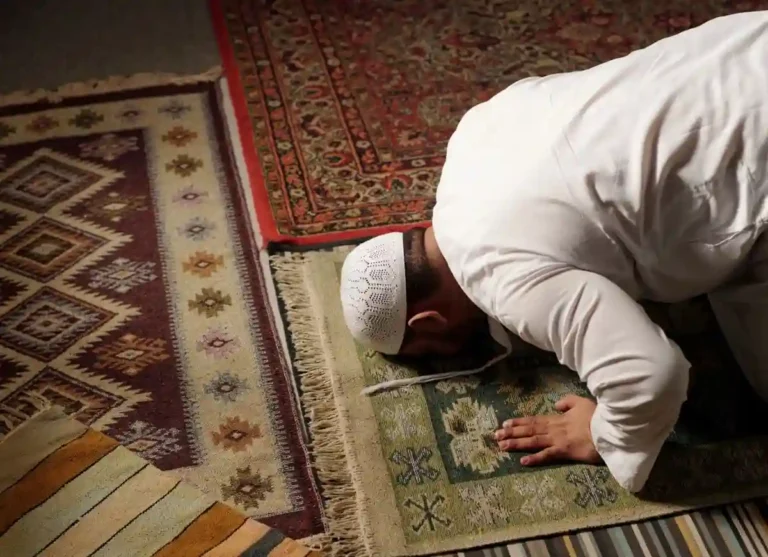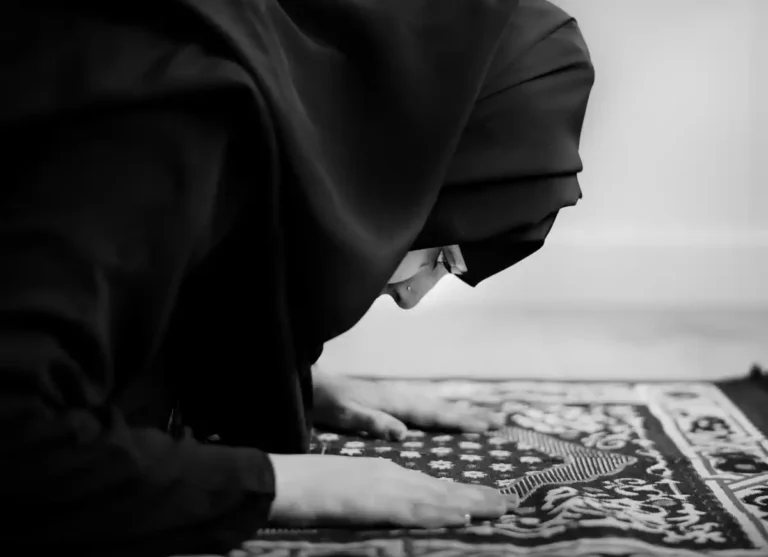
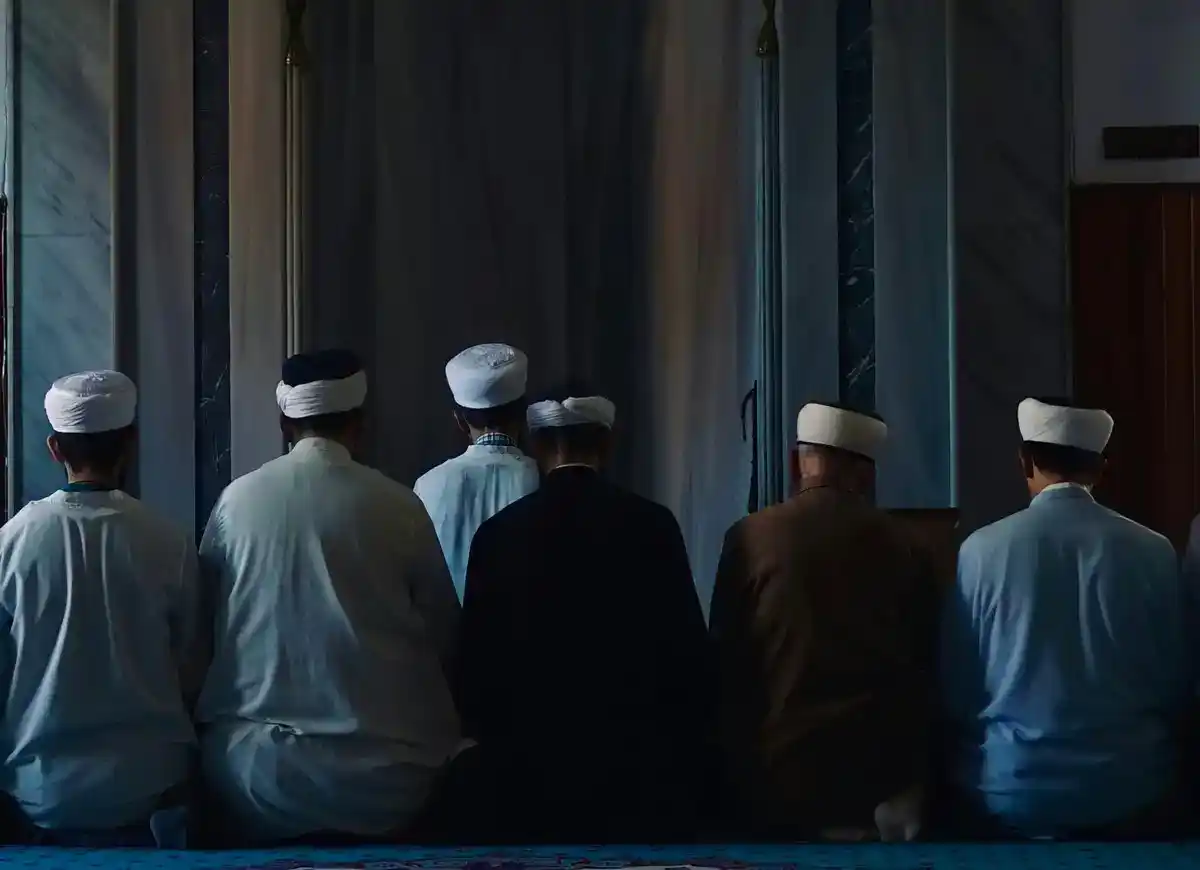

Maximum rak’at witr is a question many Muslims ask because Witr is prayed in more than one authentic way. Some people were taught one rak‘ah, others three, and others learned longer forms. The confusion is normal. The key is to know what is established, what is flexible, and how to pray with calm confidence. Wikipedia’s Witr page gives a basic overview of the prayer.
Amazon book pick: The Beginner’s Book of Salah
Witr is part of the night prayer after ‘Isha and before Fajr. In simple terms, it is the odd-ending prayer of the night. Britannica’s entry on salat helps new readers understand where voluntary prayers fit around the daily prayers. Britannica on salat.
Why this question matters
This topic matters because Witr is a regular part of worship for many Muslims. If someone is unsure, they may delay it, skip it, or keep changing methods every night.
A clear answer helps people pray with peace. It also helps beginners learn salah witr without feeling they are doing something wrong if they see another valid method in the mosque.
Benefits of understanding Witr correctly
- You pray with confidence, not confusion
- You respect valid differences in practice
- You learn the Sunnah flexibility in night prayer
- You can teach family members more clearly
- You stay consistent with Witr every night
Problem, insight, and solution
The common confusion
People usually ask, “What is the exact number?” But the real issue is this: Witr has more than one authentic format, and different schools explain it differently.
That is why one person says “Witr is one,” while another says “Witr is three.” Both may be speaking from valid evidence, but they are using different fiqh approaches.
The insight from Qur’an, Hadith, and fiqh
The Qur’an strongly encourages night prayer, and Witr is the closing prayer of that nightly worship. The hadith show flexibility in how Witr can be prayed.
Some narrations mention one rak‘ah as the odd-ending Witr. Other narrations mention three, five, or seven. Scholars then organized these reports into practical rulings for their schools. IslamQA also summarizes this range clearly in its guide on how to pray Witr.
The solution
Use this simple rule:
- Learn one valid method properly
- Pray it consistently
- Do not argue over valid differences
- Follow your local imam if praying in congregation
- Ask a scholar if you want to follow one school in detail
Similar Posts For You: Are We Praying 2 Rakat The Right Way?
Qur’an references related to night prayer
Qur’an Reference 1
Surah Al-Isra (17:79)
Transliteration: Wa mina al-layli fatahajjad bihi naafilatan laka
Short meaning: Pray in part of the night as extra worship. This supports the importance of night prayer, including Witr.
Qur’an Reference 2
Surah Al-Muzzammil (73:20)
Transliteration: Inna rabbaka ya‘lamu annaka taqoomu adna min thuluthayi al-layl… faqra’oo ma tayassara minhu
Short meaning: Allah knows the effort of standing in night prayer and commands what is manageable. This teaches balance and ease.
Hadith references on Witr numbers and timing
Hadith Reference 1
Sunan an-Nasa’i, Hadith 1710
Short meaning: The Prophet ﷺ said Witr can be prayed as seven, five, three, or one rak‘ah. This shows flexibility in valid odd-number formats. Read this Sunnah.com hadith on the different Witr counts
Hadith Reference 2
Sunan Ibn Majah, Hadith 1175
Short meaning: The Prophet ﷺ taught that night prayer is two by two, and Witr is one rak‘ah before dawn. This explains the odd ending of night prayer. Read this Sunnah.com hadith on ending night prayer with Witr
So what is the maximum number in Witr?
Here is the clear, practical answer: authentic narrations show multiple odd-number ways to pray Witr, and scholars mention forms ranging from 1 to 11 rak‘ahs in total formats of Witr/night prayer ending. IslamQA’s explanation includes praying eleven by ending the night with one rak‘ah after pairs.
So, for everyday learning, do not think of Witr as only one fixed shape. Think of it as an odd-ending night prayer with valid forms.
A useful fiqh note for Hanafi readers
In the Hanafi school, Witr is commonly prayed as three rak‘ahs in a set form, with qunut in the final rak‘ah. That is the standard method many families in South Asia learn first.
Other schools may emphasize one rak‘ah or different structures. This difference is known and should not become a source of arguments.
How to pray Witr prayer simply
Many beginners ask how to pray witr prayer in the easiest way. Here is a simple path.
Option A: The beginner-friendly method (common and easy)
- Pray 2 rak‘ahs
- Say salam
- Pray 1 rak‘ah
- Say salam
This is easy to remember and matches the “two by two, then Witr” teaching.
Option B: The common Hanafi method
- Pray 3 rak‘ahs together
- Recite qunut in the third rak‘ah (before ruku‘ in Hanafi practice)
- Complete the prayer with salam
This is the method many people mean when they say “Witr” in South Asian masjids.
Option C: Longer odd-number forms
Advanced or regular night-prayer worshippers may pray 5 or 7 in valid forms, based on hadith and fiqh guidance. If you are new, start simple and stay consistent.
Categories: PRAYER ,ALMS , SAWN HAJJ & DUA , Hadith and Tafseer, The Holy Quran, Quran Jaz 1- 114
Quick Witr table for clarity
| Question | Simple answer | Practical tip |
| Is Witr after ‘Isha? | Yes | Pray after ‘Isha and before Fajr |
| Is Witr always one way? | No | More than one valid format exists |
| Can Witr be 1 rak‘ah? | Yes | Common in many non-Hanafi methods |
| Can Witr be 3 rak‘ahs? | Yes | Very common in Hanafi practice |
| What if I fear missing late night? | Pray before sleep | Valid and recommended for that situation |
Habit tips for praying Witr regularly
1) Make Witr non-negotiable
Even if you miss extra nafl, try not to miss Witr. A short, regular Witr builds a strong prayer habit.
2) Choose one method and stick to it
If you keep changing styles every night, you may stay confused. Learn one valid method well first.
3) Pray before sleep if needed
If you are unsure you will wake up, pray Witr before sleeping. This is a very practical Sunnah-based habit.
4) Keep qunut easy
If you do not know a long qunut yet, learn it gradually. Start with a shorter supplication and improve step by step.
Similar Posts For You: 5 Time Namaz: Do We Perform Every Rakat Correctly?
Helpful resources and fiqh learning note
For detailed rulings, many readers check islamqa.info/en and discuss practical issues on islamicteachings.org/forum. Since this is another article in your series, it is also a good time to mention quranmualim.com as a beginner-friendly site for basic prayer learning.
If you want a detailed evidence-based breakdown of formats, the IslamQA article on How to Pray Witr is a useful reference for understanding the different valid ways.
Hanafi fiqh book titles to consult
- Bidayat al-Mubtadi
- Wiqayat al-Riwayah
- Al-Nahr al-Fa’iq
- Munyat al-Musalli
- Imdad al-Fattah

FAQ
What is the highest valid number for Witr prayer?
Witr is an odd-ending night prayer with multiple valid forms. Scholars mention several formats, and many explain that the total can reach eleven in authentic practice.
Is Witr one rak‘ah or three rak‘ahs?
Both are valid in Sunni fiqh discussions. Many Hanafis pray three, while other schools often pray one after pairs of night prayer.
How to pray witr if I am a beginner?
The easiest method is two rak‘ahs, salam, then one rak‘ah, salam. It is simple, clear, and easy to stay consistent with.
Can I pray Witr before sleeping?
Yes. If you think you may not wake up later, praying Witr before sleep is a valid and recommended option.
Do I have to follow one style only?
You should learn one valid method properly first. If you later learn other authentic forms, respect them and avoid arguing about differences.
Conclusion
The best way to understand maximum rak’at witr is to stop looking for one rigid number and start looking at the Sunnah as a range of valid options. Witr is flexible, practical, and full of mercy.
If you are learning how to pray witr, begin with one method, stay consistent, and pray with peace. That steady habit will help you more than memorizing every difference on day one—and it will make your Witr stronger, more regular, and more meaningful.
Similar Posts For You:
- Wudu (Step-by-Step)
- Fajr Prayer (How to Perform)
- Zuhr Prayer (How to Perform)
- Asr Prayer (How to Perform)
- Maghrib Prayer (How to Perform)
- Isha Prayer (How to Perform)
- Sunnah Prayers in Islam (Types)