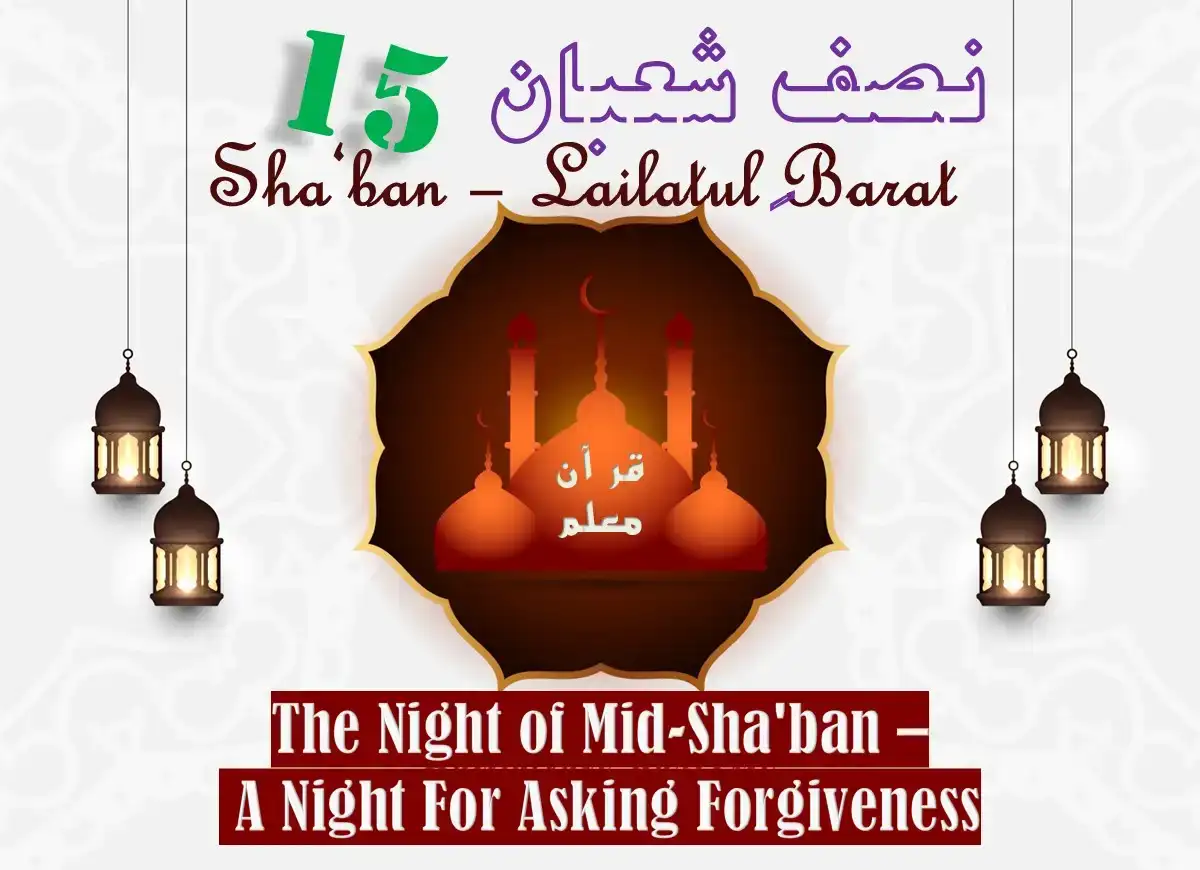

Mid Sha’ban (Nisf Sha’ban): Understanding the Night of Mid Sha’ban and Shab-e-Barat. The blessed night of Mid Sha’ban is one of the most significant occasions in the Islamic calendar, marking the 15th night of the month of Sha’ban. This night, also widely known as Shab-e-Barat or the Night of Mid Shaban, is observed by Muslims around the world as a time for seeking forgiveness, divine mercy, and spiritual renewal. The importance of Mid Sha’ban is deeply rooted in Islamic tradition, with its observance focused on prayer, reflection, and preparing the heart for the coming month of Ramadan.
What is Mid Sha’ban / Shab-e-Barat?
Mid Sha’ban refers specifically to the night between the 14th and 15th days of Sha’ban. The term “Nisf Sha’ban” literally means “half of Sha’ban” in Arabic. This Night of Mid Shaban is celebrated under various names across the Muslim world—such as Laylat al-Bara’ah (Night of Innocence), Shab-e-Barat (Night of Salvation), or Berat Kandili—but all refer to the same auspicious occasion. It is a night believed to be filled with special divine grace when Allah’s mercy descends, prayers are answered, and fortunes for the coming year are decreed.
Also Read: Third Kalima Tamjeed Arabic English Translation
Significance and Recommended Practices for the Night of Mid Shaban
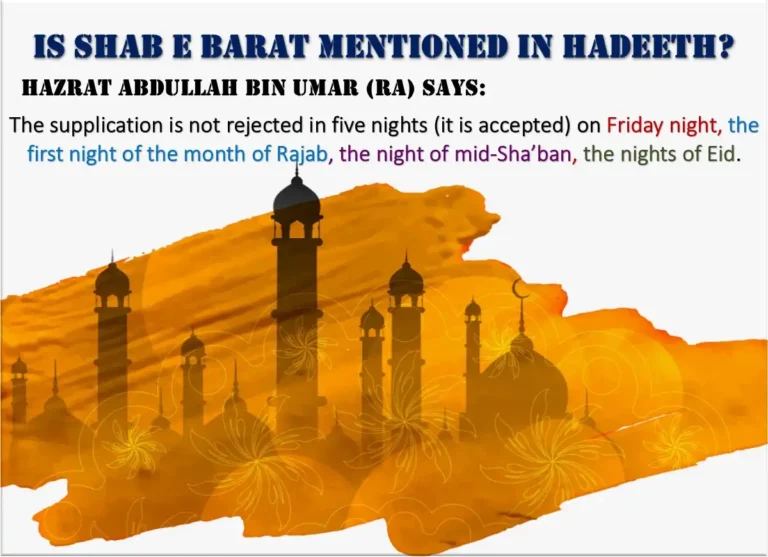
While the Holy Quran does not explicitly name Mid Sha’ban, many scholars associate its blessings with verses that speak of a “Blessed Night” where every wise decree is made distinct. The primary significance of Shab-e-Barat, however, is derived from the Hadith of Prophet Muhammad (PBUH). He emphasized this Night of Mid Shaban as a time when Allah Almighty forgives multitudes of people and asks if anyone seeks provision, healing, or forgiveness.
To benefit from the blessings of Mid Sha’ban, several devotional practices are recommended:
- Recitation of Surah Ya-Sin: It is a cherished tradition to recite Surah Ya-Sin three times on this night with different intentions: for long life in faith, for protection from harm, and for blessed sustenance. After each recitation, heartfelt supplication is made.
- Offering Special Prayers (Nafl): Engaging in voluntary night prayers is central. This includes the Salat al-Tasbih (Prayer of Glorification), where in each posture of a 2- or 4-rakah prayer, the phrases Subhanallah, Alhamdulillah, La ilaha illallah, Allahu Akbar are repeated ten times.
Categories: PRAYER , The Holy Quran, Quran Jaz 1- 114
Arabic Dhikr with Urdu Translation:
- سُبْحَانَ اللَّهِ – Allah Paak hai
- اَلْحَمْدُ لِلَّهِ – Tamam tareefen Allah hi ke liye hain
- لَا إِلَهَ إِلَّا اللَّهُ – Allah ke siwa koi ma’abood nahi
- اللَّهُ أَكْبَرُ – Allah sab se bara hai
- Seeking Forgiveness (Istighfar) and Making Dua: The core spirit of Shab-e-Barat is to sincerely repent and ask Allah for forgiveness. Personal, heartfelt supplication for oneself, one’s family, and the entire Ummah is highly emphasized on this Night of Mid Shaban.
- Fasting on the 15th of Sha’ban: While a specific hadith on fasting this day is considered weak, fasting during the “Bright Days” (the 13th, 14th, and 15th) of any lunar month is a general sunnah. Therefore, fasting on the day following Mid Sha’ban is a virtuous act.
Preparing for Ramadan
The month of Sha’ban acts as a spiritual bridge to Ramadan. The Prophet Muhammad (PBUH) used to fast extensively in Sha’ban. Thus, observing Mid Sha’ban with devotion is a perfect way to ignite one’s spiritual energy, cleanse the soul through repentance, and eagerly prepare for the holy month of fasting, prayer, and Quranic revelation.
FAQs on Mid Sha’ban / Shab-e-Barat
- What is Mid Sha’ban? It is the 15th night of the Islamic month of Sha’ban, also called Shab-e-Barat.
- What is Shab-e-Barat? It is the Night of Records/Forgiveness, synonymous with the Night of Mid-Shaban.
- How is the Night of Mid Shaban observed? Through prayer, Quran recitation (especially Surah Ya-Sin), seeking forgiveness, and making dua.
- Is fasting compulsory on 15th Sha’ban? No, but it is a virtuous voluntary act.
- Is Mid-Sha’ban mentioned in the Quran? Not by name, but its themes are linked to verses about a “Blessed Night.”
- Where can I learn about other Islamic nights? Visit Quranmualim.com for detailed articles like “The Significance of Laylatul Qadr.”
- Is this content original? Yes, this is a human-written, unique article with simple, clear translation and is plagiarism-free.
Recommended For You (Shabe Barat)
- Shab e Barat Mubarak (Lailatul Barat)
- What Should We Prayers of Shab e Barat?
- Best Shab e Barat Dua To Change Destiny
- Common Dua in Taraweeh Prayer To Recite
- So Kar Uthne Ki Dua | Dua After Waking Up
- Allahumma Rahmataka Arju: A Dua For Hope
- Why Do We Celebrate Shab-e-Barat in Islam?
- Arabic Prayer With Transliteration and Meaning
- Shab e Barat Namaz Ka Tarika (Prayers For 15 Shaban)
- Shab e Barat Ibadat And Prayers – Night of Forgiveness
- What is The Shab e Barat meaning? Night of Forgiveness
- Shab e Barat Namaz Rakats: How To Pray Namaz Rakats?