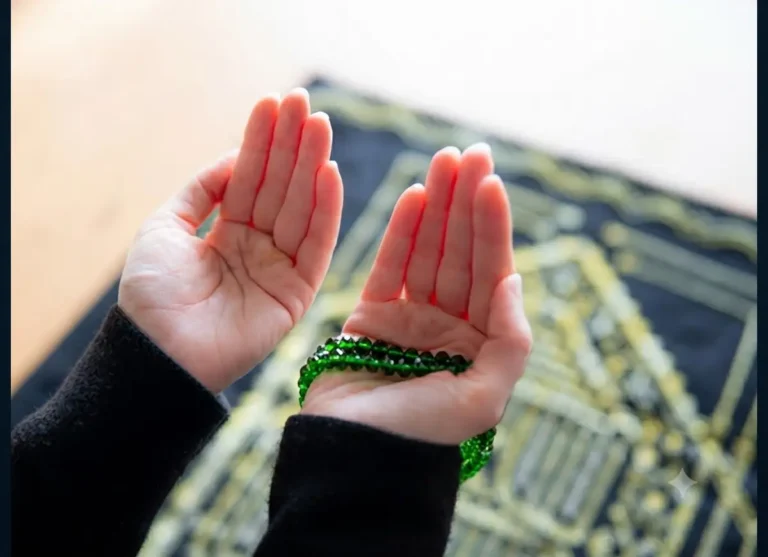


The question what is Tahajjud Namaz?” often appears when life gets noisy and the heart quietly asks for a calmer place to breathe. Picture a house asleep, a soft clock tick, and one small light still on—because someone decided to meet Allah in private, even for just two rak‘ahs.
Amazon pick (after the first paragraph): a practical step-by-step guide like “You want to pray Tahajjud every night?” (Kindle) or a focused booklet such as Qayam-ul-Layil by Saeed bin Ali bin Wahaf Al-Qahtani.
A friend once told me he felt like a “founder” running a startup called My Life—always shipping tasks, always chasing goals, but never feeling settled. Someone suggested Tahajjud. It sounded small. It wasn’t. It became the quiet habit that fixed what hustle couldn’t.
What is Tahajjud?
Tahajjud is a voluntary night prayer (nafl). It is prayed after ‘Isha and before Fajr, and many people connect it with waking up after sleep. It isn’t one of the five obligatory prayers, but it’s loved because it feels deeply personal—like a private meeting with Allah when no one is watching.
For a simple background read, see Tahajjud on Wikipedia.
A simple meaning, with a big impact
Tahajjud doesn’t demand perfection. It asks for presence. Even two short rak‘ahs can feel like pressing “restart” on the heart. That’s why people return to it—especially when they want forgiveness, guidance, or strength to keep going.
Tahajjud as a “startup habit”
Think like a founder. A startup doesn’t win because of one huge day—it grows through small habits done consistently: test, improve, repeat. Tahajjud works the same way. One night may feel ordinary. Two weeks later, you notice your patience and hope have quietly leveled up.
When is Tahajjud prayed?
Tahajjud can be prayed any time after ‘Isha and before Fajr. Many scholars highlight the last third of the night as the best window, based on authentic narrations about Allah’s special mercy at that time. If the “last third” feels confusing, don’t get stuck—start with what you can manage, then improve slowly.
A table you can actually use
| Question | Simple answer | Practical tip |
| Earliest time? | After ‘Isha | If you fear missing it, pray before sleep |
| Best time? | Last third of the night | Wake 40–60 minutes before Fajr |
| Latest time? | Before Fajr begins | Keep a backup alarm and a simple plan |
If you want a crisp encyclopedia-style definition, Britannica describes tahajjud as night worship that is generally sunnah and often linked to Qur’an recitation and prayer. Britannica’s Tahajjud overview is a helpful reference.
Why Tahajjud matters
Tahajjud gives three things most days don’t:
- Silence (no performance, no audience)
- Honesty (you can say what you hide all day)
- Consistency (small worship that builds big strength)
This is why people describe it as a “heart reset.” Not because life becomes perfect overnight, but because you become steadier inside your life.
Quran verses about night prayer
These verses don’t just motivate—they guide.
Surah Al-Isra 17:79
Arabic: وَمِنَ ٱلَّيْلِ فَتَهَجَّدْ بِهِۦ نَافِلَةًۭ لَّكَ عَسَىٰٓ أَن يَبْعَثَكَ رَبُّكَ مَقَامًۭا مَّحْمُودًۭا
English Translation: “And rise at night, offering additional prayers, so your Lord may raise you to a station of praise.” Surah Al-Isra 17:79 (Quran.com).
Surah As-Sajdah 32:16
Arabic: تَتَجَافَىٰ جُنُوبُهُمْ عَنِ ٱلْمَضَاجِعِ يَدْعُونَ رَبَّهُمْ خَوْفًۭا وَطَمَعًۭا وَمِمَّا رَزَقْنَـٰهُمْ يُنفِقُونَ
English: “They abandon their beds, invoking their Lord with hope and fear, and they donate from what We have provided for them.”: Surah As-Sajdah 32:16 (Quran.com).
Hadith about Tahajjud and the last third of the night
These narrations explain why the night feels like an open door.
Sahih al-Bukhari 1145
Arabic : يَنْزِلُ رَبُّنَا تَبَارَكَ وَتَعَالَى كُلَّ لَيْلَةٍ إِلَى السَّمَاءِ الدُّنْيَا…
English Translation: The Prophet ﷺ described the last third of the night as a time when people ask, seek forgiveness, and their du‘a is answered by Allah’s permission: Sahih al-Bukhari 1145 (Sunnah.com).
Sahih Muslim 1163a
Arabic: وَأَفْضَلُ الصَّلَاةِ بَعْدَ الْفَرِيضَةِ صَلَاةُ اللَّيْلِ
English Translation: “The best prayer after the obligatory prayer is the night prayer.”
Reference: Sahih Muslim 1163a (Sunnah.com).
How to pray Tahajjud
Here is the clean, beginner-friendly approach—no drama, no overload. If you’re searching how to perform namaz tahajjud, treat this like a simple checklist you can actually repeat.
Step-by-step method
- Pray ‘Isha.
- Sleep (even a short nap helps many people “count it” as waking).
- Wake up before Fajr.
- Make wudu.
- Pray 2 rak‘ahs (you can add more later).
- Make du‘a—slowly, honestly, in your own words.
That’s the core of how to pray tahajjud in a way that doesn’t burn you out.
How many rak‘ahs?
Tahajjud is prayed in sets of two. Many people start with 2 and grow to 4, 6, or 8 over time—whatever stays consistent. End the night with witr if you delayed it, but if you fear missing witr, pray it after ‘Isha and keep Tahajjud separate.
What to recite?
Recite what you know. Short surahs are enough. The goal is sincerity, not showing off. If you’re building your recitation step-by-step, you can explore www.quranmualim.com as an Islamic site for structured learning and guidance.
Also Read: Most Powerful Dua For Instant Miracle
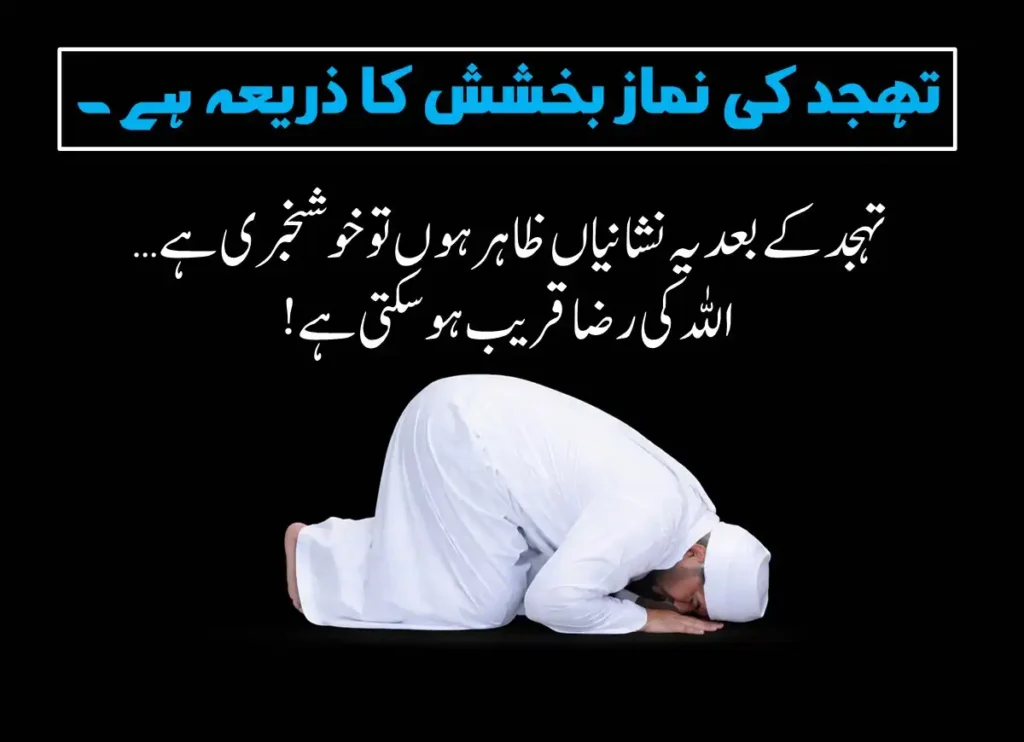
Sunni (Hanafi) notes in plain language
Many readers ask how to pray namaz tahajjud with Sunni practice in mind. The simple answer: pray it as nafl, two-by-two, and keep it easy. If you’re specifically searching how to pray tahajjud namaz sunni, don’t complicate it—start small and stay consistent.
Helpful habits:
- Keep your intention simple: “I’m praying Tahajjud for Allah.”
- Don’t chase long routines at the start.
- Choose a wake-up time you can actually repeat.
If you’d like a practical “how-to” explainer, Islamic Relief’s guide is written for everyday readers: How to pray Tahajjud (Islamic Relief UK).
Common mistakes that make people quit
Tahajjud often fails when people treat it like a one-night miracle instead of a steady habit.
- Starting with too many rak‘ahs
- Sleeping too late, then blaming “no willpower”
- Expecting instant life changes
- Comparing your routine to someone else’s
Your win is consistency, not perfection.
Hanafi scholars’ PDF book names to look for
If you prefer Hanafi fiqh references, readers often search these classic works as PDFs in reliable Islamic libraries:
- Al-Hidayah — Burhan al-Din al-Marghinani (PDF)
- Radd al-Muhtar ‘ala al-Durr al-Mukhtar — Ibn ‘Abidin (PDF)
- Bada’i al-Sana’i — al-Kasani (PDF)
- Al-Bahr al-Ra’iq — Ibn Nujaym (PDF)
- Al-Fatawa al-Tatarkhaniyya (PDF)
(These titles are well known; always use reputable libraries and verified editions when downloading.)
Tonight’s plan: keep it small, keep it real
If you’re still circling the question of what is tahajjud namaz, here’s the practical move: set one alarm, stand up, make wudu, pray two rak‘ahs, then ask Allah for what you truly need. Not fancy words—real words. The kind you hide from people, but never need to hide from Him.
Categories: Namaz ,Zakat , Roza , Prayer , Hadith & Supplications
Conclusion
Some habits make you productive. Tahajjud makes you steady. It teaches you to show up when nobody is watching—and that sincerity quietly fixes what applause never could. Let what is tahajjud namaz stop being a question on your screen and become a calm, repeatable part of your story—one night, one small step at a time.
FAQs
Is Tahajjud different from other night prayers?
Night prayer is broadly virtuous, and “Tahajjud” commonly refers to night prayer after sleeping. Many people use the terms interchangeably, but Tahajjud is often the name used when you wake up and pray before Fajr.
How many rak‘ahs are there in Tahajjud?
There is flexibility. Start with 2 rak‘ahs, then add more if you can do it consistently. The best number is the one you can maintain without burning out.
Do I have to sleep before Tahajjud?
Many people connect Tahajjud with praying after sleep, but even if you pray at night before sleeping, you still gain the reward of night worship—especially if your intention is sincere.
What if I wake up very close to Fajr?
Pray 2 quick rak‘ahs if there’s time left before Fajr begins. If Fajr has started, don’t panic—try again the next night. Consistency beats guilt.
What should I ask for in Tahajjud du‘a?
Ask for forgiveness, guidance, halal rizq, healing, and strength to stay consistent. Keep it honest and personal—Allah already knows what your heart has been carrying.
“Similar Posts For You”
- Best Time to Pray Tahajjud Namaz
- How Many Rakats in Tahajjud Prayer?
- Can I Pray Tahajjud Without Sleeping?
- Can You Pray Tahajjud After Witr?
- Virtues and The Benefits of Tahajjud Namaz
- Powerful Dua After Tahajjud Namaz
Recommended For You:
- How Many Rakats For Fajr Prayer?
- How Many Rakats For Zuhr Prayer?
- How Many Rakats For Asr Prayer?
- How Many Rakats For Maghrib Prayer?
- How Many Rakats For Isha Prayer?
- What Time is The Jummah Prayer?
- How to Perform Salah (Complete Namaz)
- What is The Sitting Between in Khutbah Called?
- Salat | Physical Benefits of Salat Prayer PDF Download