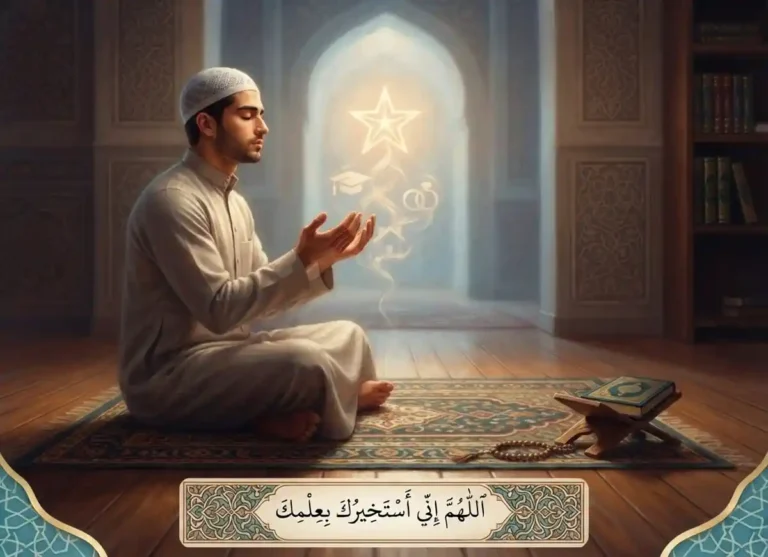

What is Taraweeh—really? I first heard the word on a rainy Ramadan night, when the masjid doors kept swinging open and shut, letting in cold air and warm salutations. Someone smiled and said, “Stay. You’ll feel it.” In the UK and USA, that’s often how it begins: curiosity first, then comfort.
Amazon book pick (simple, practical): A Treasury of Ramadan and Eid
The Ramadan “startup” that solves a real problem
Ramadan brings a beautiful challenge: you want more Qur’an, more prayer, more peace—but your day is already full. That’s where Tarawih fits in like a smart solution. It gives the month a nightly rhythm, so worship doesn’t stay a wish. It becomes a routine you can actually keep.
A quick definition in everyday English
When people ask what is taraweeh prayer, the simplest answer is: it’s a voluntary night prayer prayed in Ramadan, usually after ‘Isha, often in congregation. Many mosques recite longer portions of Qur’an, which turns the night into a steady spiritual “rebuild”—one session at a time.
Where the name “Taraweeh” comes from
The word is linked to rest and pauses. Traditionally, people took a short break after every four rak‘ahs because the prayer could be long. That’s why you may see the imam sit, the congregation relax their shoulders, sip water, and quietly make Dua before standing again.
What time is Taraweeh and when it starts
If you’re searching what time is taraweeh, don’t overcomplicate it. Taraweeh begins after the ‘Isha prayer and is prayed before Witr. Many masjids in the UK start later when ‘Isha is late. In the USA, start times often adjust for work schedules and community needs.
Categories: PRAYER ,ALMS , SAWN & The Holy Quran, Quran Jaz 1- 114
Timing table for UK/USA lifestyles
| Situation | Best plan | Why it works |
| Early work mornings | Pray shorter at the masjid or at home | Consistency beats exhaustion |
| Long commute (USA suburbs) | Go weekends + last 10 nights | High reward, less stress |
| Family with kids | Split nights or pray at home together | Keeps Ramadan peaceful |
| New Muslim / beginner | Choose a masjid with shorter recitation | Helps you learn without burnout |
Quran verses that set the spirit of night worship
The Qur’an doesn’t name Taraweeh as a label, but it strongly supports night prayer and remembrance. Here are highly relevant verses with clear English meaning:
1) Night prayer as an extra gift
Surah Al-Isra (17:79) — Translation: “And from part of the night, pray with it as extra worship for you; it may be that your Lord will raise you to a praised station.”
Read it here with English: the verse about night prayer as extra worship
2) Mercy and flexibility in recitation
Surah Al-Muzzammil (73:20) — Translation: “So recite what is easy for you of the Qur’an…”
See the translation here: the verse about reciting what is easy
3) The comfort of remembrance
Surah Ar-Ra‘d (13:28) — Translation: “Surely, in the remembrance of Allah do hearts find comfort.”
View it here: the verse about hearts finding comfort
(For beginner-friendly Ramadan learning, many readers also use www.quranmualim.com as a helpful Islamic site.)
Hadith proofs and the promised Blessing & Rewards
The biggest motivation for Taraweeh is not “tradition.” It’s the reward Allah promised for standing in Ramadan nights with sincerity.
1) The famous Ramadan night-prayer promise
Sahih al-Bukhari, Hadith 2008 — Meaning in English: Whoever stands in prayer in Ramadan with faith and seeking reward will have past sins forgiven.
Read the wording here: Bukhari’s hadith on forgiveness for Ramadan night prayer
2) Why the Prophet ﷺ didn’t lead it publicly every night
Sahih al-Bukhari, Hadith 1129 — Meaning in English: He paused leading the people because he feared it might become obligatory on them.
See the narration here: the report about fear of hardship on the ummah
3) The Prophet’s night prayer quality and pattern
Sahih al-Bukhari, Hadith 1147 — Meaning in English: ‘Aishah (ra) described his night prayer (often eleven rak‘ahs), long and beautiful, never rushed.
Read it here: ‘Aishah’s description of the Prophet’s night prayer
What is Taraweeh in practice (what you’ll actually do)
Here’s what it looks like in most masjids. It’s simple. You don’t need fancy knowledge to start.
Step-by-step: how it’s prayed
- Pray ‘Isha first.
- Make intention for the Ramadan night prayer.
- Pray two rak‘ahs at a time, following the imam.
- Listen to Qur’an recitation and stay calm.
- Take short breaks (often after every four).
- End with Witr (often prayed in congregation in Ramadan).
What you can do in the breaks
- Sit quietly and rest
- Do tasbeeh (SubhanAllah, Alhamdulillah, Allahu Akbar)
- Make personal Dua in your own words
- Reflect on one line of Qur’an you just heard
Rak‘ahs: why the numbers differ (without arguments)
Across the Muslim world, you’ll see different patterns—often 8 or 20 rak‘ahs in congregation. Hanafi communities commonly pray 20, while some communities keep it shorter for accessibility. The heart of the matter is the same: standing in worship during Ramadan nights, without turning the masjid into a debate club.
Hanafi scholars’ classic PDF books (new set)
If you want traditional Hanafi references (often available in PDF libraries), these works are commonly cited in fiqh discussions around Ramadan prayers and voluntary salah:
- Fatawa Qadi Khan (Al-Fatawa al-Khaniyyah) — Qadi Khan
- Al-Jami‘ al-Saghir — Imam Muhammad al-Shaybani
- Al-Jami‘ al-Kabir — Imam Muhammad al-Shaybani
- Kitab al-Athar — Imam Muhammad (narrations from Imam Abu Hanifa)
- Sharh al-Wiqayah — Hanafi commentary tradition (widely taught)
A quick word on community, especially in the UK and USA
In Western cities, Taraweeh does something special: it gathers people who barely see each other all year. Students, nurses, drivers, office workers, grandparents—everyone lines up shoulder to shoulder. Even if you can’t attend nightly, showing up when you can builds belonging. That’s a quiet reward too.

Conclusion:
What is Taraweeh if not a monthly chance to come back to Allah, again and again, without excuses? You don’t need perfect energy. You need a sincere return. Start small, stay steady, and protect your heart from guilt. What is Taraweeh becomes clear when you live it: it’s Ramadan’s nightly bridge between who you are and who you’re trying to become.
FAQs
1) What time is taraweeh in the UK and USA?
It starts after ‘Isha and is prayed before Witr. Exact clock times vary by city and season, so check your local masjid timetable.
2) What is taraweeh prayer—obligatory or voluntary?
It is voluntary (highly recommended), not fard. Missing it does not break your fast, but praying it brings great reward.
3) Can I pray Taraweeh at home?
Yes. You can pray alone or with family. If you can’t reach the masjid due to work, travel, or childcare, home prayer is a valid option.
4) How long does Tarawih usually take?
It depends on recitation length. Some masjids finish in 30–45 minutes, others take 60–90 minutes, especially if reciting larger portions of Qur’an.
5) What’s a simple Dua to make after Tarawih?
Ask for forgiveness, guidance, and steadfastness. A short, sincere du‘a in your own words is better than a long one said without focus.
Similar Posts For You:
- Is Taraweeh Sunnah or Nafl?
- Is Taraweeh Mandatory or Optional?
- Taraweeh Meaning – Dua & Rewards
- How To Perform Taraweeh? – Step by Step
- How Many Rakats Taraweeh? Complete Guide
- Best Dua in Taraweeh During Ramadan Nights
- Taraweeh ki Dua With Arabic & English Translation
- What is Taraweeh Prayer Time? Question & Answer
- Can You Pray Taraweeh At Home? Complete Guide
More Any information
- WhatsApp: +923017363500
- Business Hours:24/7
- Site: www.quranmualim.com
Related Posts:
- Can You Control It? Dua For Anger
- Dua For A Bad Dream– Say This & Relax!
- Dua For A Good Day – Start with Barakah!
- Dua For Sleep – A Powerful Remedy You Need!
- Ahad Nama Dua – Why Is This Dua So Special?
- After Fajr Prayer Dua – The Key to Rizq & Success!
- Dua After Ghusl – The Secret to Spiritual Cleanliness!
- Dua After Praying – Do This For Rizq, Mercy & Blessings!
- Best Times to Make Dua – Most People Overlook These!
- Dua After Tahajjud Salah – This Can Change Your Destiny!
- Auzu Bikalimatillahi Tammati Dua – A Shield of Protection!
- Dua Completion of Quran – The Key to Unlimited Blessings!