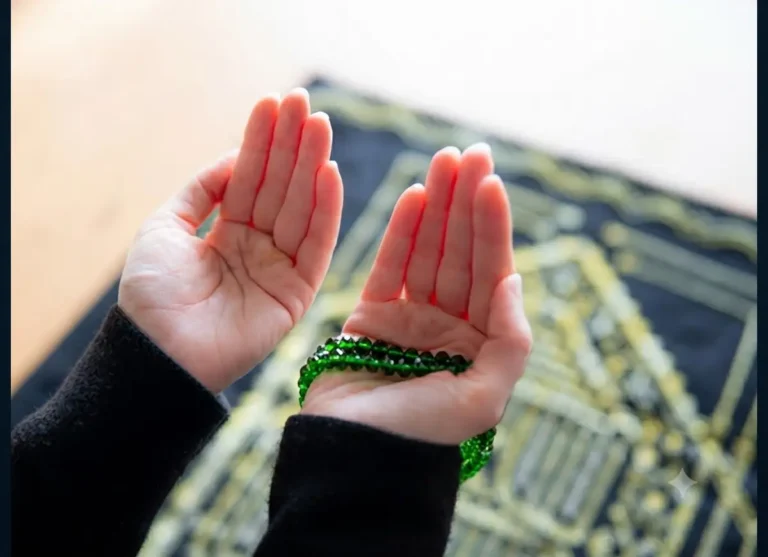
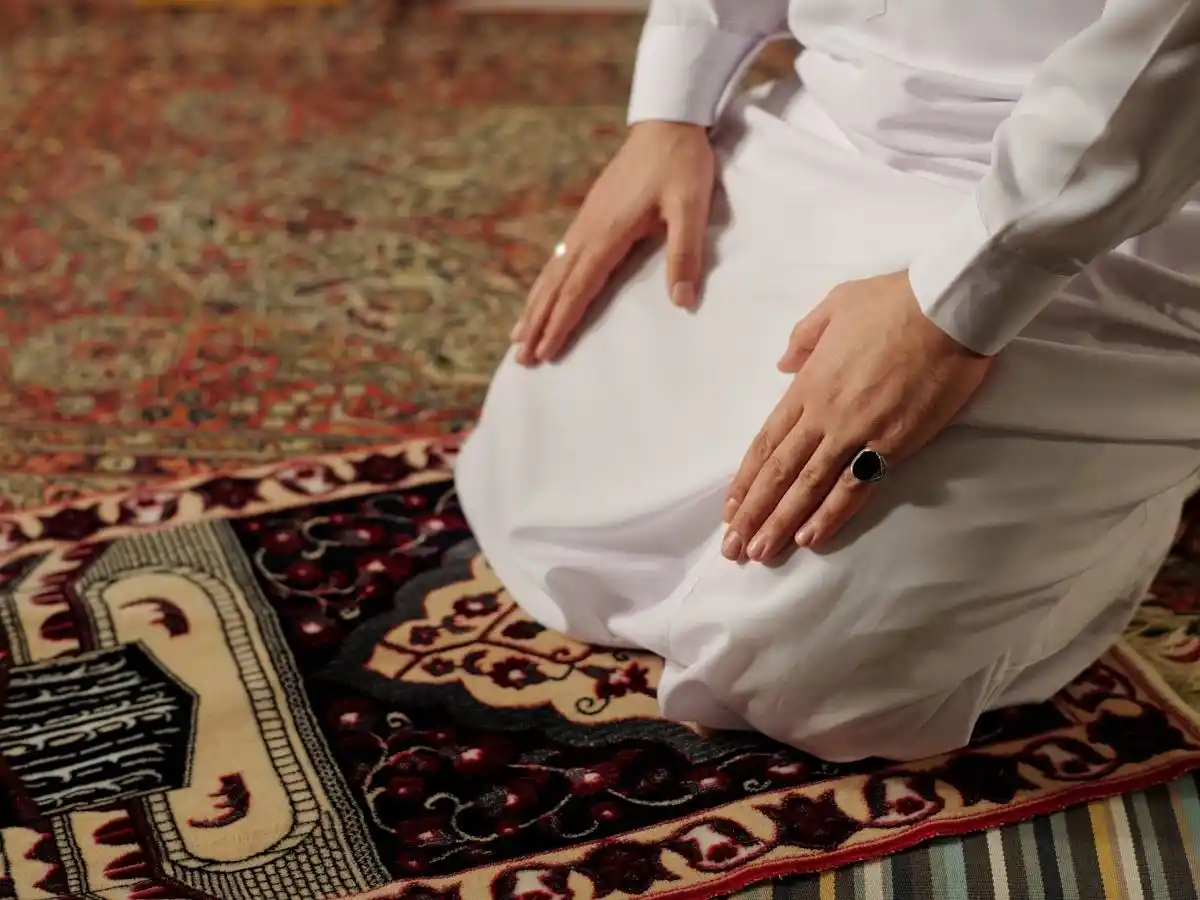

“Namaz is the pillar of islam is a phrase many Muslims hear from childhood, and it captures a real truth about daily worship. People often know that prayer matters, but they may still ask where it fits among the pillars, why it is so central, and what makes it different from other acts of worship. A simple overview of the Five Pillars of Islam on Wikipedia helps frame the subject.
For a simple introductory read, see The Five Pillars of Islam: Laying the Foundations of Divine Love and Service to Humanity.
Islam is built on five foundational duties: shahadah, salah, zakat, sawm, and hajj. Britannica summarizes them as the five obligatory religious acts for Muslims, while classical hadith collections list them in the same basic order. A concise Sunni explanation of the pillars and the place of prayer also appears on IslamQA’s guide to the pillars of Islam.
Among these pillars, salah stands out because it is repeated every day, all year, through ease and hardship. Shahadah enters a person into Islam, but salah keeps the believer actively connected to Allah five times a day. That is why prayer shapes the rhythm of a Muslim’s life more than any other pillar.
What Are the Five Pillars of Islam?
Many people ask, what is the five pillar of islam or which one comes first. The answer is simple: Islam rests on five core duties that define a Muslim’s worship and obedience. The hadith of “Islam is built on five” is one of the clearest summaries of the religion’s practical foundation.
The five pillars in one line each
- Shahadah—the declaration that there is no god but Allah and Muhammad is His Messenger.
- Salah – the five daily prayers that keep a Muslim connected to Allah.
- Zakat—giving a fixed share of wealth to help the poor and purify one’s earnings.
- Sawm—fasting in Ramadan to build taqwa, patience, and self-control.
- Hajj—the pilgrimage to Makkah for those who are able in health and finances.
Which is the first pillar of Islam?
The first pillar of Islam is the shahadah. It is the statement of faith, and it comes before all other duties because belief is the foundation of action. Once faith is established, salah becomes the most visible daily pillar in a Muslim’s life.
Why Salah Holds Such a Central Place
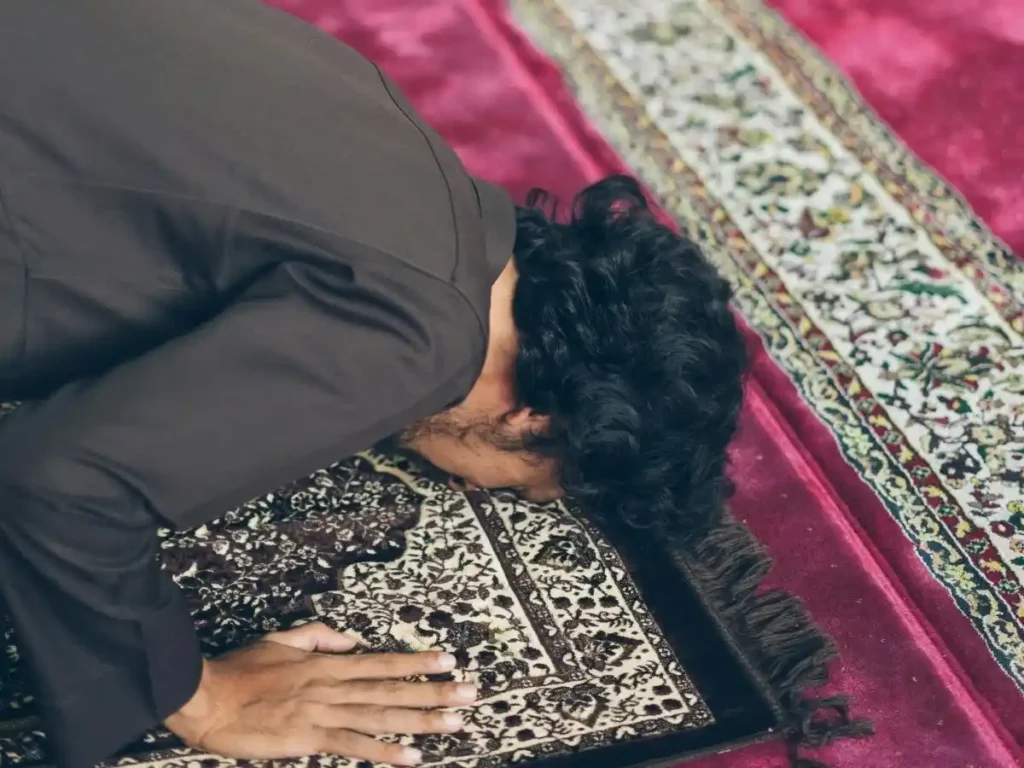
Prayer is not just one duty among many. It is the pillar that returns again and again through the day. It teaches discipline, humility, gratitude, and remembrance. Unlike zakat, fasting, or hajj, salah is not seasonal. It is the constant pillar that guards faith from becoming only a claim on the tongue.
This is why many teachers explain the idea in simple words: namaz is the pillar of islam because it supports the believer’s entire religious life. When prayer is strong, other parts of worship usually become easier. When prayer is neglected, the whole structure of religious life becomes weaker. This is a practical lesson drawn from Qur’an, hadith, and lived Muslim experience.
Also Read: Namaz Dua (Masnoon Duain) PDF Download
Qur’an Verses About Prayer
Transliteration: Fa‘budni wa aqimis-salata li dhikri
Short meaning: Worship Me alone, and establish prayer for My remembrance.
Link: Read Surah Taha 20:14 on Quran.com
This verse explains the heart of salah in very direct words. Prayer is not empty movement. It is an act of worship built around remembering Allah.
Transliteration: Wa aqimis-salata; innas-salata tanha ‘anil-fahsha’i wal-munkar
Short meaning: Establish prayer. Surely prayer restrains from shameful and wrong deeds.
This verse shows one of salah’s greatest benefits. A sincere prayer does not stay inside the mosque only. It changes conduct, choices, and habits in daily life.
Hadith References About the Pillars and Prayer
The Prophet ﷺ said that Islam is built on five: testimony of faith, establishing salah, giving zakah, hajj, and fasting Ramadan.
Link: Read the Sunnah.com narration listing the five pillars of Islam
This hadith makes the structure of Islam very clear. Prayer is not outside the pillars. It is named directly as one of the five foundations.
The Prophet ﷺ said the first deed a person will be brought to account for on the Day of Resurrection is the prayer.
Link: See the Sunnah.com narration on prayer being the first deed accounted for
This hadith explains why scholars always warn against taking salah lightly. Prayer is not a side matter. It is one of the first things examined in a believer’s record.
Categories: PRAYER ,ALMS , SAWN & The Holy Quran, Quran Jaz 1- 114
A Simple Table: The Pillars and Their Purpose
| Pillar | Main purpose | Simple takeaway |
| Shahadah | Faith and belief | Accept the truth of Islam |
| Salah | Daily worship | Stay connected to Allah |
| Zakat | Purify wealth | Help those in need |
| Sawm | Self-control | Build patience and taqwa |
| Hajj | Unity and sacrifice | Complete a major duty if able |
This table helps answer both “pillar of islam” and “what is the five pillar of islam” in a quick and practical way.
Real-Life Benefits of Keeping Salah Strong
- It builds a stable daily routine
- It softens the heart and reduces heedlessness
- It keeps faith active, not passive
- It teaches punctuality and self-control
- It connects private belief with visible worship
A person who protects prayer usually becomes more careful in speech, money, time, and relationships. That is one reason so many scholars, parents, and teachers keep returning to salah when talking about personal reform.
Helpful Habit Tips
How to strengthen prayer daily
- Pray at the beginning of each prayer time
- Learn the meanings of what you recite
- Keep company with people who guard salah
- Use a prayer timetable and simple routine
- Never let one missed prayer turn into many missed prayers
These small habits help turn knowledge into consistency. Many people ask about prayer on islamicteachings.org/forum, but lasting progress usually comes from daily practice, not only reading.
Hanafi Fiqh Books for Further Study
- Al-Mukhtar lil-Fatwa
- Majma‘ al-Anhur
- Fath Bab al-‘Inayah
- Imdad al-Fattah
FAQs
Is salah the first pillar of Islam?
No. The first pillar is shahadah, the declaration of faith. Salah is the second pillar, but it is the most repeated pillar in daily life.
Why do people say prayer is the pillar of Islam?
They mean prayer supports and protects a Muslim’s religious life in a central way. It is the most regular pillar after faith itself.
What are the five pillars in simple words?
They are faith, prayer, charity, fasting, and pilgrimage. Together, they form the basic framework of Muslim worship and obedience.
Is prayer more important than fasting?
Both are pillars, but salah is daily and is described in hadith as the first deed accounted for on the Day of Judgment.
Can a Muslim improve slowly in salah?
Yes. Steady improvement matters. Learning prayer step by step, keeping time, and praying consistently is far better than giving up from shame or delay.
Conclusion
In the end, namaz is the pillar of islam is more than a slogan. It is a practical truth about how faith stays alive in everyday life. The five pillars give Islam its structure, but salah gives that structure daily strength. When a Muslim protects prayer, the rest of religion becomes steadier, clearer, and more beautiful.
Recommended For You:
- How Many Rakats For Fajr Prayer?
- How Many Rakats For Zuhr Prayer?
- How Many Rakats For Asr Prayer?
- How Many Rakats For Maghrib Prayer?
- How Many Rakats For Isha Prayer?
- What Time is The Jummah Prayer?
- 6 Types of Sunnah Prayers In Islam
- How to Perform Salah (Complete Namaz)
- How To Pray Witr Namaz? Step by Step Guide
- How To Read Asr Namaz? Step by Step Guide
- What is The Sitting Between in Khutbah Called?
- Salat | Physical Benefits of Salat Prayer PDF Download
- Dua For Namaz: Simple Words That Steady The Heart, rayer