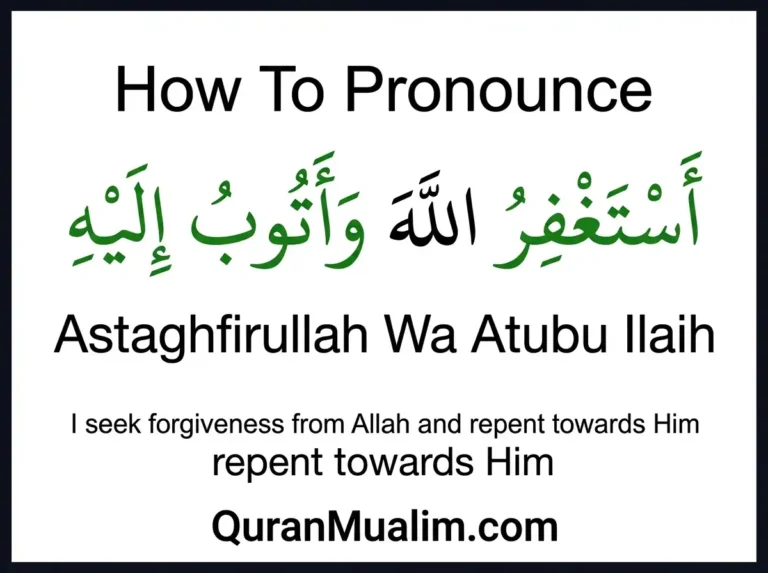


Ruqyah often gets treated like a mystery ritual, something only a scholar or healer can do properly. That confusion keeps many Muslims from using a practice the Prophet ﷺ relied on constantly. Once you see what the Quran and Sunnah actually say, ruqyah turns into something approachable, practical, and deeply rooted in daily worship.
Recommended reading: The Exorcist Tradition in Islam on Amazon
Why Ruqyah?
Ruqyah addresses problems modern life often overlooks: spiritual unease, unexplained anxiety, the evil eye, and the lingering effects of envy or magic. It gives Muslims a direct, Quran-based response instead of turning to unreliable folk remedies or superstition dressed up as tradition.
Benefits of Ruqyah
Consistent ruqyah practice offers real, noticeable benefits:
- Protection from the evil eye and envy-based harm
- Relief from anxiety, restlessness, or unexplained fatigue
- A stronger daily habit of Quran recitation
- Increased reliance on Allah during hardship
- A sense of spiritual clarity during difficult seasons
Categories: PRAYER ,ALMS , SAWN & The Holy Quran, Quran Jaz 1- 114
Ruqyah in the Quran and Sunnah
Qur’an References
| Surah | Ayah | Meaning (Short) | Link |
| Al-Baqarah | 2:255 (Ayat al-Kursi) | Allah’s power and protection encompasses all creation | Read on Quran.com |
| Al-Falaq | 113:1-5 | Seeking refuge in Allah from all forms of harm | Read on Quran.com |
Hadith References
Abu Sa’id al-Khudri narrated that the Prophet ﷺ used to seek refuge from the evil eye of jinn and of humans until Surahs Al-Falaq and An-Nas were revealed, after which he relied only on them for protection. This is recorded in Sunan an-Nasa’i 5494 on Sunnah.com.
Asma bint Umays asked the Prophet ﷺ whether she should recite ruqyah for Ja’far’s children after they were affected by the evil eye, and he confirmed it was appropriate, since nothing outpaces divine decree the way the evil eye does. This narration appears in Sunan Ibn Majah 3510 on Sunnah.com.
Also Read: How To Do Ruqyah: A Complete Guide For Self-Healing
How to Perform Ruqyah?
Three elements shape a proper, effective ruqyah practice.
1. Intention (Niyyah)
Before reciting anything, set a sincere intention. Ruqyah isn’t a mechanical routine. It’s an act of worship, so the heart must aim purely at seeking Allah’s help, not habit or ritual for its own sake.
2. Conviction (Yaqin)
Firm belief in Allah’s power to heal changes how ruqyah works for the person reciting and receiving it. Doubt weakens the spiritual weight of the recitation, while conviction strengthens focus and trust during the process.
3. Patience and Consistency
Results rarely arrive instantly. Chronic cases, especially involving magic or long-standing anxiety, need repeated daily recitation over weeks. Giving up too early is one of the most common mistakes people make with ruqyah.
Similar Posts For You: Are We Praying 2 Rakat The Right Way?

The Method of Ruqyah
Once intention, conviction, and consistency are in place, follow this structure:
- Make wudu and choose a quiet space.
- Recite Al-Fatiha, Ayat al-Kursi, and the last two verses of Al-Baqarah.
- Recite Al-Ikhlas, Al-Falaq, and An-Nas three times each.
- Blow gently into your palms after each set of verses.
- Pass your hands over your face, chest, and any area of discomfort.
- Repeat this process daily, ideally after Fajr and before sleeping.
For someone performing ruqyah on another person, the same verses apply. Place your hand on the person’s forehead if mahram, recite clearly, and blow lightly onto the affected area after each recitation.
Conditions for Ruqyah to Be Successful
- Only Quranic verses, authentic dua, and Allah’s names should be used.
- The reciter and the person receiving ruqyah need genuine belief in Allah’s healing power.
- Nothing resembling shirk, unclear symbols, or unverified writing should appear anywhere in the process.
- Recitation should stay consistent rather than occasional or rushed.
Is Ruqyah Halal in Islam?
Yes, ruqyah is fully halal when practiced within these boundaries. Scholars agree it’s not just permitted but encouraged, since the Prophet ﷺ performed it regularly and approved it when brought to him by companions. Detailed rulings on specific cases are available through IslamQA.
Dua for Ruqyah
A widely used dua during ruqyah calls on Allah directly, asking Him to remove all harm, cure every illness, and protect against the evil of every envious eye, echoing the same words Jibril once recited over the Prophet ﷺ during illness.
Also Read: Namaz Dua (Masnoon Duain) PDF Download
Suitable Times and Places for Ruqyah
| Time/Place | Why It Works Well |
| After Fajr prayer | Calm state, minimal distraction |
| Before sleeping | Overnight spiritual protection |
| A quiet, clean space | Deeper focus during recitation |
| Last third of the night | Greater sincerity and closeness to Allah |
Recommended Hanafi Fiqh Books
- Fatawa Qazi Khan (chapters on permissible spiritual treatments)
- Al-Hidayah by Burhan al-Din al-Marghinani
- Fath al-Qadir commentary editions
- Radd al-Muhtar by Ibn Abidin
For more historical background, see the Wikipedia entry on Ruqya and Britannica’s coverage of Islamic spiritual practices. Discussions and community experiences are also active on the Islamic Teachings Forum.
Also Read: Dua After Praying – Do This For Rizq, Mercy & Blessings!
FAQs
Do I need special training to perform ruqyah?
No. Basic knowledge of the correct verses and sincere intention are enough. Formal training only becomes useful for complex, unresolved cases.
Can ruqyah be combined with medical treatment?
Yes. Ruqyah works alongside medical care, not as a replacement for it. Many scholars recommend using both together for physical illnesses.
How often should ruqyah be repeated?
Daily repetition, especially after Fajr and before sleeping, produces the strongest results, particularly for ongoing or chronic conditions.
Is it normal to feel nothing during ruqyah?
Yes, completely normal. Not everyone experiences visible reactions. Consistency matters more than immediate physical or emotional signs.
Can ruqyah be performed over the phone or online?
Yes, as long as the person listens attentively. Physical presence isn’t a strict requirement, though direct recitation is generally preferred.
Final Thoughts
Ruqyah is one of the most accessible healing practices in Islam, grounded entirely in Quran and Sunnah. With sincere intention, firm conviction, and daily consistency, anyone can use it to protect themselves and their loved ones. Start today, stay patient, and trust that healing comes from Allah alone.
For structured Quran learning and tajweed support, visit quranmualim.com or reach out via WhatsApp at +923017363500.
More Any information
- WhatsApp: +923017363500
- Business Hours:24/7
- Site: www.quranmualim.com
Related Posts:
- Can You Control It? Dua For Anger
- Dua For A Bad Dream– Say This & Relax!
- Dua For A Good Day – Start with Barakah!
- Dua For Sleep – A Powerful Remedy You Need!
- Ahad Nama Dua – Why Is This Dua So Special?
- After Fajr Prayer Dua – The Key to Rizq & Success!
- Dua After Ghusl – The Secret to Spiritual Cleanliness!
- Dua After Praying – Do This For Rizq, Mercy & Blessings!
- Best Times to Make Dua – Most People Overlook These!
- Dua After Tahajjud Salah – This Can Change Your Destiny!
- Auzu Bikalimatillahi Tammati Dua – A Shield of Protection!
- Dua Completion of Quran – The Key to Unlimited Blessings!