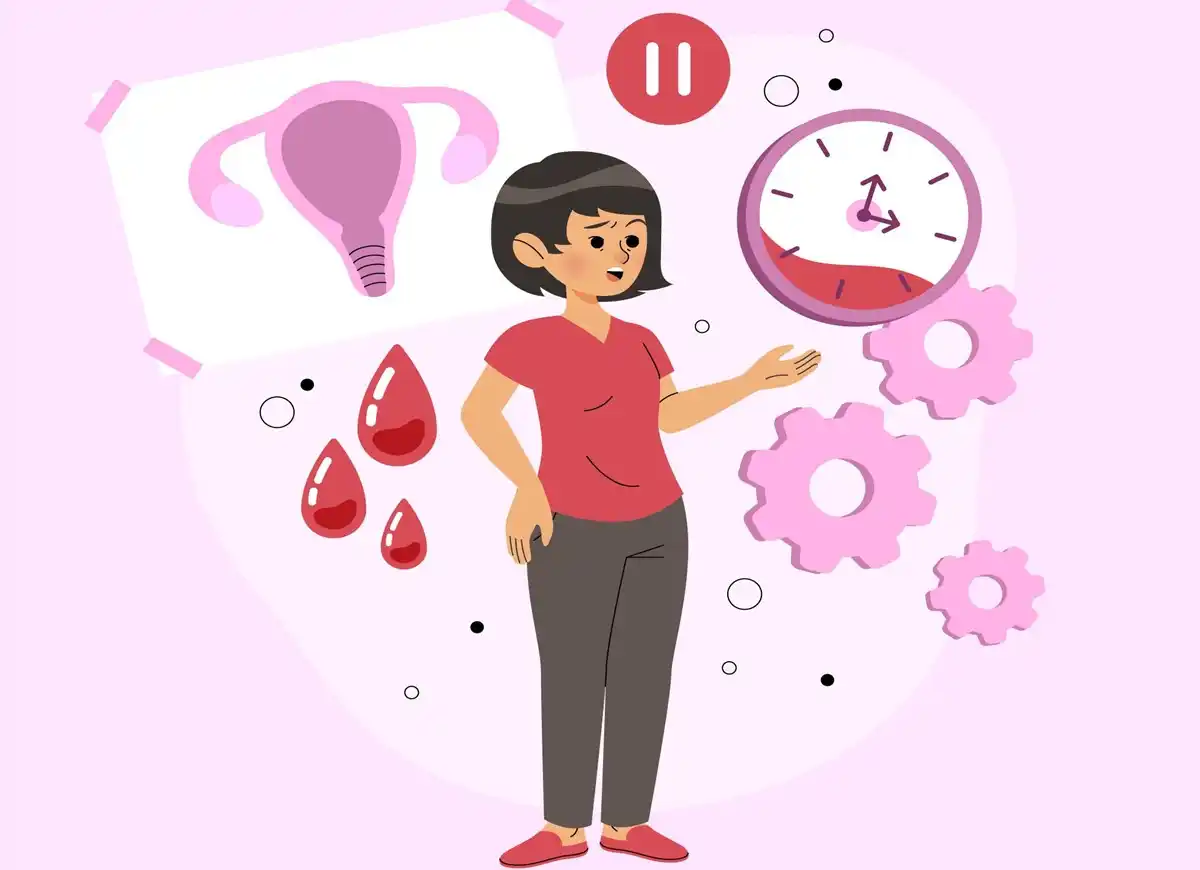

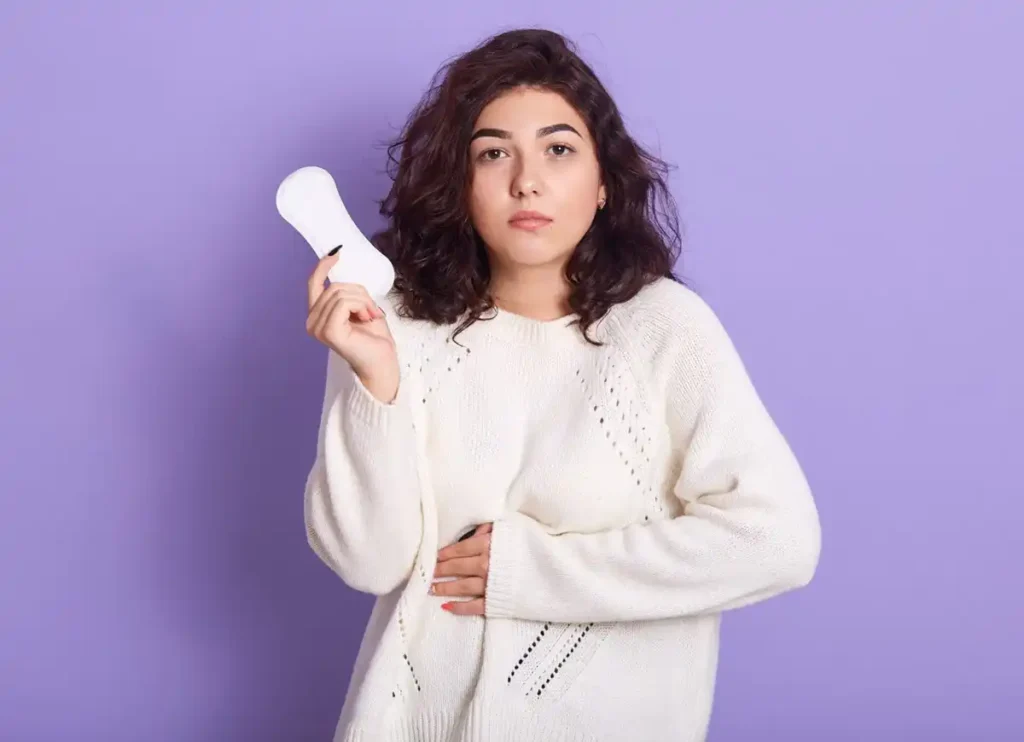
My period stopped then started again 4 days later is one of the most common concerns women bring up when trying to understand their prayer and fasting obligations. This pattern feels confusing, and it raises real questions about purity rulings in Islam.
Why This Pattern Feels So Confusing
Many women experience unpredictable bleeding patterns and wonder what causes a period to start and stop unexpectedly. Beyond the physical confusion, there’s also uncertainty about whether prayers were missed correctly, or whether fasting days need to be made up.
For readers wanting deeper guidance on women’s fiqh topics, Islamic Rulings on Women’s Purity (Taharah) offers helpful additional context.
Why Is My Period Starting and Stopping?
There are several general reasons why is my period starting and stopping might happen. Common factors include hormonal fluctuations, stress, changes in weight, certain medications, or underlying health conditions. Since causes vary widely, persistent irregular bleeding is always worth discussing with a doctor.
What Causes a Period to Start and Stop?
Here are some general factors that commonly contribute to this pattern:
- Hormonal imbalances, especially involving estrogen and progesterone
- High stress levels or major lifestyle changes
- Perimenopause in women approaching midlife
- Certain birth control methods adjusting cycle patterns
- Underlying conditions like PCOS or thyroid irregularities
A doctor can help identify the exact cause behind irregular periods, since self-diagnosis isn’t reliable for ongoing symptoms.
Irregular Periods and Islamic Rulings
In Islamic fiqh, distinguishing between actual menstruation (haid) and irregular bleeding (istihadha) matters greatly for prayer and fasting. If bleeding stops within a woman’s normal cycle length, it’s typically considered part of her haid. If it extends unusually long, scholars may classify it differently.
Key Fiqh Distinctions
- Haid (Menstruation) – blood within a woman’s typical, recognized cycle pattern
- Istihadha (Irregular Bleeding) – prolonged or unusual bleeding beyond normal menstrual patterns
- Tuhr (Purity) – the clean period between bleeding episodes
Also Read: Wudu (Step-by-Step)
Understanding which category applies helps determine prayer and fasting obligations correctly.
Why This Understanding Matters for Worship
Getting this distinction right protects a woman’s prayers and fasting from unnecessary gaps or unnecessary compulsion. Misunderstanding irregular periods could lead someone to either skip obligatory prayers unnecessarily, or perform prayers during a time when she is actually still in her haid.
Quran Verses Related to Purity
The Quran addresses menstruation directly, offering guidance and compassion for women during this time.
Surah Al-Baqarah (2:222) instructs believers to keep away from women during menstruation until they are purified, showing sensitivity around this natural process (paraphrased meaning).
Read on Quran.com
Surah At-Talaq (65:4) discusses waiting periods related to menstruation, showing how Islamic law accounts for natural cycle variations among women (paraphrased meaning).
Read on Quran.com
Also Read: Dua For Ghusl After Periods in Arabic
Hadith References on Irregular Bleeding
Prophetic tradition offers practical guidance for women experiencing irregular bleeding patterns.
Sunan an-Nasa’i (Hadith 215) narrates guidance given to a woman experiencing prolonged bleeding, advising her to recognize her normal cycle length as the basis for her rulings.
Read on Sunnah.com
Sunan Ibn Majah (Hadith 647) records the Prophet’s advice that a woman with irregular bleeding should follow her known monthly pattern to distinguish haid from istihadha.
Read on Sunnah.com
Haid vs Istihadha: Quick Comparison Table
| Feature | Haid (Menstruation) | Istihadha (Irregular Bleeding) |
| Duration | Matches usual cycle pattern | Extends beyond normal pattern |
| Prayer Obligation | Prayer paused during this time | Prayer must continue with precautions |
| Fasting | Fasting paused, made up later | Fasting continues as normal |
| Color/Consistency | Often darker, thicker | Often lighter, more constant |
Hanafi Fiqh Books on Women’s Purity Rulings
For readers wanting deeper scholarly grounding, these Hanafi texts are commonly referenced:
- Al-Hidayah – Burhan al-Din al-Marghinani (Kitab al-Taharah section)
- Fatawa Alamgiri (Chapters on Haid and Istihadha)
- Nur al-Idah – Hasan ibn Ammar al-Shurunbulali
- Kanz al-Daqa’iq – Abu al-Barakat al-Nasafi
For further reading and community discussion, visit the Islamic Teachings Forum or check verified rulings on IslamQA. Background context is also available on Wikipedia and Britannica. Readers can also explore more articles like this at www.quranmualim.com.
Categories: PRAYER ,ALMS , SAWN & The Holy Quran, Quran Jaz 1- 114
Frequently Asked Questions
Why did my period stopped then started again 4 days later?
This can happen due to hormonal shifts, stress, or normal cycle variation. Persistent irregular patterns are best discussed with a doctor.
Is bleeding that stops and restarts still considered haid?
If it falls within your normal cycle length, it’s typically still considered haid. Longer or unusual patterns may need scholarly guidance.
Should I pray during the days my period seemed to stop?
Many scholars advise waiting to confirm true purity (ghusl) before resuming prayer, since brief pauses may still be part of haid.
What causes a period to start and stop unexpectedly?
Hormonal imbalances, stress, certain medications, or underlying health conditions can all contribute to this irregular bleeding pattern.
When should irregular periods be checked by a doctor?
If irregular bleeding continues for several cycles, or comes with pain or heavy flow, it’s important to seek medical evaluation.
Final Thoughts
Understanding both the physical and Islamic dimensions behind irregular periods empowers women to protect their worship and their health. Combining medical guidance with sound fiqh knowledge offers the clearest path forward.
For more Islamic educational content, visit Alasad Online Quran Tutor at quranmualim.com, or reach out via WhatsApp and YouTube (@quranmualim) for personalized Quran learning support.
Recommended For You
- Is Abortion Haram Islam? Learn Islam
- What Does The Quran Say About Killing?
- Do Cats Bring Angels in The House in Islam?
- Al-Aqsa Mosque: Why It’s Islam’s First Qibla
- Clear Sticky Discharge Male After Urination?
- Is Abortion Haram? What Islamic Teachings Say
- Can You Read Quran on Your Period? Learn Islam
- Is It Permissible To Use Condom in Islam? Learn Islam
- How To Clean Private Parts After Urination? Learn Islam
- Bone Marrow Donation in Islam: Overview, Process & Side Effects
Related Blogs:
- Is Being Gay Haram – Learn Islam
- Is It Haram To Be Gay? – Learn Islam
- Can You Be Gay in Islam? learn Islam
- Is It Haram to Masturbate? Learn Islam
- Do Gay People Go To Heaven? Learn Islam
- Can Gay People Go To Heaven? Learn Islam
- What Islam Says About Gay People in Islam?
- What Does The Quran Say About Gay People?
- How Many Calories Does Masturbating Burn?
- Is Homosexuality in Islam Allowed? Learn Islam
- Can I Kiss My Wife Private Parts in Christianity?
- What Does The Quran Say About Homosexuality?
- What Does Islam Say About Homosexual Marriage?
- The Crucial Role of The Qur’an in Enlightened Living
- Religion and Sexuality – A Journey of A Gay Muslim
- Is Sodomy A Sin? Perspectives on Its Moral Standing