
Is the strait of hormuz closed right now is one of the most searched questions in energy markets this year. The honest answer is complicated, because different sides describe the situation differently. Understanding what “closed” actually means for this waterway helps explain why oil prices and shipping costs keep shifting.
What Is Happening at the Strait of Hormuz?
As of mid-July 2026, the picture is genuinely mixed. Some official statements insist the strait of hormuz remains open to lawful traffic, while shipping data shows daily transits far below normal levels, with several major carriers rerouting ships around Africa instead. Whether it counts as fully closed depends on who you ask.
Recommended reading: https://amzn.to/4wTUQIz explains why passages like this one carry such outsized economic weight.
Is the Strait of Hormuz Open Right Now?
The question is the strait of hormuz open does not have one simple answer this year. Shipping traffic has dropped sharply compared to normal levels, and several of the world’s largest container carriers have suspended transits altogether, choosing longer routes instead. Insurance costs for ships that do attempt passage have also climbed far above typical rates.
This uncertainty itself causes real damage. Even without a total shutdown, reduced traffic and higher insurance costs raise shipping expenses, and those costs eventually reach ordinary consumers through higher prices on fuel and goods.
Strait of Hormuz Map and Why Location Matters
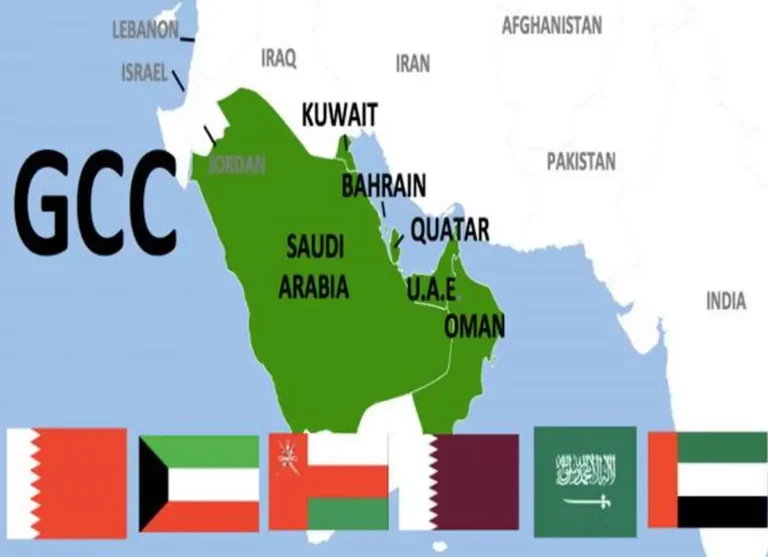
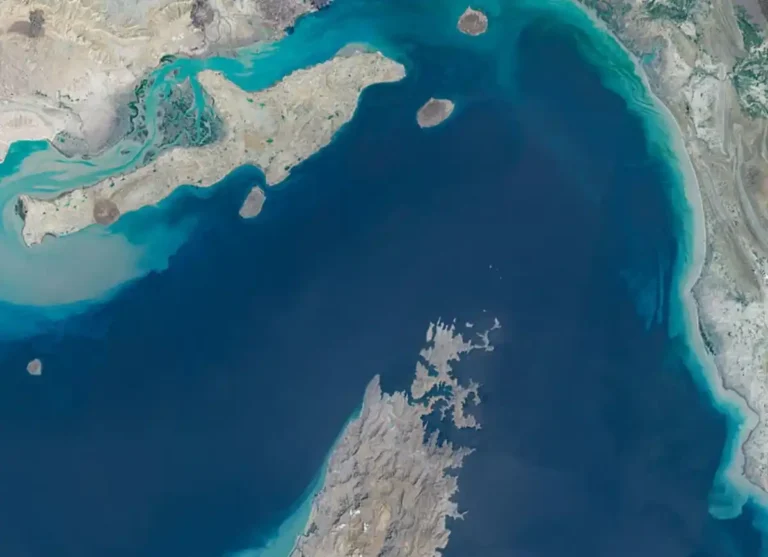
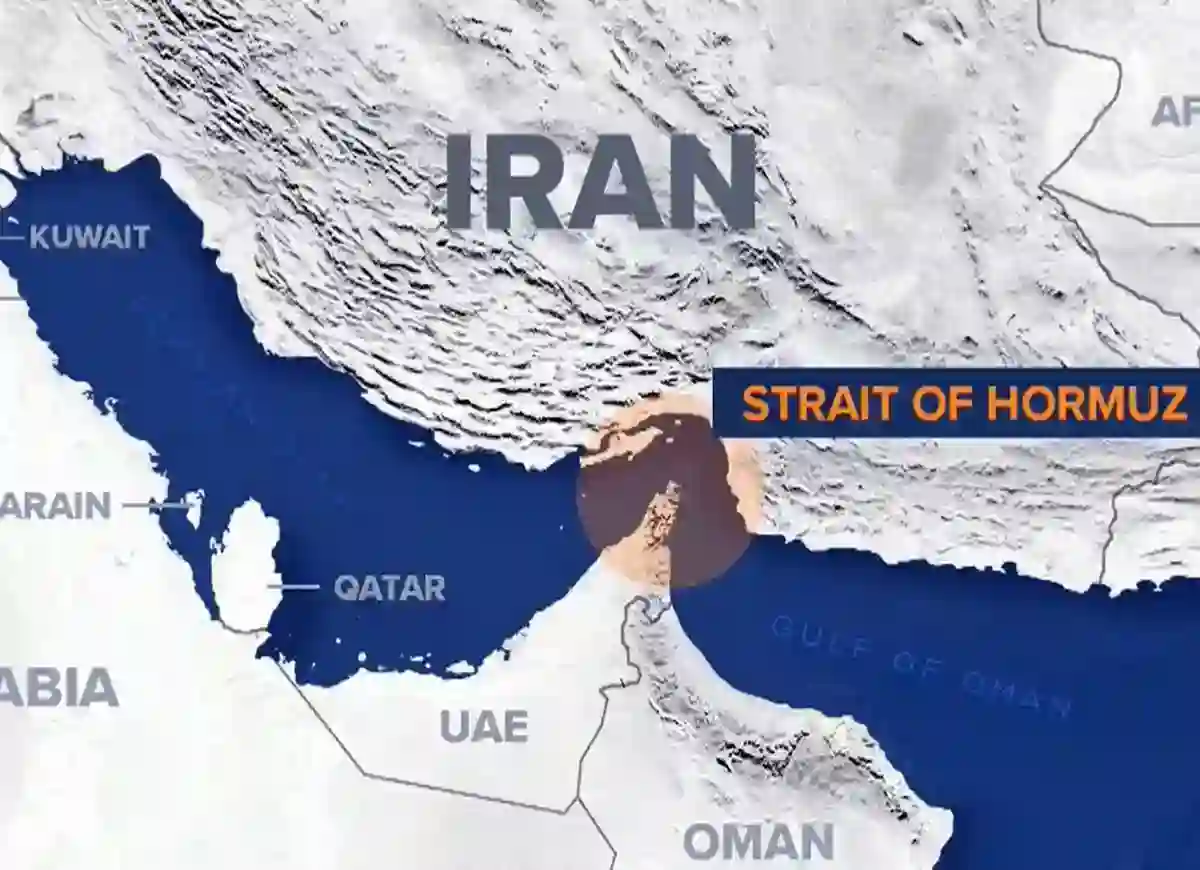
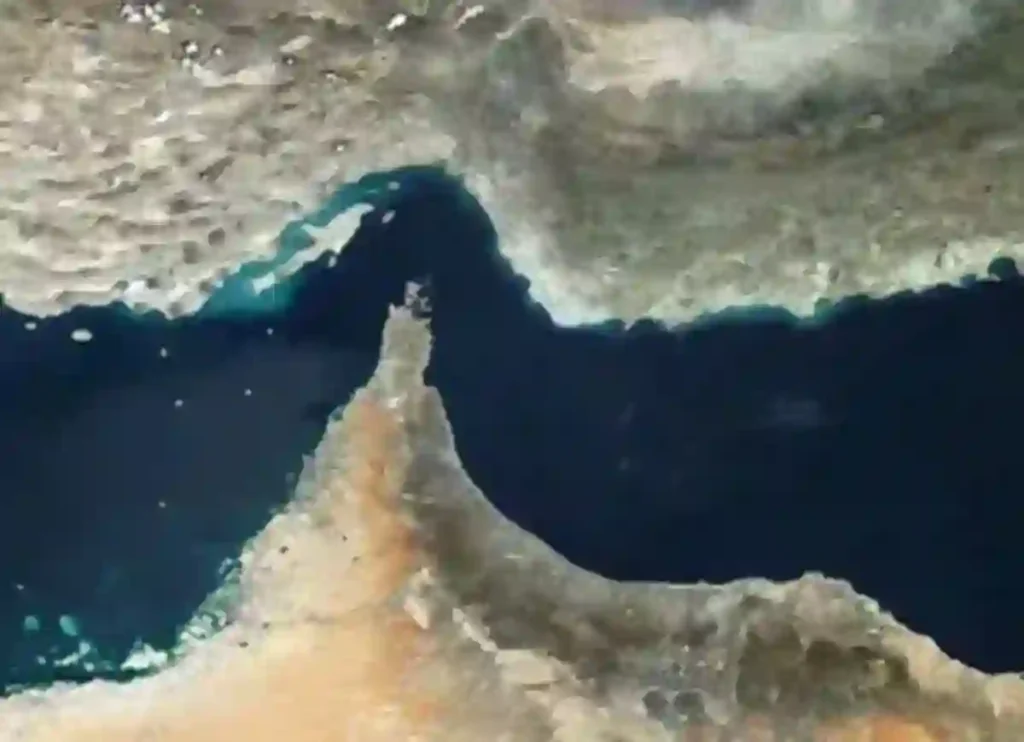
Looking at a strait of hormuz map, you can see why this passage is so hard to avoid. It sits at the only sea exit from the Persian Gulf, connecting to the Gulf of Oman and the wider ocean. There is no alternate sea route with anywhere near the same shipping capacity.
Pipelines exist as partial backups, but they cannot carry the same volume that ships move through this passage daily. This lack of alternatives is exactly why any disruption here creates ripple effects across the entire global economy.
What Would Happen If the Strait Fully Closed?
A complete and lasting closure would create serious global problems. Here is what typically happens when access through a major chokepoint like this becomes unreliable:
- Oil and fuel prices increase quickly, since supply drops while demand stays the same worldwide.
- Shipping costs rise sharply, as longer alternate routes add time, fuel, and insurance expenses.
- Price control becomes difficult for governments, since energy costs affect nearly every other industry.
- Countries dependent on imported fuel struggle most, facing shortages and rising costs for transportation and electricity.
- Global inflation pressure increases, since higher energy costs eventually filter into food and manufacturing prices everywhere.
Global Impact Overview
| Impact Area | Effect of Reduced or Closed Traffic |
| Oil prices | Significant increase |
| Shipping routes | Longer, more expensive alternatives |
| Insurance costs | Sharp rise for vessels transiting the region |
| Import-dependent nations | Immediate pressure on fuel and goods prices |
| Global trade timelines | Delays of days to weeks |
A Neutral Reflection Through Quran and Hadith
Islam teaches that the resources Allah placed in the sea are meant for the benefit of all people, and that conflict over shared resources brings hardship rather than blessing to everyone involved.
Surah Ar-Rum, Ayah 41 – Corruption has appeared on land and sea because of what people’s hands have done, so that they may taste the consequence of some of their deeds. Read on Quran.com
Surah Al-Baqarah, Ayah 205 – Allah does not love corruption, including harm done to crops and resources meant for the good of people. Read on Quran.com
The Prophet Muhammad (peace be upon him) taught that avoiding harm to others, especially disruption of essential resources people depend on, is a serious responsibility.
Sunan an-Nasa’i 3565 – The Prophet (PBUH) said there should be no harming others and no returning harm with harm, a principle applying to nations as much as individuals. Read on Sunnah.com
Sunan Ibn Majah 2341 – The Prophet (PBUH) taught that causing hardship to people through denial of essential goods is strongly discouraged. Read on Sunnah.com
Hanafi Fiqh Books for Deeper Study
- Al-Hidayah by Burhan al-Din al-Marghinani
- Radd al-Muhtar ala al-Durr al-Mukhtar by Ibn Abidin
- Al-Ikhtiyar li Ta’lil al-Mukhtar by Abdullah al-Mawsili
- Nur al-Idah by Hasan ibn Ammar al-Shurunbulali
Topics: Sirah, Faith, Hijab, Arabic Corner, Islamic History, Biography, Islamic Studies, Halal & Haram
How to Follow This Situation Responsibly
Because reports often contradict each other, it helps to check multiple sources rather than relying on a single headline. Staying informed without spreading rumors matters, especially since this situation affects real people’s livelihoods and household budgets worldwide. For thoughtful discussion on fairness and shared resources from an Islamic lens, Islamic Teachings Forum and IslamQA offer useful perspectives.
For background on the region’s geography and history, you can also explore Wikipedia and Britannica.
Frequently Asked Questions
Is the Strait of Hormuz currently closed to all ships?
Reports differ. Some ships continue moving through, but overall traffic has dropped sharply compared to normal daily shipping volumes.
Why do reports disagree about whether it’s open or closed?
Different parties describe the situation differently, and shipping data shows reduced but not entirely absent traffic through the passage.
How does reduced traffic affect global oil prices?
Even partial disruption raises shipping costs and insurance premiums, which pushes oil prices higher for consumers around the world.
Are there alternative routes if the strait becomes unusable?
Some pipelines exist, but none can match the shipping capacity this waterway normally handles for regional oil and gas exports.
How long could global markets feel these effects?
Recovery often takes longer than the disruption itself, since shipping companies and insurance markets need time to rebuild confidence.
Final Thoughts
The situation around the strait of hormuz shows how quickly uncertainty in one region can ripple across the entire world economy. Staying informed with balanced, careful reporting helps us understand these events clearly rather than through rumor or panic. For more educational content, visit quranmualim.com.
Alasad Online Quran Tutor — Learn Quran with certified teachers online. WhatsApp: [your number] | Facebook: [your page] | YouTube: @quranmualim
Islamic News For You:
- Hormuz Island: Islamic History Explained
- 8 Countries Cut Funding to UN Agency in Gaza
- Hormuz: Impact on South Asia & The Subcontinent
- Gaza: US, Israel, Egypt, & Qatar Officials Engage in Gaza
- Is The Strait of Hormuz Closed? Global Impacts Explained