
The Hormuz Strait sits at the heart of global energy trade, connecting the Persian Gulf to the Arabian Sea. This narrow waterway carries a huge share of the world’s oil shipments every single day. Understanding the strait of hormuz helps explain why headlines about the region matter to fuel prices everywhere.
Introduction to the Strait of Hormuz
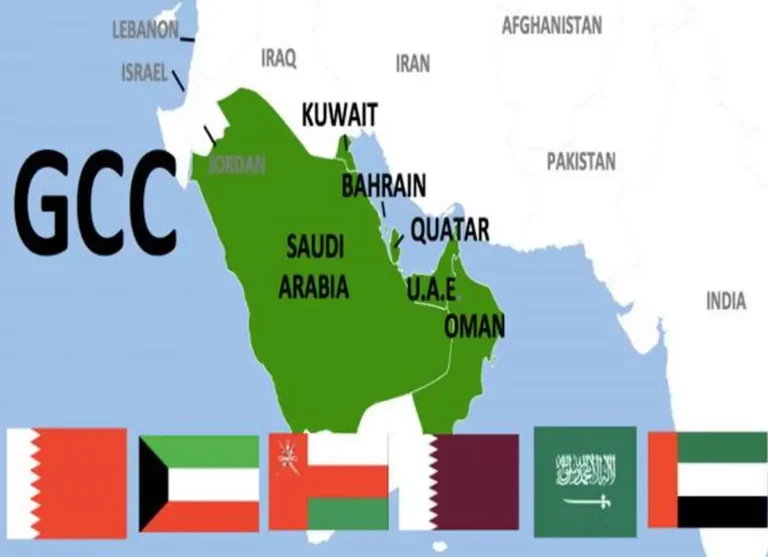
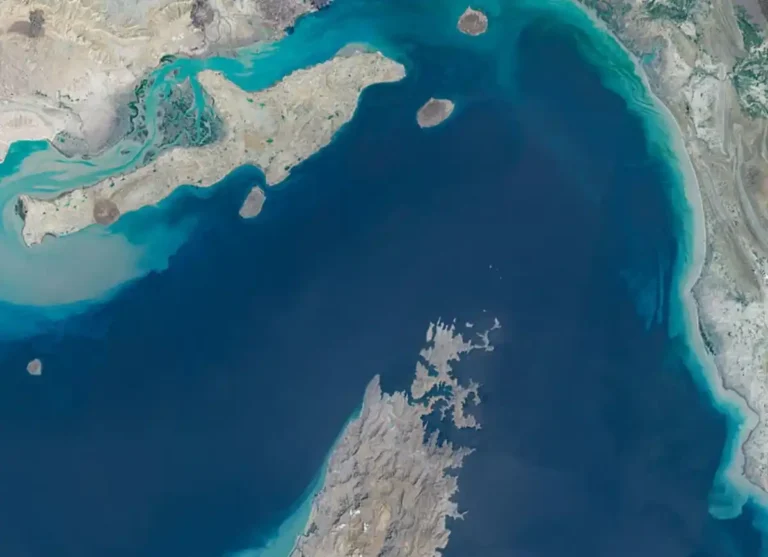
The Hormuz waterway separates Iran to the north from Oman to the south. At its narrowest point, it stretches just over 20 miles wide, making it one of the most watched chokepoints on Earth. Ships from every major oil-producing nation pass through this passage on their way to global markets.
Recommended reading: The Strait of Hormuz: A Strategic History covers the geography and geopolitics behind this critical waterway.
Map and Geography
Looking at a map, the strait of hormuz connects the Persian Gulf to the Gulf of Oman and then the wider Arabian Sea. Iran controls the northern coastline, while Oman’s Musandam peninsula sits directly across the water. This positioning gives both nations significant influence over who passes through safely.
The shipping lanes themselves are split into narrow inbound and outbound channels, separated by a buffer zone. Large tankers must navigate carefully through waters that pass close to Iranian territory, which explains why tensions in the region directly affect maritime traffic.
Why the Straight of Hormuz Matters
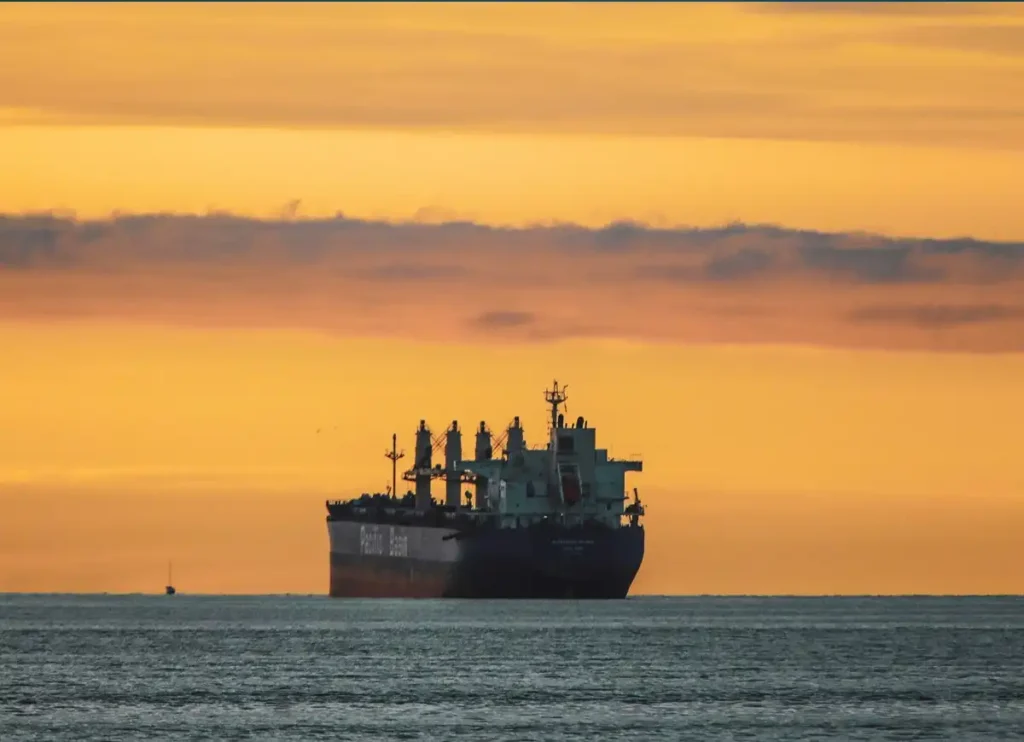
Roughly a fifth of the world’s oil supply moves through this single passage. Any disruption here sends ripples through global fuel prices within hours. That is why the straight of hormuz appears constantly in financial news, not just political coverage.
Countries across Asia, Europe, and beyond depend on steady tanker traffic through this route. Japan, China, South Korea, and India rely heavily on Gulf oil reaching their ports without delay, making stability in this corridor a shared international concern.
Recent Conflict and Tensions
The strait has faced serious disruption recently. Beginning in late February 2026, fighting between the United States, Israel, and Iran spread into the Gulf, and Iran responded by closing the Strait of Hormuz to foreign shipping, with its Revolutionary Guard warning vessels that passage would not be allowed. Congress.gov
A memorandum of understanding reached in June 2026 aimed to reopen the strait and end the wider conflict, though tensions over control of the waterway continued afterward. The situation has raised deep concern in Washington over the effect a prolonged closure could have on global oil and gas prices. CNN
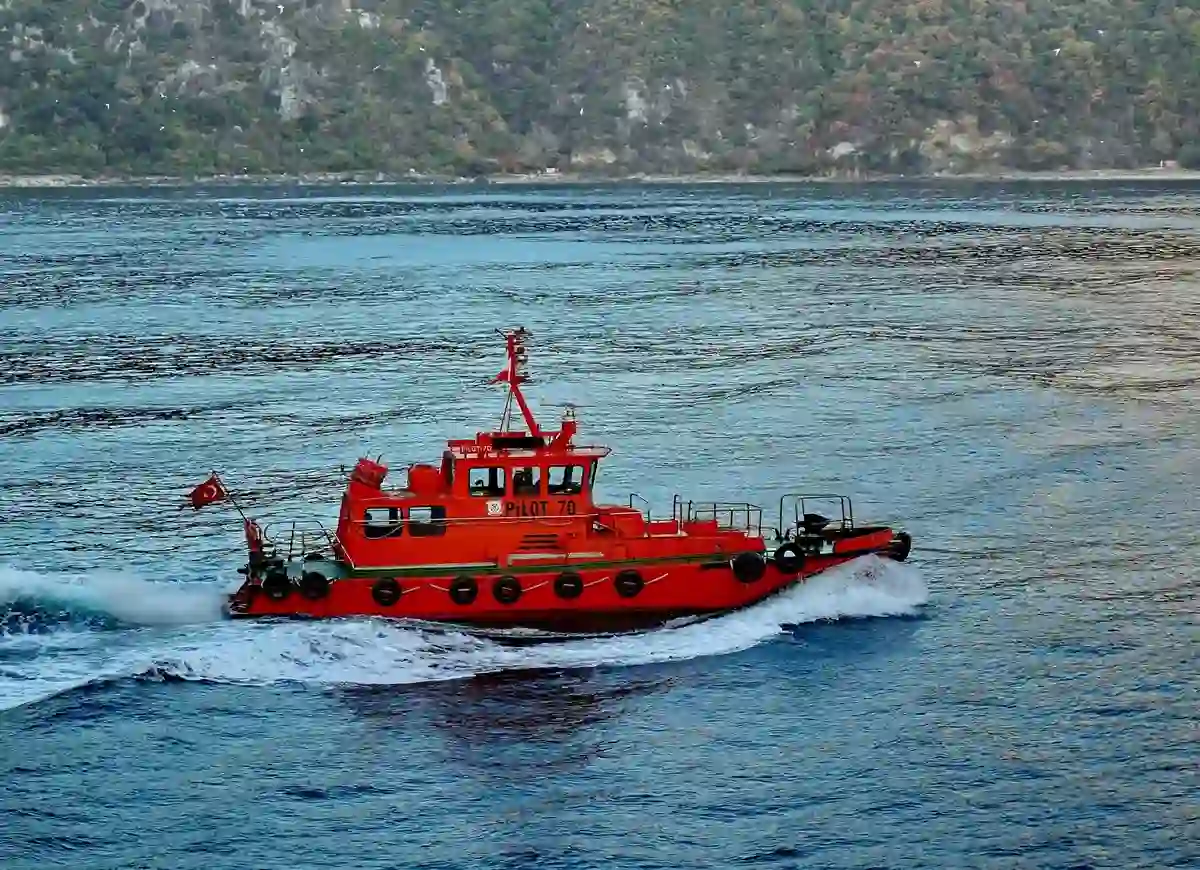
Shipping companies have had to reroute or pause operations, and insurance costs for tankers passing through the region have climbed sharply. This ongoing instability is a strong reminder of how much the world depends on this single narrow passage staying open.
Hormuz Strait Overview
| Feature | Detail |
| Width at narrowest point | About 21 miles |
| Bordering nations | Iran and Oman |
| Connects | Persian Gulf and Gulf of Oman |
| Daily oil transit share | Roughly one-fifth of world supply |
| Key nearby port | Bandar Abbas, Iran |
Reflection Through Quran and Hadith
Islam teaches believers to reflect on the balance and order Allah placed in creation, including the seas and waterways that connect nations for trade and sustenance.
Surah An-Nahl, Ayah 14 – Allah made the sea useful, so people may eat fresh meat from it and extract ornaments, and you see ships sailing through it seeking His bounty. Read on Alim.org
Surah Ar-Rahman, Ayah 24 – His are the ships raised up in the sea like mountains. Read on Alim.org
The Prophet Muhammad (peace be upon him) also emphasized honesty in trade and fairness in dealing with others, principles just as relevant to maritime commerce today.
Sunan Abu Dawood 3503 – The Prophet (PBUH) said the truthful and trustworthy merchant will be among the prophets, the truthful, and the martyrs on the Day of Judgment. Read on Sunnah.com
Jami` at-Tirmidhi 1209 – The Prophet (PBUH) encouraged fair dealing in trade, saying honesty brings blessing to a transaction. Read on Sunnah.com
Fiqh Books for Deeper Study
- Al-Mabsut by Shams al-Din al-Sarakhsi
- Badai al-Sanai by Ala al-Din al-Kasani
- Fath al-Qadir by Ibn al-Humam
- Al-Muhit al-Burhani by Burhan al-Din al-Bukhari
Cartography and Historical Significance
Mapmakers have marked this passage for centuries because of its strategic value. Old trade route maps from the Islamic Golden Age already recognized Hormuz as a vital link between Arabia, Persia, and the wider Indian Ocean trade network. That legacy continues today in modern shipping charts.
For readers wanting deeper background on trade ethics and regional history from an Islamic perspective, resources like Islamic Teachings Forum and IslamQA offer helpful discussions.
You can also explore detailed geographic and historical data on Wikipedia and Britannica.
Frequently Asked Questions
Where exactly is the Strait of Hormuz located?
It lies between Iran and Oman, connecting the Persian Gulf to the Gulf of Oman and the wider Arabian Sea route.
Why is the Strait of Hormuz so important economically?
It carries roughly a fifth of the world’s oil supply daily, making it one of the most critical energy chokepoints globally.
Has the Strait of Hormuz ever been closed?
Yes, tensions in 2026 led to significant disruptions and threatened closures, causing global concern over oil supply stability.
How wide is the Strait of Hormuz?
At its narrowest point, the strait measures roughly 21 miles across, with separate channels for inbound and outbound ship traffic.
What countries border the Strait of Hormuz?
Iran borders the strait to the north, while Oman’s Musandam peninsula sits directly across the water to the south.
Final Thoughts
The Hormuz Strait remains one of the most strategically important waterways on the planet, shaping global trade and energy prices far beyond its shores. Staying informed about this region helps everyone understand the bigger picture behind rising fuel costs and international news. For more educational content, visit quranmualim.com.
Alasad Online Quran Tutor — Learn Quran with certified teachers online. WhatsApp: [your number] | Facebook: [your page] | YouTube: @quranmualim
Islamic News For You:
- Gaza in the Light of Surah Ahzab
- Hormuz Island: Islamic History Explained
- Why Is the Strait of Hormuz So Important?
- The Map of Ottoman Empire & Persian Gulf
- Islamic Golden Age Maritime Trade in Islam
- 8 Countries Cut Funding to UN Agency in Gaza
- Hormuz: Impact on South Asia & The Subcontinent
- Houthi Red Sea Attacks Hit Car and Fashion Industry
- Islamic History of Maritime Trade in The Persian Gulf
- Islamic Studies Optional For Non-Muslims in Pakistan
- Gaza: US, Israel, Egypt, & Qatar Officials Engage in Gaza
- Jewish Morocco: From Pre-Islamic To Postcolonial Times
- Is The Strait of Hormuz Closed? Global Impacts Explained
- Brazilian Muslims Face Rising Islamophobia Over Gaza War
- Attacks on Indian Muslims Rise After Ram Temple Ceremony