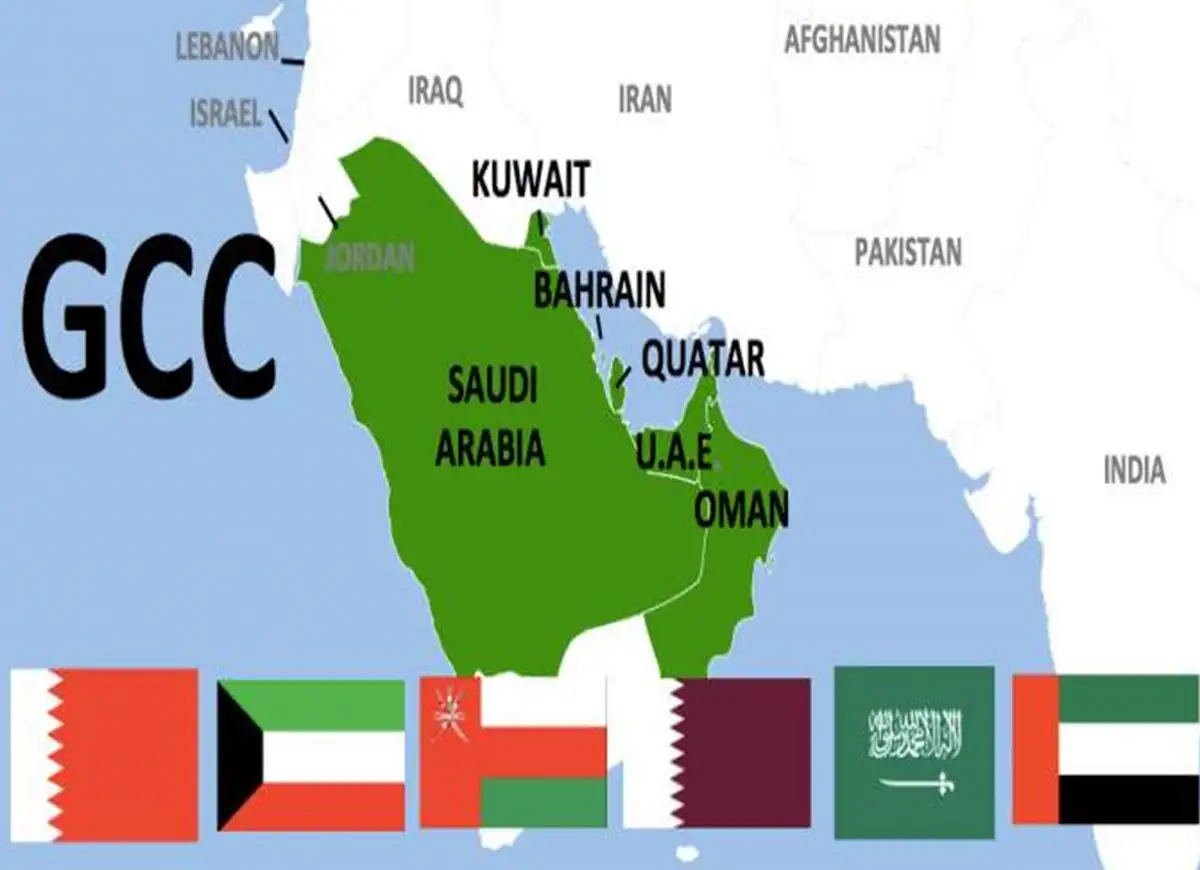

What are gcc countries is a question many job seekers, students, and travelers ask when they hear about the Gulf region. The GCC brings together six Arab nations that share history, language, and economic goals. Understanding this alliance helps you make sense of news, job opportunities, and travel plans across the Gulf.
Introduction to GCC
The Gulf Cooperation Council, known simply as GCC, was formed in 1981 to bring Gulf nations closer together. It focuses on trade, security, and shared development goals. Millions of workers from around the world, including Pakistan, depend on GCC countries for jobs and better income opportunities.
Recommended reading: Understanding the Gulf: A Political and Economic Guide explains the history and structure of the Gulf alliance in detail.
What Is the GCC?
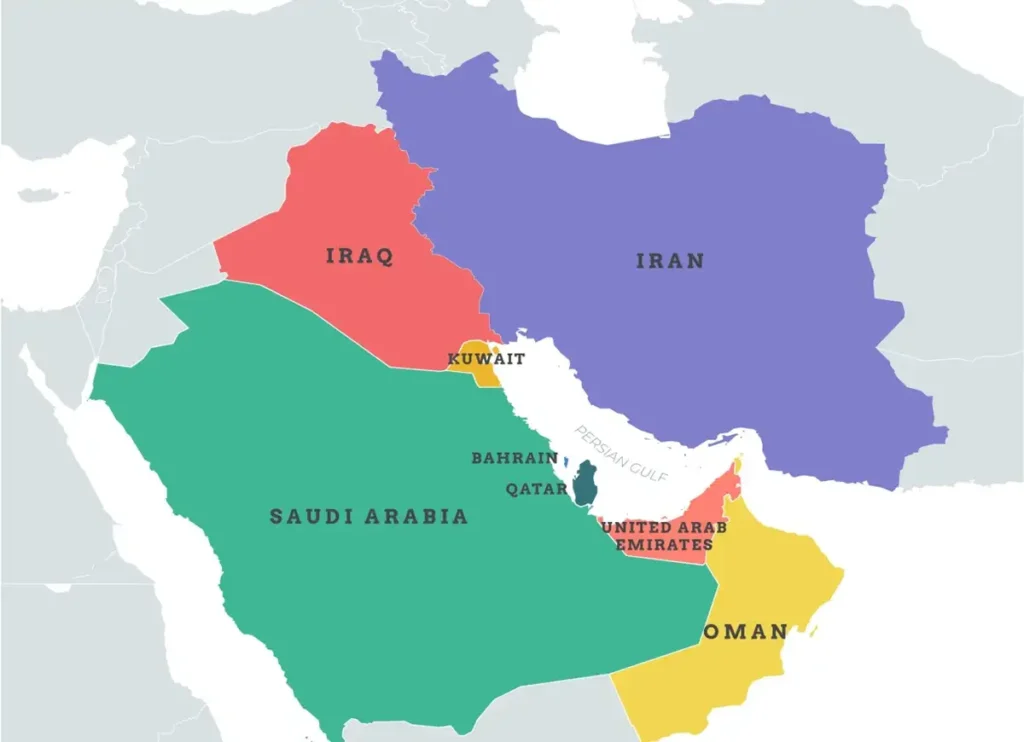
So, what gcc countries actually make up this alliance? The answer is six nations: Bahrain, Kuwait, Oman, Qatar, Saudi Arabia, and the United Arab Emirates. Together, they form one of the most influential regional blocs in the Middle East, working on shared policies for trade, defense, and travel between member states.
The headquarters sits in Riyadh, Saudi Arabia, where officials coordinate decisions affecting millions of citizens and expatriate workers. Unlike a fully unified political body, the GCC works more like a cooperative partnership, similar in spirit to how European nations coordinate through the European Union.
What Countries Are in the GCC?
If you are wondering what countries are in the gcc, here is the simple list:
- Bahrain
- Kuwait
- Oman
- Qatar
- Saudi Arabia
- United Arab Emirates (UAE)
These six nations share more than geography. They share language, religion, and a similar approach to governance, which makes cooperation between them smoother than in many other regional alliances around the world.
GCC Countries Overview
| Country | Capital | Currency |
| Bahrain | Manama | Bahraini Dinar |
| Kuwait | Kuwait City | Kuwaiti Dinar |
| Oman | Muscat | Omani Rial |
| Qatar | Doha | Qatari Riyal |
| Saudi Arabia | Riyadh | Saudi Riyal |
| UAE | Abu Dhabi | UAE Dirham |
Why Was the GCC Created?
The founding nations wanted stronger security cooperation after regional conflicts in the late 1970s. They also saw the benefit of combining economic strength, since all six countries rely heavily on oil and gas exports. Working together gave them more influence on the world stage.
Economic integration was another major goal. By coordinating trade policies, the gcc countries could negotiate better deals internationally and reduce competition between themselves. This cooperation also made it easier for citizens to travel, work, and invest across borders within the bloc.
Importance of GCC Geographically
The Gulf region sits at a crossroads between Asia, Africa, and Europe. This location makes gcc countries central to global trade routes, especially for oil shipments. Ports in the UAE and Saudi Arabia handle massive volumes of cargo every year, connecting East and West.
This strategic position also means the region attracts millions of foreign workers. Pakistanis, Indians, Filipinos, and many others travel to the Gulf for employment, sending remittances back home that support entire families and local economies.
Reflection Through Quran and Hadith
Islam teaches the value of cooperation and unity among nations and communities. The Quran encourages believers to work together for good, a principle reflected in how these six nations chose partnership over isolation.
Surah Al-Hujurat, Ayah 13 – Allah made people into nations and tribes so they may know one another. Read on Quran.com
Surah Al-Ma’idah, Ayah 2 – Cooperate in righteousness and piety, not in sin and transgression. Read on Quran.com
The Prophet Muhammad (peace be upon him) also spoke about the strength found in unity among believers and neighboring communities.
Sunan an-Nasa’i 5000 – The Prophet (PBUH) compared believers supporting one another to a solid structure, each part strengthening the other. Read on Sunnah.com
Sunan Ibn Majah 3688 – The Prophet (PBUH) encouraged mutual support and kindness between neighboring communities. Read on Sunnah.com
Fiqh Books for Deeper Study
- Fatawa Alamgiri, compiled by a panel of Hanafi scholars
- Al-Ikhtiyar li Ta’lil al-Mukhtar by Abdullah ibn Mahmud al-Mawsili
- Bidayat al-Mubtadi by Burhan al-Din al-Marghinani
- Tabyin al-Haqaiq by Uthman ibn Ali al-Zayla’i
How the GCC Affects Everyday Life
For millions of expatriate workers, GCC policies shape everything from visa rules to labor rights. Understanding these policies helps workers and families plan better before moving abroad. You can find more detailed guidance on employment and residency matters at Islamic Teachings Forum and IslamQA.
For a deeper historical background, check the full overview on Wikipedia and Britannica.
Frequently Asked Questions
What does GCC stand for?
GCC stands for Gulf Cooperation Council, a regional alliance formed in 1981 to strengthen cooperation among six Gulf Arab nations.
Which countries are members of the GCC?
The members are Bahrain, Kuwait, Oman, Qatar, Saudi Arabia, and the United Arab Emirates, all located in the Arabian Gulf region.
Is the GCC similar to the European Union?
Not exactly. The GCC focuses on cooperation and coordination rather than full political or economic union between member states.
How does the GCC affect foreign workers?
It shapes labor policies, visa rules, and employment standards, directly influencing job opportunities for millions of expatriate workers across the region.
Why is the GCC important for Pakistan?
The GCC offers large-scale employment for Pakistani workers, generating remittances that support families and strengthen Pakistan’s national economy significantly.
Final Thoughts
Now you know exactly what are gcc countries and why this alliance matters far beyond its borders. From trade to travel to millions of jobs, the GCC shapes daily life for people across the region and beyond. For more Islamic education and Quran study resources, visit quranmualim.com.
Alasad Online Quran Tutor — Learn Quran with certified teachers online. WhatsApp: [your number] | Facebook: [your page] | YouTube: @quranmualim
Islamic News For You:
- Gaza in the Light of Surah Ahzab
- Hormuz Island: Islamic History Explained
- Why Is the Strait of Hormuz So Important?
- The Map of Ottoman Empire & Persian Gulf
- Islamic Golden Age Maritime Trade in Islam
- 8 Countries Cut Funding to UN Agency in Gaza
- Hormuz: Impact on South Asia & The Subcontinent
- Houthi Red Sea Attacks Hit Car and Fashion Industry
- Islamic History of Maritime Trade in The Persian Gulf
- Islamic Studies Optional For Non-Muslims in Pakistan
- Gaza: US, Israel, Egypt, & Qatar Officials Engage in Gaza
- Jewish Morocco: From Pre-Islamic To Postcolonial Times
- Is The Strait of Hormuz Closed? Global Impacts Explained
- Brazilian Muslims Face Rising Islamophobia Over Gaza War
- Attacks on Indian Muslims Rise After Ram Temple Ceremony
- The Hormuz Strait: Map, Importance, Conflict & Cartography