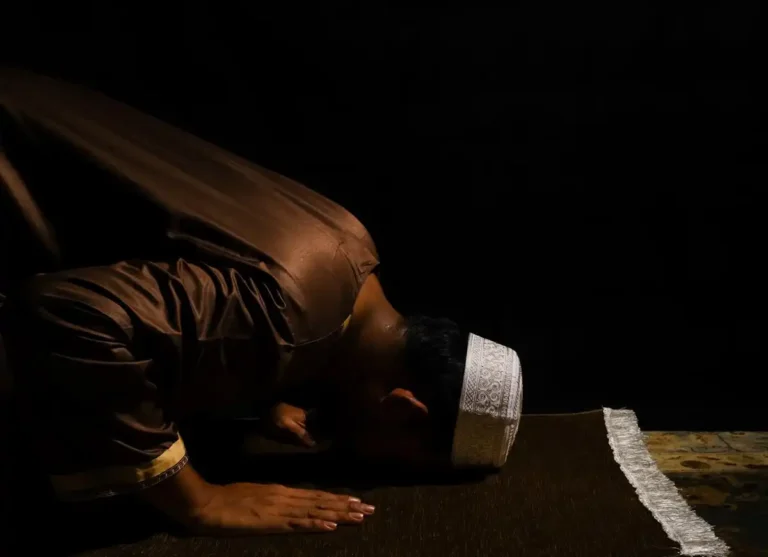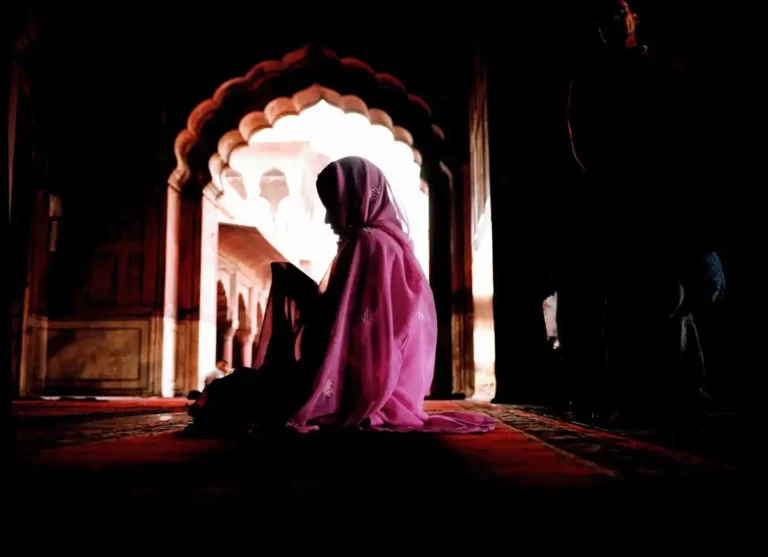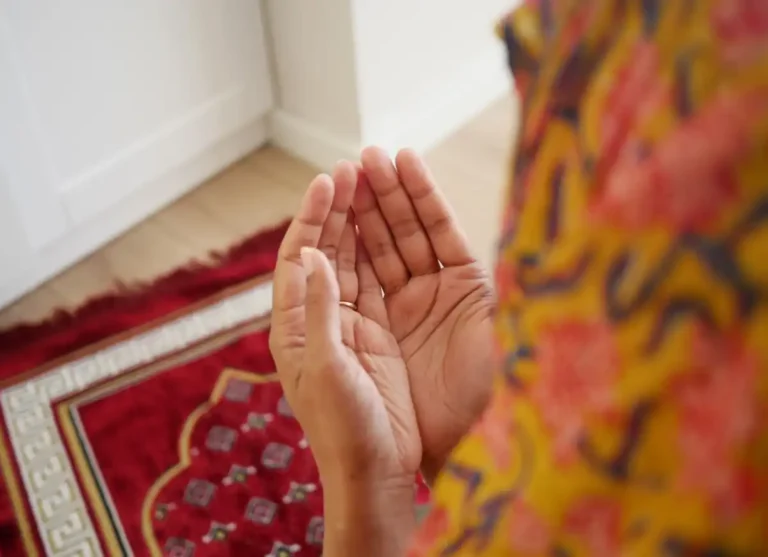


Dua After Fard namaz: A Simple Guide to What to Read and Why It Matters. Many Muslims feel confused right after salah. Should they make dhikr first, raise hands, stay silent, or read a specific supplication? This confusion is common, especially for new learners. A clear routine helps. Once you know the basic Sunnah flow, your post-prayer moments become calm, meaningful, and consistent.
After the first paragraph, here is one useful book for beginners who want daily supplications in one place: The Dua Book (Amazon).
Why this topic matters
In simple words, dua is your personal call to Allah. It is not a speech. It is a sincere request. Wikipedia’s overview of du‘a also explains it as a flexible form of prayer, unlike formal salah with fixed actions and recitation. That distinction helps many people understand the difference clearly.
Britannica explains that salat is the daily ritual prayer and one of Islam’s central pillars. That is why what comes after the prayer also matters. It protects the heart from rushing back into distractions and helps you keep the spiritual benefit of salah for longer.
Also Read: How Many Rakat Zuhr Namaz? Are You Doing It Right?
The common confusion and the practical fiqh insight
A very common question is: does “at the end of the prayer” mean before salam or after salam? Scholars explain that the wording can mean both, depending on the text. Some adhkar are clearly after salam, while some dua is in the last part of salah before salam.
A helpful summary Islam QA explains this practical rule: if a narration mentions dhikr (tasbih, tahmid, takbir), it is usually after salam. If it mentions a dua inside salah, it is often before salam. This simple rule removes a lot of confusion for beginners.
Importance and benefits after obligatory prayer
When you stay seated for one more minute after salah, you gain a lot. This habit is small, but it builds discipline and presence.
Key benefits
- It keeps your heart connected after worship
- It helps you remember Allah regularly
- It teaches gratitude and patience
- It makes your salah feel complete
- It gives you a daily moment for personal needs
Many families also teach children this habit early. That is a smart way to build lifelong consistency.
A simple Sunnah-based routine after salam
You do not need a long list on day one. Start with a short, reliable routine and repeat it every day.
Step-by-step checklist
- Say Astaghfirullah three times
- Read: Allahumma anta as-salam wa minka as-salam…
- Do tasbih, tahmid, takbir (33/33/34 or other proven forms)
- Make a short personal dua in your own language
- Stay focused for 30–60 seconds before standing
This is practical, easy, and sustainable.
Dua after fard namaz in arabic and meaning
Many people search for dua after fard namaz in arabic because they want one authentic phrase to memorize first. A beautiful and well-known Sunnah supplication after taslim is:
اللّهُمَّ أَنْتَ السَّلَامُ وَمِنْكَ السَّلَامُ تَبَارَكْتَ يَا ذَا الْجَلَالِ وَالْإِكْرَامِ
Transliteration: Allahumma anta as-salam wa minka as-salam, tabarakta ya dhal-jalali wal-ikram.
Meaning: O Allah, You are Peace, and from You is peace. Blessed are You, O Owner of Majesty and Honor.
Also Read: How to Pray Salah: Step-by-Step Guide (Wudu + Fajr, Zuhr, Asr, Maghrib, Isha)

Quick reference table
| Situation | What to do | Time needed | Tip |
| Right after salam | Say Astaghfirullah 3 times | 10 sec | Say calmly, not fast |
| Early post-prayer dhikr | Read Allahumma anta as-salam… | 10 sec | Memorize this first |
| Tasbih routine | 33 SubhanAllah, 33 Alhamdulillah, 34 Allahu Akbar | 30–45 sec | Count on fingers |
| Personal requests | Make short dua | 20–40 sec | Ask for deen and dunya |
| Learning stage | Keep a small card or notes | Ongoing | Build one line per week |
Qur’an references for supplication and remembrance
Below are two strong Qur’anic reminders that support post-prayer remembrance and dua.
1) Surah Ghafir (40:60)
Arabic : Wa qala rabbukum ud‘uni astajib lakum
Transliteration: Wa qāla rabbukum ud‘ūnī astajib lakum
Short meaning: “Call upon Me; I will respond to you.” This verse teaches the core spirit of supplication and dependence on Allah. Read on Quran.com: Surah Ghafir 40:60
2) Surah Al-Baqarah (2:152)
Arabic (opening words): Fadhkuruni adhkurkum washkuru li
Transliteration: Fa-dhkurūnī adhkurkum washkurū lī
Short meaning: “Remember Me; I will remember you. Be grateful to Me.” This verse connects dhikr and gratitude after prayer. Read on Quran.com: Surah Al-Baqarah 2:152
Also Read: The Clear Quran PDF Free Download – Quran Mualim 2025
Hadith references from Sunnah.com
These two narrations are especially useful for building a reliable post-prayer habit.
The Prophet ﷺ used to say after taslim: Allahumma anta as-salam wa minka as-salam… This is one of the clearest texts for what to read immediately after finishing salah. Read the narration: Sunan an-Nasa’i 1338 on remembrance after taslim
After Fajr, the Prophet ﷺ is reported to have said: Allahumma inni as’aluka ‘ilman nafi‘an, wa rizqan tayyiban, wa ‘amalan mutaqabbalan“—a beautiful dua for knowledge, provision, and accepted deeds.
Read the narration: Sunan Ibn Majah 925 on the supplication after Subh prayer
Also Read: How To Pray Complete Namaz With Urdu translation Step by Step
Practical habit tips for daily consistency
If you struggle to remember what to read, do not worry. Start small and repeat daily.
Easy habit-building ideas
- Keep one dua card in your pocket
- Learn one line each week
- Sit for one minute after every fard prayer
- Teach one phrase to a sibling or child
- Track your consistency for 7 days
Also Read: Namaz Dua (Masnoon Duain) PDF Download
If you prefer a printable sheet, make your own dua after namaz pdf with Arabic, transliteration, and translation in large text.
Helpful learning resources and site mentions
For beginner-friendly reading, people often benefit from trusted Islamic Q&A and discussion spaces. You can explore IslamQA, the IslamicTeachings forum, and later add sites like QuranMualim in your reading routine when comparing explanations and learning formats.
Hanafi fiqh books to look for (titles only)
Here are commonly known Hanafi fiqh titles that are often available in libraries or archives as PDFs:
- نور الإيضاح (Noor al-Idah)
- Mukhtasar al-Quduri
- Al-Hidayah
- Radd al-Muhtar ‘ala al-Durr al-Mukhtar
Also Read: 5 Time Namaz: Do We Perform Every Rakat Correctly??
FAQ
What should I read first after finishing fard prayer?
Start with Astaghfirullah three times, then read Allahumma anta as-salam… After that, do tasbih, tahmid, and takbir. Keep it short and steady.
Can I make dua in Urdu or English after salah?
Yes, you can ask Allah in your own language, especially for personal needs. Arabic Sunnah duas are excellent, but understanding and sincerity matter greatly too.
Is raising hands necessary every time after prayer?
It is not required after every salah as a fixed habit. Follow authentic narrations and avoid treating one style as compulsory for everyone.
What is the difference between dhikr and dua after namaz?
Dhikr usually means fixed remembrances taught in Sunnah. Dua is your personal supplication. Both are valuable, but they are not exactly the same thing.
Can I learn this routine if I am a beginner?
Absolutely. Begin with one short phrase, then add more slowly. Consistency beats length, and your confidence will grow within a few days.
Conclusion
A strong post-prayer routine does not need to be complicated. Learn one authentic line, follow it daily, and grow step by step. Over time, dua after fard namaz becomes more than a habit. It becomes a peaceful bridge between your salah and your whole day.
Recommended For You:
- 6 Types of Sunnah Prayers In Islam
- How to Perform Wudu Step by Step?
- How to Perform Fajr Prayer (صلاة الفجر)?
- How to Perform Zuhr Prayer – صَلَاة ٱلظُّهْر?
- How to Perform Asr Prayer- صلاة العصر)?
- How to Perform Maghrib Prayer- صلاة المغرب?
- How to Perform Isha Prayer-صلاة العشاء?
Similar Posts For You:
- Wudu (Step-by-Step)
- Fajr Prayer (How to Perform)
- Zuhr Prayer (How to Perform)
- Asr Prayer (How to Perform)
- Maghrib Prayer (How to Perform)
- Isha Prayer (How to Perform)
- Sunnah Prayers in Islam (Types)