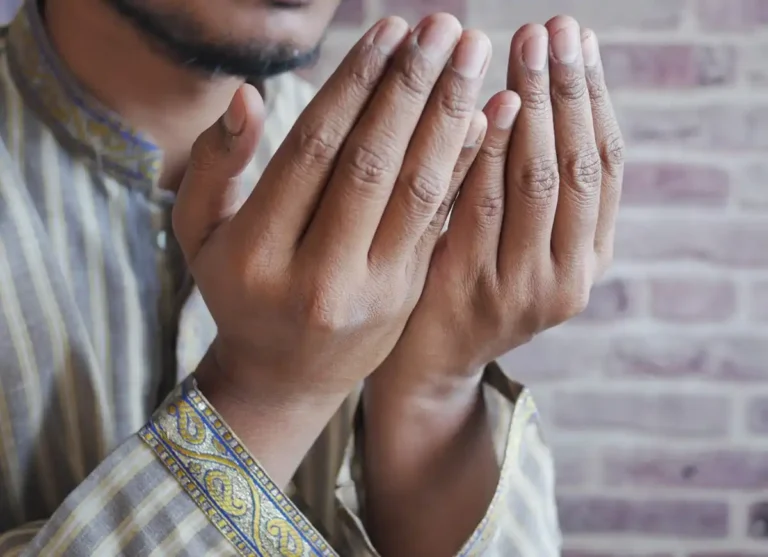

In this article we will learn about how to perform Taraweeh prayer. After the Isha prayer, set your objective for the Taraweeh prayer. Then, pray in groups of two rak’ahs (units). During each rak’ah, calmly and attentively perform the traditional prayer motions (standing, bowing, and prostrating). You should conclude the evening with the Witr prayer, which might consist of one or three rak’ahs. You can opt to recite eight, twelve, or twenty rak’ahs.
Categories: PRAYER
Before you begin
- Perform the Isha prayer: First, make sure to finish the two sunnah (recommended) and four fardh (required) rak’ahs of the Isha prayer.
- Set your intention: Make the true decision to pray Taraweeh for Allah’s sake.
Praying the rak’ahs: How To Perform Taraweeh Prayer?
Start with two rak’ahs:
As with any other prayer, recite Surah Al-Fatihah and another surah while standing for Qiyam, bow for Ruku’, and then make two prostrations (Sujud).
Break after each two rak’ahs:
You can take a brief break to rest and make du’a (supplication) after finishing the two rak’ahs.
Repeat:
Until you reach the desired number, repeat the two rak’ahs. Eight, twelve, or twenty rak’ahs are possible.
Recite calmly:
Remember to perform the prayer with calmness and focus, and you can recite any part of the Quran.
For those following in a mosque:
Your goal is merely to follow along if you are praying in front of an Imam.
Concluding with Witr
Perform Witr:
Pray the Witr prayer, which consists of one or three rak’ahs, after finishing your Tarawih rak’ahs.
End the prayer:
The last step is to recite “Assalamu Alaikum wa Rahmatullah” (Peace be upon you and the kindness of Allah) while turning your head to the right and then to the left.
Also Read: The Clear Quran PDF Free Download – Quran Mualim 2025
Is there a special Prayer to recite for Tarawih Prayer?
No, there isn’t a specific du’a to say either before or after Tarawih. when every four raka’at or when the entire Tarawih is finished, you are free to offer any du’a you like. This covers both individual du’as and du’as from the Qur’an and Sunnah.
During the “break” times between each of the four rak’at (two two-unit prayers), certain worshippers in many masjids frequently utter some words of recollection. The words might be on display throughout the mosque. The following are the Arabic terms (Tarawih Prayer) and their English translations:
سُبْحانَ ذِي الْمُلْكِ وَالْمَلَكُوتِ سُبْحانَ ذِي الْعِزَّةِ وَالْعَظْمَةِ وَالْهَيْبَةِ وَالْقُدْرَةِ وَالْكِبْرِياءِ وَالْجَبَرُوْتِ
سُبْحانَ الْمَلِكِ الْحَيِّ الَّذِيْ لا يَنامُ وَلا يَمُوتُ. سُبُّوْحٌ قُدُّوْسٌ رَبُّنا وَرَبُّ المْلائِكَةِ وَالرُّوْحِ
اللَّهُمَّ أَجِرْنا مِنَ النّارِ يا مُجيرُ يا مُجيرُ يا مُجيرُ
Conclusion
Following the Isha prayer in Ramadan, the Tarawih prayer is a voluntary and highly recommended Sunnah that can be said alone at home or in a group at a mosque. It entails prayer in groups of two rakats, with an average of eight to twenty rakats. Although it is not required, Tarawih Prayer gives significant spiritual benefits as well as an opportunity for introspection and forgiveness.
May Allah Accept Your Prayers.
Also Read:
- How Many Rakats For Fajr Prayer?
- How Many Rakats For Zuhr Prayer?
- How Many Rakats For Asr Prayer?
- How Many Rakats For Maghrib Prayer?
- How Many Rakats For Isha Prayer?
Recommended For You
- Allahumma Ajirni Minan Naar
- As Alullah Al Azim Dua in Arabic
- How Many Rakats For Zuhr Prayer
- Ya lateefu Meaning Benefits and Fazilat
- Ya lateefu Meaning, Fazilat and Benefits
- Dua After 4 Rakat Taraweeh—Easy to Read
- Allahumma Rahmataka Arju: A Dua For Hope
- How Many Rakats Taraweeh? Complete Guide
- Learn Dua La ilaha illa Anta Subhanaka Meaning
- Tabarak Allah Meaning in English, Urdu & Arabic
- Allahumma Ajirni Minan Naar in Arabic & English
- Allahumma Ajirni Minan Naar Meaning in English
- Dua e Taraweeh in Words – Complete Prayer Text
- How Many Rakats in Taraweeh Namaz? Explained
- Can You Pray Taraweeh At Home? Complete Guide
- Dua For Taraweeh: Arabic Transliteration & Translation
Recommended For You
- Quran Filetype PDF Free PDF Download
- A Quick Guide To Quran Tajweed Rules
- Quran PDF Arabic Only – Clear Arabic Script
- Quran Word-by-Word English Translation PDF
- Download Quran PDF With Urdu, Arabic & English
- Qur’an Juz by Juz PDF: A Journey Through The Holy Book
More information
- WhatsApp: +923127363500
- Business Hours: 24/7
- Site: www.quranmualim.com