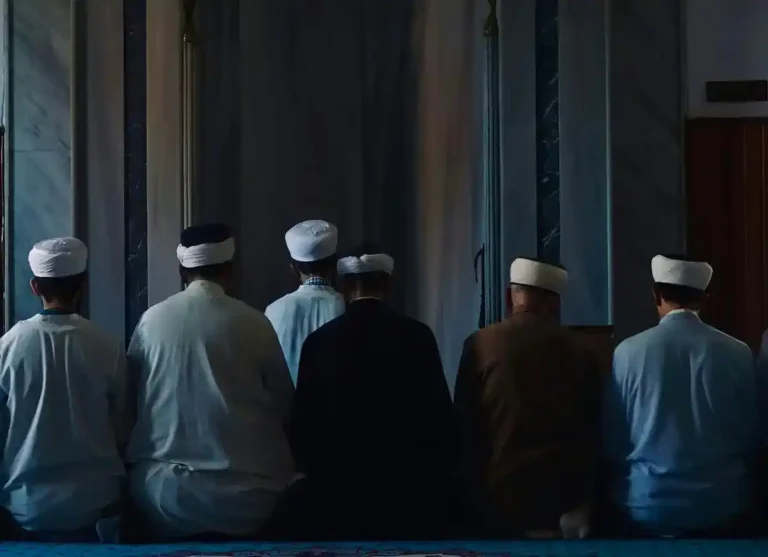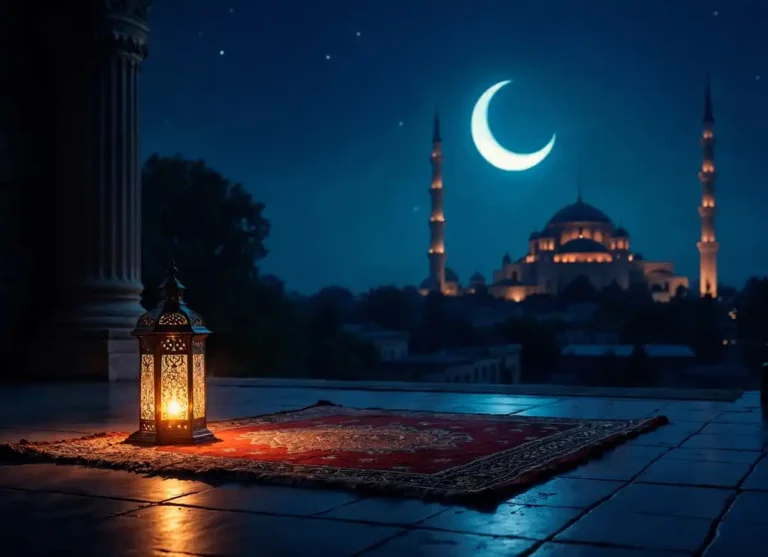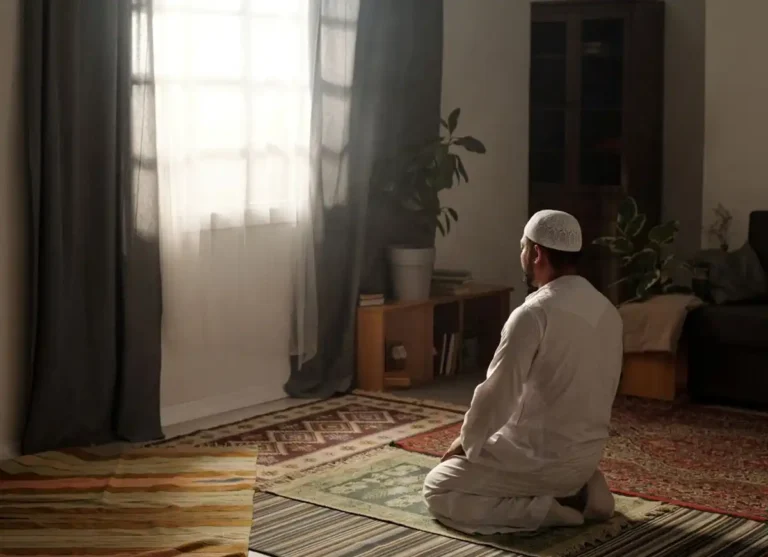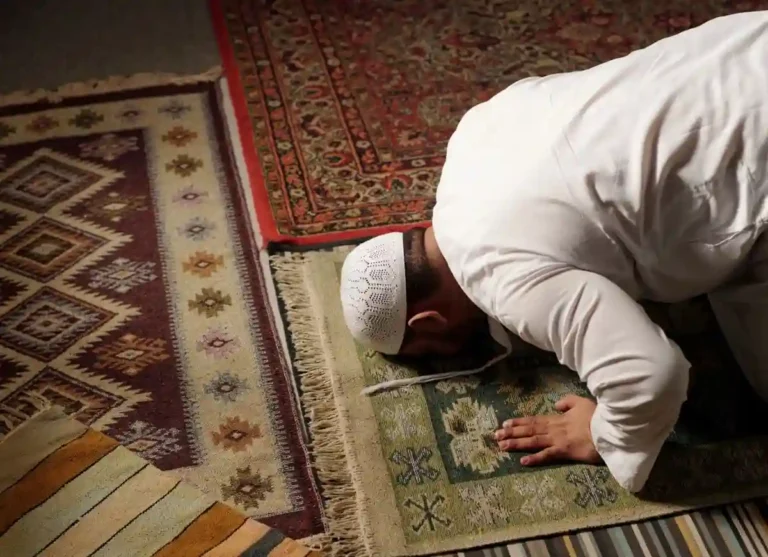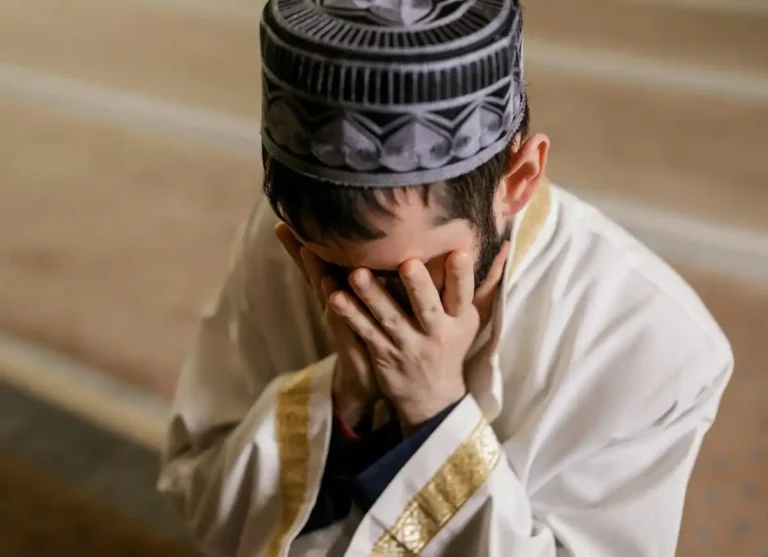


last third of the night sounds mysterious until you’ve lived one of those nights where sleep won’t come, the house is quiet, and your heart is louder than your phone. I used to treat that time like a problem to “fix” with scrolling. Then I tried a different approach—like a startup pivot. I turned the quiet into worship, and it changed my mornings. Visit Best Selling Books For Readers
Why This Time Window Matters So Much
For many Muslims in the UK and USA, the schedule is the real struggle. Work starts early. School runs are hectic. Winters bring long nights, and summers bring short ones. That’s why people keep asking: what time is the last third of the night, and how do I actually find it?
This window matters because it’s connected to sincere dua and Tahajjud. It’s not about being “super religious.” It’s about catching a quiet moment when your heart is most honest.
What “Night” Means in Islamic Timing
In practical terms, the “night” we calculate is the time between Maghrib (sunset) and Fajr (true dawn). That’s the stretch you divide into three parts. The final part is the last third.
For a simple background on Tahajjud as a night prayer practice, you can read the Wikipedia page explaining Tahajjud.
A quick note for UK/USA readers
Local prayer times change a lot across seasons, especially in places like London, Manchester, New York, Chicago, or Seattle. So rather than memorizing a fixed clock time, you’ll get better results by learning the calculation once—and reusing it daily.
Qur’an Verses That Point to Night Worship
The Qur’an describes the night as a time of extra worship, focus, and forgiveness.
Surah Al-Isra (17:79)
Arabic: وَمِنَ ٱلَّيْلِ فَتَهَجَّدْ بِهِۦ نَافِلَةًۭ لَّكَ
English: “And from part of the night, pray as extra worship for you…”
Surah Adh-Dhariyat (51:18)
Arabic: وَبِٱلْأَسْحَارِ هُمْ يَسْتَغْفِرُونَ
English: “And in the pre-dawn hours, they would seek forgiveness.”
Surah Al-Muzzammil (73:6)
Arabic: إِنَّ نَاشِئَةَ ٱلَّيۡلِ هِيَ أَشَدُّ وَطۡـٔٗا وَأَقۡوَمُ قِيلًا
English: “Worship at night is stronger for focus and more upright for speech.”
If you like learning with guided recitation and simple explanations, many readers also use www.quranmualim.com as an Islamic site.
The Hadith Behind the Last Third
This is the famous narration that makes this time feel so hopeful.
Sahih al-Bukhari 1145
Arabic (excerpt): مَنْ يَدْعُونِي فَأَسْتَجِيبَ لَهُ …
English (meaning): Allah calls in the last third of the night: “Who will call upon Me so I answer?”
Sahih Muslim 758b
Arabic (excerpt): مَنْ يَسْأَلُنِي فَأُعْطِيَهُ …
English (meaning): “Who will ask Me so I give him?”
You can confirm the wording and reference number on this Sunnah.com page for Bukhari 1145.
Categories: Namaz ,Zakat , Roza , Prayer , Hadith & Supplications

When Is the Last Third of the Night?
Here’s the simplest answer: you calculate the total night length from Maghrib to Fajr, divide by three, and take the final third. That’s it. No guessing, no apps required (though apps help).
For a clear explanation of how salah fits into Muslim life overall, Britannica’s overview of the Five Pillars gives helpful context.
Step-by-step calculation
- Note Maghrib time (sunset).
- Note Fajr time (true dawn).
- Count the hours/minutes between them.
- Divide that total by 3.
- The last third begins two-thirds into the night and ends at Fajr.
A Simple Table Example You Can Copy
Use this table as a template. Plug in your local Maghrib and Fajr times from your masjid timetable or prayer app.
| Item | Example value | How to get it |
| Maghrib (sunset) | 6:00 pm | Local prayer timetable |
| Fajr (dawn) | 5:00 am | Local prayer timetable |
| Night length | 11 hours | From Maghrib to Fajr |
| One third | 3h 40m | 11h ÷ 3 |
| Start of last third | 1:20 am | Maghrib + 7h 20m |
| End of last third | 5:00 am | At Fajr |
If your night is shorter (summer), the last third might be brief. If your night is longer (winter), it can be generous. Either way, the method stays the same.
How Tahajjud Fits Into This Window
Tahajjud is a voluntary prayer prayed at night, often after sleeping. Many people aim to pray it inside this final segment because it’s easier to focus and make dua without distraction.
If you’re just starting, keep it small:
- 2 rak‘ahs, slow and calm
- a short surah you already know
- 2–3 personal duas that matter to you
That’s enough to begin.
A “Minimum Viable” Night Routine for Busy UK/USA Life
Think like a founder building a product: you don’t launch a complex system on day one. You launch something small that works.
Try this routine for one week:
- Set one alarm 25–35 minutes before Fajr
- Make wudu without rushing
- Pray 2 rak‘ahs
- Make a short dua list (three items only)
- Sleep again if you need to
This is how you keep the habit alive.
Common Mistakes People Make
These are the traps that quietly kill consistency:
- Waiting for the perfect night (it rarely comes)
- Trying to do too much (long prayer, long recitation, long dua)
- Guilt after missing one day (guilt is not a plan)
- Comparing yourself to someone who has a different schedule
A small consistent practice beats a big practice you can’t sustain.
Hanafi Scholars’ PDF Book Recommendations
If you want deeper Hanafi reading (often found as PDFs in public Islamic libraries and academic archives), these titles are widely referenced:
- Al-Durr al-Mukhtar (Ala’ al-Din al-Haskafi)
- Radd al-Muhtar (Ibn ‘Abidin)
- Majma‘ al-Anhur (Shaykh Zadah)
- Sharh al-Wiqayah (Sadru’sh-Shari‘ah tradition)
- Al-Jawharah al-Nayyirah (Hanafi fiqh commentary)
Use these like reference manuals. Don’t let study delay your worship. Start praying first, then learn steadily.
The Takeaway That Makes It All Click
Once you know the calculation, you stop asking when is the last third of the night in a vague way. You can find it on any day, in any city, in any season. That confidence removes friction, and friction is what usually blocks Tahajjud.
{{ last third of the night}} isn’t a “secret club” time. It’s an open door you can locate with a simple method—and walk through with two quiet rak‘ahs and one honest dua.

Conclusion: Make the Quiet Work for You
Life in the UK and USA can feel like constant motion. But the night has its own kind of power. When the streets are silent and your phone stops buzzing, your dua gets clearer. Your priorities reset. Your heart softens.
Pick one night this week. Calculate it. Show up. And do it again. {{ last third of the night}} becomes your advantage when you treat it like a habit, not a myth.
FAQs
1) What time is the last third of the night exactly?
It depends on your local Maghrib and Fajr times. Calculate the time between them, divide by three, and the last third is the final portion before Fajr.
2) When is the last third of the night in summer?
In summer the night is shorter, so the last third is shorter too. Use the same formula; your start time will likely be closer to Fajr.
3) Do I have to sleep to benefit from this time?
Sleeping first is commonly connected with Tahajjud, but any worship at night—dua, Qur’an, dhikr—can be meaningful, especially near Fajr.
4) How many rak‘ahs should I pray for Tahajjud?
Start with 2 rak‘ahs. Add more only if it feels easy and sustainable.
5) What should I make dua for in this time?
Ask for forgiveness, guidance, and the specific problems you’re carrying. Keep it short and sincere, and repeat consistently.
6) What if I can’t wake up every day?
Aim for once or twice a week. Consistency grows from small wins, not from perfection.
“Similar Posts For You”
- Tahajjud: The Night Prayer Islam
- Best Time to Pray Tahajjud Namaz
- Can You Pray Tahajjud After Witr?
- Powerful Dua After Tahajjud Namaz
- How Many Rakats in Tahajjud Prayer?
- Can I Pray Tahajjud Without Sleeping?
- Is Tahajjud Sunnah or Nafl? Learn Islam
- How To Pray Tahajjud Prayer? Learn Islam
- Doa Tahajud – Arabic & English Translation
- Virtues and The Benefits of Tahajjud Namaz
- Doa Sholat Tahajud (The Prophetic Supplication)
- How To Pray Tahajjud Namaz? (The Night Prayer)
- What Powerful Tahajjud Dua Acceptance Mean?
- How To Pray Tahajjud Step By Step? Learn Islam
- Prayer At Night (Tahajjud) – Bring You Lasting Peace
- What is Tahajjud Namaz? (What, When, How) Complete Guide
- Tahajud Namaz Complete Guide (Time, Rakats, Duas, Benefits)
Recommended For You:
- 6 Types of Sunnah Prayers In Islam
- How to Perform Wudu Step by Step?
- How to Perform Fajr Prayer (صلاة الفجر)?
- How to Perform Zuhr Prayer – صَلَاة ٱلظُّهْر?
- How to Perform Asr Prayer- صلاة العصر)?
- How to Perform Maghrib Prayer- صلاة المغرب?
- How to Perform Isha Prayer-صلاة العشاء?