

Shab e Barat ki fazilat often comes to mind on a quiet night when the streets slow down and the sky feels closer than usual. You hear a neighbor mention prayers, someone else talks about forgiveness, and suddenly you’re curious. What is this night really about, and why do so many hearts lean toward it?
In many homes, this night feels like launching a small “startup of the soul.” The problem is familiar: we get busy, we slip up, and we carry regrets. The solution is hopeful: one night that nudges you to reset, ask Allah for mercy, and walk into the next days lighter.
What is Shab-e-Barat?
Shab-e-Barat is widely known as the 15th night of Sha’ban. Many Muslims call it the Night of Forgiveness or the Night of Salvation. In everyday language, it’s a moment to pause and say, “I want to come back to Allah with a clean heart,” even if life has been messy lately.
In different cultures, people talk about this night in different ways. Some focus on worship at home, some visit graves, and some gather in mosques. Practices can vary. But the shared feeling is the same: a deep desire for mercy, acceptance, and a fresh start.
Categories: PRAYER , The Holy Quran, Quran Jaz 1- 114
Why does it matter to so many people?
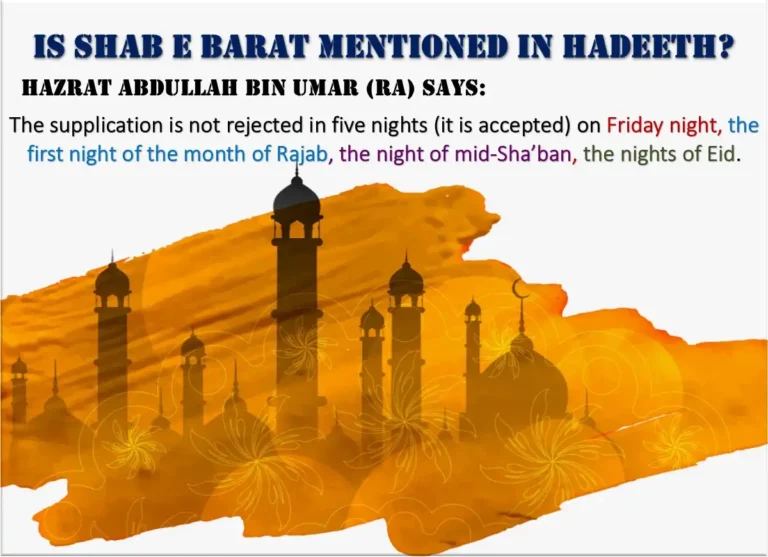
This night matters because it speaks to a human need: hope after mistakes. Many believers see it as a chance to seek forgiveness sincerely and to make du’a with extra attention. In some narrations, people mention special nights when supplications are accepted, and this night is often included in community reminders.
Many communities also believe that Allah’s blessings are spread widely on this night. Some talk about destiny being written for the coming year. Not everyone explains it the same way, but the takeaway is positive and practical: turn to Allah, fix what you can, and prepare for better days.
The “startup journey” of the night
Every startup begins with a problem statement. On Shab-e-Barat, the problem is not money or market fit. It’s the way sins pile up, relationships weaken, and prayers become rushed. The “product” you build is a calmer heart—through worship, repentance, and small good deeds done with honesty.
Then comes the roadmap. You don’t need complicated plans. You need simple steps you can actually follow. Even if you start small, it counts. The goal is not to impress anyone. The goal is to be seen by Allah when nobody else is watching.
Also Read: Third Kalima Tamjeed Arabic English Translation
What do people usually do on this night?
Most people keep it simple and spiritual. You’ll often see a mix of worship and quiet reflection. Common actions include:
- Praying extra nawafil with focus
- Reciting Qur’an, even a small portion
- Making du’a for forgiveness and guidance
- Sending blessings upon the Prophet ﷺ
- Giving charity, even a modest amount
These are not “magic moves.” They are steady habits that soften the heart and improve your relationship with Allah over time.
A practical plan for the night
If you’re not sure where to begin, treat the night like a gentle schedule, not a marathon. You can build your worship in small blocks, like short work sessions. The beauty is that you can adjust it to your energy, your family duties, and your personal pace.
Here’s a simple plan you can follow:
- Pray ‘Isha and try to stay mindful
- Sit for a few minutes and make sincere tawbah
- Read some Qur’an with understanding
- Pray two or four rak’ahs of nawafil calmly
- Make du’a for yourself and others
- End with a quiet intention to improve tomorrow
This is enough. Consistency beats intensity, especially when your intention is real.
Du’a ideas you can say in everyday language
You don’t need perfect Arabic to speak to Allah. If Arabic is easy for you, that’s wonderful. If it isn’t, speak plainly and sincerely. Try lines like these:
- “O Allah, forgive what I did knowingly and unknowingly.”
- “O Allah, fix my heart and my habits.”
- “O Allah, protect my family and guide us.”
- “O Allah, help me leave one bad thing for Your sake.”
A heartfelt du’a is never wasted. It may not change your life in one night, but it can change your direction.
Clearing common confusion
People often search “shab e barat ki fazilat in english” because they want a clean explanation without heavy language. Others look up “shab e barat ki fazilat in roman english” so they can read and share reminders easily. That’s normal. This night is emotional, and people want words that feel close.
It’s also normal to hear different opinions about certain details and cultural habits. If you’re unsure, keep your focus on what is always good: prayer, Qur’an, repentance, charity, and kindness. Those deeds are beautiful on any day, and they fit this night perfectly.
A note on visiting graves
In many places, people visit graveyards to make du’a for those who passed away. If your community does this, keep it respectful and calm. The purpose is not celebration. It’s remembrance, humility, and prayer. If you don’t do it, you can still remember the dead from your home with sincere du’a.
If you ever feel pressure to follow a crowd, return to the basics. Worship is not a performance. It’s a private conversation with Allah. Choose what brings you closer, not what brings you attention.
How this night can change the rest of your year
Shab e Barat ki fazilat becomes real when it moves beyond one night and into your mornings. Think of it as a checkpoint, not a finish line. If you leave the night with one new habit—one more prayer on time, one daily page of Qur’an, one kinder tone with family—that’s a win.
This is where the startup story turns into growth. You don’t just “launch” a spiritual reset. You maintain it. You track your weak points. You fix them slowly. And you keep asking Allah for help, because the best progress is the progress Allah supports.
Small actions that keep the momentum alive
To carry the spirit forward, try these simple follow-ups:
- Choose one sin to quit for 30 days
- Pick one sunnah to revive at home
- Give weekly charity, even if it’s small
- Apologize to someone you’ve been avoiding
- Make du’a after every salah for one clear goal
These steps are simple, but they are powerful. They turn emotions into change.
Conclusion:
Shab e Barat ki fazilat is not just a topic to read about—it’s a door you can walk through. Step in with honesty. Ask for forgiveness like you mean it. Pray like you’re rebuilding something precious. Then leave the night with one brave decision to become better.
Don’t wait for a perfect version of yourself. Start with the sincere one. And move forward—steady, hopeful, and unafraid.
Recommended For You (Shabe Barat)
- Shab e Barat Mubarak (Lailatul Barat)
- What Should We Prayers of Shab e Barat?
- Best Shab e Barat Dua To Change Destiny
- The Night of Mid-Sha’ban (Shab e Barat)
- What Does Islam Say About Shab Barat?
- Common Dua in Taraweeh Prayer To Recite
- So Kar Uthne Ki Dua | Dua After Waking Up
- Allahumma Rahmataka Arju: A Dua For Hope
- Why Do We Celebrate Shab-e-Barat in Islam?
- Arabic Prayer With Transliteration and Meaning
- Shab e Barat Namaz Ka Tarika (Prayers For 15 Shaban)
- Shab e Barat Ibadat And Prayers – Night of Forgiveness
- What is The Shab e Barat meaning? Night of Forgiveness
- Shab e Barat Namaz Rakats: How To Pray Namaz Rakats?
Salatul Tasbih
- How To Perform Salatul Tasbih?
- Definition of Subhanallah and Its Meaning
- la ilaha illa anta subhanaka Inni Kuntu Minaz Zalimin