
Shab e Barat meaning is one of those phrases you hear in passing, like a soft whisper at the end of Sha‘ban, and it sticks in your mind. A friend mentions it after Maghrib. Someone forwards a message. And suddenly you’re curious—what does it actually mean, and why does it feel so personal to so many people?
It helps to picture this like a small startup journey. The “problem” is confusion: mixed traditions, big claims, and fast opinions. The “solution” is clarity: understand the words, connect them to the Qur’an’s message of hope, and keep your worship simple, sincere, and kind.
What the phrase really means
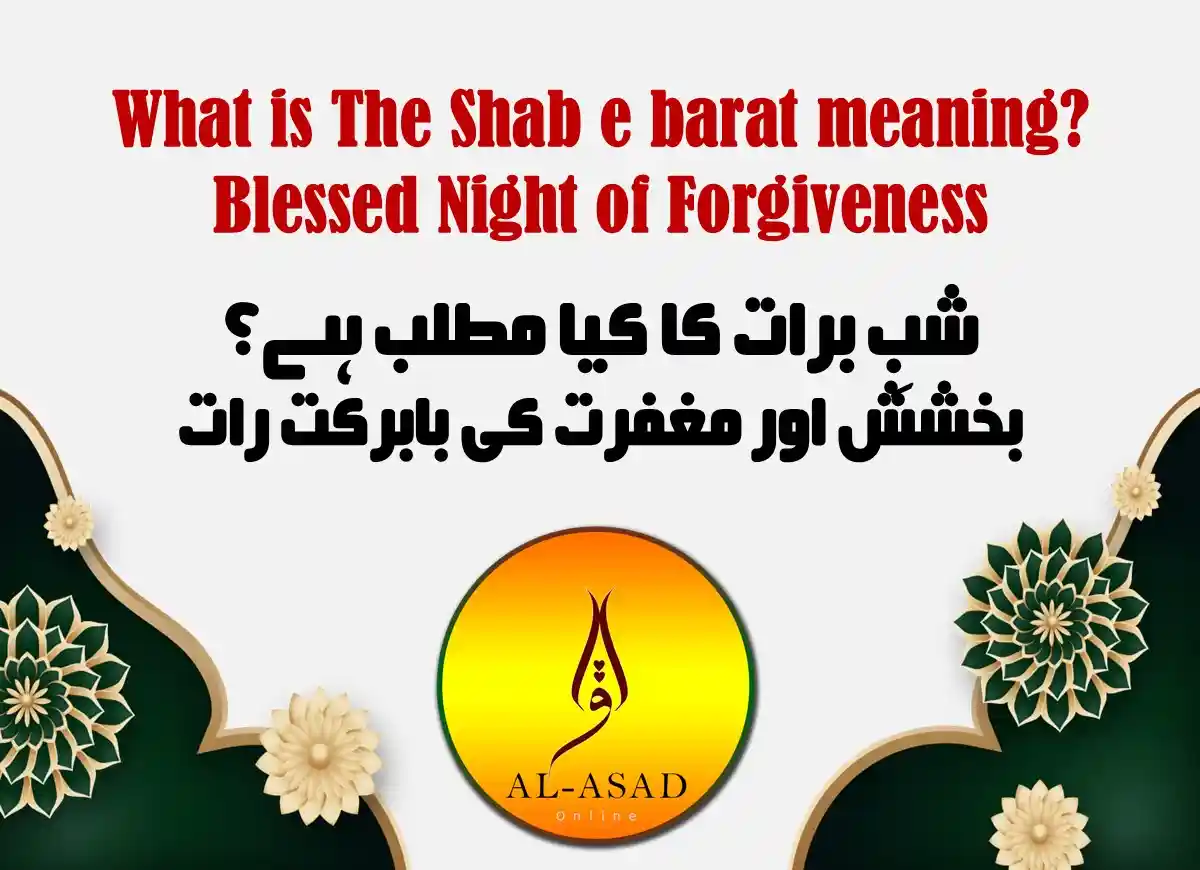
The meaning of shab e barat becomes easy when you break it into two parts. “Shab” is commonly used in Urdu/Persian for night. “Barat” comes from the Arabic word بَرَاءَة (bara’ah), often explained as freedom, release, or absolution—especially from sin. Many people also call it Laylat al-Bara’ah in Arabic: لَيْلَةُ الْبَرَاءَة.
So, in plain English, it’s often understood as “the Night of Forgiveness” or “the Night of Freedom (from sin).” Different cultures use different labels, but the emotional meaning stays the same: a night to reset your relationship with Allah.
shab e barat meaning in arabic
If you’re searching shab e barat meaning in arabic, the phrase you’ll often see is:
- لَيْلَةُ الْبَرَاء (Laylat al-Bara’ah)
And the key word is:
- بَرَاءَة (bara’ah): release, clearance, absolution
People may also call it Laylat al-Ghufran (night of forgiveness) in some communities, but “Bara’ah” is the word tied to the name itself.
Shab e barat meaning in urdu
When people ask shab e barat meaning in urdu, they usually want the simple Urdu idea, not a dictionary lecture. Common ways people explain it include:
- شبِ براءت (Shab-e-Bara’at) — “forgiveness / freedom night”
- شبِ نجات — “night of salvation”
You’ll also see the phrase meaning of shab e barat in urdu written as “راتِ براءت” (night of absolution) in some reminders, because the core meaning is tied to براءت.
What night are people referring to?
In many South Asian communities, “Shab-e-Barat” points to the middle night of Sha‘ban (around the 15th night). Some Muslims treat it as a special time for worship, du‘a, and reflection. Others keep it like any other night, focusing on general worship without special “fixed” rituals.
This difference in practice is real, and it’s part of the conversation about the reality of shab e barat. The safest route is to keep your actions rooted in things Islam always encourages: prayer, Qur’an, repentance, and good character.
Hope and sincere repentance
Even if people debate details about the night, the Qur’an’s message is crystal clear: never give up on Allah’s mercy. One of the strongest verses for anyone seeking forgiveness is Surah Az-Zumar (39:53):
لَا تَقْنَطُوا مِن رَّحْمَةِ ٱللَّهِ (Do not despair of Allah’s mercy).
That verse doesn’t speak to one night only. It speaks to every person who feels weighed down by mistakes—and wants a clean return.
Another powerful verse is Surah At-Tahrim (66:8), which calls believers toward sincere repentance:
تُوبُوا۟ إِلَى ٱللَّهِ تَوْبَةًۭ نَّصُوحًا (Repent to Allah with sincere repentance).
This is the heartbeat behind nights like mid-Sha‘ban: not drama, not performance—just honest change.
The most quoted Hadith about mid-Sha‘ban
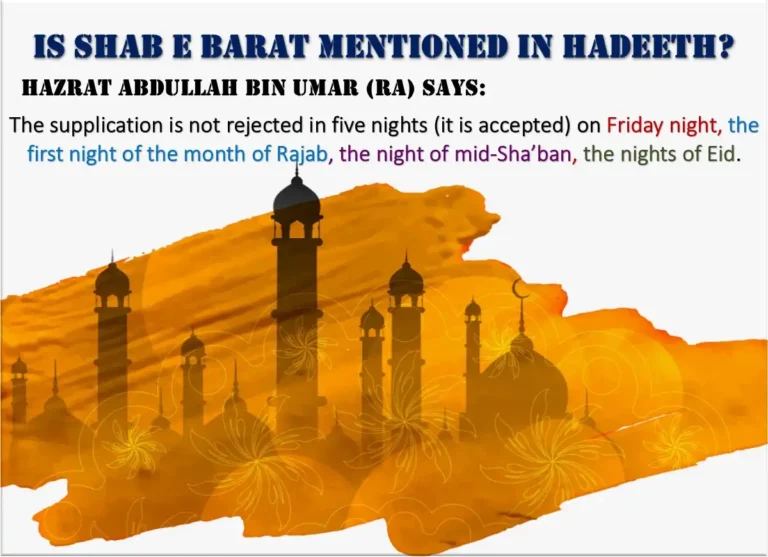
When people discuss the reality of shab e barat in islam, they often mention a narration from Sunan Ibn Majah (Hadith 1390). It says Allah looks at His creation on the middle night of Sha‘ban and forgives many—except the idolater and the one who holds hostility.
Here is a short Arabic excerpt from that hadith:
إِنَّ اللَّهَ لَيَطَّلِعُ فِي لَيْلَةِ النِّصْفِ مِنْ شَعْبَانَ
On Sunnah.com, this report is shown with a grading of Da‘if (Darussalam), which is why scholars discuss it carefully.
What to do with this information (without stress)
Here’s the practical balance: even when a narration is debated, general worship is never wasted. You can take the lesson that everyone agrees is good—remove hatred, avoid shirk, seek forgiveness, and worship Allah—without claiming that a specific ritual is “required.”
That’s also why many scholars advise: keep the night peaceful, and focus on what’s clearly supported in Islam.
Also Read: Third Kalima Tamjeed Arabic English Translation
A simple “starter kit” for the night
If you want a clean, beginner-friendly plan, try this. Think of it as the first version of your spiritual startup—small, real, and repeatable:
- Pray ‘Isha on time, unhurried
- Make tawbah (repent) with honesty
- Pray two rak‘ahs nafl, slowly
- Read Qur’an (even a page)
- Make du‘a for yourself and others
- End by forgiving people in your heart
This is simple, but it’s strong—because it’s sincere.
Short du‘a lines you can actually say
You don’t need long scripts. Use small, truthful words:
- “O Allah, forgive me and guide me back to You.”
- “O Allah, remove anger and jealousy from my heart.”
- “O Allah, bless my parents and my home.”
- “O Allah, write goodness for my future and my faith.”
If you want a short Arabic habit, say: أستغفرُ الله (Astaghfirullah).
Culture, confusion, and the calm middle path
In some places, Shab-e-Barat becomes noisy—arguments, fireworks, or “one right method” claims. That’s where the meaning gets lost. The night is supposed to soften the heart, not harden it.
A helpful rule: if something brings you closer to Allah and keeps adab (respect), it’s likely good. If it creates pride, fighting, or harm, step away.
The real win: a cleaner heart after the night
Here’s the truth many people miss: shab e barat meaning isn’t just about translating words. It’s about what those words do to you. If the night ends and you still hold grudges, the point slipped away. If the night ends and you feel humbler, kinder, and more consistent—then you got it.
And if you only managed a little worship, but your repentance was real, that may be the biggest victory of all.
A confident takeaway to carry forward
So what is shab e barat meaning in everyday life? It’s a reminder that you’re allowed to return. That Allah’s mercy is bigger than your worst day. That sincere repentance is not a one-time event—it’s a direction.
Start small. Stay honest. Keep going. The night may pass, but the change you begin can stay.
FAQs
1) What is the meaning of Shab-e-Barat in simple English?
It’s commonly understood as the Night of Forgiveness or the Night of Freedom (from sin), linked to the word بَرَاءَة (bara’ah)—release or absolution.
2) What is shab e barat meaning in arabic?
People often refer to it as لَيْلَةُ الْبَرَاءَة (Laylat al-Bara’ah), meaning the night of absolution/release.
3) Which Qur’an verses match the theme of forgiveness best?
Two widely quoted verses are Surah Az-Zumar 39:53 and Surah At-Tahrim 66:8
4) Which hadith is most often mentioned about mid-Sha‘ban?
A common reference is Sunan Ibn Majah, Hadith 1390, about forgiveness on the middle night of Sha‘ban except for the idolater
5) What is the safest way to benefit from the night?
Keep worship simple: pray nafl, recite Qur’an, make du‘a, give charity, and fix your heart—especially by dropping hatred
Recommended For You (Shabe Barat)
- What Should We Prayers of Shab e Barat?
- Best Shab e Barat Dua To Change Destiny
- Common Dua in Taraweeh Prayer To Recite
- So Kar Uthne Ki Dua | Dua After Waking Up
- Allahumma Rahmataka Arju: A Dua For Hope
- Why Do We Celebrate Shab-e-Barat in Islam?
- Arabic Prayer With Transliteration and Meaning
- Shab e Barat Ibadat And Prayers – Night of Forgiveness
Salatul Tasbih
- How To Perform Salatul Tasbih?
- Definition of Subhanallah and Its Meaning
- la ilaha illa anta subhanaka inni kuntu minaz zalimin.