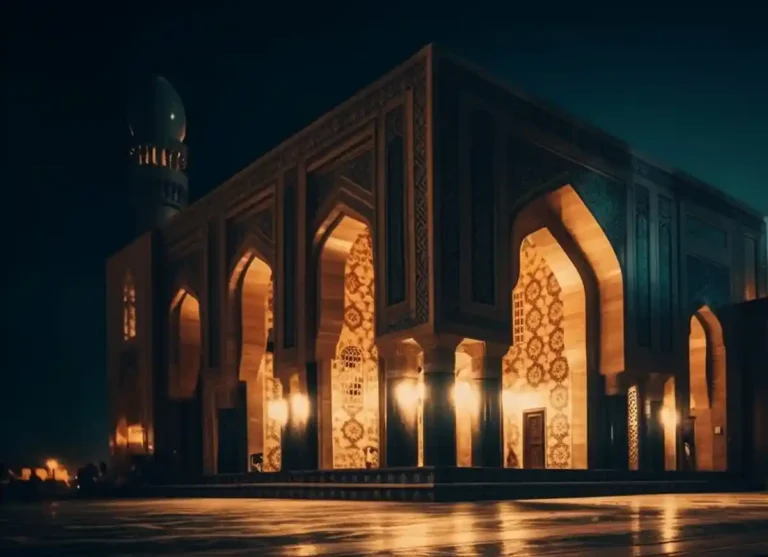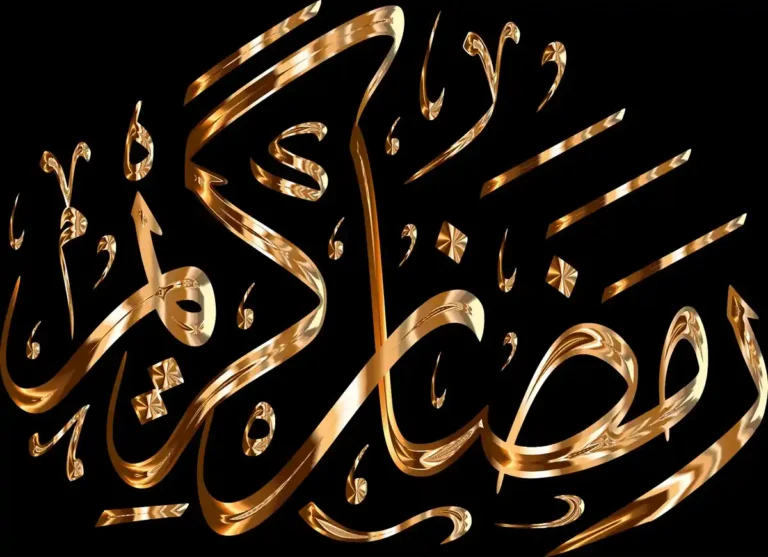


We will learn here Taraweeh ki Dua. Every night during Ramadan, after the Isha prayers, mosques and homes fill with a special, hushed energy. This is the time for Taraweeh prayers—a deeply cherished and spiritual part of the month that many Muslims look forward to all year. As the long, melodious recitations of the Quran come to a pause, worshippers raise their hands together in a heartfelt supplication known as the Taraweeh dua. In this moment, hearts open up, quietly asking Allah for guidance, forgiveness, and kindness for themselves, their loved ones, and the entire Muslim community.
This special prayer, offered specifically during the Taraweeh of Ramadan, is more than just a ritual. It’s a chance to pause and truly connect—with one’s faith, with fellow believers, and with the Divine. The nightly practice of standing in prayer, listening to the Quran, and then making this sincere dua weaves a powerful thread through the month. It reminds everyone of the core values of Ramadan: reflection, repentance, and community.
Reciting the Taraweeh dua regularly does more than fulfill a religious act; it nurtures the soul. It strengthens a Muslim’s bond with Allah, deepens their understanding of their faith, and inspires them to carry the lessons of Ramadan—patience, gratitude, and good character—into their everyday lives. In the quiet unity of these nightly gatherings, there’s a profound sense of peace and shared purpose, making Taraweeh one of Ramadan’s most memorable and meaningful blessings.
In summary: The Taraweeh Dua is a beautiful, spiritually enriching practice of Ramadan nights. Focus on the sincerity of your heart and your connection to Allah. He listens to all languages and understands the intent behind every plea.
FAQs About Taraweeh ki Dua
1. When is the Taraweeh Dua recited?
The Taraweeh Dua is recited during the four (rak’ahs) of prayer.
2. Are there specific words for the Taraweeh Dua?
While Muslims are free to make supplications (dua) in their Arabic words during the Tarawih Prayer, specific, well-known Taraweeh ki Dua in Arabic :
“Subhana dhil-Mulki wal-Malakoot, Subhana dhil-‘Izzati wal-‘Azamati wal-Haybati wal-Qudrati wal-Kibriyaa’i wal-Jabaroot…”
5. Can women recite this dua at home?
Yes, absolutely. Women praying Taraweeh at home. She can recite this supplication after every four rak’ahs.
6. Is there another specific supplication to be made after this?
After the customary Taraweeh Dua, it is highly recommended to add your own personal prayers.
9. What is the main purpose or benefit of the Taraweeh Dua?
Its primary purpose is spiritual connection and communal humility.
Recommended For You
- Allahumma Ajirni Minan Naar
- Is Taraweeh Sunnah or Nafl?
- How To Pray Taraweeh At Home?
- How Many Rakats For Zuhr Prayer
- Is Taraweeh Mandatory or Optional?
- Taraweeh Dua in English Translation
- How To Perform Taraweeh? – Step by Step
- Common Dua in Taraweeh Prayer To Recite
- Allahumma Rahmataka Arju: A Dua For Hope
- How Many Rakats Taraweeh? Complete Guide
- Best Dua in Taraweeh During Ramadan Nights
- How Do You Pray Taraweeh? Complete Guide
- Allahumma Ajirni Minan Naar in Arabic & English
- Allahumma Ajirni Minan Naar Meaning in English
- How Many Rakats in Taraweeh Namaz? Explained
- Can You Pray Taraweeh At Home? Complete Guide
- How To Perform Taraweeh Prayer? Stepwise Guide
- Taraweeh ki Dua With Arabic & English Translation
- Is Taraweeh Compulsory in Islam? Question & Answer
- Dua For Taraweeh: Arabic Transliteration & Translation
More Any information
- WhatsApp: +923127363500
- Business Hours:24/7
- Site: www.quranmualim.com