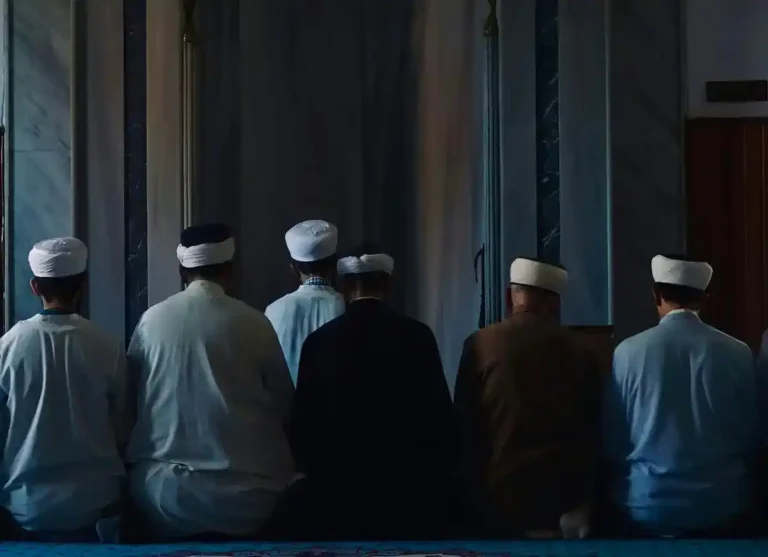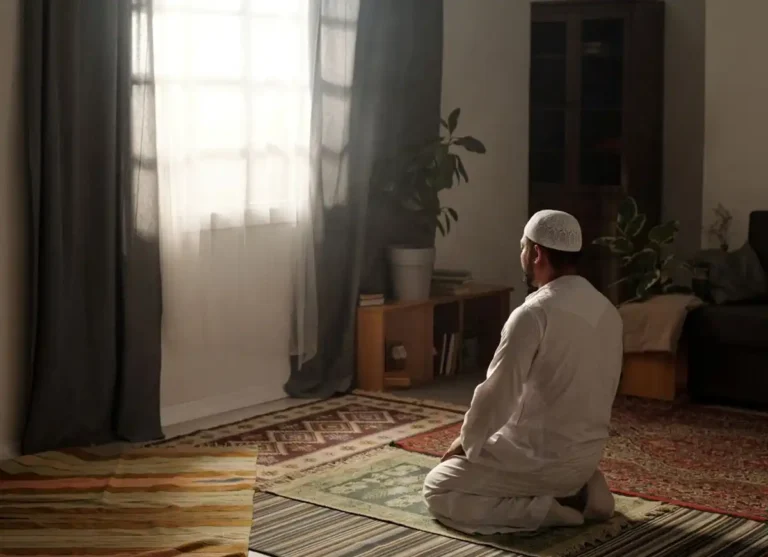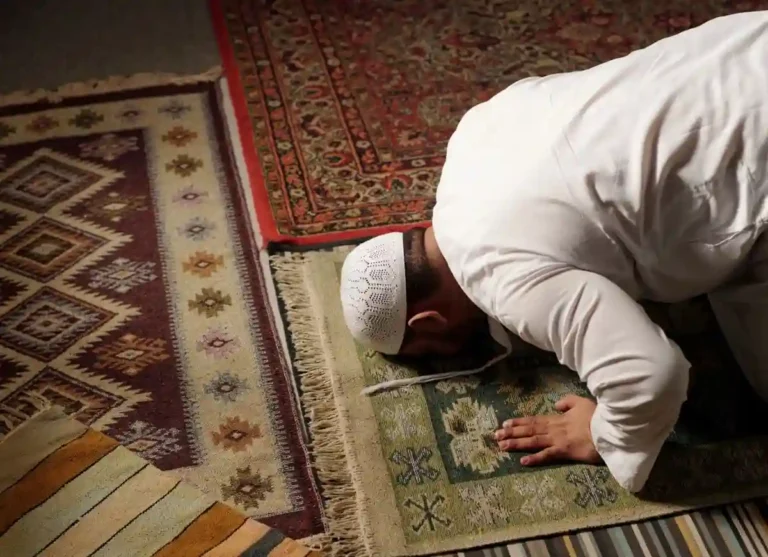

The Power of Tahajjud feels like a secret door you only notice when life gets loud. Picture a London flat at 3:40 a.m. or a quiet Chicago street before dawn. Most lights are off. Your phone is finally silent. And for once, you can hear your own thoughts. That’s usually when people discover this night prayer—and why it sticks.
Why this night Prayer matters in modern UK/USA life
In the day, your schedule runs like a startup: rapid decisions, constant pings, and zero breathing room. Even good people feel spiritually “underfunded.” Tahazzud—often used by some communities as a casual spelling or reference—steps in like a quiet investor. It gives you time, focus, and a clean space to reset your direction.
A simple background read is available on Wikipedia’s Tahajjud overview. For broader context on Islamic Prayer, Britannica’s explanation of salat and prayer in Islam is also useful.
The “startup journey” of building Tahajjud into your life
Most people don’t begin with big goals. They begin with a problem: stress, guilt, a habit they can’t break, or a heart that feels heavy for no clear reason. They try the usual fixes—sleep earlier, scroll less, work harder—yet still feel stuck. Then they experiment with tahajjud Namaz for just two rak‘ahs.
That’s the turning point. Not because everything becomes perfect overnight, but because something becomes clear. You feel seen by Allah in a way that’s hard to explain. And that feeling nudges you to keep showing up, even if it’s only a few minutes.
What Tahajjud really is (in plain English)
Tahajjud is a voluntary night Prayer offered after ‘Isha and before Fajr, often after sleeping for a while. It’s not compulsory, which makes it special. You are not forced into it. You choose it. And when worship is chosen, it often carries a deeper sincerity than anything done on autopilot.
Many Muslims in the UK and USA love it because it fits real life. You can do it quietly at home, between responsibilities. No crowd. No pressure. Just you, your Lord, and an hour that feels protected.
Qur’an verses that anchor the idea of night Prayer
These verses are often mentioned because they connect night worship with inner strength and direction:
- Surah Al-Isra (17:79) — “And from part of the night, pray with it as additional worship for you; it may be that your Lord will raise you to a praised station.”
Read it here with translation: Qur’an 17:79 on Quran.com - Surah As-Sajdah (32:16) — “They arise from their beds; they call upon their Lord in fear and hope…”
- Surah Al-Muzzammil (73:6) — “Indeed, the night hours are more effective for the heart’s focus and more suitable for recitation.”
These verses don’t sell fantasy. They teach a pattern: quiet effort leads to clarity.
Also Read: Tahajjud Prayer: How to Pray, What to Recite & Best Duas

Hadith that explain the heart of Tahajjud
A famous narration captures the emotional power of the last third of the night:
- Sahih al-Bukhari, Hadith 1145 (Narrated Abu Hurairah) — The Prophet ﷺ said that Allah comes down to the nearest heaven in the last third of the night and asks who is calling upon Him, who is asking, and who is seeking forgiveness.
You can read it here: Sahih al-Bukhari 1145 on Sunnah.com
This is why people treat Tahajjud like a personal appointment. It feels like your du‘a finally has space.
How to pray tahajjud Namaz without overthinking it
Start small. Keep it stable. That’s the winning strategy.
A simple beginner method
- Pray ‘Isha as normal.
- Sleep for a bit (even a short nap helps).
- Wake up and pray 2 rak‘ahs.
- Sit and make du‘a like you’re speaking honestly.
- If you want, add two more rak‘ahs another night.
If you slip, don’t panic. You’re building a habit, not proving your worth.
What to read in Prayer
- Short surahs you already know well
- A few lines of Qur’an with focus
- Extra du‘a in sujood (this is where many hearts soften)
Categories: Namaz ,Zakat , Roza , Prayer , Hadith & Supplications
A table for real-world schedules (UK/USA friendly)
| Your routine | Best time window | Minimum plan | “Good day” plan |
| Early commute (London, Birmingham, NYC) | 25–45 mins before Fajr | 2 rak‘ahs + du‘a | 4–6 rak‘ahs + du‘a |
| Parents with broken sleep | When baby wakes you | 2 rak‘ahs | 2 rak‘ahs + longer sujood |
| Students & late study | Before sleep + before Fajr if possible | 2 rak‘ahs | 2 + Qur’an reading |
| Night-shift workers | Before sleeping after shift | 2 rak‘ahs | 4 rak‘ahs, calm pace |
This is where the practice becomes sustainable: match the worship to your life, not your fantasy.
Hanafi-focused PDFs to deepen practice (book list)
These are widely taught in Hanafi learning circles and commonly found in PDF form for study:
- Nur al-Idah — Imam Hasan al-Shurunbulali
- Maraqi al-Falah — Imam Hasan al-Shurunbulali
- Al-Hidayah — Burhan al-Din al-Marghinani
- Fatawa Hindiyyah (Al-Fatawa al-Alamgiriyyah) — compiled under Mughal patronage
- Radd al-Muhtar — Ibn ‘Abidin
If you want beginner-friendly reminders and study support, you can also explore learning resources on www.quranmualim.com.
Why it feels so powerful (and what changes first)
Here’s what many people notice before any “big miracle” happens:
- You become less reactive during the day
- Your du‘a becomes more specific and honest
- You start quitting a bad habit with less drama
- Your relationships get softer, even when life is hard
It’s like your heart stops running on low battery. Not perfect—just steadier.
Common mistakes (and easy fixes)
- Mistake: Trying to pray long every night
Fix: Aim for consistency over length. - Mistake: Waiting for motivation
Fix: Use a tiny routine. Motivation follows action. - Mistake: Making it only about “getting things”
Fix: Ask for forgiveness, guidance, and a clean heart first.
Small fixes protect the habit. And the habit protects you.
Also Read: Tahajud Namaz Complete Guide (Time, Rakats, Duas, Benefits)

A confident finish you can act on tonight
The second time you wake up for it, you’ll understand why people talk about it with quiet respect. And the tenth time, you’ll see why they guard it like treasure. The Power of Tahajjud isn’t in dramatic moments. It’s in steady ones—where you show up, speak truth, and leave the prayer feeling lighter.
If your life feels crowded, start with two rak‘ahs. Keep it private. Keep it real. Then watch what happens next. The Power of Tahajjud will meet you where you are—and pull you forward.
FAQs
What is Tahazzud—does it mean something different?
Many people use “Tahazzud” informally when referring to Tahajjud. The practice people mean is the voluntary night Prayer before Fajr, often after sleeping.
How many rak‘ahs should I pray for tahajjud Namaz?
Start with 2 rak‘ahs. You can add more in pairs on stronger nights. Consistency matters more than counting.
What’s the best time for Tahajjud?
The last third of the night is highly recommended, but any time after ‘Isha and before Fajr can work, especially if you’re building the habit.
Can I pray it if I didn’t sleep?
Many scholars describe general night Prayer (qiyam) as valid without sleep. Tahajjud is commonly described as after-sleep, but don’t let definitions block your worship.
What should I ask for in du‘a during Tahajjud?
Start with forgiveness, guidance, and help with one private struggle. Then ask for your family, your future, and the strength to stay consistent.
Is it okay if I can only do it once or twice a week?
Yes. Start where you are. The goal is a real, sustainable practice—not an all-or-nothing sprint.
Check Also Similar Post:
A) How-to Pray
- How Many Rakats in Tahajjud Prayer?
- Can I Pray Tahajjud Without Sleeping?
- Night Prayer: Powerful Prayers For The Evening
- How To Pray Tahajjud Step By Step? Learn Islam
- How To Read Tahajjud Prayer? A Step By Step Guide
B) Timing (Tahajjud Prayer)
- Best Time to Pray Tahajjud Namaz
- What Time is Best For Tahajjud Prayer?
- The Best Time For Tahajjud Salaah – learn Islam
- Tahajjud Prayer Before Sleep At Night – Learn Islam
- Last Third of The Night- Calculate The Last Third of The Night
C) Rulings / FAQs
- Can You Pray Tahajjud After Witr?
- Is Tahajjud Sunnah or Nafl? Learn Islam
- Is Qiyam and Tahajjud Same? Learn Islam
- What Should Be The Tahajjud Prayer Niyat?
D) Duas
- Powerful Dua After Tahajjud Namaz
- learn Best tahajjud Dua For Success – Learn Islam
- Tahajjud Dua in English Transliteration & Translation
Recommended For You:
- How Many Rakats For Fajr Prayer?
- How Many Rakats For Zuhr Prayer?
- How Many Rakats For Asr Prayer?
- How Many Rakats For Maghrib Prayer?
- How Many Rakats For Isha Prayer?
- What Time is The Jummah Prayer?
- 6 Types of Sunnah Prayers In Islam
- How to Perform Salah (Complete Namaz)
- What is The Sitting Between in Khutbah Called?
- Salat | Physical Benefits of Salat Prayer PDF Download