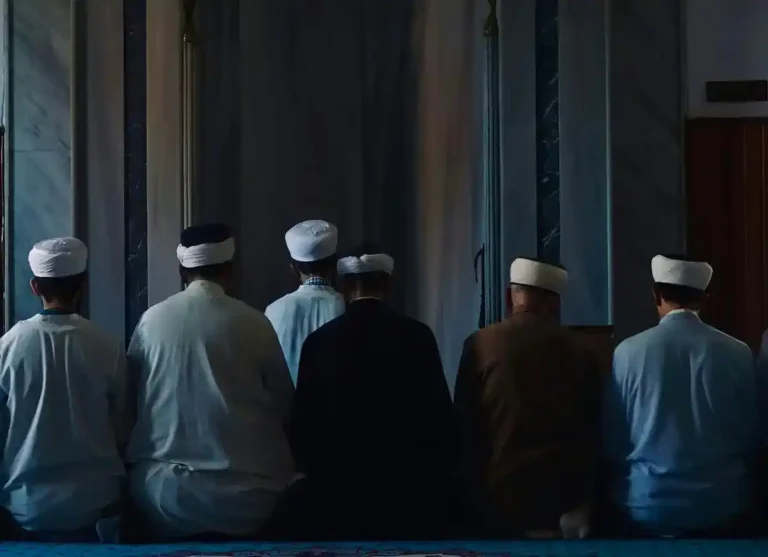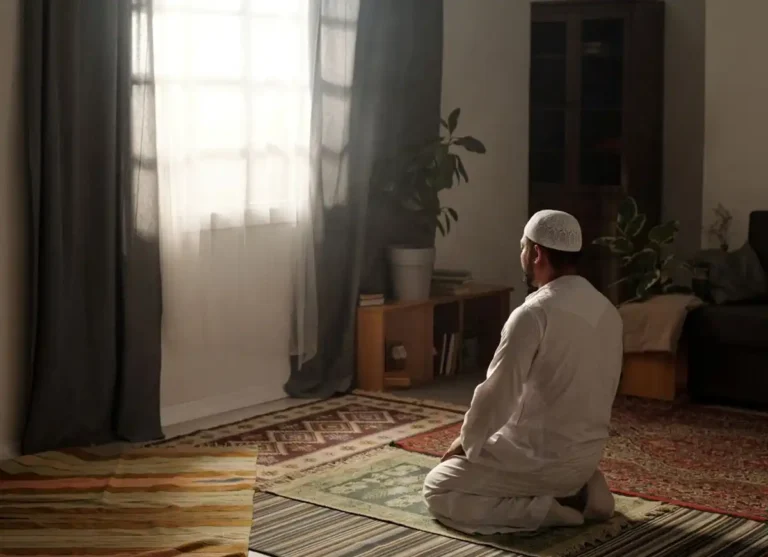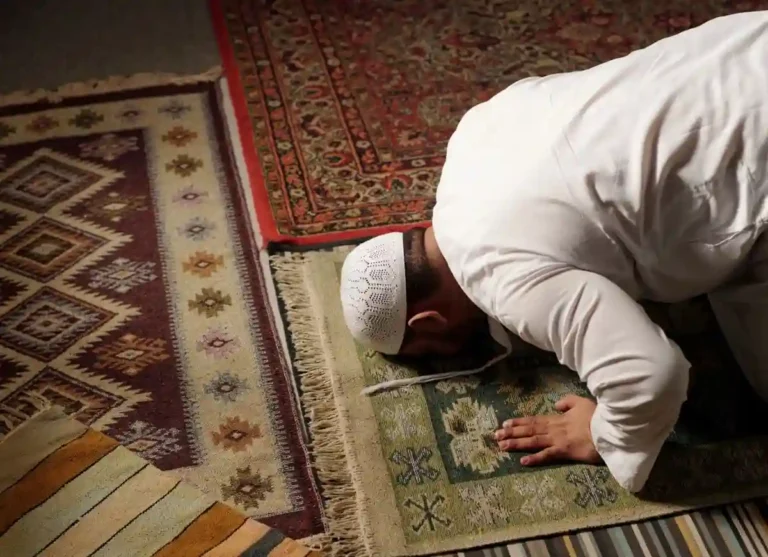


The time for tahajjud namaz is the moment the world goes quiet and your heart finally gets a clear signal.
I first heard someone describe it like a founder’s “secret work hour”—the time when distractions sleep, and real progress happens. At the start, it sounded impossible. Then I tried it once, and it felt like opening a door I didn’t know existed.
Find a practical Tahajjud-focused read on Amazon: “How Tahajjud Saved My Life”
What Tahajjud really is (and why people love it)
Tahajjud is a voluntary night prayer prayed after sleeping, sometime after ‘Isha and before Fajr. Many Muslims treat it as their personal “check-in” with Allah—private, honest, and deep. If you want a quick background, this overview of Tahajjud on Wikipedia is a simple starting point.
A startup problem: “I’m doing everything, but I feel empty”
A lot of people build busy days and still feel stuck inside.
Work, family, study, scrolling—everything is “on,” yet the heart feels low. Tahajjud doesn’t erase problems. It reframes them. It gives you a quiet space to ask, cry, reset, and return stronger—like a startup pivot that saves the whole product.
The best window for Tahajjud (simple and practical)
Here’s the core idea of tahajjud namaz Time: you can pray anytime after ‘Isha and before Fajr, but the best time is usually the last third of the night. Many scholars highlight this because of the famous narrations about the final portion of the night.
A quick way to calculate the last third of the night
Use this simple method for namaz tahajjud time:
- Note today’s Maghrib (sunset) time and tomorrow’s Fajr time.
- Count the total night length between them.
- Divide that total by 3.
- The final third starts after the first two thirds pass.
Table: easy last-third calculation example
| Step | What you do | Example (just to understand) |
| 1 | Maghrib → Fajr | 7:00 pm → 5:00 am |
| 2 | Total night length | 10 hours |
| 3 | Divide by 3 | ~3 hours 20 minutes each |
| 4 | Last third begins | ~1:40 am |
| 5 | Best finish time | Before Fajr begins |
This is why people often aim for “wake up 45–60 minutes before Fajr.” It’s simple, realistic, and still powerful.
Also Read: Tahajjud Prayer: How to Pray, What to Recite & Best Duas

Quran verses that directly connect to night prayer
These are some of the most relevant verses that point you toward tahajjud and late-night worship.
Surah Al-Isra (17:79)
Arabic: وَمِنَ ٱلَّيْلِ فَتَهَجَّدْ بِهِۦ نَافِلَةًۭ لَّكَ عَسَىٰٓ أَن يَبْعَثَكَ رَبُّكَ مَقَامًۭا مَّحْمُودًۭا
English: “And rise at ˹the last˺ part of the night, offering additional prayers, so your Lord may raise you to a station of praise.” Read it here: Qur’an 17:79 with translation.
Surah As-Sajdah (32:16)
Arabic: تَتَجَافَىٰ جُنُوبُهُمْ عَنِ ٱلْمَضَاجِعِ يَدْعُونَ رَبَّهُمْ خَوْفًۭا وَطَمَعًۭا…
English: “They abandon their beds, invoking their Lord with hope and fear…” Read it here: Qur’an 32:16 with translation.
Surah Adh-Dhariyat (51:18)
Arabic: وَبِٱلْأَسْحَارِ هُمْ يَسْتَغْفِرُونَ
English: “and pray for forgiveness before dawn.”
Read it here: Qur’an 51:18 with translation.
Hadith references that explain the power of late-night worship
These narrations are often the “push” people need to take Tahajjud seriously.
Sahih al-Bukhari 1145
Arabic (excerpt): يَنْزِلُ رَبُّنَا تَبَارَكَ وَتَعَالَى… حِينَ يَبْقَى ثُلُثُ اللَّيْلِ الآخِرُ…
English (summary line): Allah’s Messenger ﷺ mentioned that Allah comes down to the nearest heaven in the last third of the night and calls people to ask, seek forgiveness, and make du‘a. Read: Sahih al-Bukhari 1145 (Night Prayer).
Sahih Muslim 1163a
Arabic: وَأَفْضَلُ الصَّلاَةِ بَعْدَ الْفَرِيضَةِ صَلاَةُ اللَّيْلِ
English: “The most excellent prayer after what is prescribed is prayer during the night.” Read: Sahih Muslim 1163a (Virtue of night prayer).
Sahih Muslim 758b
Arabic (excerpt): يَنْزِلُ اللَّهُ إِلَى السَّمَاءِ الدُّنْيَا… حَتَّى يُضِيءَ الْفَجْرُ
English (summary line): A narration describing Allah’s descent at night and the invitation to make du‘a until dawn approaches. Read: Sahih Muslim 758b (End of the night dhikr and du‘a).
How to start Tahajjud without burning out
Here’s the honest truth: most people fail because they start too big. Treat it like building a product—start with a “minimum viable habit,” then improve.
Categories: Namaz ,Zakat , Roza , Prayer , Hadith & Supplications
A simple 7-day plan
- Night 1–2: Wake up 15 minutes before Fajr, pray 2 rak‘ah.
- Night 3–4: Add a short du‘a after prayer.
- Night 5–7: Read a few lines of Qur’an, even if it’s small.
This approach protects consistency, which is the real win.
Quick tips that make it easier
- Sleep 30–45 minutes earlier than usual.
- Set two alarms: one “warning,” one “get up.”
- Keep wudu-friendly clothing ready.
- Pray in a calm corner, not in the middle of noise.
- If you miss a night, don’t spiral—reset tomorrow.
Many learners also use Islamic study sites like www.quranmualim.com for Qur’an reading and basics.
A short note on “Tahajjud” as an Islamic concept
Tahajjud is often described as “keeping vigil” and worship at night, and it’s widely treated as Sunnah, not obligatory. If you want a clean definition from a trusted reference, Britannica’s Tahajjud entry explains it in a straightforward way.
Hanafi-friendly PDF book names to look for
If you follow the Hanafi school and want deeper reading, search these classic titles as PDFs in reputable Islamic libraries:
- Imam Abu Hanifah—Al-Fiqh al-Akbar (PDF)
- Imam Al-Quduri — Mukhtasar al-Quduri (PDF)
- Imam Al-Marghinani — Al-Hidayah (PDF)
- Imam Al-Shurunbulali — Nur al-Idah (PDF)
- Imam Ibn ‘Abidin—Radd al-Muhtar (PDF)
These are well-known in Hanafi fiqh study circles, especially for structured learning.
Bringing it back to the real goal
time for tahajjud namaz isn’t about becoming “super religious overnight.”
It’s about building one quiet habit that steadily repairs the heart. When you show up in the dark—when nobody claps, nobody sees, nobody posts—you learn sincerity. And sincerity changes everything.
Also Read: Tahajud Namaz Complete Guide (Time, Rakats, Duas, Benefits)
Conclusion: the night shift that upgrades your life
If your days feel heavy, try a new strategy: move one important conversation with Allah into the night. Start small. Protect it like a founder protects a core feature. Over time, you’ll notice something strange and beautiful—your problems may still exist, but you won’t feel alone inside them. That’s the real return. time for tahajjud namaz can become your strongest advantage—quiet, consistent, and life-changing.
FAQs
What is the best time to pray Tahajjud?
Anytime after ‘Isha and before Fajr is valid, but many aim for the last third of the night because of the strong hadith evidence.
How many rak‘ah are prayed in tahajjud namaz?
There’s flexibility. Many people start with 2 rak‘ah and add more over time, based on ease and consistency.
Do I have to sleep before praying Tahajjud?
Tahajjud is commonly described as night prayer after sleeping, but worship at night in general is also virtuous. If you can sleep first, that matches the common practice described in many explanations.
What if I can’t wake up for the last third?
Pray earlier in the night after ‘Isha. The habit matters more than perfect timing in the beginning.
Is Tahajjud only for “very religious” people?
Not at all. It’s a voluntary prayer for anyone who wants closeness to Allah, guidance, forgiveness, or peace—especially when life feels loud.
Check Also Similar Post:
A) How-to Pray
- How Many Rakats in Tahajjud Prayer?
- Can I Pray Tahajjud Without Sleeping?
- Night Prayer: Powerful Prayers For The Evening
- How To Pray Tahajjud Step By Step? Learn Islam
- How To Read Tahajjud Prayer? A Step By Step Guide
B) Timing (Tahajjud Prayer)
- Best Time to Pray Tahajjud Namaz
- What Time is Best For Tahajjud Prayer?
- The Best Time For Tahajjud Salaah – learn Islam
- Tahajjud Prayer Before Sleep At Night – Learn Islam
- Last Third of The Night- Calculate The Last Third of The Night
C) Rulings / FAQs
- Can You Pray Tahajjud After Witr?
- Is Tahajjud Sunnah or Nafl? Learn Islam
- Is Qiyam and Tahajjud Same? Learn Islam
- What Should Be The Tahajjud Prayer Niyat?
D) Duas
- Powerful Dua After Tahajjud Namaz
- learn Best tahajjud Dua For Success – Learn Islam
- Tahajjud Dua in English Transliteration & Translation
Recommended For You:
- How Many Rakats For Fajr Prayer?
- How Many Rakats For Zuhr Prayer?
- How Many Rakats For Asr Prayer?
- How Many Rakats For Maghrib Prayer?
- How Many Rakats For Isha Prayer?
- What Time is The Jummah Prayer?
- 6 Types of Sunnah Prayers In Islam
- How to Perform Salah (Complete Namaz)
- What is The Sitting Between in Khutbah Called?
- Salat | Physical Benefits of Salat Prayer PDF Download