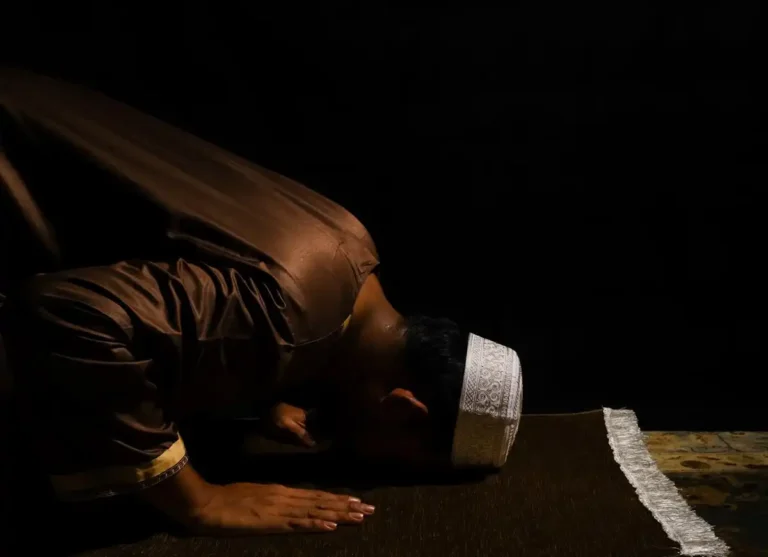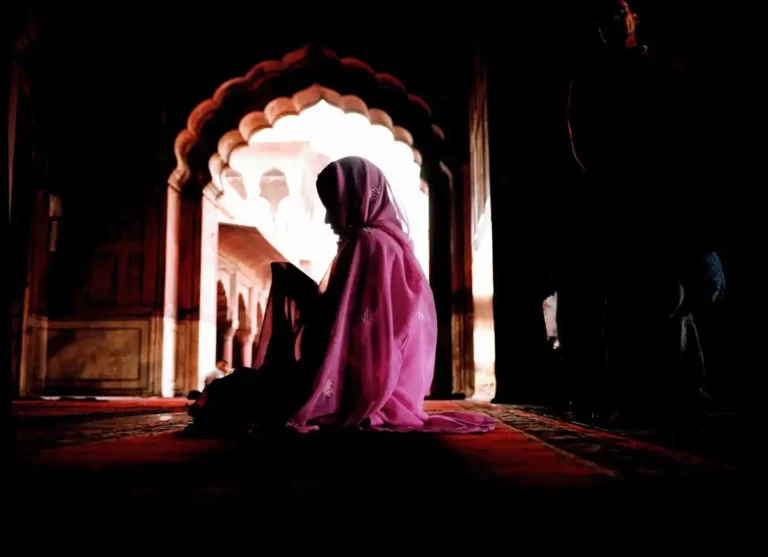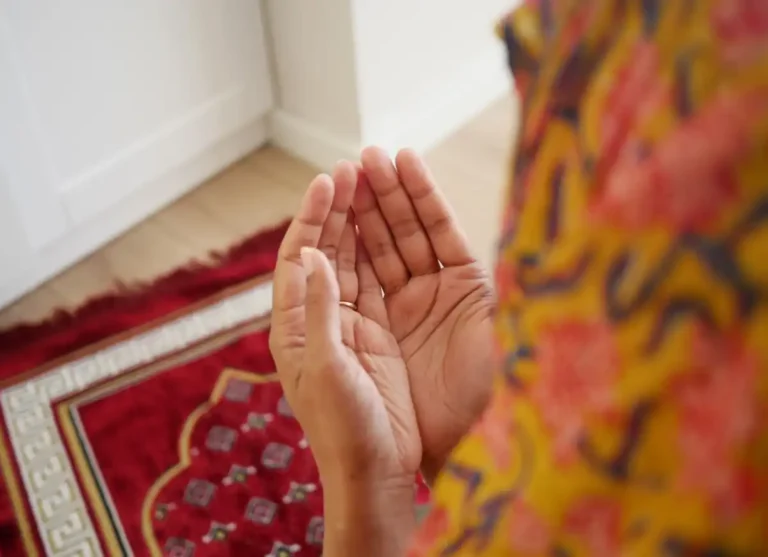


5 time namaz is easy to say, but many Muslims still feel unsure about the names, the timing windows, and how many rak‘ahs belong to each prayer. You’ll often see people stressed about “am I late?” or “Did I pray the right number?” That confusion can quietly break consistency.
Amazon : A clear reference many beginners like is The Absolute Essentials of Islam—find it on Amazon here.
The simple journey: problem → insight → solution
Problem: New learners (and even regular worshippers) mix up prayer names, times, and rak‘ahs. Different charts online can also conflict, which makes people doubt themselves.
Insight: The Qur’an reminds us that prayer is tied to set times, and the Sunnah shows how the daily schedule became a steady routine for the Ummah.
Solution: Use one reliable chart, learn the basic time signs, then build a repeatable daily habit with a checklist and one simple table.
Categories: PRAYER ,ALMS , SAWN & The Holy Quran, Quran Jaz 1- 114
Why daily prayer matters in real life
The five daily prayers are more than a ritual. They are a daily reset—spiritual, emotional, and even social. When you pray on time, your day gains structure. When you miss often, you usually feel it: rushed, distracted, and spiritually “dry.”
Benefits people commonly notice:
- A cleaner routine and better time control
- Less guilt and more calm confidence
- Stronger focus and patience in daily tasks
- A regular way to ask Allah for help and forgiveness
- A deeper sense of identity and purpose
For a general overview of prayer in Islam, see this Wikipedia page on Salah.
Two Qur’an references about prayer and timing
Below are two relevant verses with transliteration, a short reader-friendly meaning, and Alim.org links (rotated from the last article).
- Surah An-Nisa (4:103)
Transliteration: Innaṣ-ṣalāta kānat ‘alal-mu’minīna kitāban mawqūtā.
Meaning: Prayer is a duty on believers at appointed times. - Surah Hud (11:114)
Transliteration: Wa aqimiṣ-ṣalāta ṭarafayin-nahāri wa zulafam-minal-layl.
Meaning: Establish prayer at the ends of the day and part of the night.
Two Hadith references (rotated books)
Here are two hadith references from Sunnah.com, rotating away from the previous books (now: Sunan Abu Dawood and Jami` at-Tirmidhi).
- Sunan Abi Dawud 393
Meaning: Jibril led the Prophet ﷺ in prayer, showing the practical time ranges for the daily prayers. Hadith on how Jibril taught the prayer times (Abu Dawood 393) - Jami` at-Tirmidhi 213
Meaning: The obligation was reduced to five prayers, yet the reward remains like fifty—showing Allah’s mercy and the value of consistency.
Also Read: Juz Amma 30 For School Students PDF Download
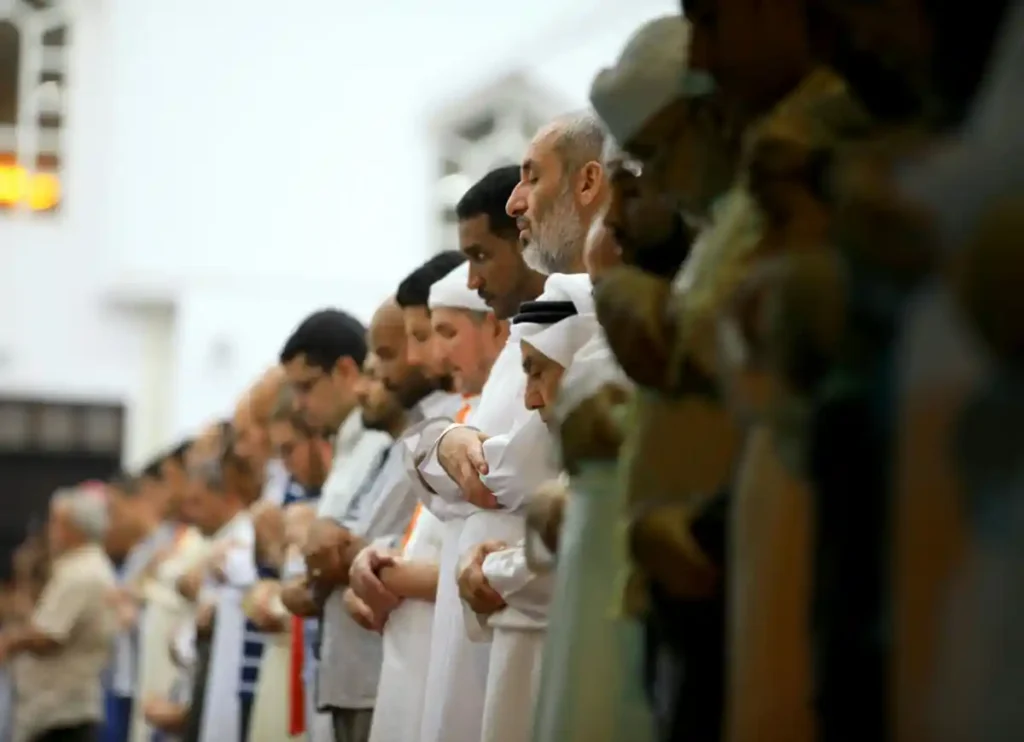
Names, times, and rak‘ahs: the practical table
People often search phrases like 5 namaz name and time or 5 time namaz name and rakat because they want one clean chart. Here’s a beginner-friendly table based on the well-known daily schedule (times shift by season and location).
Also Read: Surah Kahf Complete: English Translation, Transliteration, PDF and Friday Recitation Benefits
| Prayer name | Common time window (easy wording) | Fard rak‘ahs | Sunnah (Hanafi common practice) |
| Fajr | From true dawn until just before sunrise | 2 | 2 Sunnah before |
| Dhuhr | After the sun passes its peak until Asr begins | 4 | 4 before + 2 after (often also 2 more after) |
| Asr | Late afternoon until just before sunset | 4 | 4 Sunnah before (ghair mu’akkadah) |
| Maghrib | Just after sunset until twilight deepens | 3 | 2 Sunnah after |
| ‘Isha | When twilight disappears until before true dawn | 4 | 2 Sunnah after + Witr (3) |
If you ever feel stuck comparing charts, it helps to discuss it with other learners too—some people share helpful notes on http://www.studying-islam.org/
Also Read: About Meaning 786 – بِسْمِ اللَّهِ الرَّحْمَنِ الرَّحِيم
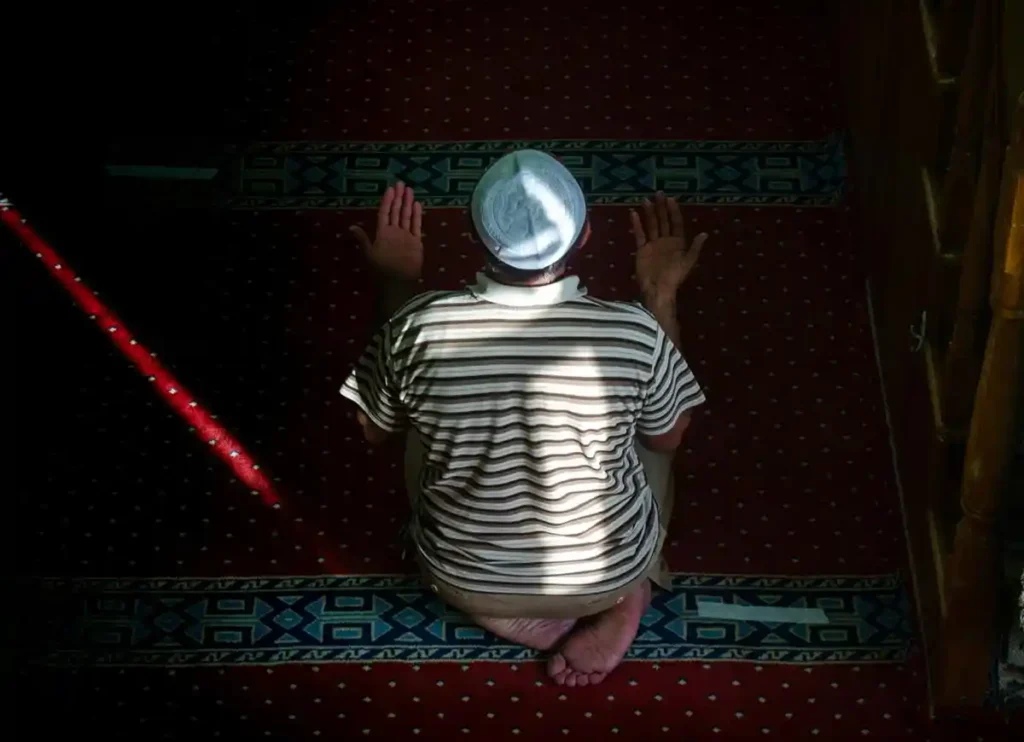
How to know prayer times without memorizing astronomy
You don’t need complicated math. Most people learn by simple signs, then confirm with a reliable timetable or app.
The easy “sun position” cues
- Fajr: dawn light spreads on the horizon
- Dhuhr: the sun has passed midday
- Asr: shadows grow longer (late afternoon)
- Maghrib: the sun has set
- ‘Isha: the remaining twilight fades
If you want a beginner Q&A style explanation of time windows, this is a useful read: Times of the Five Daily Prayers (AboutIslam)
A simple checklist to stay consistent
Here’s the “doable” method I’ve seen work for busy people, especially students and working parents.
- Lock one anchor prayer first (often Fajr or Maghrib).
- Use reminders (phone + one backup alarm).
- Keep a travel plan: know where you can pray at work or outside.
- Don’t bargain with yourself: pray, then move on with your day.
- Track for 14 days: a short streak builds a real habit.
When you do this, 5 times namaz stops feeling like a heavy checklist and starts feeling like a supportive rhythm.
Hanafi fiqh book titles
Here are Hanafi references commonly found in libraries and archives (often available as PDFs in legitimate collections). Titles only, as requested:
- Mukhtasar al-Quduri
- Al-Fatawa al-Hindiyyah (Fatawa Alamgiri)
- Radd al-Muhtar ‘ala al-Durr al-Mukhtar
- Sharh al-Wiqayah
- Al-Bahr al-Ra’iq
Common questions people ask (and the calm answers)
Many learners worry they must be “perfect” before becoming consistent. That mindset delays progress. Start simple, correct slowly, and keep your routine stable.
Helpful reminders:
- The goal is regularity, not perfection
- If you’re unsure, ask a local scholar you trust
- Keep one school’s method to avoid confusion
- Prayer times vary—use local timetables responsibly
For a short, reliable background explanation of salat as a pillar and its daily performance, Britannica’s summary is helpful: Britannica’s article on salat.
Also Read: Learn Dua Qunoot in Arabic Text PDF Download
FAQ
Why do prayer times change every day?
Because times follow the sun’s position. Seasons and location shift sunrise, sunset, and twilight, so prayer windows naturally move throughout the year.
What if I miss a prayer because I forgot or slept?
Pray it as soon as you remember. Don’t spiral into guilt. Make a small plan so it doesn’t become a repeating pattern.
Are the rak‘ahs the same in every madhhab?
The fard rak‘ahs are the same. Differences usually appear in Sunnah details, witr method, and small actions. Stick to one trusted teaching path.
Is it okay to use an app for timings?
Yes. Use a reliable app or local masjid timetable. If something looks off, cross-check with your local mosque’s published times.
How can I stay consistent when life is busy?
Attach prayers to fixed routines: waking up, lunch break, sunset, and bedtime. Short dua after salah keeps it meaningful, not rushed.
Conclusion
When you learn the names, timing cues, and rak‘ahs in one clean system, everything gets lighter. 5 time namaz becomes a daily guide—not a daily stress. Start with one strong anchor prayer, build from there, and protect your routine like you protect your health. You’ll feel the difference.
Similar Posts For You:
- Wudu (Step-by-Step)
- Fajr Prayer (How to Perform)
- Zuhr Prayer (How to Perform)
- Asr Prayer (How to Perform)
- Maghrib Prayer (How to Perform)
- Isha Prayer (How to Perform)
- Sunnah Prayers in Islam (Types)
Related Posts:
- Can You Control It? Dua For Anger
- Dua For A Bad Dream– Say This & Relax!
- Dua For A Good Day – Start with Barakah!
- Dua For Sleep – A Powerful Remedy You Need!
- Ahad Nama Dua – Why Is This Dua So Special?
- After Fajr Prayer Dua – The Key to Rizq & Success!
- Dua After Ghusl – The Secret to Spiritual Cleanliness!
- Dua After Praying – Do This For Rizq, Mercy & Blessings!
- Best Times to Make Dua – Most People Overlook These!
- Dua After Tahajjud Salah – This Can Change Your Destiny!
- Auzu Bikalimatillahi Tammati Dua – A Shield of Protection!
- Dua Completion of Quran – The Key to Unlimited Blessings!