

Night prayer Islam feels a bit like discovering a hidden staircase in your own house.
Most nights you walk past it. Then one evening—after a hard day, a heavy thought, or a quiet longing—you notice it. You take one step. That’s how many people begin: not as “experts,” but as tired hearts looking for Allah in the calm of the dark.
Amazon book picks (Best Selling Books For Readers)
- Inner Dimensions of Islamic Worship (Imam al-Ghazali):
What is the Islamic night prayer?
In Islam, “night prayer” usually points to Qiyam al-Layl (worship in the night). Tahajjud is a special part of it—often prayed after sleeping, before Fajr. People also call it islam night prayer or night time prayer islam in everyday language, especially when they’re just starting out.
If you want a simple definition to ground the terms, see Tahajjud (Wikipedia)
Why people start praying at night
Most people don’t begin because they suddenly become “perfect.” They begin because something hurts, or something is missing. Night worship becomes a practical solution—like a small startup that fixes a real problem.
Here’s what it often solves:
- A restless mind that won’t settle
- A heart weighed down by mistakes
- A dua you don’t want to rush
- A need for calm, direction, and courage
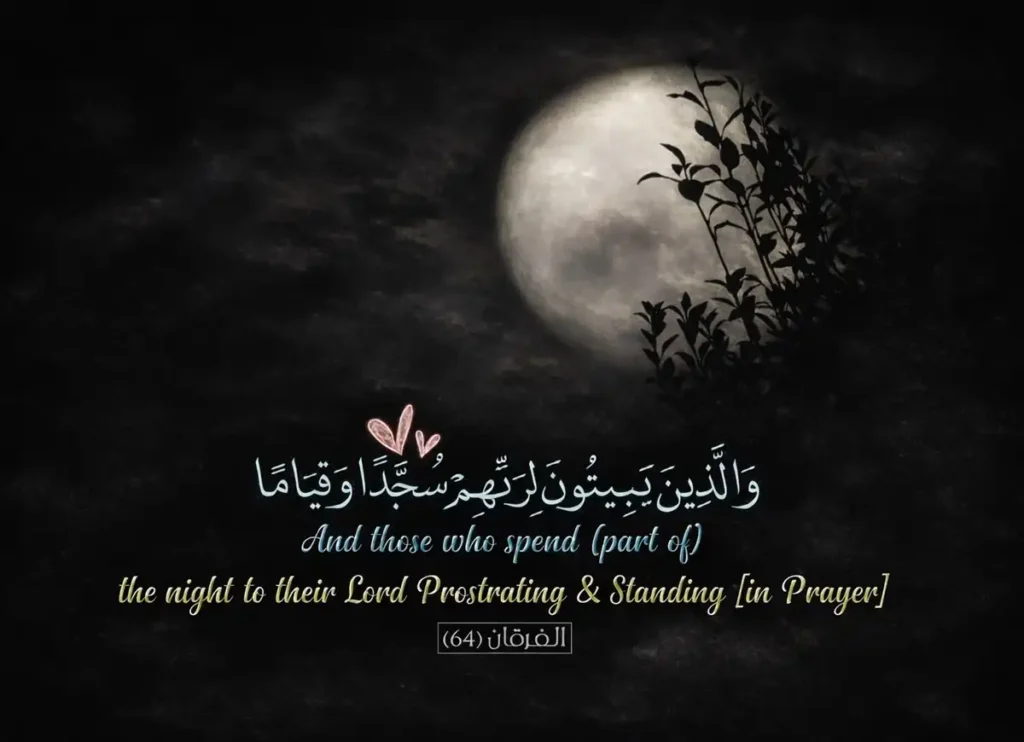
What the Quran says about worship in the night
The Quran praises those who turn to Allah in the quiet hours. These verses don’t sound like pressure. They sound like an invitation.
Quran verses (Arabic + transliteration + English translation)
1) Surah Al-Isra (17:79)
Arabic: وَمِنَ ٱلَّيْلِ فَتَهَجَّدْ بِهِۦ نَافِلَةً لَّكَ عَسَىٰٓ أَن يَبْعَثَكَ رَبُّكَ مَقَامًۭا مَّحْمُودًۭا
Transliteration: Wa minal-layli fatahajjad bihi naafilatal-laka ‘asaa an yab‘athaka rabbuka maqaamam mahmoodaa.
Meaning: “And during the night, pray as an extra act; your Lord may raise you to a praised station.”
2) Surah As-Sajdah (32:16–17)
Arabic (32:16): تَتَجَافَىٰ جُنُوبُهُمْ عَنِ ٱلْمَضَاجِعِ يَدْعُونَ رَبَّهُمْ خَوْفًۭا وَطَمَعًۭا
Transliteration: Tatajaafaa junuubuhum ‘anil-madaaji‘i yad‘uuna rabbahum khawfan wa tama‘aa.
Meaning: “They leave their beds, calling upon their Lord in fear and hope…”
3) Surah Adh-Dhariyat (51:17–18)
Arabic: كَانُوا۟ قَلِيلًۭا مِّنَ ٱلَّيْلِ مَا يَهْجَعُونَ وَبِٱلْأَسْحَارِ هُمْ يَسْتَغْفِرُونَ
Transliteration: Kaanoo qaleelan minal-layli maa yahja‘oon, wa bil-ashaari hum yastaghfiroon.
Meaning: “They slept little at night, and before dawn they sought forgiveness.”
Hadith that shows the value of night prayer
The Prophet ﷺ taught that the night holds a special closeness to Allah, especially near the end of it. These narrations are the reason many people choose Tahajjud when they want a sincere, private moment.
Key Hadith references (Arabic + transliteration + English meaning)
1) Sahih al-Bukhari 1145
Arabic excerpt: «مَنْ يَدْعُونِي فَأَسْتَجِيبَ لَهُ… مَنْ يَسْتَغْفِرُنِي فَأَغْفِرَ لَهُ»
Transliteration: Man yad‘ooni fa-astajeeba lah… man yastaghfiruni fa-aghfira lah.
Meaning: Allah invites: “Who will call upon Me so I answer? Who seeks forgiveness so I forgive?”
Context reading: https://sunnah.com/bukhari:1145
2) Sahih Muslim 758b
Arabic (reference): (full text on source page)
Meaning: Allah’s mercy is near in the depths of the night, and sincere dua is answered.
Context reading: https://sunnah.com/muslim:758b
3) Sahih al-Bukhari 1137
Arabic excerpt: «صَلَاةُ اللَّيْلِ مَثْنَى مَثْنَى… فَأَوْتِرْ بِوَاحِدَةٍ»
Transliteration: Salaatul-layli mathnaa mathnaa… fa-awtir biwaahidah.
Meaning: “Night prayer is two by two… then end with Witr.”
Context reading: https://sunnah.com/bukhari:1137
The easiest way to start (without burning out)
If you’re new, don’t aim for “long.” Aim for “repeatable.” The strongest night worship is the one you can keep doing in real life.
A simple starter rule:
- Start with 2 rak‘ah
- Keep recitation easy
- Make one honest dua
- Go back to sleep if needed
That’s not “small.” That’s smart.
Categories: Namaz ,Zakat , Roza , Prayer , Hadith & Supplications
How to perform Tahajjud in simple steps
People often search for “prayer at night islam” and then get stuck on details. Here’s a clean, beginner-friendly method you can follow tonight.
Step-by-step (Tahajjud)
- Pray ‘Isha, then sleep.
- Wake up before Fajr (20–60 minutes is enough).
- Make wudu calmly.
- Pray 2 rak‘ah nafl.
- Add 2 more rak‘ah if you can (two-by-two).
- Make dua in sujood and after salam.
- Pray Witr if it’s still due.
This is “praying at night islam” in its simplest form: quiet salah, sincere dua, steady intention.
Sunni practice note (Hanafi, Shafi‘i, Maliki)
If you’re asking about “how to pray Tahajjud Namaz Sunni,” the core is shared across Sunni schools: night prayer is voluntary and highly encouraged. Differences usually appear around Witr details, not Tahajjud itself.
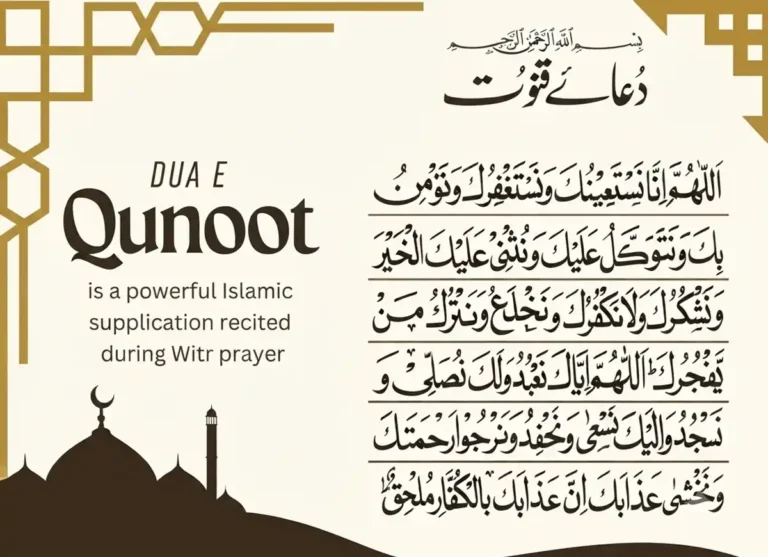
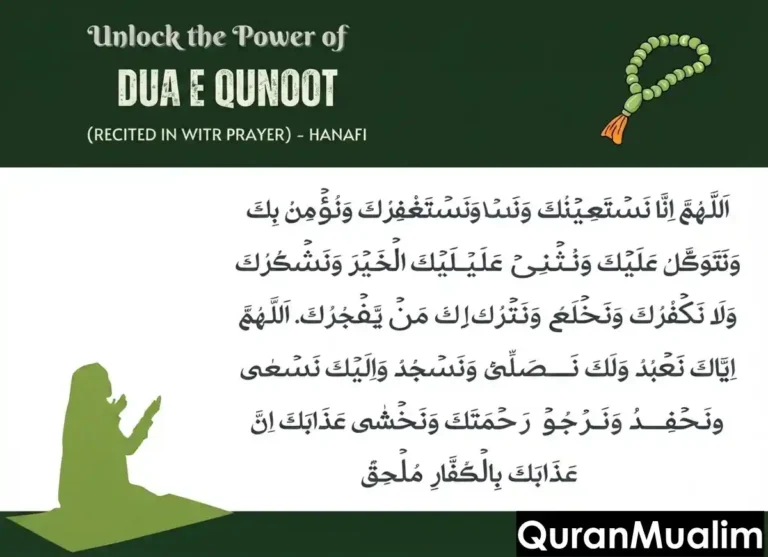
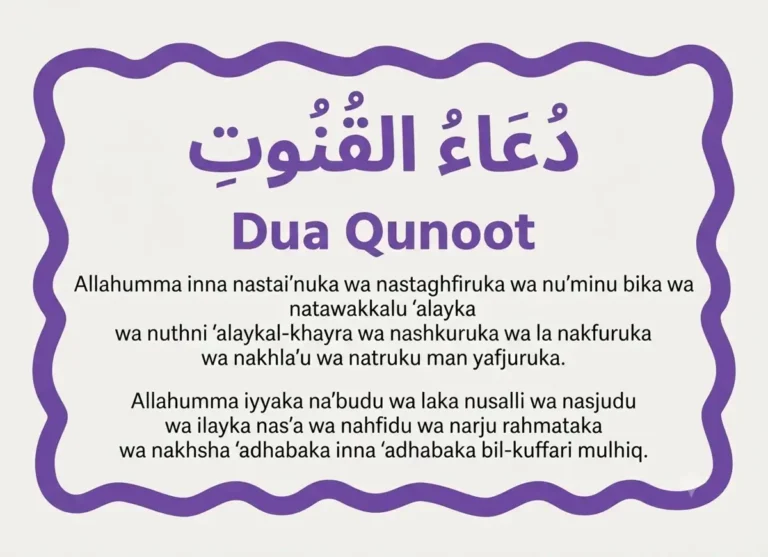
- Hanafi: Witr is strongly emphasized (often taught as wajib). Many pray 3 rak‘ah with one salam and recite du‘a al-qunut.
- Shafi‘i: Witr is a confirmed Sunnah with flexible forms (often one or three).
- Maliki: Witr is a stressed Sunnah and a steady nightly habit.
A “startup plan” to make the habit stick
Night worship grows when you treat it like a real project: small launches, steady progress, and forgiving restarts.
A 7-night plan
- Nights 1–2: 2 rak‘ah + short dua
- Nights 3–4: 2 rak‘ah + 3 minutes istighfar
- Nights 5–6: 4 rak‘ah total, light recitation
- Night 7: keep it short, protect consistency
Small upgrades that help
- Sleep 20–30 minutes earlier
- Keep your phone out of reach
- Set one gentle alarm
- Make wudu without rushing
Hanafi scholars’ PDF book names (for deeper study)
If you want to study night worship and Prayer with Hanafi depth, these well-known works are often found as PDFs in libraries and study circles (names only, as requested):
- Fath al-Qadir—Ibn al-Humam
- Al-Binayah Sharh al-Hidayah—Badr al-Din al-‘Ayni
- Al-Wiqayah — Taj al-Shari‘ah
- An-Nihayah Sharh al-Hidayah—al-Marghinani commentary tradition
- Al-Muhit al-Burhani — Burhan al-Din al-Bukhari
For reminders and beginner-friendly Islamic learning, you can also visit www.quranmualim.com.
Conclusion
night prayer islam is not a medal for “super religious” people. It’s a tool for real people with real pressure. It turns the night into a quiet workshop where your heart gets rebuilt—one sujood at a time. Start small, stay steady, and don’t wait for perfect motivation. Move first, feelings follow.
night prayer islam can become your private advantage: a calm habit that makes you stronger than your worries. And once you taste that silence with Allah, you’ll understand why people protect it like treasure.
Also Read; Root Words of Quran
Short night duas (Arabic + transliteration + meaning)
1) For forgiveness
Arabic: رَبِّ اغْفِرْ لِي وَتُبْ عَلَيَّ
Transliteration: Rabbi-ghfir lee wa tub ‘alayya.
Meaning: “My Lord, forgive me and accept my repentance.”
2) For guidance and steadiness
Arabic: اللَّهُمَّ اهْدِنِي وَسَدِّدْنِي
Transliteration: Allahumma ihdinee wa saddidnee.
Meaning: “O Allah, guide me and make me firm.”
3) For ease
Arabic: اللَّهُمَّ اجْعَلْ لِي مِنْ أَمْرِي يُسْرًا
Transliteration: Allahumma-j‘al lee min amree yusrā.
Meaning: “O Allah, grant ease in my affairs.”
FAQs
1) Is night prayer only Tahajjud?
No. Night worship includes Qiyam al-Layl in general. Tahajjud is usually the part prayed after sleeping, before Fajr.
2) How many rak‘ah should I pray?
Start with 2 rak‘ah. If it becomes easy, add more in sets of two.
3) What if I can’t wake up for the last third of the night?
Pray earlier in the night. A small, consistent habit is better than a perfect plan that never happens.
4) Do I have to recite long surahs?
No. Recite what you know. Keep it sincere and steady.
5) Can I still make dua even if I only prayed a little?
Yes. Even two rak‘ah with honest dua can change your heart and your direction.
“Similar Posts For You”
- Best Time to Pray Tahajjud Namaz
- How Many Rakats in Tahajjud Prayer?
- Can I Pray Tahajjud Without Sleeping?
- Can You Pray Tahajjud After Witr?
- Powerful Dua After Tahajjud Namaz
- Is Tahajjud Sunnah or Nafl? Learn Islam
- Virtues and The Benefits of Tahajjud Namaz
- How To Pray Tahajjud Prayer? Learn Islam
- How To Pray Tahajjud Namaz? (The Night Prayer)
- What is Tahajjud Namaz? (What, When, How) Complete Guide
- Tahajud Namaz Complete Guide (Time, Rakats, Duas, Benefits)
Recommended For You:
- 6 Types of Sunnah Prayers In Islam
- How to Perform Wudu Step by Step?
- How to Perform Fajr Prayer (صلاة الفجر)?
- How to Perform Zuhr Prayer – صَلَاة ٱلظُّهْر?
- How to Perform Asr Prayer- صلاة العصر)?
- How to Perform Maghrib Prayer- صلاة المغرب?
- How to Perform Isha Prayer-صلاة العشاء?