

Do you pray Witr after Tahajjud? This question trips up a lot of Muslims — beginners and practiced worshippers alike. Night prayer can feel like a maze when you’re standing there at 3 AM, unsure what comes next. Is Witr the beginning or the end? Does Tahajjud go before or after? And if you already prayed Witr earlier, does that change everything?
The confusion is understandable. These two prayers are closely linked in Islamic worship, yet they serve different functions. Sorting out their relationship — using real evidence — is what this article is for.
By the end, you will know exactly where Witr belongs in your night, what the Prophet ﷺ actually did, and how to build a consistent night prayer routine that feels natural, not stressful. 📚 For a comprehensive guide to voluntary prayer in Islam, ‘Qiyam al-Layl: The Night Prayer’ is highly recommended — find it on Amazon
Also Read: Tahajjud Prayer: How to Pray, What to Recite & Best Duas

Tahajjud and Witr — What Each Prayer Actually Is
Tahajjud (Arabic: تهجد — see Wikipedia) is a voluntary night prayer performed after waking from sleep. It has no fixed number of rak’ahs but is typically prayed in pairs — two by two — during the last third of the night.
Witr is the odd-numbered prayer that closes the night. It can be one, three, five, or seven rak’ahs. The Hanafi school classifies it as Wajib (near-obligatory). Other schools call it a strongly confirmed Sunnah. Either way, it carries enormous weight.
The key distinction: Tahajjud is the body of night prayer. Witr is its seal. One fills the night with devotion; the other closes it properly. Knowing this makes the ordering obvious.
Do You Pray Witr Before or After Tahajjud?
The clear Prophetic answer: Witr comes after Tahajjud — at the very end. The Prophet ﷺ consistently made Witr the last thing he prayed before Fajr. He did not pray Witr and then follow it with more Tahajjud and another Witr.
But there is one widely accepted exception: if you fear you won’t wake up for Tahajjud, pray Witr right after Isha. This is the safer choice for many Muslims. The goal is never to miss Witr entirely.
So the answer to do you pray witr before or after tahajjud? is: after, whenever possible. That is the Sunnah. But before, when necessary, is also valid and acceptable.
Also Read: What is Tahajjud Namaz? (What, When, How) Complete Guide
Witr Placement — A Comparison by Scenario
| Scenario | Recommended Action | Witr Placement |
| Planning to wake for Tahajjud | Delay Witr until after Tahajjud | After Tahajjud — end of night |
| Unsure if you’ll wake up | Pray Witr after Isha, then Tahajjud if you wake | After Isha — but don’t repeat it |
| Prayed Witr early, woke up | Pray Tahajjud freely — no second Witr (Hanafi) | Witr stays from earlier |
| Following Shafi’i method | Add one rak’ah to ‘undo’ Witr, pray Tahajjud, re-pray Witr | After Tahajjud — re-sealed |
| Ramadan — imam leads Witr | Pray Tahajjud alone after, no second Witr needed | Witr was in congregation |
Table: Recommended Witr placement across common real-life scenarios
Do You Have to Pray Witr After Tahajjud?
This is where the schools differ slightly. The question do you have to pray witr after tahajjud touches on whether Witr is obligatory in that position or simply preferred.
For Hanafi scholars: if you have not yet prayed Witr for the night and you’ve just finished Tahajjud, then yes — you must pray Witr before Fajr enters. It is Wajib. Skipping it without reason is sinful.
For Shafi’i, Maliki, and Hanbali scholars: Witr after Tahajjud is strongly recommended but not obligatory. Missing it is not sinful, though it is considered a significant omission for a practicing Muslim.
In practice, the distinction rarely matters — because any Muslim who wakes for Tahajjud will almost always want to complete their night with Witr. The motivation is spiritual, not just legal.
Do You Need to Pray Witr After Tahajjud? A Step-by-Step Night Prayer Guide
Here is the complete flow for a full night prayer session, following the Prophetic model:
- Pray Isha (Fard + Sunnah)
- Rest or sleep — this is important; Tahajjud requires waking from sleep to be Tahajjud in the truest sense
- Wake in the last third of the night (roughly 90 minutes before Fajr)
- Begin with two short rak’ahs — a practice narrated in authentic Hadith
- Pray voluntary rak’ahs in pairs — 2, 4, 6, or 8 — based on time and energy
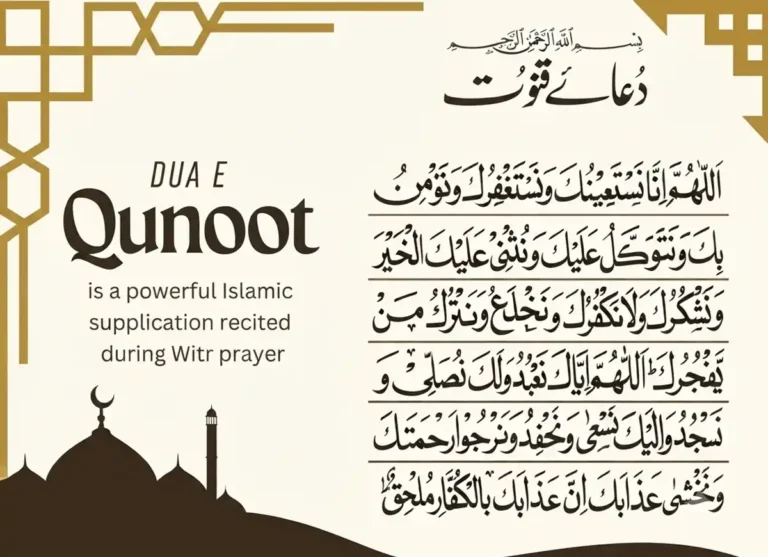
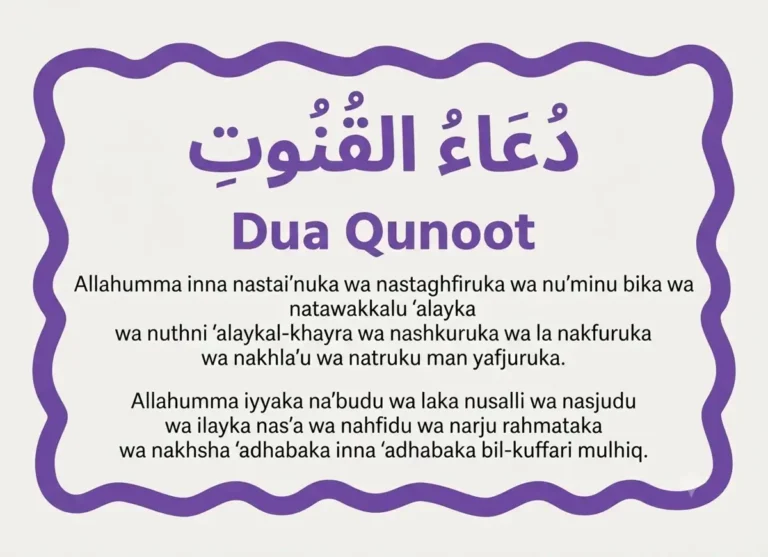
- Recite Dua al-Qunoot in your heart, make long du’a in Sujood
- Seal the night with Witr — 1 or 3 rak’ahs — and end with Tasleem
- Pray Fajr Sunnah, then await the Fard Fajr at its time
This structure reflects how the companions understood night prayer. It flows naturally, builds spiritually, and ends with the proper closing prayer.
Categories: Namaz ,Zakat , Roza , Prayer , Hadith & Supplications
Check Also Similar Post:
- Can I Pray Witr After Fajr?
- Can You Pray Tahajjud After Witr?
- Can You Pray Tahajjud After Witr Namaz?

Qur’an on the Night Worshippers — Two Powerful Verses
1. Surah Al-Furqan (25:64)
Surah Al-Furqan, Ayah 64 — Read on Quran.com — “And those who spend the night prostrating before their Lord and standing in prayer.”
Allah describes the servants of the Most Merciful (Ibad al-Rahman) by this single habit: they fill the night with prostration and standing. This verse captures the essence of Tahajjud — not a rushed ritual, but a life posture.
2. Surah Az-Zumar (39:9)
Surah Az-Zumar, Ayah 9 — Read on Quran.com — “Is one who is devoutly obedient during periods of the night, prostrating and standing in prayer, fearing the Hereafter and hoping for the mercy of his Lord, like one who does not?”
This verse poses a rhetorical question with a clear answer: the person who rises at night is not equal to one who sleeps through it. Witr is the crown of that rising.
Hadith Evidence: The Prophet’s ﷺ Own Night Prayer Practice
Hadith 1 — Sunan an-Nasa’i
Aisha (may Allah be pleased with her) reported: “The Prophet ﷺ used to pray eleven rak’ahs at night, making Witr with one of them.” — Sunan an-Nasa’i, Hadith 1697 — Full narration on Sunnah.com
This narration gives us the Prophetic blueprint: the bulk of night prayer (Tahajjud) came first — ten rak’ahs in pairs — and Witr with a single rak’ah came last. This is the clearest evidence for Witr after Tahajjud.
Hadith 2 — Sunan Ibn Majah
The Prophet ﷺ said: “Make Witr your last prayer of the night.” — Sunan Ibn Majah, Hadith 1190 — Verified narration with commentary on Sunnah.com
Few instructions from the Prophet ﷺ are this direct. “Last” means after everything else — after Tahajjud, after voluntary prayers, after du’a. Witr closes the night. This Hadith is the foundation of the ruling.
Why This Order Matters — The Wisdom Behind Witr at the End
The ordering of night prayer is not arbitrary. Ending with Witr — odd-numbered — carries symbolic and spiritual weight:
- Allah is Witr (odd/single) and loves what is Witr — so closing your night in an odd number mirrors divine attribute
- It gives the night a sense of completion — you are not leaving worship “open-ended”
- The odd number signals surrender — you are not in control of what comes next; Allah is
- Praying Witr last means your final act before sleep (or Fajr) was worship — a powerful way to close the night
- It trains the habit of intentional endings — every worship session should close, not trail off
For comprehensive discussions on the spiritual dimensions of Witr and night prayer, the QuranMualim.com learning platform offers detailed articles written for everyday Muslims seeking structured Islamic education.
Hanafi Scholarly Sources on Witr and Night Prayer
These classical Hanafi references contain detailed rulings on the placement and performance of Witr in relation to Tahajjud:
- Al-Bahr al-Ra’iq — by Ibn Nujaym al-Misri, one of the most important later Hanafi legal encyclopedias
- Fath al-Qadir — by Ibn al-Humam, a major Hanafi commentary on Hidayah with detailed prayer rulings
- Al-Lubab fi Sharh al-Kitab — a clear Hanafi fiqh commentary used in traditional madrasas
- Kashf al-Asrar — by al-Bazdawi, a foundational Hanafi usul and fiqh reference
Frequently Asked Questions
1. Do you pray Witr after Tahajjud or before?
After — that is the Sunnah. The Prophet ﷺ consistently made Witr the final prayer of the night, after all voluntary rak’ahs were completed.
2. What if I prayed Witr before Tahajjud by mistake?
Your Witr is still valid. Simply pray Tahajjud freely. In the Hanafi school, you do not repeat Witr. Your night is complete.
3. Is Tahajjud valid without Witr?
Yes, Tahajjud is valid on its own. But leaving out Witr entirely is a significant omission — especially for Hanafi Muslims, who consider it Wajib.
4. Can I pray just Witr without any Tahajjud?
Yes, absolutely. Witr alone after Isha is valid and sufficient. Tahajjud is optional; Witr is the more heavily emphasized of the two.
5. How many rak’ahs should Witr be after Tahajjud?
Three is most common and most widely practiced, following the Prophetic model. One rak’ah is also valid. Five and seven are options for longer nights.
Conclusion
Do you pray Witr after Tahajjud? Yes — and doing so follows the living example of the Prophet ﷺ himself. Witr is the seal of the night. Tahajjud is the body. Together, they form one of the most spiritually powerful practices available to a Muslim in this life.
The order is not a technicality. It reflects a theology: you fill the night with devotion, and then you close it with a single, deliberate act of surrender. One Witr. Odd. Complete.
For more scholarly context on Islamic night prayer traditions, explore Britannica’s entry on Islamic worship practices. And for community-based fiqh questions, the IslamicTeachings.org forum is a trusted space to find grounded Islamic answers.
Set your alarm tonight. Make Witr the last thing you do before the night ends. Some habits shape a lifetime — this is one of them.
“Similar Posts For You”
- Tahajjud: The Night Prayer Islam
- Best Time to Pray Tahajjud Namaz
- Can You Pray Tahajjud After Witr?
- Powerful Dua After Tahajjud Namaz
- Tahajjud ki Dua – The Prayer of Night
- How Many Rakats in Tahajjud Prayer?
- Can I Pray Tahajjud Without Sleeping?
- Is Tahajjud Sunnah or Nafl? Learn Islam
- How To Pray Tahajjud Prayer? Learn Islam
- Is Qiyam and Tahajjud Same? Learn Islam
- Doa Tahajud – Arabic & English Translation
- Salat of Tahajjud: A Time Duas For Success
- Virtues and The Benefits of Tahajjud Namaz
- learn The Power of Tahajjud Dua – Learn Islam
- Tahajjud Namaz & Rakats (Tahajjud Prayer Time)
- Doa Sholat Tahajud (The Prophetic Supplication)
- How To Pray Tahajjud Namaz? (The Night Prayer)