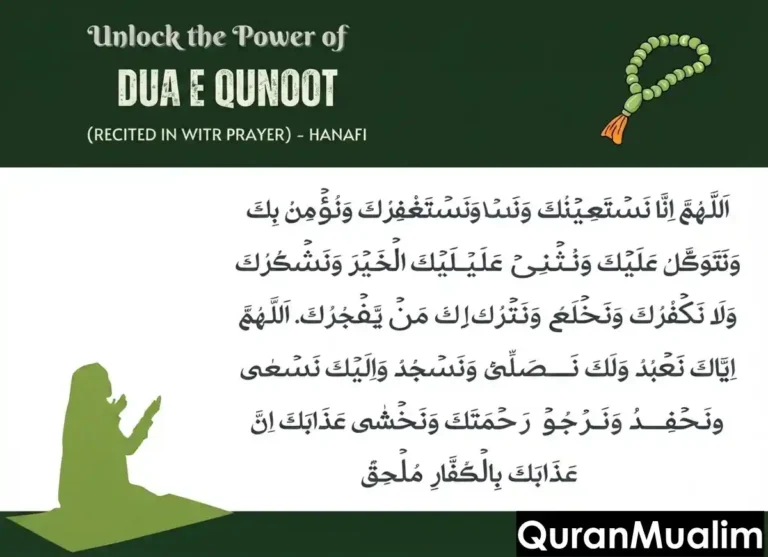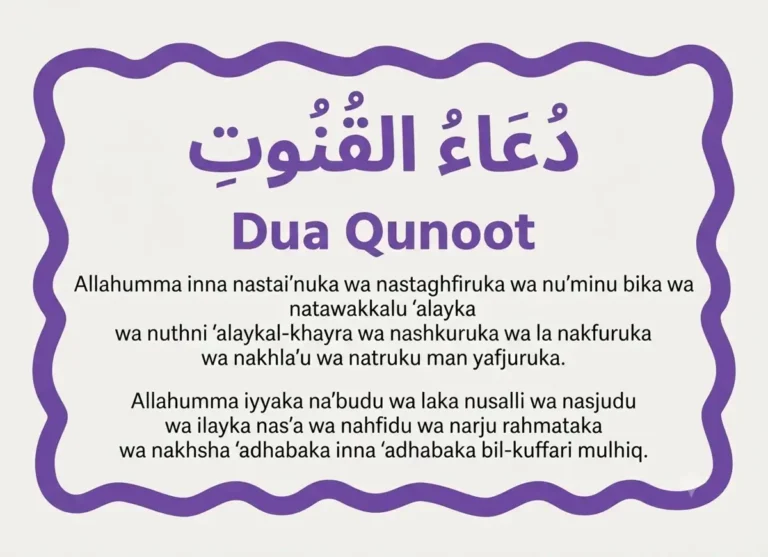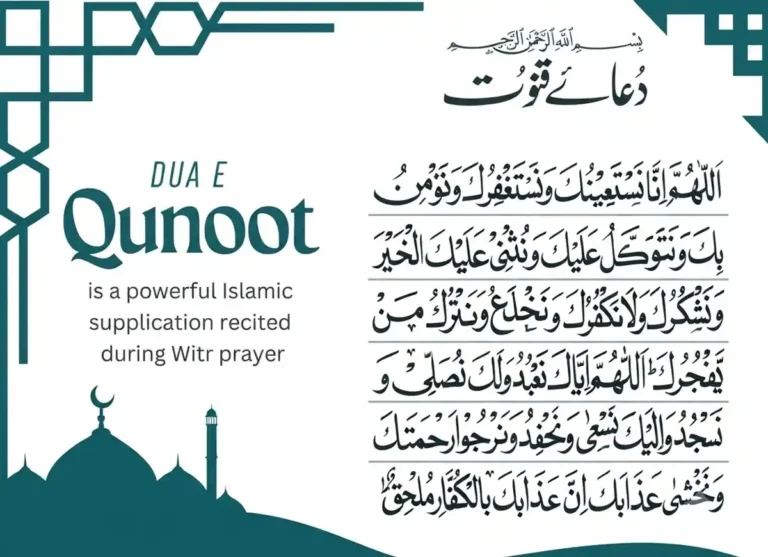
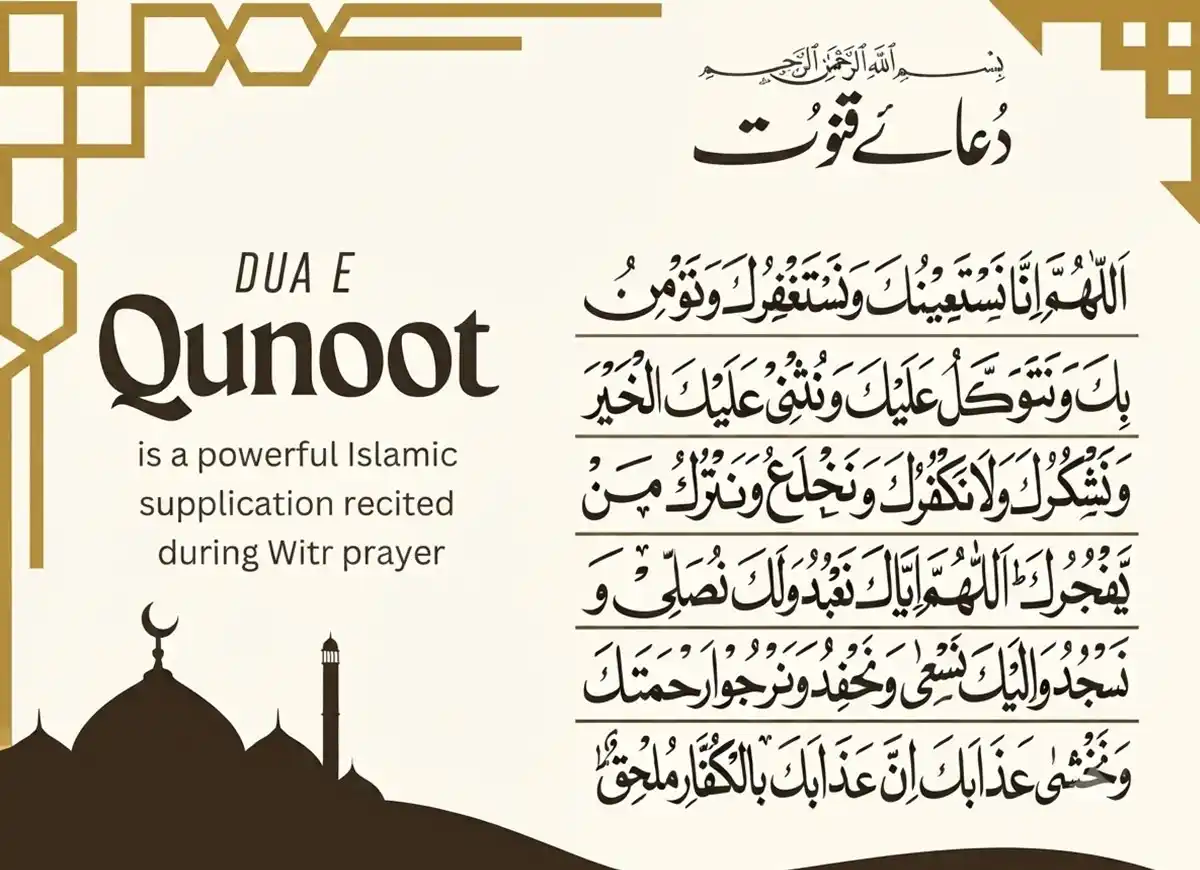

Dua Qunoot is one of those small parts of Witr prayer that new practicing Muslims often recognize by sound before they ever learn its name. You hear the imam pause after ruku, raise his hands, and speak softly for a moment — and only later do you find out that moment has a name and a story behind it.
This pocket-sized Hisnul Muslim edition on Amazon is worth keeping nearby while you’re learning duas like this one, Arabic and translation side by side.
What Does This Dua Mean?
At its simplest, this is a short supplication recited in Witr, asking Allah for guidance, protection, well-being, and blessing. It’s sometimes called the dua qunoot dua by learners still getting used to the terminology, and it’s one of several duas for qunoot used across different madhabs and occasions.
It comes from a hadith where the Prophet ﷺ personally taught these words to his grandson, Al-Hasan ibn Ali. That direct chain of teaching is part of why the dua carries so much weight, even though it isn’t obligatory to recite.
Why It’s Important
Reciting this dua turns the closing moments of Witr into a genuine conversation with Allah rather than a routine recitation. It covers guidance, safety, and blessing all at once, giving you a compact but complete request to make every single night before sleep.
Also Read: How to Pray Salah: Step-by-Step Guide (Wudu + Fajr, Zuhr, Asr, Maghrib, Isha)

Is This Supplication Mandatory in Witr?
A common question is is dua qunoot mandatory in witr, and the answer is no. It’s sunnah, meaning highly recommended, but Witr remains valid even if you skip it. Scholars encourage reciting it regularly, while also noting it’s fine to occasionally omit it so people understand it isn’t obligatory.
When to Recite Du’a al-Qunut
It’s recited in the third rakat of Witr, most commonly right before bowing into ruku, after finishing your Quran recitation for that rakat. Some scholars also accept reciting it after ruku, based on other authentic narrations, so both positions have support.
How to Offer Du’a al-Qunut
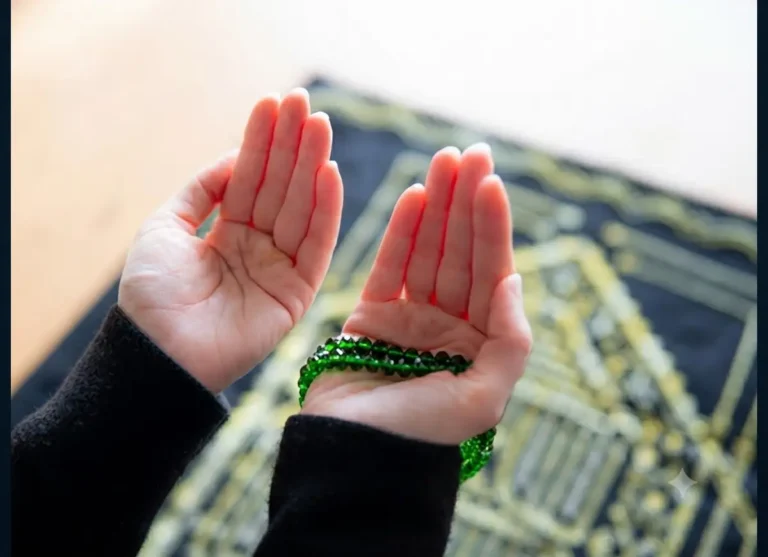
Raise your hands to roughly chest height, palms facing upward like someone quietly asking for something, rather than raising them high as in more urgent supplication. Recite the words softly, then continue into ruku as normal, completing the rest of your Witr prayer.
Quran Verses on the Value of Supplication
- Surah Ghafir 40:60 — Allah instructs believers to call upon Him, promising He will respond, and warns against arrogance toward this act of worship. Read on Quran.com
- Surah Al-Baqarah 2:186 — Allah reassures believers that He is near and answers whoever calls upon Him sincerely. Read on Quran.com
Hadith References
The main source for this dua comes from Al-Hasan ibn Ali, who narrated that the Prophet ﷺ taught him specific words to recite in Witr, covering guidance, well-being, and protection from harm. See Sunan Abu Dawood 1425.
A parallel narration in Jami at-Tirmidhi preserves the same wording, with an added note encouraging Muslims to send blessings on the Prophet ﷺ after finishing the dua. [See Jami at-Tirmidhi 464](https://sunnah.com/tirmidhi:464).
Also Read: Dua For Namaz: Simple Words That Steady The Heart, prayer
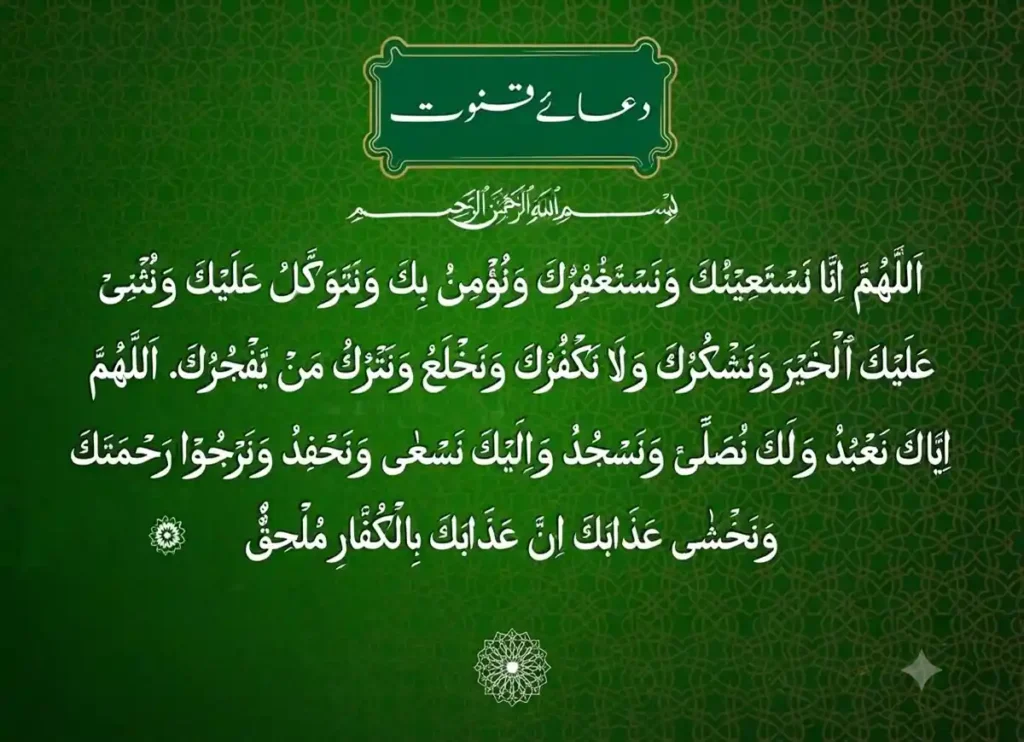
Should You Recite It Every Time?
Not strictly. Reciting it nightly is the more common practice and is perfectly fine, but occasionally skipping it is also acceptable, since that reminds worshippers it remains a sunnah addition rather than a fixed requirement of Witr.
Formula of Du’a al-Qunut
The core structure moves through five requests: guidance, well-being, care, blessing, and protection from harm, before closing with an affirmation that Allah alone decrees outcomes. Memorizing it in that order makes recall much easier over time.
What to Say After Taslim
After completing Witr with taslim, it’s mustahabb to say “Subhan al-Malik al-Quddus” three times, drawing out the words slightly on the third repetition. This closing remembrance is a light, beautiful way to end your night prayer.
Also Read: Everything You Need to Know About Witr: Dua For Witr Namaz
Quick Reference Table
| Question | Answer |
| Is it obligatory? | No, it’s sunnah — Witr is valid without it |
| When recited? | Third rakat of Witr, usually before ruku |
| Hand position? | Raised to chest height, palms upward |
| After taslim? | Say “Subhan al-Malik al-Quddus” three times |
Hanafi Fiqh References
For readers wanting deeper detail on Witr and qunoot rulings, these classical Hanafi texts are commonly found in Islamic libraries and archives:
- Fath al-Qadir by Ibn al-Humam
- Al-Muhit al-Burhani by Burhan al-Din Ibn Mazah
- Multaqa al-Abhur by Ibrahim al-Halabi
Learning More
For deeper school-specific comparisons on timing and wording, IslamQA and the discussion threads on IslamicTeachings.org are reliable places to explore further. You’ll also find related Witr guides on quranmualim.com if you want a more detailed walkthrough. For general background on qunoot as a practice, Wikipedia’s entry on Tahajjud and Britannica’s overview of Islam offer useful context.
Also Read: Namaz Dua (Masnoon Duain) PDF Download
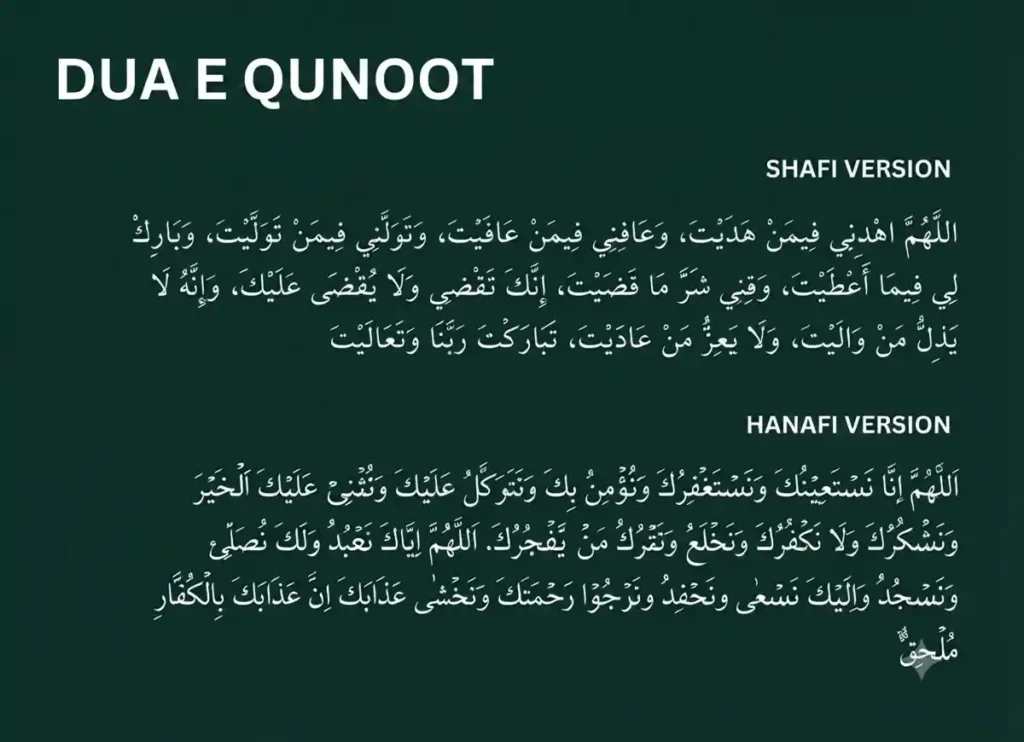
FAQs
What is this supplication in simple terms?
It’s a short sunnah supplication recited in Witr, asking Allah for guidance, well-being, and protection, based on words the Prophet ﷺ taught his grandson.
Do I have to recite it every night?
No, it’s recommended but not required. Many Muslims recite it nightly, while occasionally skipping it to show it isn’t obligatory.
Can I recite it after ruku instead of before?
Yes, both positions have support in authentic hadith, though reciting before ruku is the more commonly practiced approach today.
Is there a specific dua after finishing Witr?
Yes, saying “Subhan al-Malik al-Quddus” three times after taslim is a recommended closing remembrance following Witr prayer.
What if I forget to recite it mid-prayer?
Simply continue your Witr as normal. Forgetting a sunnah addition doesn’t invalidate the prayer or require you to repeat anything.
Final Thoughts
Dua Qunoot is a small habit that adds real depth to your nightly Witr, turning a few quiet seconds into a genuine request for guidance and protection. Learn the words, understand the meaning, and let it become a steady, comforting part of how you close your day in prayer.
Brought to you by Alasad Online Quran Tutor — visit Quranmualim.com for more Quran and Tajweed learning resources, or reach us on WhatsApp and YouTube (@quranmualim) to start your own learning journey.
Check Also Similar Post:
- Can I Pray Witr After Fajr?
- Is Witr Mandatory? – Learn Islam
- Can You Pray Tahajjud After Witr?
- How To Pray Salah Witr? Learn Islam
- How To Do Witr Prayer? – Learn Islam
- Witr Ki Dua (Dua e Qunoot) – Learn Islam
- Can You Pray Tahajjud After Witr Namaz?
- Dua e Qunoot (Recited Dua Qunoot in Witr)
- Do You Pray Witr After Tahajjud? Learn Islam
- How To Pray Witr Step-by-Step? – Learn Islam
- Witr Dua (recited in Witr prayer) – Learn Islam
- Dua e Qunoot in Arabic (Recited in Witr Prayer)
- Everything You Need to Know About Witr Namaz
- How To Pray Witr Prayer Correctly? – Learn Islam
- Witr Namaz: A Complete Guide For Every Muslim
- What Is Witr? A Complete Guide for Every Muslim
- Dua e Qunoot English Translation and Transliteration
- Qua e Qunoot English Transliteration (Roman English)
- How To Pray 3 Rak’ahs of Witr Prayer (Hanafi Method)